
📑 Table of Contents ▶
- Sous Vide Beef Time and Temperature Chart
- Steak doneness at a glance
- Sous Vide Chicken, Turkey and Duck Chart
- Sous Vide Lamb Chart
- Sous Vide Fish and Seafood Chart
- Sous Vide Eggs Chart
- Sous Vide Vegetables and Desserts Chart
- How to Use This Sous Vide Chart
- Sous Vide Food Safety Basics
- Sous Vide Time and Temperature FAQ
- What is the best temperature for sous vide steak?
- How long can you leave food in a sous vide?
- Is it safe to sous vide chicken at 145°F?
- Do sous vide times change for frozen food?
- Why are vegetables cooked so much hotter than meat?
Quick answer: Most sous vide cooking happens between 120°F and 185°F. Steak is best at 129–134°F for medium-rare (1–4 hours), chicken breast at 140–150°F (1.5–4 hours), salmon at 115–125°F (30–60 minutes), tough cuts like brisket and chuck roast at 135–155°F for 24–48 hours, and vegetables at 183°F. The temperature sets the doneness; the time makes it tender and safe.
Hi, I’m Jasmine. I’ve cooked just about everything in my water bath, from a Tuesday-night chicken breast to a three-day brisket, and this is the chart I keep taped inside my kitchen cabinet. Every row below is a setting I actually use, and most of them link to a full recipe here on SousVideRecipe.com if you want the step-by-step version.
Two things make sous vide different from any other method. The temperature decides how done the food will be, edge to edge. The time decides how tender it gets and whether it’s held long enough to be safe. Hit the temperature and stay inside the time range, and you can’t really miss.
How To Sous Vide 101
Sous Vide Beef Time and Temperature Chart
Times assume the meat goes in straight from the fridge. Thicker pieces need the longer end of the range. Tender steaks and roasts shouldn’t sit much past the top of the range or the texture turns soft.
| Cut | Temperature | Time | Result |
|---|---|---|---|
| Steak (ribeye, strip, sirloin), 1–1.5″ | 129–134°F (54–57°C) | 1–4 hours | Medium-rare |
| Thick ribeye, 2″ | 130°F (54°C) | 2.5–4 hours | Medium-rare |
| Filet mignon | 130°F (54°C) | 1–3 hours | Medium-rare, buttery |
| Flank or skirt steak | 130–135°F (54–57°C) | 2–4 hours | Medium-rare, sliceable |
| Tri-tip | 131–135°F (55–57°C) | 2–8 hours | Medium-rare, tender |
| Picanha | 131–135°F (55–57°C) | 3–6 hours | Medium-rare |
| Beef tenderloin roast | 130–134°F (54–57°C) | 2.5–4 hours | Medium-rare |
| Prime rib (boneless) | 131–135°F (55–57°C) | 6–10 hours | Medium-rare |
| Roast beef / top round | 131–135°F (55–57°C) | 8–24 hours | Rosy, thin-sliceable |
| Sirloin tip roast | 131–135°F (55–57°C) | 8–24 hours | Medium-rare, tender |
| Chuck roast | 135°F / 155°F (57°C / 68°C) | 24–48 hours | Steak-like / pull-apart |
| Brisket | 135°F / 155°F (57°C / 68°C) | 24–48 hours | Juicy slices / classic BBQ |
| Short ribs | 135–140°F (57–60°C) | 48–72 hours | Rosy, fork-tender |
| Corned beef | 135°F / 180°F (57°C / 82°C) | 24–48 hours / 10 hours | Sliceable / traditional |
| Beef stew meat | 135–155°F (57–68°C) | 12–24 hours | Tender cubes for stew |
| Burgers / ground beef | 137°F / 155°F (58°C / 68°C) | 1–3 hours | Medium / well done |
Steak doneness at a glance
| Doneness | Water temperature | What it looks like |
|---|---|---|
| Rare | 120–128°F (49–53°C) | Deep red, very soft |
| Medium-rare | 129–134°F (54–57°C) | Pink-red edge to edge, juicy |
| Medium | 135–144°F (57–62°C) | Pink, a little firmer |
| Medium-well | 145–155°F (63–68°C) | Light pink, firm |
| Well done | 156°F+ (69°C+) | No pink, firm |
Sous Vide Chicken, Turkey and Duck Chart
Poultry is where sous vide shines brightest. Chicken held at 140–150°F for the full time is pasteurized just like chicken cooked to 165°F, but it stays far juicier. Stay inside the time range and don’t shorten it.
| Cut | Temperature | Time | Result |
|---|---|---|---|
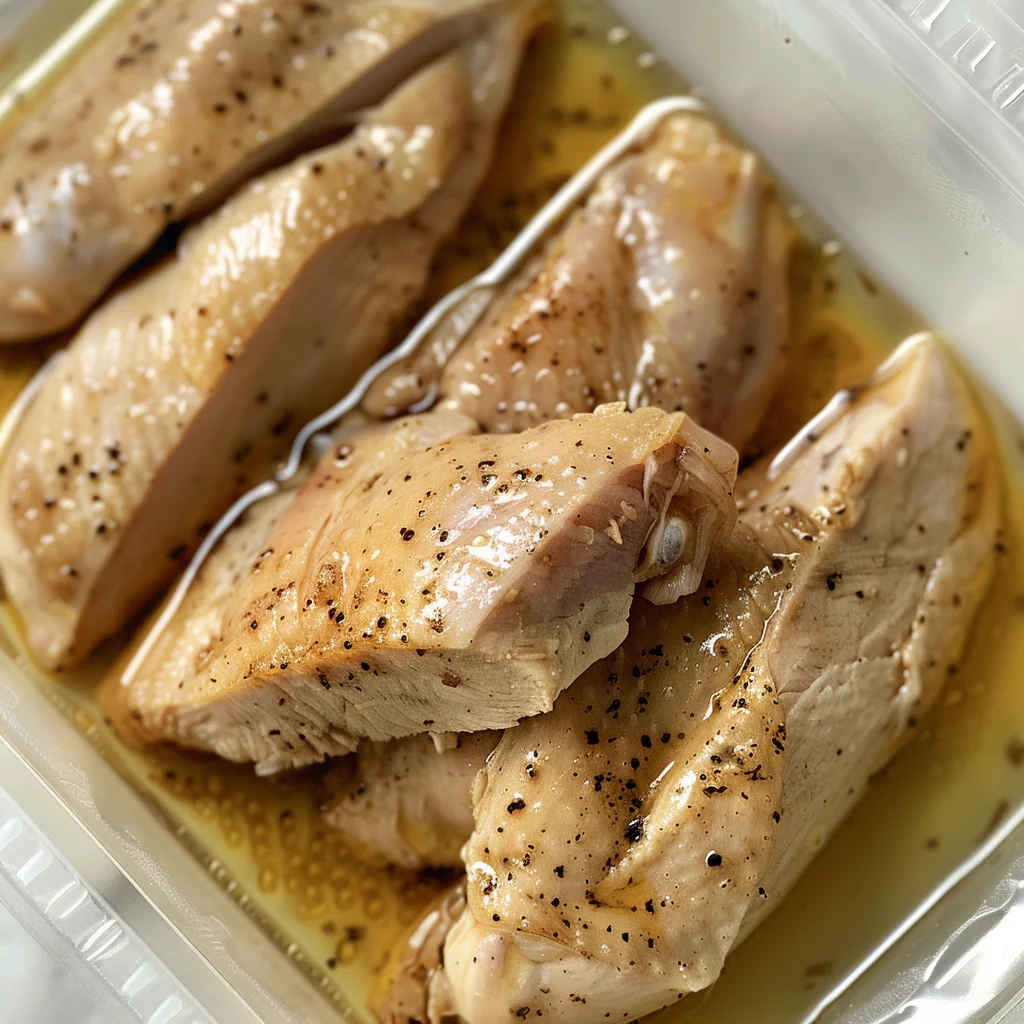
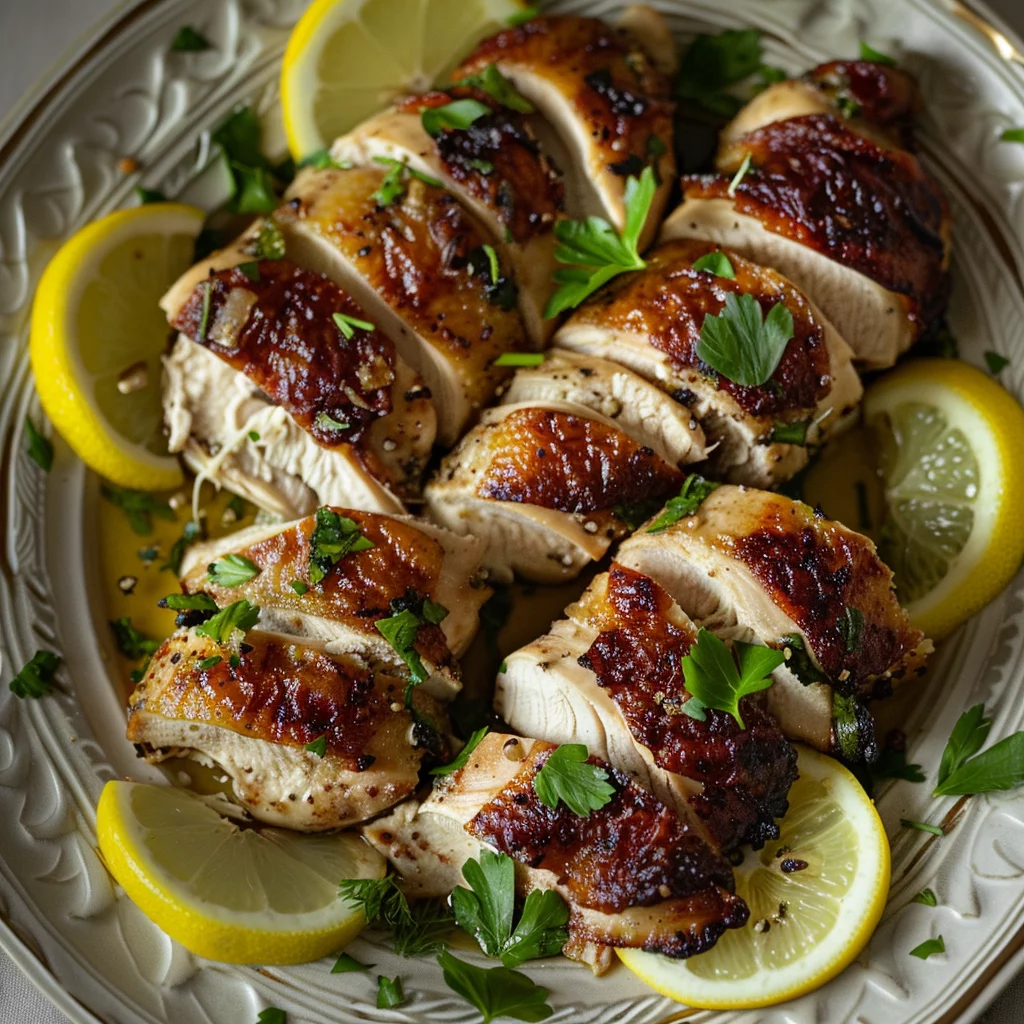
| Chicken breast (boneless) | 140–150°F (60–66°C) | 1.5–4 hours | Juicy, tender, sliceable |
| Frozen chicken breast | 145–150°F (63–66°C) | 2.5–4.5 hours | Same as fresh, add about 1 hour |
| Chicken thighs | 150°F / 165°F (66°C / 74°C) | 1.5–4 hours | Juicy slices / tender, shreddable |
| Chicken wings | 165–170°F (74–77°C) | 2–4 hours | Tender, ready to crisp |
| Spatchcocked chicken | 150°F (66°C) | 3–6 hours | Juicy breast and legs |
| Turkey breast | 140–145°F (60–63°C) | 2.5–4 hours | Moist, holiday-ready |
| Duck breast | 131–135°F (55–57°C) | 1.5–3 hours | Rosy, crisp skin after searing |
| Duck confit (legs) | 167°F (75°C) | 12–20 hours | Silky, falls off the bone |
Sous Vide Lamb Chart
| Cut | Temperature | Time | Result |
|---|---|---|---|
| Lamb chops / rack of lamb | 131–135°F (55–57°C) | 1–4 hours | Medium-rare |
| Leg of lamb (boneless) | 131–135°F (55–57°C) | 8–24 hours | Rosy, very tender |
| Lamb shank | 150°F (66°C) | 24–48 hours | Fork-tender |
Sous Vide Fish and Seafood Chart
Fish cooks fast and gets mushy if it sits too long, so these are the one place I set a timer and stick to it. For the lowest temperatures, use very fresh or previously frozen fish and serve it right away.
| Seafood | Temperature | Time | Result |
|---|---|---|---|
| Salmon | 115–125°F (46–52°C) | 30–60 minutes | Silky to just flaky |
| Cod / black cod | 130–132°F (54–56°C) | 30–60 minutes | Tender, flaky |
| Halibut | 130°F (54°C) | 30–45 minutes | Moist, delicate |
| Shrimp | 135–140°F (57–60°C) | 20–35 minutes | Snappy, never rubbery |
| Lobster tails | 130–140°F (54–60°C) | 15–60 minutes | Sweet, tender |
Sous Vide Eggs Chart
| Eggs | Temperature | Time | Result |
|---|---|---|---|
| Egg bites | 170°F (77°C) | 55–60 minutes | Velvety, café-style |
| Poached-style eggs | 167°F (75°C) | 13 minutes | Set white, runny yolk |
| Jammy eggs in shell | 145°F (63°C) | 45–60 minutes | Custardy yolk and white |
Sous Vide Vegetables and Desserts Chart
Vegetables need a hotter bath, 183°F (84°C), because that’s the point where the starches and fibers soften. Desserts like custards and cheesecakes cook in sealed jars.
| Food | Temperature | Time | Result |
|---|---|---|---|
| Carrots | 183°F (84°C) | 1–1.5 hours | Tender, sweet |
| Potatoes | 183–190°F (84–88°C) | 1–1.5 hours | Creamy inside |
| Asparagus | 183°F (84°C) | 10–15 minutes | Bright green, crisp-tender |
| Green beans | 183°F (84°C) | 30–45 minutes | Crisp-tender |
| Brussels sprouts | 183°F (84°C) | 45–60 minutes | Tender, ready to roast |
| Corn on the cob | 183°F (84°C) | 30 minutes | Sweet, buttery |
| Crème brûlée | 180°F (82°C) | 1 hour | Silky custard |
| Cheesecake jars | 176°F (80°C) | 1.5 hours | Creamy, no cracks |
| Dulce de leche | 185°F (85°C) | 12 hours | Thick, caramel-brown |
How To Sous Vide 101
How to Use This Sous Vide Chart
- Pick the temperature for the result you want. For steak that’s your doneness. For chicken, 140°F is the most tender and 150°F tastes the most “classic.”
- Check the thickness. A 1-inch steak or chicken breast needs about an hour to heat through; every extra half inch adds roughly 30–45 minutes.
- Cooking from frozen? Keep the same temperature and add about 1 hour, or roughly 50% more time for thick cuts.
- Finish fast and hot. Pat the food dry and sear it for 45–60 seconds per side in a smoking-hot pan, on a grill, or under the broiler.
Sous Vide Food Safety Basics
Food safety comes from both temperature and time. A chicken breast held at 145°F long enough is just as safe as one flashed to 165°F, which is why the minimum times in this chart matter. A few rules I always follow:
- Don’t cook anything below 130°F (54°C) for more than about 3 hours. Fish is the exception because its times are short.
- If you’re cooking for pregnant women, young children, older adults or anyone with a weak immune system, choose the higher end of each range.
- Serve right away, or chill the sealed bag in ice water and refrigerate it for up to 5 days.
- Use bags made for cooking and press out all the air so the bag stays under the water.
Sous Vide Time and Temperature FAQ
What is the best temperature for sous vide steak?
For most people, 130°F (54°C) is the sweet spot. It gives a classic medium-rare steak that’s pink and juicy from edge to edge. Fattier cuts like ribeye are even better at 132–134°F, because the extra heat softens the marbling. My full sous vide steak guide covers every cut.
How long can you leave food in a sous vide?
Each row lists a minimum and a maximum. Below the minimum, the food may not be fully heated or pasteurized. Past the maximum, tender cuts and fish start to turn soft. Tough cuts like brisket and short ribs are made to go long, so 24–72 hours is normal for them.
Is it safe to sous vide chicken at 145°F?
Yes, as long as it stays in the bath for the full time. At 145°F (63°C), a 1-inch chicken breast is pasteurized after about 1.5 hours, which gives the same safety as cooking it to 165°F. Get the details in my sous vide chicken breast recipe.
Do sous vide times change for frozen food?
Only the time changes. Keep the same temperature and add about an hour for steaks and chicken breasts. Big roasts can take 50% longer. It’s one of my favorite weeknight shortcuts, and it works beautifully for frozen chicken breast and frozen steak.
Why are vegetables cooked so much hotter than meat?
Meat gets tender at lower temperatures, but the pectin that holds vegetables firm only breaks down at around 183°F (84°C). Below that, carrots and potatoes stay crunchy no matter how long they cook.