
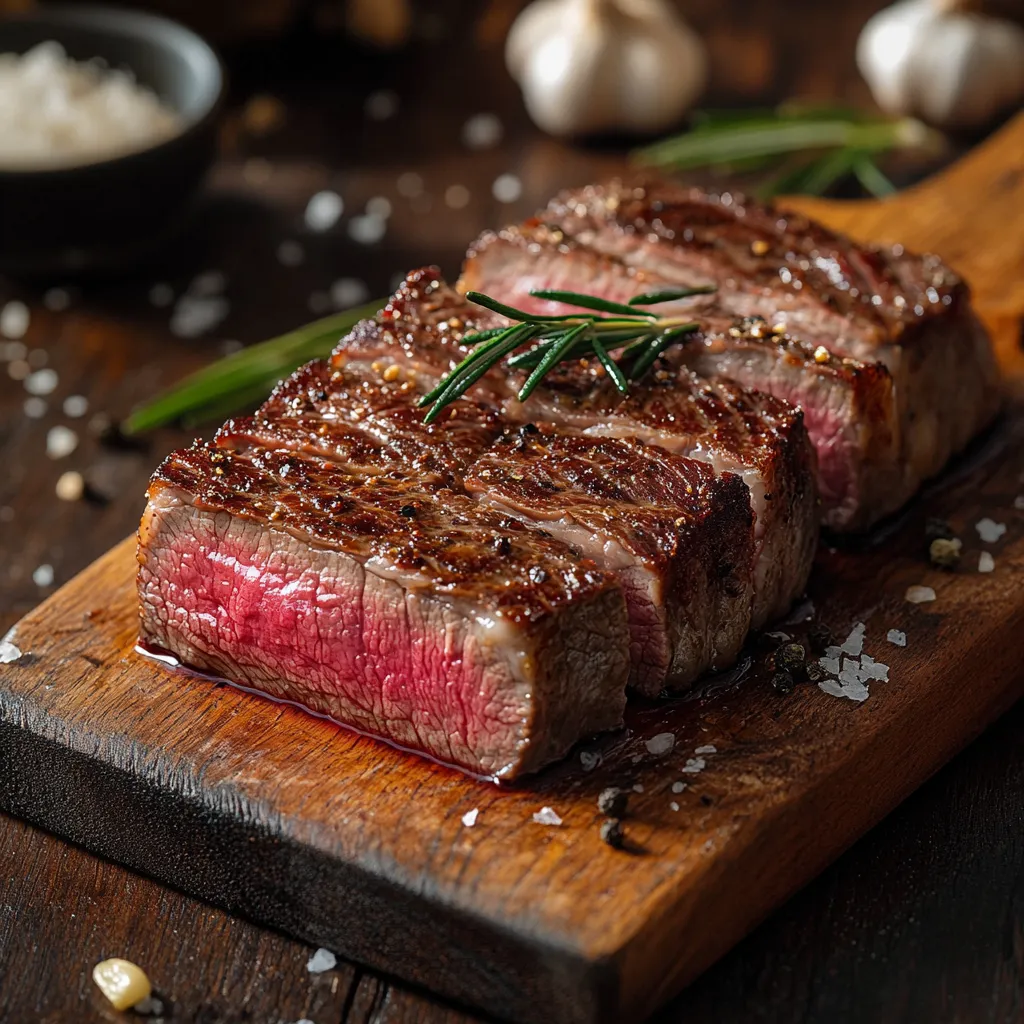
➤ Table of Contents
The first time I made sous vide strip steak, I knew I was hooked. You see, growing up in sunny Florida, grilling steak was our weekend tradition. I remember the sizzle of steak hitting the hot grill, the smoky aroma wafting through the backyard, and the excited chatter of family gathered around. It was one of those simple pleasures that brought us all together. But even with practice, steaks often turned out a little too done or not quite juicy enough—especially if you got distracted for even a minute. I can’t tell you how many times I pulled a steak off the grill only to find it more gray than pink inside.
That all changed the day I dropped a strip steak into my sous vide bath. The first bite was a revelation: perfectly pink from edge to edge, buttery tender, and so juicy it practically melted on my tongue. I still remember that moment—I actually gasped. The precision of sous vide strip steak blew me away. No more stress over timing. No more guessing if it was medium-rare or, oops, medium-well. And the flavor? That rich, beefy taste we all crave came through in every bite.
What surprised me even more was how approachable the method is. You season the steak, seal it, set the temp (I love 131°F for medium-rare), and let the water bath do the work. It’s completely hands-off, which gives you time to prep your sides or enjoy a glass of wine. Honestly, this is one of the easiest recipes on my site, right alongside my zero-stress sous vide steak. It’s also incredibly forgiving—you can leave the steak in the bath a little longer if needed, and it still turns out fantastic.
Now, I make sous vide strip steak for all kinds of occasions. It’s my go-to for date night at home, a crowd-pleaser for casual dinner parties, and the perfect reward after a long workweek. There’s something special about taking an everyday cut of beef and turning it into something truly restaurant-worthy with such little effort. You don’t need a fancy grill or years of culinary training—just a little patience and the magic of sous vide.
If you’ve never tried sous vide strip steak before, trust me: you’re in for a treat. Whether you’re new to sous vide or a seasoned pro, this method guarantees steakhouse-quality results every single time. Let’s dive in and get cooking!
PrintSous Vide Strip Steak
Perfectly juicy and tender sous vide strip steak with a crispy seared crust, garlic butter, and rosemary. Foolproof steakhouse-quality at home.
- Prep Time: 10 minutes
- Cook Time: 90 minutes
- Total Time: 100 minutes
- Yield: 4 servings 1x
- Category: Dinner
- Method: Sous Vide
- Cuisine: American
Ingredients
4 (12-ounce) Certified Angus Beef ® strip steaks
2 teaspoons kosher salt
1 teaspoon fresh cracked black pepper
2 sprigs rosemary, about 4-inches long
2 cloves garlic, peeled and smashed
1 tablespoon canola oil
1 tablespoon butter
Instructions
1. Setup immersion circulator according to manufacturer’s instructions to accommodate 4 steaks; preheat water to 131° F (55° C).
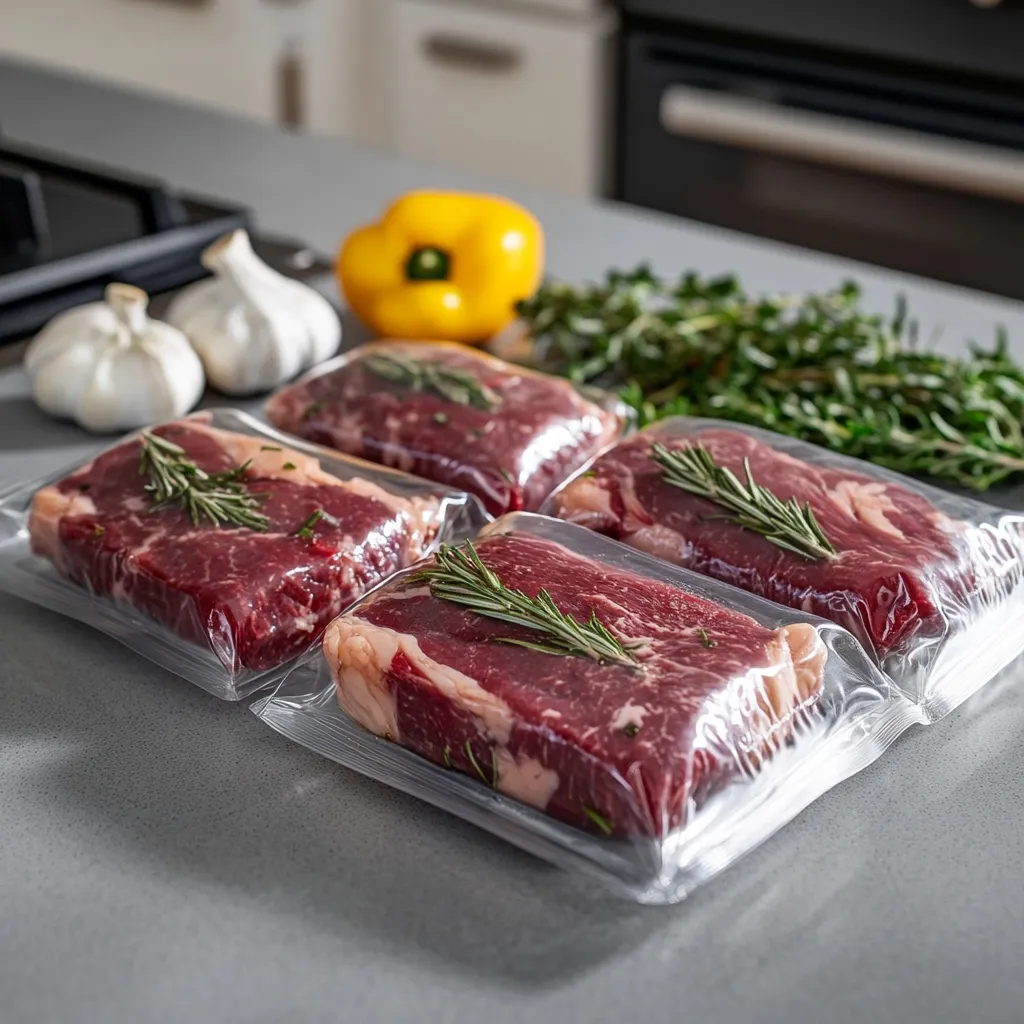
2. Season strip steaks evenly with salt and pepper. Align steaks in vacuum seal bag with a sprig of rosemary centered on each side; seal bag(s).
3. Circulate steaks in water bath for 90 minutes. Remove from vacuum bag and pat dry with paper towels, reserving rosemary.
4. Heat cast iron skillet on stovetop over medium-high heat. Add oil and sear steaks on the fat edge for 1 minute, lay on one side and sear 1-2 minutes (or until steak develops a crusty sear).
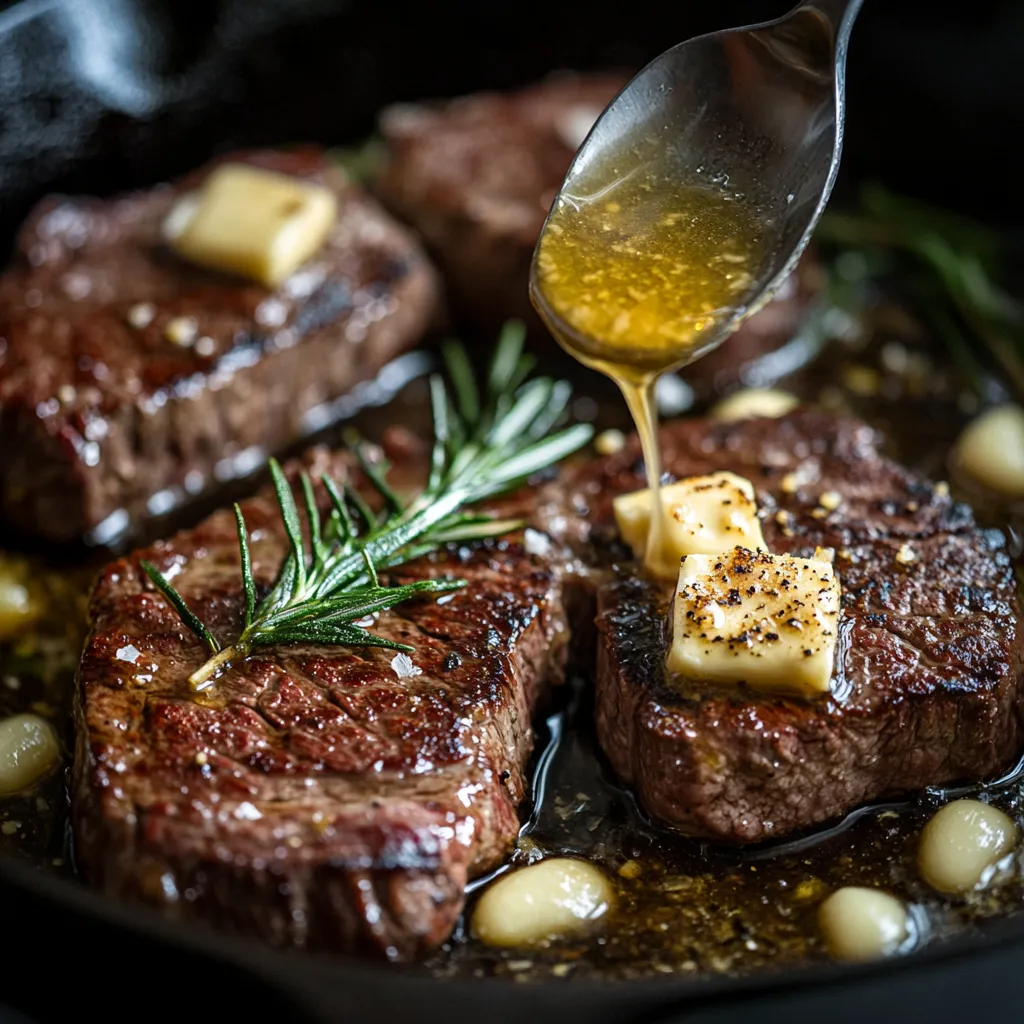
5. Add butter, garlic and rosemary to pan and flip steaks. Using a spoon, continually baste steaks with melted butter, garlic and herb, searing another 1-2 minutes.
6. Remove from heat and rest steaks at least 5 minutes before slicing.
7. Serve topped with melted butter, garlic and crispy rosemary.
Notes
Sous vide strip steak pairs beautifully with roasted potatoes or sautéed greens. Try experimenting with compound butters or flavored salts.
Nutrition
- Serving Size: 6 oz
- Calories: 550
- Sugar: 0g
- Sodium: 800mg
- Fat: 35g
- Saturated Fat: 15g
- Unsaturated Fat: 17g
- Trans Fat: 0g
- Carbohydrates: 0g
- Fiber: 0g
- Protein: 48g
- Cholesterol: 120mg
Selecting the best strip steak for sous vide
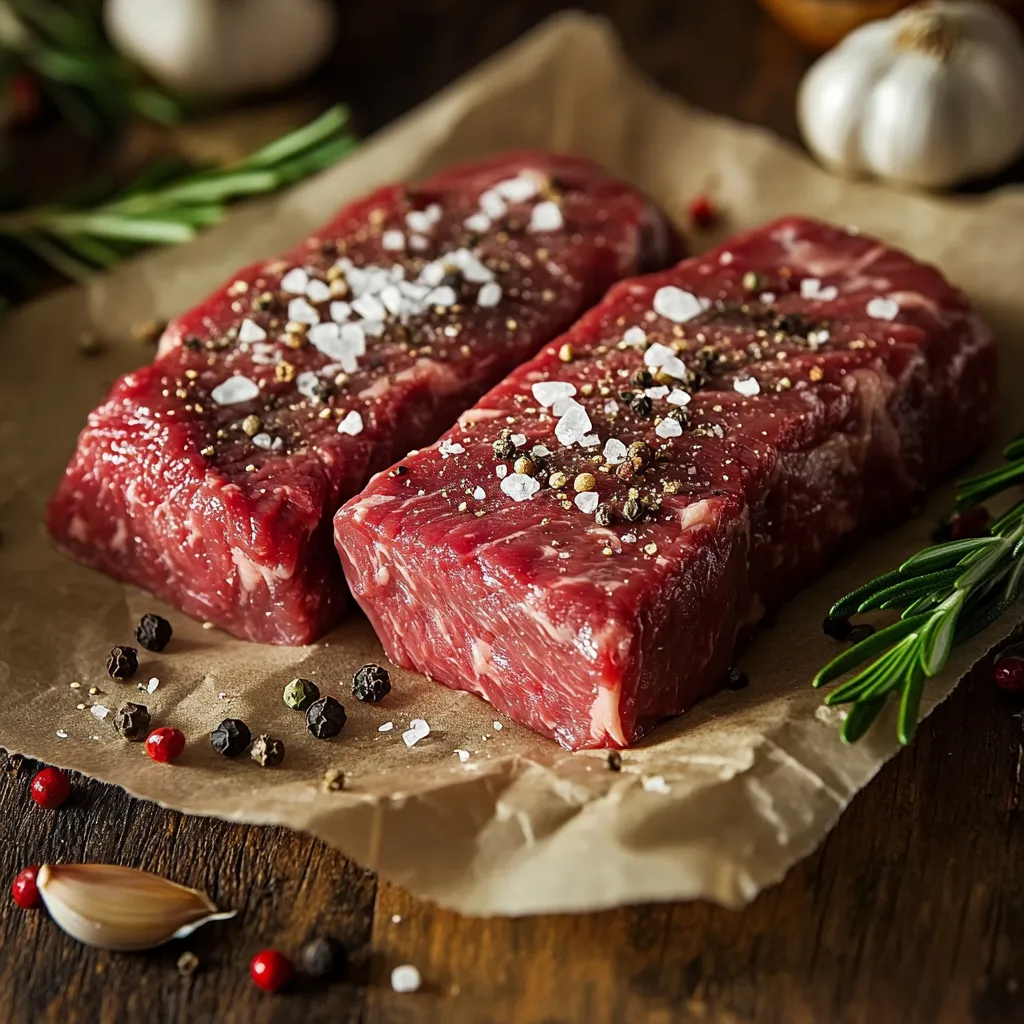
When it comes to sous vide strip steak, choosing the right cut makes all the difference. I recommend starting with a well-marbled Certified Angus Beef ® strip steak, about 1 to 1.5 inches thick. The marbling (those little white streaks of fat) is the secret to juicy, flavorful steak—it slowly renders during cooking and keeps the meat incredibly tender. You’ll notice a huge difference in both taste and texture when you start with a quality cut.
When shopping at your butcher or local market, you might see this steak called by a few names: New York strip, Kansas City strip, strip steak, or striploin. They all refer to the same primal cut from the short loin of the cow. It’s a naturally lean yet tender steak with just the right amount of fat cap on one side. That makes it ideal for sous vide, which excels at preserving moisture and highlighting the beef’s natural flavors.
One of the things I love most about sous vide cooking is its flexibility. Life gets busy—and sometimes I forget to defrost dinner. Thankfully, you can absolutely cook frozen steak sous vide with excellent results (check out my guide to cooking frozen steak sous vide). Simply add about an extra hour to your usual cooking time, and you’ll still end up with a steak that’s evenly cooked and deliciously tender. No need to thaw in advance.
For the best experience, aim for steaks that are fairly uniform in thickness so they cook evenly in the water bath. If you’re planning for guests or a special dinner, don’t hesitate to ask your butcher to trim and portion steaks for you. The small effort up front pays off in spades once you cut into that perfectly pink sous vide strip steak. Trust me—you’ll be glad you did.
Prepping and seasoning: simple steps for maximum flavor
Prepping sous vide strip steak couldn’t be easier—and that’s one of the biggest reasons I love this method. With traditional grilling or pan-searing, you often need to rely on marinades, brines, or complex prep to keep the meat juicy. But when you cook sous vide strip steak, the gentle water bath locks in every drop of natural moisture and amplifies the beefy flavor with very little effort.
I always start by seasoning sous vide strip steak generously with kosher salt and fresh cracked black pepper. Salt helps the meat retain moisture and brings out its natural richness, while pepper adds a nice subtle heat. That simple combination alone delivers incredible results. But if you want to layer in extra aroma, I love to tuck a sprig of rosemary and a couple of smashed garlic cloves alongside each steak in the bag. The result? A beautifully seasoned sous vide strip steak with the kind of depth you’d expect from a high-end steakhouse.
You don’t need fancy marinades or complicated spice rubs—one of the joys of cooking sous vide strip steak is letting the beef shine on its own. If you love herb butters, try pairing this recipe with my sous vide steak with garlic herb butter. It’s a perfect match.
When it comes to sealing, both a vacuum sealer and the zip-top freezer bag method work beautifully for sous vide strip steak. If using a zip bag, use the water displacement method to push out as much air as possible. This ensures even cooking and prevents any floating. Always arrange the steak flat in the bag to promote uniform doneness—no curled edges or uneven patches.
Once sealed, your sous vide strip steak is ready for the water bath. Simply lower it into your preheated circulator and let the magic happen. The precision of sous vide guarantees your steak will turn out tender, juicy, and perfectly cooked from edge to edge.
Just like that, you’re on your way to the juiciest, most flavorful sous vide strip steak you’ve ever tasted. In the next step, I’ll show you exactly how long to cook your sous vide strip steak and how to master that crave-worthy sear that takes it over the top.
Cooking Sous Vide Strip Steak Perfectly Every Time
Ideal time and temperature for sous vide strip steak
The beauty of sous vide strip steak is how effortlessly you can dial in the doneness. Unlike grilling or pan-searing, where timing can be tricky, sous vide strip steak gives you total control over the final result. Want that perfect medium-rare with rich flavor and melt-in-your-mouth texture? Just set the temperature and walk away.
For medium-rare sous vide strip steak, which highlights the natural richness of the beef, I set my sous vide bath to 131°F (55°C). This is the sweet spot that gives you steak that’s tender, juicy, and vibrantly pink from edge to edge—just like you’ll find in my sous vide New York strip steak. If you prefer your steak a touch more done, 133°F to 135°F will give you medium. Want it even rarer? Go for 128°F. The beauty of sous vide is that these temps are exact and repeatable.
As for timing, 90 minutes is ideal for a 1 to 1.5-inch thick sous vide strip steak. You can safely leave it in the bath for up to 2 hours without any risk of overcooking. And if you’re wondering—no, 4 hours is not too long if you’re looking for an even more tender bite. In fact, longer cooks can slightly break down connective tissue, giving you a steak that’s extra luxurious in texture. (I’ll cover more of that in the FAQs below.)
If you’re new to sous vide, you’ll quickly appreciate how forgiving this method is. No more worrying about flipping, hot spots on the grill, or hitting that elusive perfect temperature. Once your time and temp are set, you can relax while the sous vide works its magic. That’s why so many home cooks (myself included) love it. The consistency you get with sous vide strip steak is unmatched—much like what I achieve with my popular sous vide London broil.
Whether it’s your first sous vide strip steak or your fiftieth, you can count on perfect results every time. Ready to learn how to finish your steak with that crave-worthy crust? Let’s move on!
Should you sear before or after sous vide?
Always sear after sous vide—it’s one of the key steps that takes your sous vide strip steak from good to great. The goal of this quick sear is to build that irresistible crust while keeping the interior perfectly cooked. Since sous vide strip steak already comes out juicy and evenly pink, you don’t want to overdo the sear and risk drying it out.
Once your sous vide strip steak is done in the water bath, pat it dry thoroughly with paper towels. This is crucial. Moisture is the enemy of a good sear—if the surface is damp, the steak will steam instead of brown. I usually let it rest on paper towels for a minute while my pan heats up.
When it’s time to sear, reach for a ripping-hot cast iron skillet. Cast iron holds heat beautifully and helps develop that gorgeous crust that makes sous vide strip steak so crave-worthy. Add a splash of high smoke point oil—canola, avocado, or grapeseed oil work perfectly—and let the pan get shimmering hot.
Sear your sous vide strip steak for 1 to 2 minutes per side. This short time is all you need to create deep caramelization and lock in flavor. For an even more luxurious touch, I like to toss in butter, smashed garlic, and fresh rosemary during the last minute of searing—just like I do in my sous vide steak with cowboy butter. As the butter melts and foams, use a spoon to baste the steak with those rich, sizzling juices.
This quick finishing step transforms your sous vide strip steak into something truly special. The contrast between the tender, perfectly cooked interior and the crispy, flavorful crust is what makes this dish shine. Trust me—it’s worth the extra minute. And once you taste it, you’ll never skip the sear again!
Serving & Troubleshooting Sous Vide Strip Steak
Pairing and plating ideas for your sous vide strip steak
After resting your beautifully seared sous vide strip steak for 5 minutes, it’s time to plate. I love slicing the steak against the grain and drizzling it with the buttery pan juices. You can also top it with garlic herb butter for an extra layer of richness.
For sides, keep it classic. Think roasted potatoes, sautéed greens, or a crisp salad. This method works so well with other steak favorites like sous vide sirloin or even a bold tri-tip. Pair with a full-bodied red wine, and you’ve got a restaurant-worthy meal at home.
Common mistakes to avoid for perfect steak
Even with sous vide, a couple of small missteps can affect your results. Here’s what to watch for:
- Skipping the dry step—Pat the steak bone-dry before searing to avoid steaming instead of browning.
- Underheating your pan—A ripping-hot skillet is key for that gorgeous crust. Don’t rush this part!
- Searing too long—Keep sear time short (1-2 minutes per side) to preserve the perfect interior.
- Skipping the rest—Let the steak rest 5 minutes before slicing to keep juices where they belong.
And if you ever worry about overcooking, remember: sous vide steak is forgiving. You can’t really ruin it with an extra few minutes, which is why recipes like my zero-stress sous vide steak are so popular.
Master these tips and you’ll be serving sous vide strip steak that rivals any steakhouse—every time.
Conclusion
Cooking sous vide strip steak truly takes the guesswork out of steak night. With a simple setup and just a few key tips, you’ll enjoy a steak that’s tender, juicy, and perfectly cooked every time. From choosing a beautiful strip steak to sealing in flavor and mastering the post-sous vide sear, this method gives you steakhouse results right in your own kitchen.
Whether you’re new to sous vide or expanding your skills from favorites like medium-rare sous vide striploin or sous vide steak sirloin, this guide has everything you need to make your next steak unforgettable.
Join us on Facebook and Pinterest for even more delicious recipe ideas!
FAQs
How long do you sous vide a strip steak?
For a 1 to 1.5-inch thick strip steak, 90 minutes is ideal. You can extend the cook up to 2 or even 4 hours for a more tender result, but 90 minutes gives you that perfect balance of juicy texture.
How to prepare steak for sous vide?
Season the steak simply with kosher salt and cracked pepper. Optionally add rosemary and garlic. Seal in a vacuum bag or freezer zip bag using the water displacement method. Lay flat in the sous vide bath.
Is striploin good for sous vide?
Absolutely! Striploin (or New York strip) is one of the best cuts for sous vide. Its natural marbling and firm texture respond beautifully to sous vide, resulting in a tender, flavorful steak.
What seasonings are best for sous vide steak?
Keep it simple—kosher salt, pepper, fresh herbs like rosemary or thyme, and garlic. The sous vide process highlights the beefy flavor, so you don’t need heavy marinades.
What is a disadvantage of sous vide?
The main downside is time—you’ll need 90 minutes to a few hours, compared to faster pan-cooking. You’ll also need to finish with a quick sear for that browned crust.
Is 4 hours too long to sous vide a steak?
Not at all. Cooking up to 4 hours won’t harm the texture; it can actually make the steak a little more tender. Sous vide is very forgiving!
Do you sear steak after sous vide?
Yes. A quick, high-heat sear in a hot pan adds flavor and a beautiful crust. Always pat the steak dry first to ensure a great sear.