
➤ Table of Contents
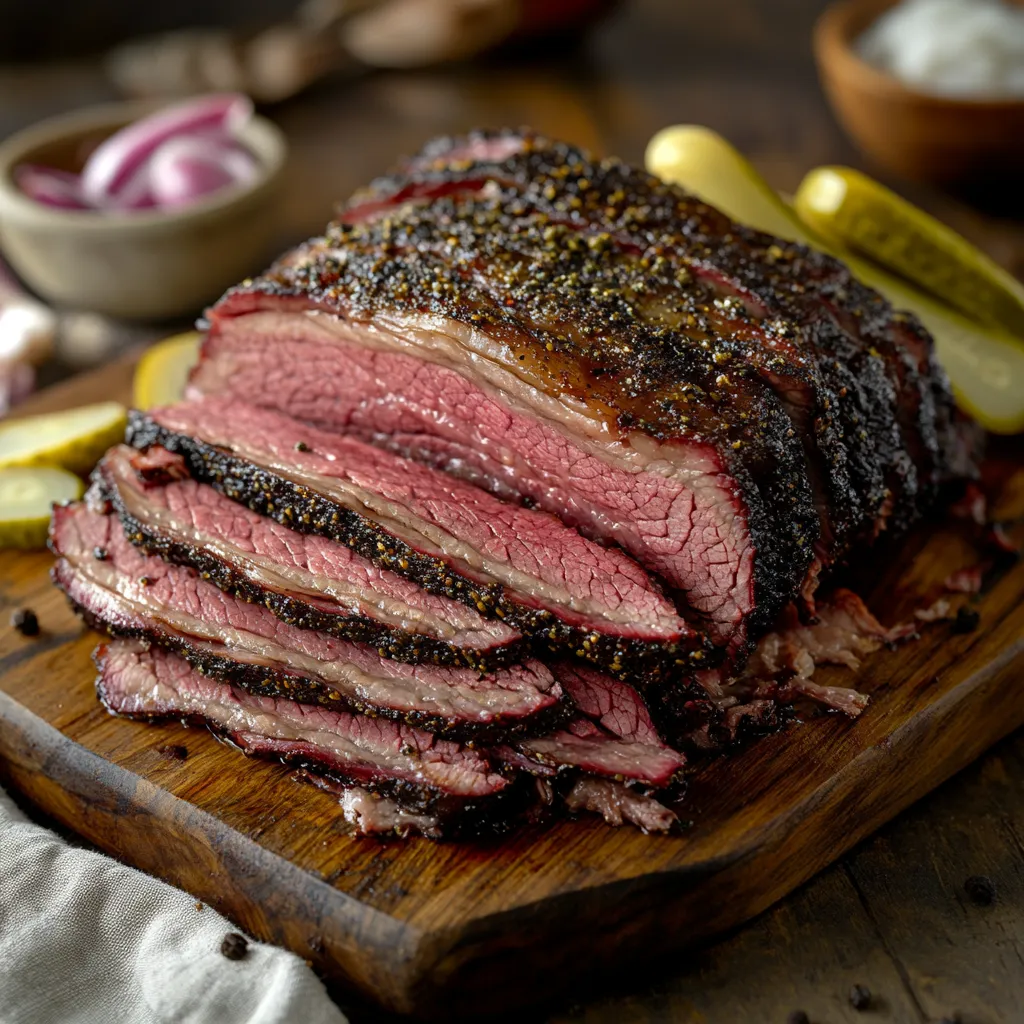
Brisket was one of those cuts I avoided for years. Growing up in Florida, we grilled a lot—beach barbecues, cookouts with friends, tailgates. But brisket? It always felt intimidating. Dry, stringy, hard to get right. Then came my sous vide machine—and everything changed. The first time I made sous vide brisket, I was stunned. It wasn’t just good—it was life-altering. I finally got that perfect, pull-apart texture with deep smoky flavor, and I didn’t have to babysit a smoker for 12 hours.
Now, sous vide brisket is a staple in my kitchen, especially when we have friends over. The slow, steady cook gives you a forgiving window so you’re not tied to the oven timer. And best of all? You get consistent results every time. No dried-out ends. No guessing if it’s done. Just that rich, peppery bark and buttery interior we all dream of.
Whether you’re curious about the ideal brisket temperature or wondering how long it really takes, this guide will walk you through every smoky, savory detail. And if you’re just dipping your toes into the sous vide world, trust me—this brisket is the perfect place to start.
PrintSous Vide Brisket: 5 Expert Tips for Juicy, Tender Perfection
A smoky, fall-apart sous vide brisket slow-cooked to perfection, then finished with a flavorful bark on the grill or in the oven. Ideal for sandwiches, BBQ plates, or classic Texas-style slices.
- Prep Time: 15 minutes
- Cook Time: 36 to 72 hours
- Total Time: 36 to 72 hours
- Yield: 8 servings 1x
- Category: Dinner
- Method: Sous Vide
- Cuisine: American
Ingredients
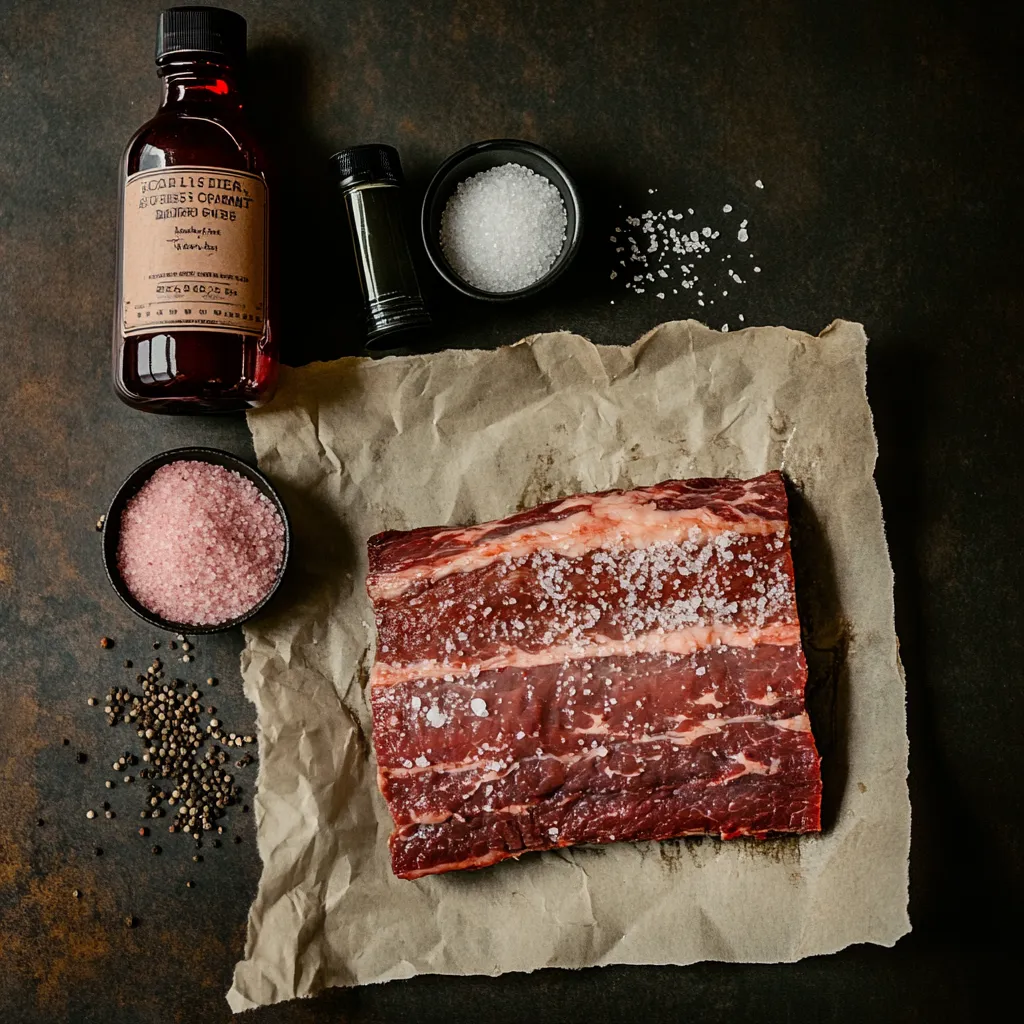
2 ounces coarsely ground black peppercorns (about 1/3 cup; 55 g)
2 1/4 ounces kosher salt (about 1/4 cup; 65 g)
1/4 ounce (10 g) pink salt, such as Prague Powder Curing Salt (optional)
1 flat-cut or point-cut brisket, about 5 pounds (2.25 kg)
1/4 teaspoon liquid smoke, such as Wright’s Liquid Smoke (optional)
Dill pickles, sliced yellow onion, and white bread, for serving
Instructions
1. Combine pepper, salt, and pink salt (if using). Rub two-thirds over brisket. Reserve remaining.
2. Slice brisket in half to fit vacuum bags. Add 4 drops liquid smoke to each bag (optional).
3. Seal bags and refrigerate for 2 to 3 hours.
4. Set sous vide to 135°F (for steak-like texture) or 155°F (for pull-apart texture).
5. Sous vide brisket for 36 to 72 hours at 135°F or 24 to 36 hours at 155°F.
6. Cool brisket to room temp or use ice bath. Optional: refrigerate up to 1 week before finishing.
7. To grill: Preheat charcoal or gas grill. Add wood chunks for smoke. Grill brisket over indirect heat, fat side up, for 3 hours.
8. To oven finish: Preheat to 300°F (or 275°F convection). Roast brisket on wire rack for 2 hours.
9. Let brisket rest for 30 minutes until 145–165°F before slicing.
10. Slice thinly against the grain and serve with pickles, onions, and white bread.
Notes
For bold smoke flavor without a grill, use a few drops of liquid smoke in the bag.
Avoid trimming too much fat; it helps keep the brisket moist during long cooking.
Save the sous vide bag juices to enhance barbecue sauce or drizzle over sliced brisket.
Nutrition
- Serving Size: 6 oz
- Calories: 420
- Sugar: 0g
- Sodium: 850mg
- Fat: 28g
- Saturated Fat: 12g
- Unsaturated Fat: 15g
- Trans Fat: 0g
- Carbohydrates: 1g
- Fiber: 0g
- Protein: 38g
- Cholesterol: 120mg
Choosing and Preparing the Perfect Cut of Brisket
Flat-Cut vs. Point-Cut: What’s Best for Sous Vide?
When it comes to sous vide brisket, not all cuts are created equal. Flat-cut brisket is leaner and slices beautifully, while point-cut has more fat and marbling, making it ideal for shredding or that melt-in-your-mouth bite. Either works, but if you’re after a “smoky BBQ slice” kind of experience, flat-cut is your friend.
For sous vide, the beauty is you’re not fighting the clock. That means even tougher cuts become luscious over time. A 5-pound brisket fits most vacuum bags when cut in half, which makes prep easier and helps the seasoning penetrate more evenly.
The Secret Dry Rub That Makes It Shine
Brisket needs bold seasoning to stand up to long cooking and smoky finishes. The classic combo is coarsely ground black pepper and kosher salt—simple but powerful. Add a touch of pink curing salt if you want that Texas smokehouse pink ring (totally optional), and a few drops of liquid smoke if you’re finishing in the oven.
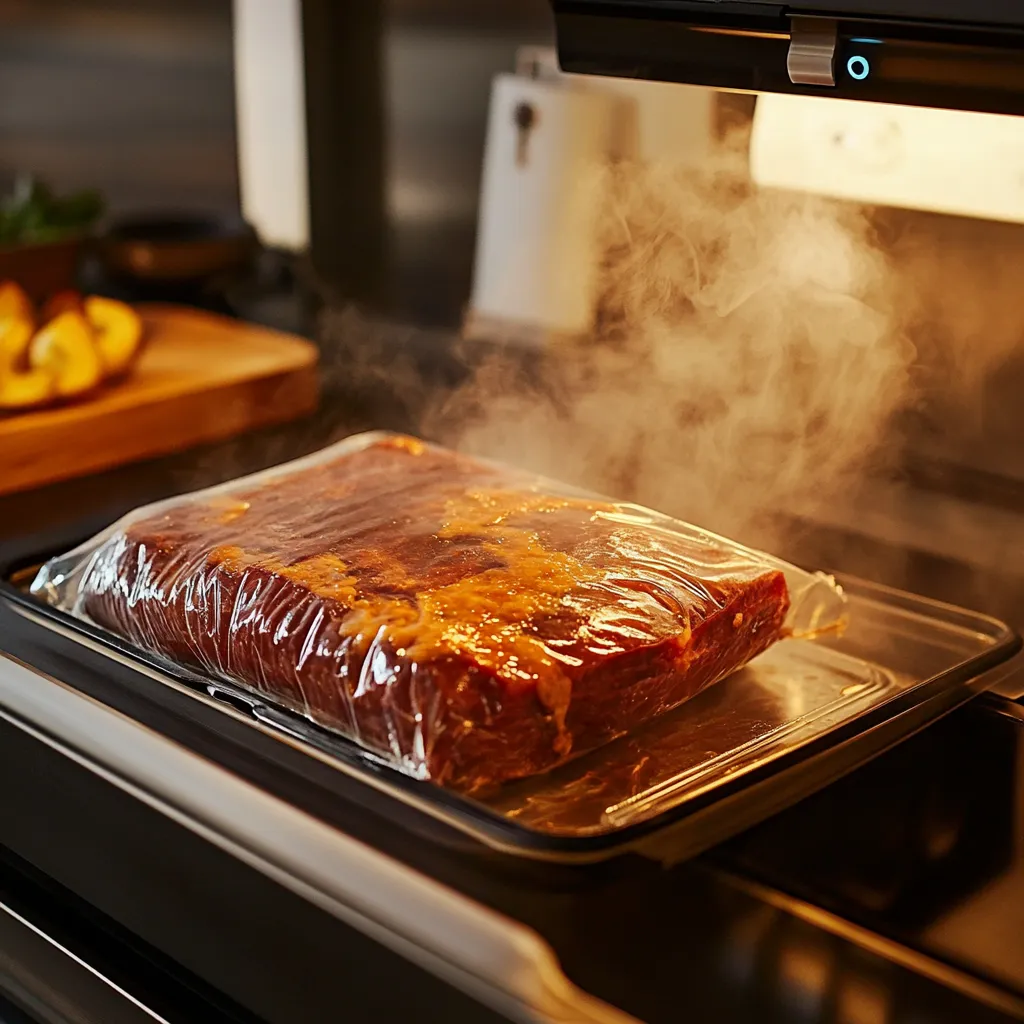
Rub two-thirds of your spice mix over the meat, then seal it up using vacuum bags. For best results, let it sit in the fridge for 2–3 hours before hitting the water bath. This resting period locks in the flavor and gives you a great start before the long cook begins.
You can see this approach used in similar beef recipes like our Sous Vide Roast Beef or for more marbled cuts like Beef Sirloin Tip Roast Sous Vide.
Cooking Time & Temperature: Getting That Perfect Texture
The Two Golden Zones for Brisket
Sous vide brisket shines because it gives you two very different—but equally amazing—outcomes depending on the temp you choose:
| Temperature | Time Range | Result |
|---|---|---|
| 135°F (57°C) | 36–72 hours | Steak-like, sliceable |
| 155°F (68°C) | 24–36 hours | Fall-apart, traditional BBQ style |
Both are delicious. But if you’re craving that fork-tender, saucy brisket, 155°F is the sweet spot. Want it more like a thick-cut steak that holds together on the plate? Go with 135°F.
Once you choose, set your precision cooker and drop your vacuum-sealed brisket into the bath. Cover the top with foil, a lid, or even ping pong balls (yes, really!) to prevent evaporation during the long cook.
Check out similar time strategies used for other tough cuts, like our How to Sous Vide Beef Stew Meat for more guidance.
Is Longer Always Better?
It’s true that sous vide gives you wiggle room, but yes—you can cook brisket too long. After the 72-hour mark, meat starts to break down into mushy territory. Stick to the recommended time range and your brisket will be juicy, not grainy.
Also, don’t forget to rest. Letting the brisket cool before finishing—either in the fridge or an ice bath—helps the surface firm up for that gorgeous bark you’ll develop later on the grill or in the oven.
Finishing Techniques: Grill or Oven?
Getting That Classic Bark on the Grill
Once your sous vide brisket is cooked to perfection, it’s time for the finishing move: developing that irresistible bark. If you’re a BBQ lover, grilling is where the magic happens. After pulling your brisket from the bag, save the juices—they’re liquid gold. You can simmer them into a sauce later.
Pat the brisket dry with paper towels—this is key to avoiding steam and getting that crisp exterior. Then, rub on the reserved salt and pepper mix to re-season the surface.
To set up your grill, light half a chimney of charcoal and arrange the coals on one side. This creates a hot and cool zone, so you can control heat. Add wood chunks—hickory, oak, or mesquite—to the coals for rich smoke. Place the brisket fat-side up on the cooler side of the grill, cover, and let it smoke away for about 3 hours. You’re aiming for a surface temperature between 275–300°F.
During this time, add a couple more wood chunks every 45–60 minutes to keep the smoke rolling. The result? A deep, dark bark that looks like it came out of a Texas pit—even though it started in a sous vide bath.
You can also finish brisket this way even if it’s been chilled for a few days. Just take it out of the fridge an hour ahead to take off the chill before grilling.
This bark-building method also complements what we do with other large cuts like 18hr Sous Vide Corned Beef or Best Sous Vide Temp for Prime Rib.
Oven Finish: Just as Delicious, a Little More Convenient
No grill? No problem. The oven version gets you that bark with a bit less mess. Preheat your oven to 300°F (or 275°F if you have convection). Set the brisket, fat side up, on a wire rack placed inside a rimmed baking sheet. Again, pat dry and apply the remaining seasoning.
Let it roast for about 2 hours, uncovered. You want a rich, mahogany-colored crust that smells like a smokehouse, even if you didn’t add any wood. A few drops of liquid smoke in the bag go a long way for this version.
The bark won’t be exactly like what you’d get over charcoal, but it will still be deeply flavorful, crisp, and satisfying. And for weeknights or rainy days, this version is a lifesaver.
Once the bark is set, remove the brisket and tent it loosely with foil. Let it rest for 30 minutes until it cools to around 145–165°F. This step allows juices to redistribute, ensuring your slices stay moist and juicy.
For more delicious beef ideas that don’t require a smoker, you might enjoy our Sous Vide Ground Beef Chili or this weeknight winner: Sous Vide Corned Beef Flat.
Serving, Slicing, and Storing Brisket
How to Slice Brisket Like a Pitmaster
You’ve cooked your sous vide brisket low and slow, developed that perfect bark, and rested it just right. Now comes the make-or-break moment: slicing your sous vide brisket. Trust me, how you slice your sous vide brisket matters just as much as how you season or cook it.
First, locate the grain—the direction in which the muscle fibers run. You want to slice against the grain, which shortens the fibers and gives you tender, easy-to-chew bites. This technique is especially important for sous vide brisket, where the grain can be long and tough if left whole.
Use a long, sharp slicing knife—not serrated—and make clean, confident strokes. Aim for 1/4-inch slices for flat-cut and a bit thicker for point-cut. If you’re serving both types of sous vide brisket, separate them before slicing, as each cut has a unique grain direction.
Need a visual? Think of how you’d slice a sirloin tip roast for sous vide—same rules apply when slicing sous vide brisket.
And don’t forget the juices. Warm up the bag liquid and pour it over your sliced sous vide brisket for added richness and depth. It’s like natural brisket gravy—and far too flavorful to waste.
Serving Suggestions That Keep It Classic
When I think brisket, I think simplicity. The brisket is the star, and everything else should complement it—not compete. For the perfect Texas-style platter, serve your sous vide brisket with:
- Sliced dill pickles
- Thinly shaved raw yellow onion
- Soft white bread (or buns if you’re going for sandwiches)
This humble trio adds crunch, acidity, and soak-up-the-juices ability. It also makes you feel like you’re eating at a roadside smoke shack—even if you’re just in your backyard.
You can also dress it up with sides like coleslaw, baked beans, or smoked mac and cheese. And if you’ve got leftovers, brisket makes incredible tacos, grilled cheese fillings, or even stir-fried rice.
Bonus: Want a deeper beefy option that’s not quite brisket? Check out our guide on Sous Vide Tri Tip Steak—it’s quick, meaty, and great for slicing, too.
Storing Brisket Without Losing That Tenderness
Once cooled, brisket keeps beautifully. In fact, many say it’s even better the next day. Here’s how to store it:
| Storage Method | How Long | Notes |
|---|---|---|
| Fridge (in vacuum bag) | Up to 7 days | Best flavor retention |
| Fridge (sliced, wrapped) | 3–4 days | Wrap tightly in foil or plastic |
| Freezer (vacuum sealed) | Up to 3 months | Reheat from bag at 135°F for 1 hour |
Reheating is easy: drop sealed slices in a sous vide bath until warmed through. If you’re in a rush, a low oven or covered skillet with a splash of broth also works—but sous vide will keep it juicy.
Troubleshooting & Pro Tips for Sous Vide Brisket
Common Mistakes That Can Ruin Your Brisket
Even with sous vide, a few missteps can leave you with less-than-perfect results. Here are the big ones to avoid:
1. Not drying the brisket before finishing
Skipping this step keeps the bark from forming. Moisture on the surface causes steaming instead of searing—so always pat it dry before grilling or roasting.
2. Going too short on cook time
You might be wondering, “Is 8 hours enough for brisket?” Not really. Brisket needs time for the collagen to break down. At 155°F, the minimum is 24 hours for anything resembling tenderness. For steak-like texture at 135°F, it’s at least 36. Don’t rush it.
3. Not letting it rest after searing
A proper rest—about 30 minutes—helps the brisket reabsorb its juices. Slice too soon, and those juices will just run off your cutting board.
4. Cooking it way too long
Yes, you can sous vide meat too long. After 72 hours, it starts to get mushy. Stick to the safe windows:
- 24–36 hours at 155°F
- 36–72 hours at 135°F
Stick with this, and you’ll never wonder “Can brisket be cooked in 3 hours?” again. (Spoiler: not if you want it tender.)
For inspiration on timing and texture comparisons, have a look at Flat Iron Steak Sous Vide Recipe or our Amazing Ribs Sous Vide Prime Rib post.

Conclusion
Sous vide brisket takes patience, but the payoff is huge. With sous vide brisket, you get total control, unmatched tenderness, and consistent results every single time—no smoker stress or timing guesswork required. Whether you’re finishing your sous vide brisket on the grill for that authentic smoky bark or using the oven for a simple weeknight dinner, the results are always impressive.
Once you master sous vide brisket, you’ll never worry about dry or chewy beef again. Fire up that water bath, season boldly with salt and pepper, and give your sous vide brisket the slow-cooked love it deserves. Juicy, flavorful, and fall-apart tender—this sous vide brisket will quickly become your signature dish.
Join us on Facebook and Pinterest for even more delicious recipe ideas!
FAQs
How long does it take to sous vide brisket?
At 155°F, plan on 24 to 36 hours. At 135°F, aim for 36 to 72 hours. Both temps produce different but delicious textures.
What is the 3-2-1 rule for brisket?
That rule is more for smoked pork ribs (3 hours smoke, 2 hours wrapped, 1 hour sauced). It doesn’t apply to sous vide brisket, which relies on long, sealed cooking and a short final finish.
How to finish a brisket after sous vide?
Pat it dry, reapply seasoning, and finish on a hot grill or in a 300°F oven until a dark bark forms (about 2–3 hours). Then rest before slicing.
What temperature is brisket most tender at?
Most BBQ lovers prefer 155°F for classic tenderness. For a steak-like experience, 135°F offers chew with structure.
Is 8 hours enough for brisket?
No—8 hours is far too short for brisket, even with sous vide. It will still be tough and undercooked. Think 24–72 hours depending on your temp.
Can you sous vide meat too long?
Yes. Beyond the upper time limits, texture starts to break down too much. Stick to the recommended windows.
Can brisket be cooked in 3 hours?
Not with sous vide. Traditional BBQ might cook brisket in 3 hours at high heat, but you’ll sacrifice tenderness and depth of flavor.