
➤ Table of Contents
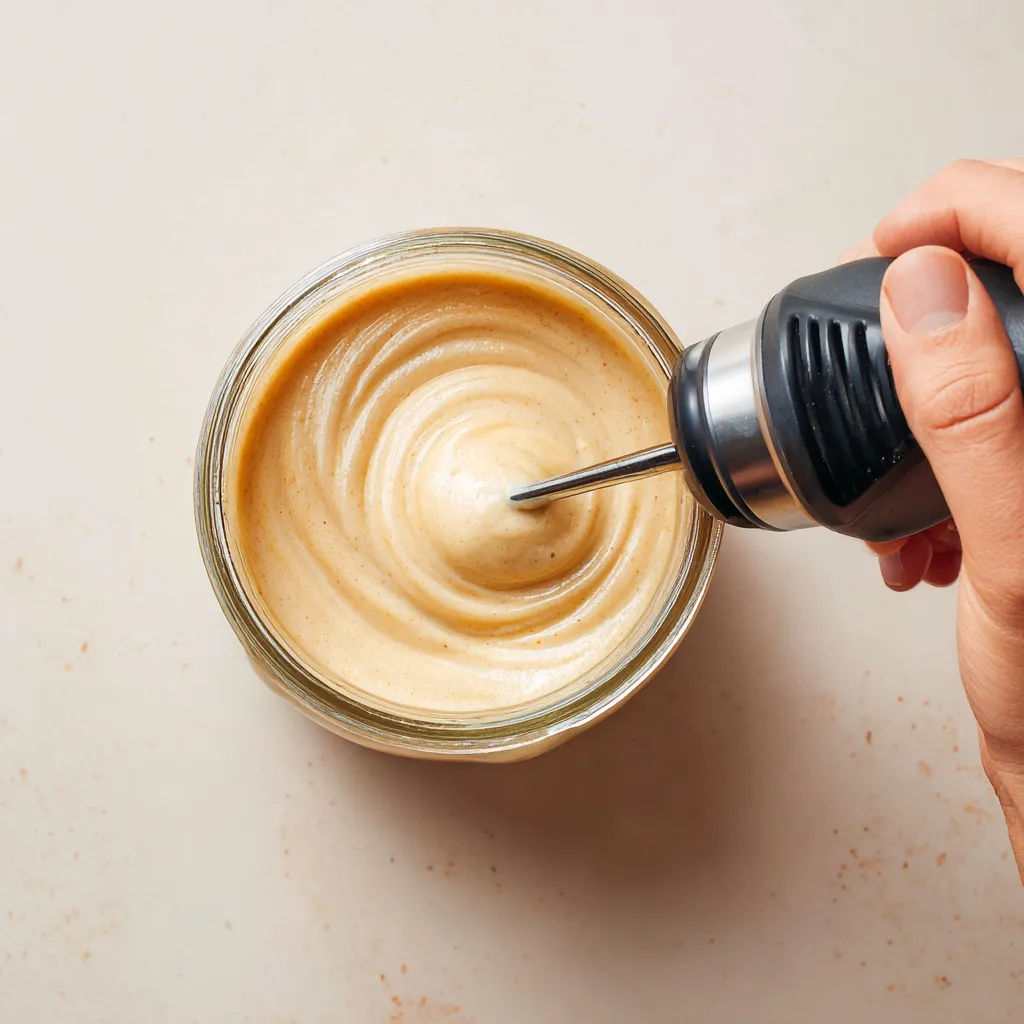
Growing up, I always thought making sauce meant stress: double boilers, split emulsions, burnt pans. But when I discovered sous vide sauces, everything changed. I remember the first time I screwed a mason jar shut with egg yolks, lemon juice, and butter—no whisking, no stress, just drop and go. Thirty minutes later, I opened the jar, stuck in an immersion blender, and in seconds I had the smoothest hollandaise of my life. It felt like magic.
That’s the beauty of sous vide sauces: you get precise, consistent results with almost zero risk. No broken béarnaise. No overcooked cream. You can batch, reheat, and flavor with confidence—all while freeing up your stovetop. Whether you’re cooking for a dinner party or meal prepping for the week, these sauces are your secret weapon. And you don’t need fancy training or equipment—just a water bath and a jar.
In this guide, I’ll break down exactly how to build better sauces with your sous vide circulator. From egg-based classics to herby vinaigrettes and steak-ready reductions, you’ll learn the techniques, ingredients, and tips that make every drizzle count. I’ll also show you what not to add, how to safely reuse bag juices, and smart ways to pair sauces with meats, veggies, or even fish. For more recipe inspiration, check out our Sous Vide Chicken Recipes and Finishing Techniques to complete the picture.
Before I ever made a sauce sous vide, I used to avoid them altogether. Hollandaise? Terrifying. Béarnaise? Even worse. But once I learned you could cook sauces gently in a sealed jar with an immersion circulator, I gave it a try—and instantly felt like I had superpowers in the kitchen. It wasn’t just easier, it was better. More stable, more velvety, more flavorful.
I love that I can toss all the ingredients for a classic sauce—like the one I make with apple cider vinegar, shallots, and yolks—into a pint-sized jar, set the water to 167°F, and walk away. Thirty minutes later, it’s ready to blend and serve. It doesn’t break. It doesn’t scald. It just works.
Whether I’m making a hollandaise to pour over poached eggs or a tangy lemon butter sauce for chicken breast, sous vide sauces have become a go-to in my kitchen. And because I can batch them and reheat without splitting, they’re perfect for entertaining or meal prep.
If you’re curious about building your own technique from the ground up, check out our guide on Sous Vide Cooking Basics, where I break down tools and temperature tips for beginners.
Everyone talks about the proteins—perfect steaks, juicy chicken, tender pork. But the sauce? That’s what makes a dish memorable. It’s the final flourish, the thing that brings the plate together. And yet it’s often the trickiest part to get right.
That’s why sous vide sauces are so special. The low, steady heat of the water bath keeps egg yolks from scrambling, prevents butter from browning too fast, and gently infuses herbs or aromatics without overpowering. It turns tricky emulsions into practically foolproof staples.
Plus, the possibilities are endless. Blend fresh tarragon into a warm béarnaise, whip up garlic aioli without it separating, or reduce leftover chicken bag juices into a silky pan sauce. With sous vide, your sauces are more than just sides—they’re stars.
PrintSous Vide Sauces
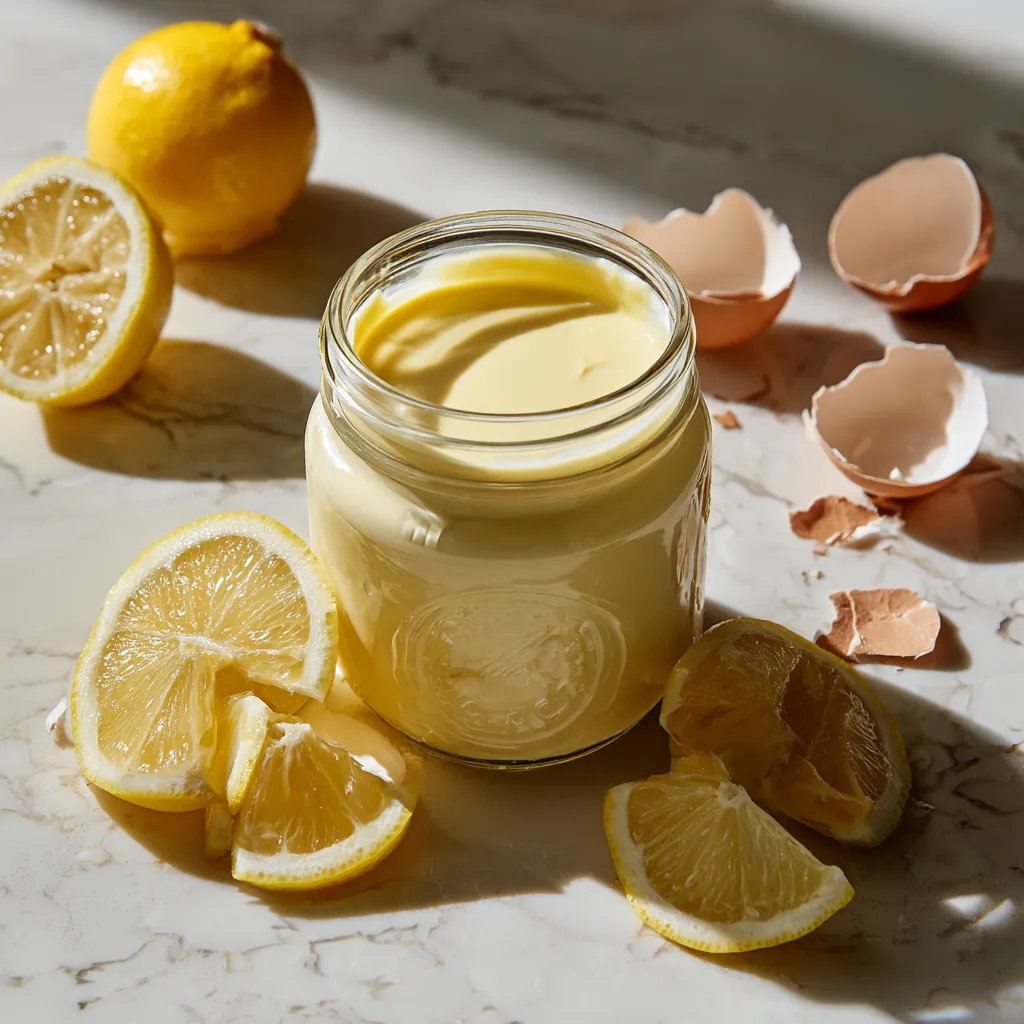
Sous vide sauces are foolproof, stable, and incredibly flavorful. This jar-blended hollandaise-style sauce is rich, creamy, and stress-free.
- Prep Time: 5 minutes
- Cook Time: 30 minutes
- Total Time: 35 minutes
- Yield: 1 pint jar 1x
- Category: Sauce
- Method: Sous Vide
- Cuisine: French-American
- Diet: Vegetarian
Ingredients
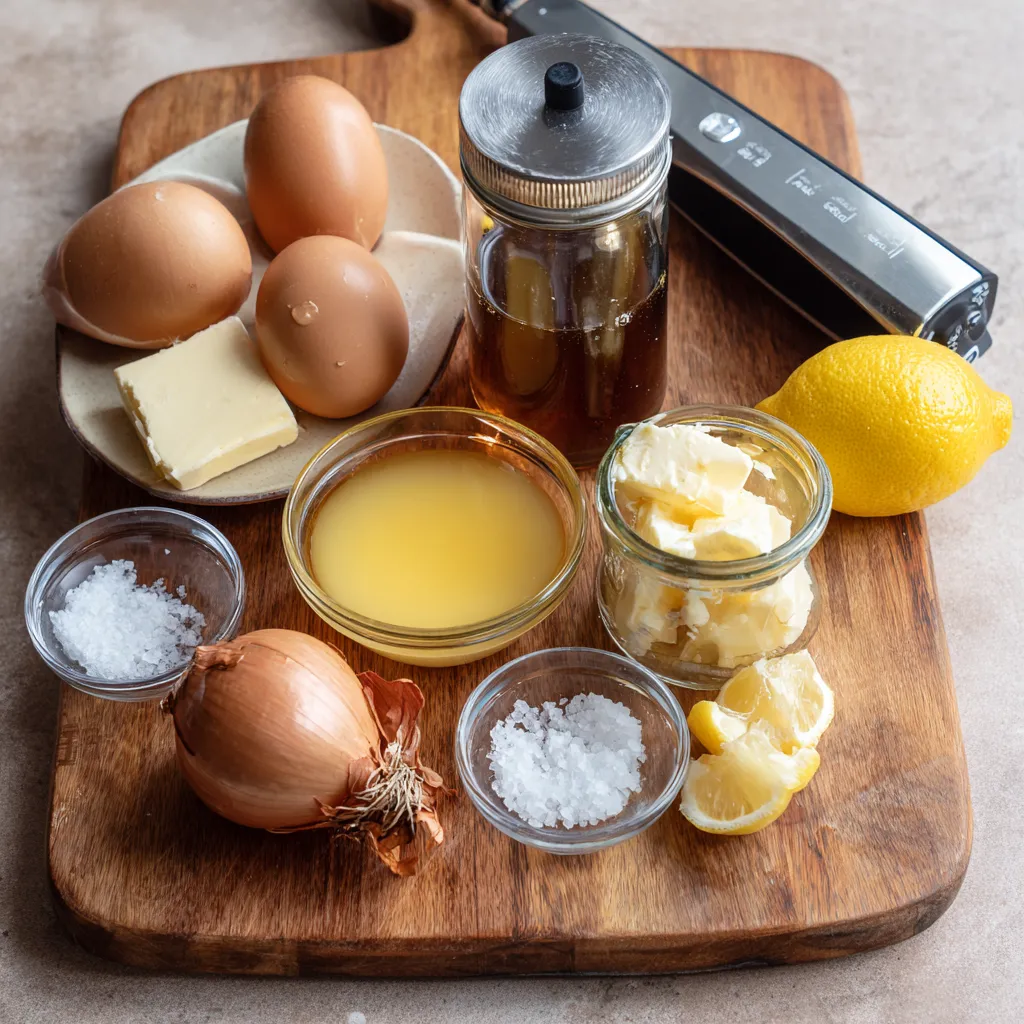
1 tbsp apple cider vinegar
1 tbsp minced shallot
1/2 cup + 2 tbsp butter
4 egg yolks
2 tbsp lemon juice
1/2 tsp salt
2 tbsp water
Instructions
1. Preheat water bath to 167°F (75°C).
2. Add all ingredients to a pint-sized mason jar.
3. Screw on lid to finger-tight. Place in the water bath.
4. Cook for 30 minutes until mixture is fully heated and pasteurized.
5. Remove from water, open lid, and blend with immersion blender until thick and creamy.
6. Serve immediately or refrigerate and reheat gently when ready to use.
Notes
Perfect for chicken, fish, vegetables, or eggs. Reheat gently in a water bath at 120°F before serving to avoid breaking.
Nutrition
- Serving Size: 2 tbsp
- Calories: 95
- Sugar: 0g
- Sodium: 120mg
- Fat: 10g
- Saturated Fat: 6g
- Unsaturated Fat: 4g
- Trans Fat: 0g
- Carbohydrates: 0g
- Fiber: 0g
- Protein: 1g
- Cholesterol: 95mg
Best Ingredients for Sous Vide Sauces
At the heart of every great sauce is a handful of humble ingredients. When it comes to sous vide sauces, you’re working with fewer, better building blocks—so quality matters. Butter, egg yolks, and acid (like lemon juice or vinegar) are essential for emulsified sauces. These ingredients benefit from the gentle sous vide heat, which brings them together slowly without the risk of curdling or breaking. This method is what makes sous vide sauces stand out from their stovetop counterparts—precision, stability, and consistent results every single time.
Aromatics like minced shallots or even a touch of mustard can add incredible depth, especially when paired with acid to balance the fat. Unlike traditional sauce prep, which requires constant whisking over a hot flame, sous vide sauces develop slowly and safely in their own controlled bath. The result? Silky, restaurant-quality texture without the risk of breaking or overheating.
Another benefit of sous vide sauces is how forgiving they are. If you need to prep ahead, make the sauce and keep it chilled right in the jar—then reheat gently in a 120°F bath before serving. This makes sous vide sauces perfect for entertaining, holiday meals, or batch prepping your weekly favorites. You can also customize the base with flavored butters, such as roasted garlic butter or chipotle-lime, to match any dish you’re making.
For more complex sous vide sauces, experiment with infusions like herb oils, reduced wine, or light broths. A bone broth base enriched with butter and aromatics can turn into a stunning reduction. Just remember: avoid raw alcohols and instead reduce wines or spirits before sealing them into the jar. That way, your sous vide sauces won’t carry harsh notes.
For added balance, always season with kosher salt and taste after blending. Fresh herbs like parsley, tarragon, or chives should be stirred in after cooking to preserve color and brightness. If you want extra flair, consider topping your sous vide sauces with a drizzle of infused oil or finishing salt right before serving.
What Not to Use in Sous Vide Sauces
It’s tempting to throw everything in the jar, but with sous vide sauces, less is more—and some ingredients just don’t behave well under vacuum or heat. Raw garlic, for instance, can turn acrid and overpowering when sous vided. It’s best to sauté garlic separately and add it after cooking, or use garlic powder for a more predictable result.
Heavy cream is another tricky player. Though it can be used carefully, it’s prone to separating unless stabilized with starches or egg yolks. Similarly, avoid high-proof alcohol like brandy or bourbon unless you’ve cooked it down first. These liquids won’t evaporate in a vacuum and will leave a raw, harsh edge.
Also, skip thickeners like flour or cornstarch inside the sous vide bag—they tend to clump or over-gel. For thickening, you’re better off reducing or blending post-cook. That’s what makes using jars so handy: you can blend directly in the container, minimizing dishes and maximizing control.
For more on ingredient safety and sous vide dos and don’ts, take a look at our full Sous Vide Safety Tips to make sure your sauces stay safe and delicious.
Can You Use Sous Vide Liquid for Sauce?
Absolutely. One of the best-kept secrets of sous vide cooking is that the juices left behind in the bag—also called the purge—can be the foundation of incredible sous vide sauces. These flavorful juices are naturally infused with the essence of the protein, herbs, spices, and aromatics used during the cooking process. If you’re serious about elevating your home cooking, learning how to transform these drippings into finished sous vide sauces is a game-changer.
Take chicken, for instance. When cooked sous vide with thyme, garlic powder, and lemon, it produces a light, fragrant broth that’s perfect for deglazing a pan or creating silky sous vide sauces with minimal effort. Simply pour the juices into a saucepan, skim off any fat, and simmer gently to concentrate the flavors. From there, you can whisk in a little Dijon mustard, a knob of cold butter, or a splash of white wine to make the perfect light pan sauce.
Steak juices from sous vide can be even more robust, perfect for red wine reductions or mushroom cream sauces. These bag juices bring deep umami and richness that form the backbone of more complex sous vide sauces. Add shallots, garlic (sautéed post-cook), and pre-reduced wine for a steak-ready finish you can drizzle or spoon.
Not only are these sous vide sauces incredibly flavorful, but they’re also low-waste and cost-effective. You’re using ingredients already present in your main dish to build something more impressive, layered, and satisfying. You can even freeze bag juices in ice cube trays for future sauce-making.
Just remember: always taste before serving. Because salt levels are often low in bag juices, final seasoning is key to rounding out your sous vide sauces. Want to dig deeper into this method? Visit our <a href=”https://sousviderecipe.com/sous-vide-finishing-sauces/” title=”Guide to Finishing Sauces”>Guide to Finishing Sauces</a> to learn how to go from bag to brilliance—every time you cook.
Using Mason Jars for Sauce Prep
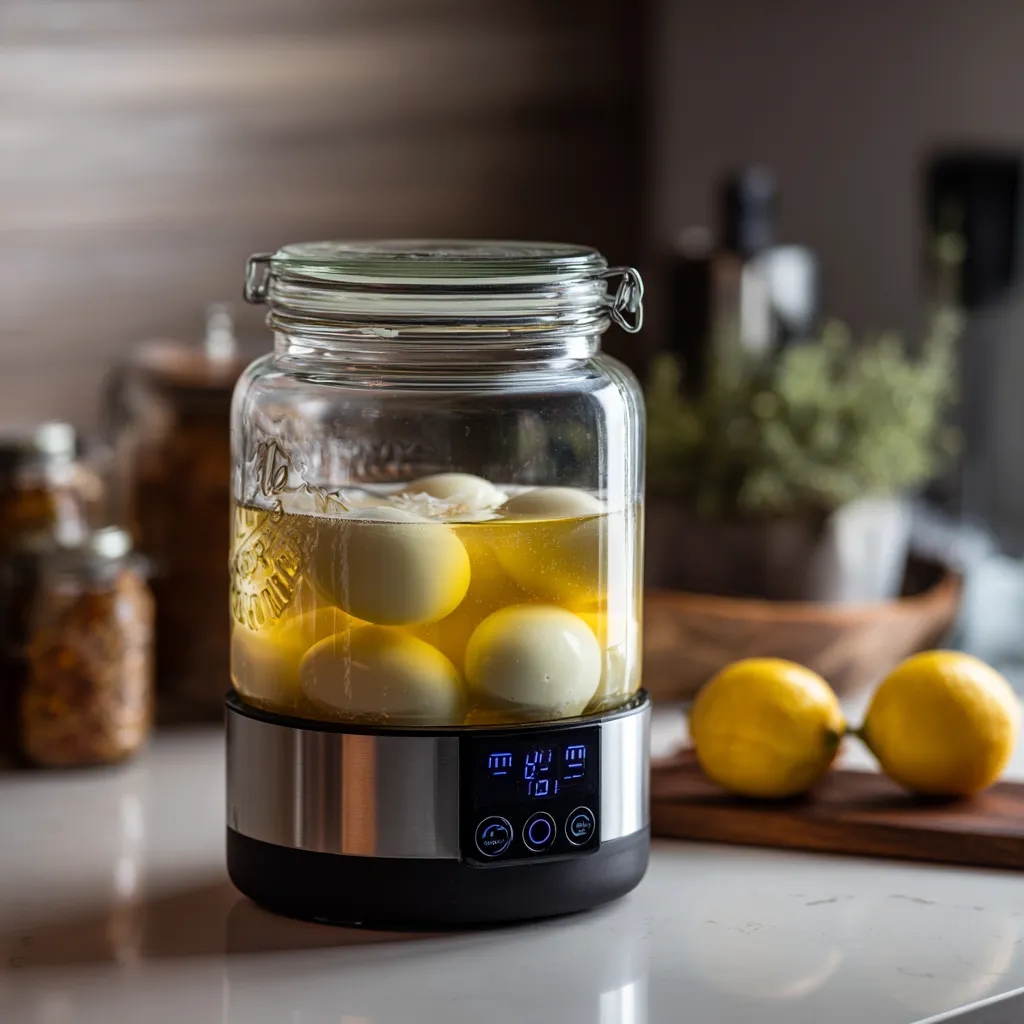
One of the simplest and most effective ways to make sous vide sauces is to use pint-sized mason jars. They’re heat-safe, seal easily, and let you prepare, cook, and blend all in one container—no extra pans or cleanup.
To make a sauce like hollandaise or lemon butter, just add your ingredients to the jar and screw on the lid “finger-tight.” This allows air to escape during cooking without water seeping in. Drop the jar into a preheated bath (167°F is perfect for egg yolk-based sauces) and let it cook for 30 minutes.
After the cook time, remove the jar carefully, take off the lid, and blend the contents directly with an immersion blender. The result? A velvety, emulsified sauce that’s restaurant-quality with almost no effort. If the sauce is too thick, add warm water or lemon juice a teaspoon at a time and blend again.
I love this method for its precision and its batchability—you can make two or three sauces at once and store them in the fridge until needed. Just reheat the jar in a 120°F bath or set it in warm water before serving.
For more on working with jars, check out our Sous Vide Jar Cooking Guide where I break down everything from sealing to reheating.
How to Flavor Sous Vide Chicken with Sauce
Chicken is one of the most popular proteins in sous vide cooking—but let’s be honest, it’s also easy to make a little bland if you don’t finish it right. That’s where sous vide sauces truly shine. Whether you’re making thighs, breasts, or even wings, the right sauce transforms the dish.
For chicken breasts, a classic lemon-butter sauce or tarragon hollandaise adds richness and brightness. Prefer bold flavors? Blend roasted red peppers, garlic powder, and olive oil into a smoky romesco-style jar sauce. Want something lighter? Try a yogurt-based dill sauce made sous vide, then cooled and spooned over.
If you’re cooking chicken thighs sous vide with aromatics in the bag, reuse the juices. Simmer them down with Dijon mustard and a bit of honey for a savory-sweet glaze. Or add your sauce after crisping the skin in a hot pan or broiler to avoid sogginess.
Need more chicken inspiration? Browse our Sous Vide Chicken Recipe Collection for dozens of flavor pairings that go perfectly with your favorite sauces.
Storage, Reheating & Batch Prep Tips
Another reason to fall in love with sous vide sauces? They’re incredibly easy to store and reheat—without breaking or separating like stovetop sauces sometimes do. Once your sauce is cooked and blended, keep it right in the same jar and refrigerate for up to 5 days.
When you’re ready to use it, reheat the sealed jar gently in a 120°F (49°C) water bath for 10–15 minutes. This brings it back to the perfect serving temperature without overcooking or changing texture. You can also microwave in short bursts (10–15 seconds), stirring in between, though the water bath method is safest for delicate sauces.
If your sauce thickens too much in the fridge, stir in a splash of warm water or lemon juice to loosen it. For larger batches, scale up the recipe and use quart-sized jars—just make sure your circulator can handle the volume evenly.
Want to dive deeper into meal prep? Check out our Sous Vide Meal Prep Starter Guide for tips on batching sauces, proteins, and sides all in one go.
Conclusion
Whether you’re new to emulsified sauces or just tired of broken hollandaise, sous vide sauces open up a world of flavor, flexibility, and consistency. They turn what used to be tricky stovetop skills into foolproof steps, letting you create creamy, glossy, restaurant-worthy results every single time.
With sous vide, you don’t just cook—you build better foundations for your meals. You get silky sauces that hold, batch-friendly prep you can reheat with confidence, and bold, balanced flavors that elevate even the simplest dishes. So go ahead and experiment. From eggs Benedict to grilled chicken, steak frites to veggie bowls, a great sauce makes it better—and sous vide makes it easier.
If you’re looking for the tools I trust, check out our Sous Vide Gear Guide. For more smart pairings, our Ultimate Sauce Pairing Chart will help you match your sauce to the star of the plate.
Join us on Facebook and Pinterest for even more delicious recipe ideas!
FAQs
Can you use sous vide liquid for sauce?
Yes! The juices collected from sous vide bags are packed with flavor and make excellent bases for pan sauces, reductions, or glazes. Just be sure to reduce and season them before serving.
What not to put in sous vide?
Avoid raw garlic, alcohols, and flour-based thickeners in your sous vide sauces. These ingredients can behave unpredictably and lead to bitterness, curdling, or grainy texture.
Why not put garlic in sous vide?
Raw garlic can turn overly strong or metallic under long, low-heat cooking. Instead, use garlic powder or sautéed garlic added after the sous vide process.
How to add flavor to sous vide chicken?
Sauces are key! Try pairing sous vide chicken with hollandaise, mustard cream, romesco, or herb butter made in jars. Also use the cooking juices for added depth in pan sauces.
Is it okay to sous vide in Ziploc?
Yes, Ziploc freezer bags are safe for sous vide at temps under 190°F. Just use the water displacement method and avoid bags with weak seals or non-food-safe plastics.
What do chefs use sous vide for?
Chefs use sous vide for precision cooking of proteins, vegetables, and sauces. It’s especially popular for eggs, meats, infused oils, and consistent emulsions like hollandaise or béarnaise.
Can I boil instead of sous vide?
Boiling isn’t a good substitute for sous vide. Boiling is aggressive and uneven, while sous vide offers low, slow, and consistent heat for delicate sauce emulsions and proteins.