
📑 Table of Contents ▶
- Sous Vide Sesame Chicken
- Mastering Sous Vide Sesame Chicken
- Fundamentals
- Preparation/Setup
- Perfecting Your Sous Vide Sesame Chicken
- Technique
- Tips/Tricks
- Elevating Your Sous Vide Sesame Chicken
- Perfecting Results
- Troubleshooting/Variations
- Presenting Your Sous Vide Sesame Chicken
- Serving/Presentation
- Pairings/Storage
- Conclusion
- FAQs – Sous Vide Sesame Chicken
Discovering sous vide cooking was like stumbling upon a hidden treasure trove of culinary delights. The first time I tasted sous vide sesame chicken, I was amazed by its tenderness and flavor. It was as if each bite danced on my taste buds, a symphony of taste and texture. My journey with sous vide began in my cozy Florida kitchen, where I often experimented with fresh coastal ingredients.
Imagine the delight of perfectly cooked chicken every time, with flavors that burst forth with every bite. That’s the magic of sous vide sesame chicken. With sous vide, the guesswork disappears, replaced by the joy of knowing your dish will be cooked to perfection. This method transformed my approach to home cooking, bringing restaurant-quality meals to my dinner table effortlessly.
As someone who loves to experiment in the kitchen, I found sous vide to be a game-changer. It opened up a world of possibilities, allowing me to explore flavors and techniques I never thought possible. The sous vide sesame chicken quickly became a family favorite, its rich taste and tender texture making it a regular on our menu.
Whether you’re new to sous vide or a seasoned pro, this technique will revolutionize the way you cook. The sous vide sesame chicken is not just a meal; it’s an experience that brings joy and satisfaction to every bite. Let’s dive into the art and science of this delicious dish, ensuring you’ll savor every moment spent in the kitchen.
PrintSous Vide Sesame Chicken
Learn how to make delicious Sous Vide Sesame Chicken at home with this easy recipe. Tender chicken cooked to perfection with a flavorful sesame glaze. Perfect for any occasion!
- Prep Time: 16 minutes
- Cook Time: 120 minutes
- Total Time: 136 minutes
- Yield: 6 1x
- Category: Main Course
- Method: Sous Vide
- Cuisine: Asian
Ingredients
- 1 1/2 pounds chicken breast, cubed into 1-inch pieces (680 g)
- 1-inch piece fresh ginger, thinly sliced (2.5 cm)
- 2 cloves garlic, smashed
- 1 tablespoon (15 ml) vegetable oil
- 1 tablespoon (15 ml) soy sauce
- 1 tablespoon (15 ml) apple cider vinegar
- 1/4 cup soy sauce (60 ml)
- 1/4 cup apple cider vinegar (60 ml)
- 1/3 cup honey (80 ml)
- 1 tablespoon (15 ml) cornstarch
- 1/3 cup chicken stock or water (80 ml)
- 1 tablespoon (15 ml) sesame seeds
- 2 teaspoons (10 ml) vegetable oil
- 1 teaspoon (5 ml) chili sauce (optional)
- Sesame seeds, garnish
- Cooked white rice
- Scallions, green parts minced for garnish
Instructions
- Warm the water: Fill a pot with water and insert your immersion cooker. Adjust the temperature to 158°F and allow the water to reach the desired heat.
- Prepare the chicken: Mix the diced chicken breast with ginger slices, crushed garlic, vegetable oil, soy sauce, and apple cider vinegar in a large zip-top freezer bag. Ensure the chicken is spread in a single layer.
- Seal the bag: Use the water-displacement technique to remove excess air from the bag: Gradually lower the bag with the chicken into the water, allowing the water pressure to expel the air through the top. Once the top of the bag is near the waterline and most air is out, seal the bag. You can do this in the pot as the water heats. (Be cautious if the water is already steaming!) Set the sealed chicken aside on a towel until the water is fully heated.
- Cook the chicken: When the water is at the right temperature, immerse the sealed chicken bag completely in the water. Ensure the bag is entirely submerged for even cooking. Let the chicken cook for 2 hours. Once done, take the chicken out of the water and turn off the immersion circulator.
- Prepare the sauce and mix with chicken: In a medium pan, whisk together all sauce ingredients. Heat to a simmer over medium heat; it should start thickening quickly. Remove the chicken from the bag, discard the ginger and garlic, and place the chicken in the pan with the sauce. (You can save the leftover cooking liquid for other recipes if desired!) Reduce the heat to low, and stir to coat the chicken thoroughly. The sauce should become very thick and adhere to the chicken.
- Serve the chicken: Present the sesame chicken on a bed of rice, garnished with sesame seeds and chopped scallions.
Notes
- Try grating the ginger for a bolder flavor in the marinade.
- Include optional chili sauce for a spicy twist in the sauce.
- Adjust sauce thickness by adding more chicken stock or water as needed.
Nutrition
- Calories: 334 kcal
- Fat: 11 g
- Protein: 38 g
Mastering Sous Vide Sesame Chicken
Fundamentals
The fundamentals of cooking sous vide sesame chicken start with understanding the sous vide method itself. This technique involves vacuum-sealing food in a bag and cooking it to a precise temperature in a water bath. The result? Consistently cooked, flavorful dishes that elevate home cooking to new heights.
For this dish, we begin with 1 1/2 pounds of chicken breast, cubed into perfect 1-inch pieces. This ensures even cooking and allows the flavors to penetrate each morsel. Pairing the chicken with a blend of ginger and garlic infuses it with an aromatic depth that complements the sweet and savory sauce perfectly.
Preparation/Setup
Preparation is key when setting up for sous vide sesame chicken. Mix the cubed chicken with ginger slices, crushed garlic, a tablespoon of vegetable oil, soy sauce, and apple cider vinegar in a large zip-top freezer bag. This marinade not only flavors the chicken but also helps in tenderizing it before cooking.
Next, seal the bag using the water-displacement method. Slowly lower the bag into a pot of water, allowing the pressure to push out air through the top. Once the air is expelled, seal the bag tightly. This ensures the chicken cooks evenly and retains all its juices and flavors.
Perfecting Your Sous Vide Sesame Chicken
Technique
Mastering the technique for sous vide sesame chicken involves precision and patience. Start by setting your immersion cooker to 158°F. Once the water reaches the desired temperature, immerse the sealed chicken bag completely. Allow the chicken to cook for two hours, ensuring it remains submerged for even cooking.
Sous Vide Sesame Chicken
This gentle cooking process allows the chicken to reach the perfect level of tenderness, making each bite a melt-in-the-mouth experience. The steady temperature ensures that the chicken retains its moisture while absorbing the rich flavors of the marinade.
Tips/Tricks
When cooking sous vide sesame chicken, patience is your best friend. Allow the full two hours for cooking to achieve the ideal texture. For an added kick, consider including a teaspoon of chili sauce in your marinade. This optional addition brings a hint of heat that complements the sweetness of the honey sauce beautifully.
If you love experimenting with flavors, why not explore other sous vide chicken recipes for inspiration? Try the Sous Vide Garlic Cilantro Spatchcock Chicken or Sous Vide Chicken Breasts with Lemon Garlic and Rosemary for a fresh twist on your meals.
Elevating Your Sous Vide Sesame Chicken
Perfecting Results
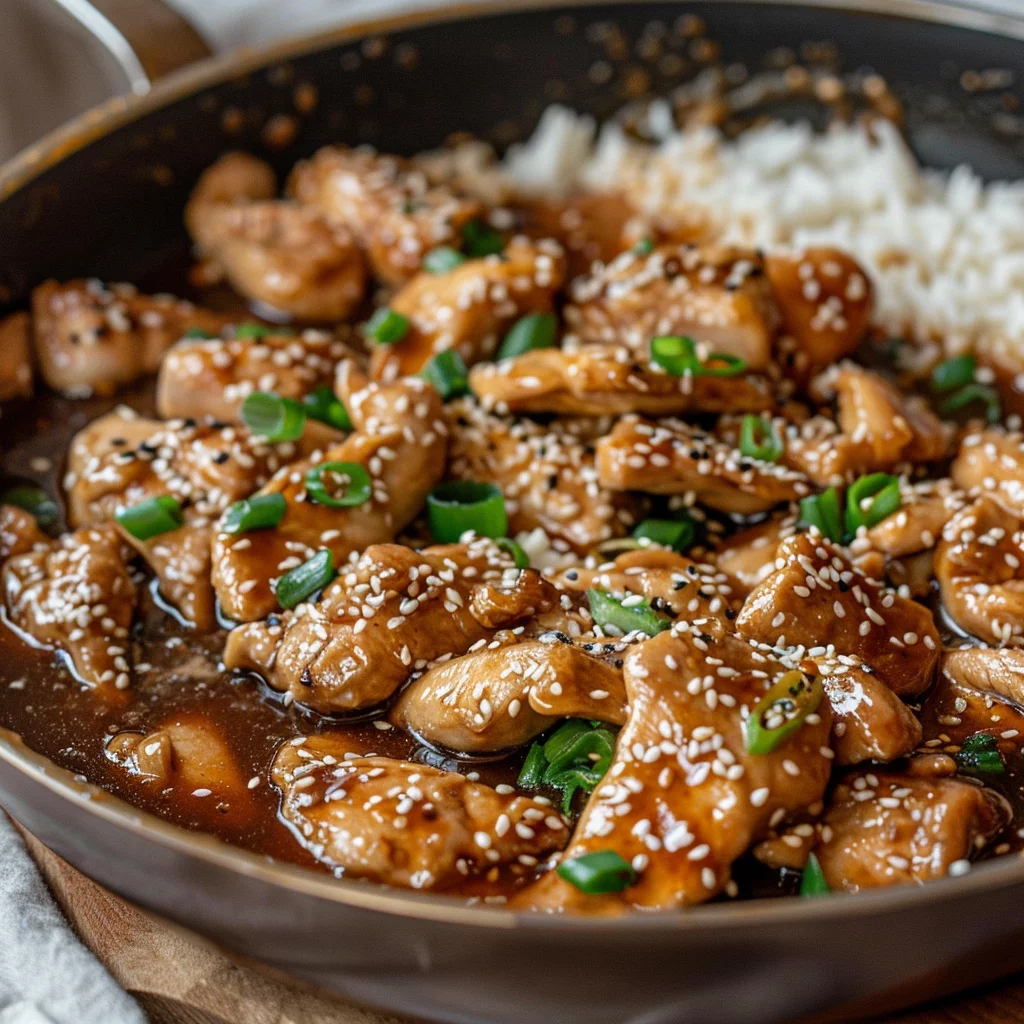
To perfect your sous vide sesame chicken, focus on the sauce. In a medium pan, whisk together the sauce ingredients: soy sauce, apple cider vinegar, honey, and cornstarch mixed with chicken stock. Heat the mixture over medium heat until it thickens, creating a glossy glaze that clings to the chicken.
Once the chicken is cooked, remove it from the bag, discard the ginger and garlic, and add it to the simmering sauce. Lower the heat and stir until the chicken is thoroughly coated, allowing the sauce to infuse every piece with its rich, sweet-savory flavor.
Troubleshooting/Variations
If your sauce is too thick, add a splash of chicken stock to reach the desired consistency. Alternatively, if you prefer a more intense flavor, let the sauce simmer longer to concentrate its richness. For those looking to add variety, consider experimenting with different marinades. Try the Sous Vide Chicken Breast Tandoori for a spicy alternative, or explore the flavors of Sous Vide Pomegranate Glazed Chicken Legs.
For those who enjoy a little kick, adding a teaspoon of chili sauce can enhance the dish’s complexity. However, omit this step if you’re serving it to someone with a sensitive palate. The beauty of sous vide cooking lies in its flexibility, allowing you to tailor each dish to suit your taste preferences.
Presenting Your Sous Vide Sesame Chicken
Serving/Presentation
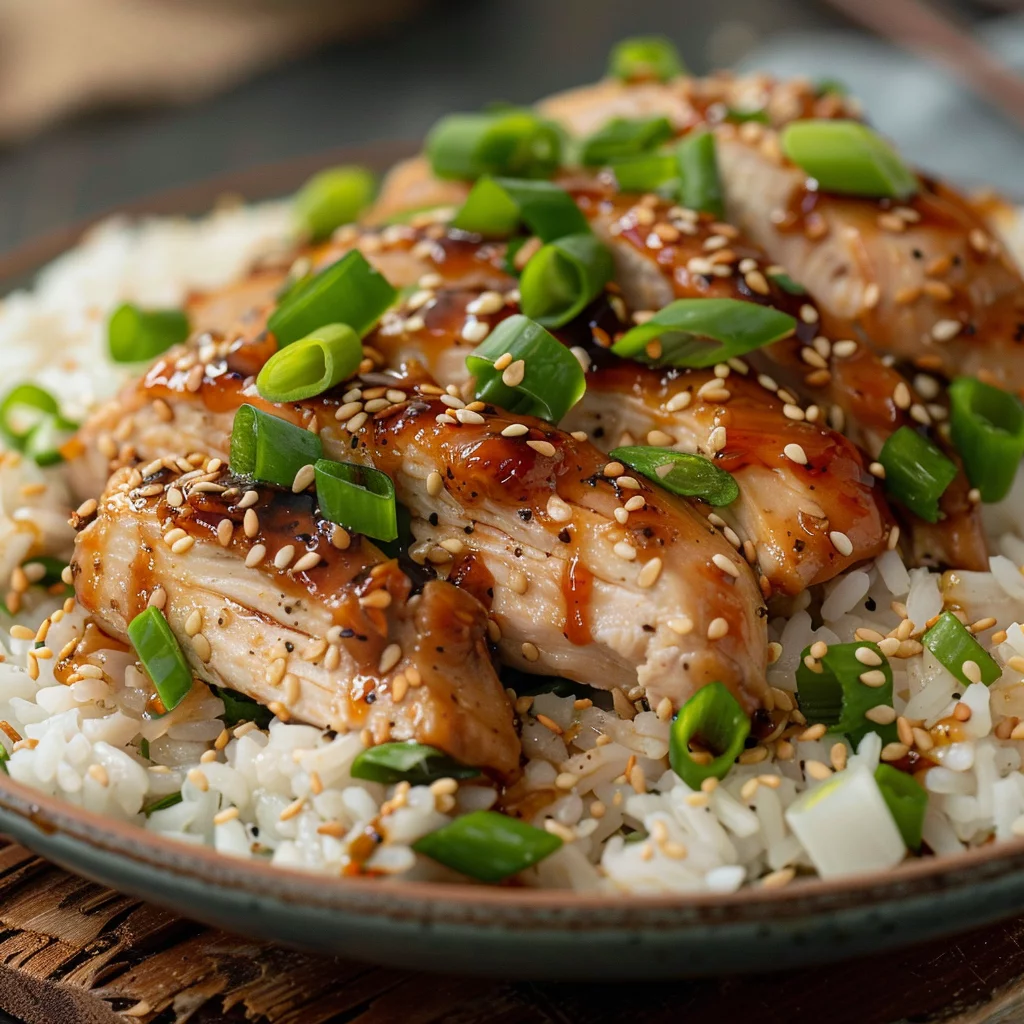
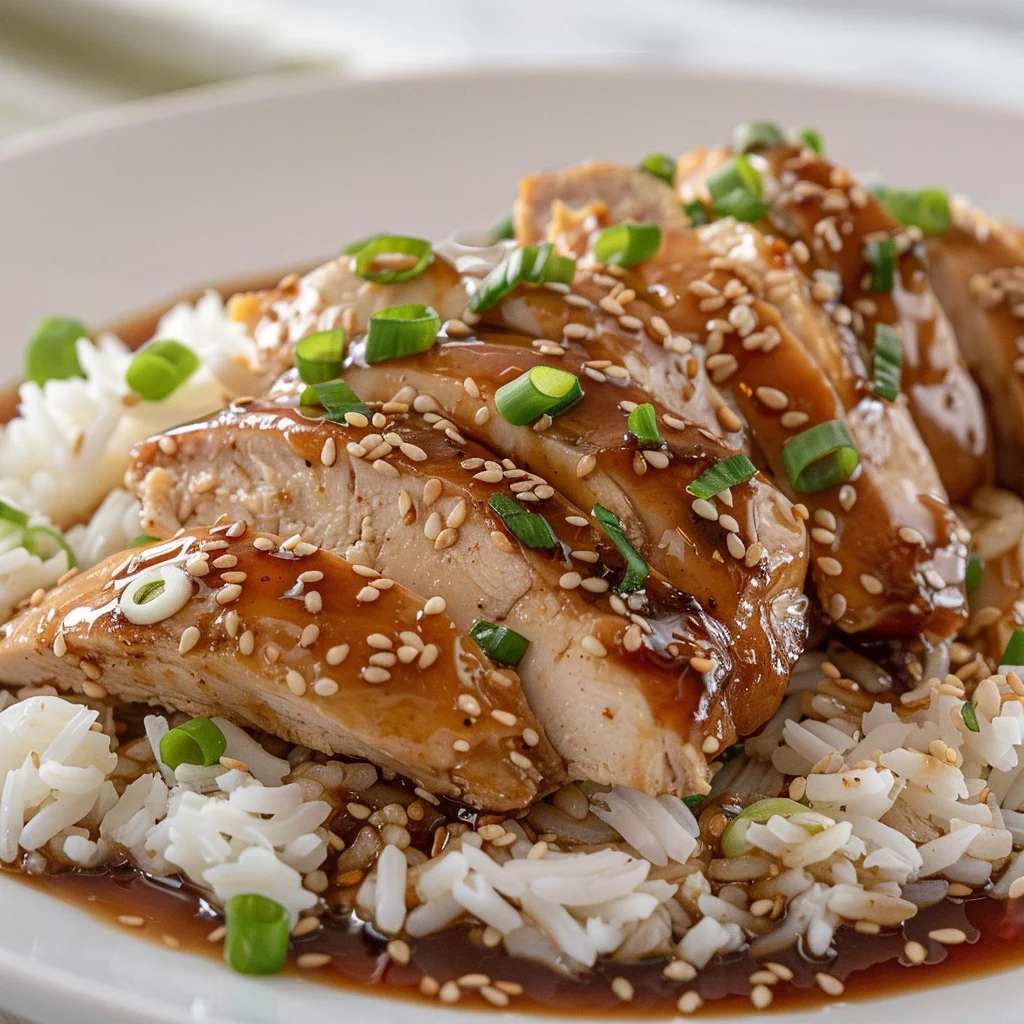
Presentation is key when serving sous vide sesame chicken. Arrange the chicken on a bed of cooked white rice, allowing the sauce to drizzle over the top. Garnish with sesame seeds and chopped scallions for a fresh pop of color and flavor. These simple touches elevate the dish, making it visually appealing and even more enticing to eat.
This dish pairs well with a variety of sides. Consider serving it alongside steamed vegetables or a light salad to balance the rich flavors of the chicken. The versatility of this dish makes it perfect for any occasion, from a casual family dinner to an impressive dinner party spread.
Sous Vide Sesame Chicken
Pairings/Storage
For storage, keep any leftovers in an airtight container in the fridge for up to three days. Reheat gently to preserve the chicken’s tender texture and the sauce’s rich flavor. The flavors often deepen over time, making leftovers just as enjoyable.
For more delicious ideas, explore other recipes like the Sous Vide Curry Chicken Thighs or Healthy Sesame Chicken for a lighter take. These recipes provide inspiration and variety, ensuring there’s always something new to try.
Conclusion
In conclusion, mastering sous vide sesame chicken opens up a world of culinary possibilities. The technique ensures perfectly cooked chicken every time, with flavors that delight and satisfy. The combination of precise temperature control and flavorful marinades transforms simple ingredients into something extraordinary.
The strengths of sous vide cooking lie in its consistency and ability to enhance flavors. This method brings out the best in each ingredient, making it a valuable addition to any home cook’s repertoire. Whether you’re new to sous vide or a seasoned pro, this technique promises delicious results and endless culinary exploration.