
➤ Table of Contents
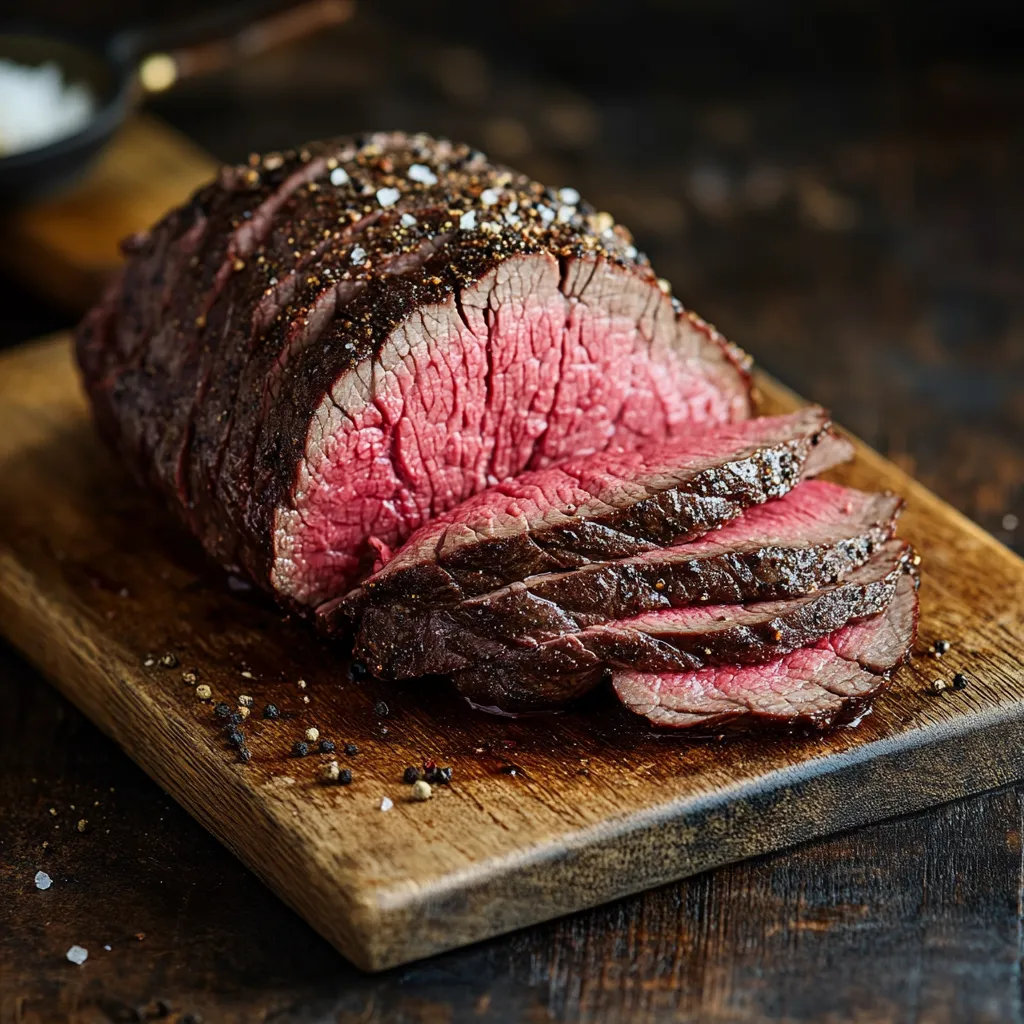
Growing up in sunny Florida, roast beef was a fixture at every holiday table. My mom would roast it in the oven until the center was just pink enough—though the outer edges always needed a heavy pour of gravy to make them palatable. That was the norm. Until I discovered sous vide roast beef.
The first time I tried cooking it sous vide, I was already hooked on what it did for salmon—so naturally, I had to see what it would do with a tougher, lean cut like eye of round. I set my sous vide machine to 132°F, sealed the roast, and let it cook for five hours. What came out wasn’t just good—it was game-changing. Evenly pink from edge to edge, juicy without gravy, and tender enough to slice with ease. I didn’t need a carving fork—just a sharp knife and a grin. Right then and there, I knew sous vide roast beef had earned a permanent place in my kitchen.
These days, I use it for everything from quick dinners and sandwiches to meal-prep salads. Sometimes I’ll toss it into my sous vide steak with garlic bowls or serve it with a side of chimichurri. And when people ask how I get it so perfect? My answer is always simple: it’s all in the bath.
PrintSous Vide Roast Beef
This sous vide roast beef recipe delivers perfectly pink, tender slices every time. Great for sandwiches, special dinners, or meal prep.
- Prep Time: 10 minutes
- Cook Time: 4–6 hours
- Total Time: 4 hours 10 minutes
- Yield: 6 servings 1x
- Category: Main Course
- Method: Sous Vide
- Cuisine: American
- Diet: Gluten Free
Ingredients
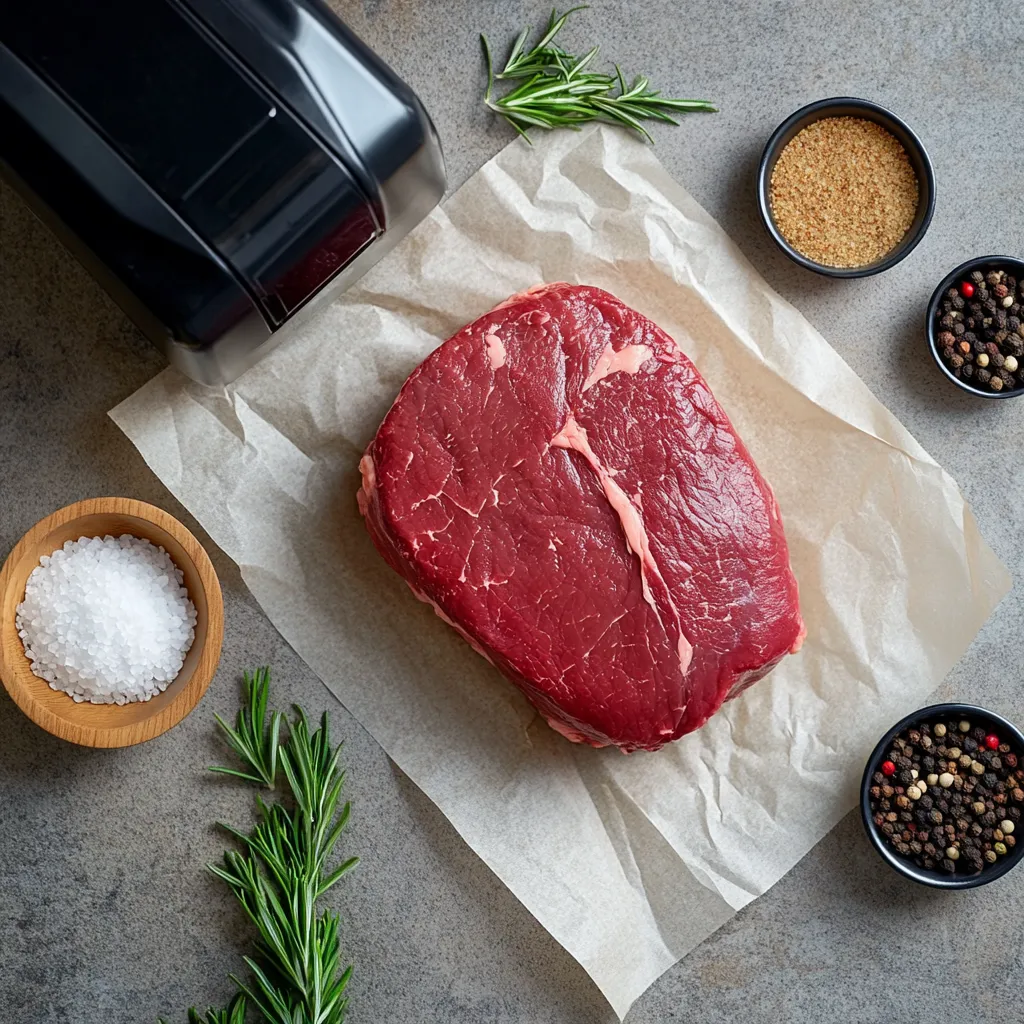
1 small beef roast (eye of round or sirloin tip), 1½ to 2 lbs
Salt and pepper
Instructions
1. Set sous vide machine to 132°F (55°C).
2. Season roast generously with salt and pepper.
3. Place roast in vacuum-seal or heavy-duty zip-top bag.
4. Seal bag using vacuum sealer or water displacement method.
5. When water reaches temperature, submerge sealed roast.
6. Cook for 4 to 6 hours (6 to 9 if frozen).
7. Remove roast from bag and discard juices.
8. Pat roast completely dry with paper towels.
9. Sear in hot skillet with a little oil for 1 minute per side.
10. Rest briefly, then slice across the grain and serve.
Notes
Avoid exceeding 7 hours of cook time to maintain ideal texture.
Slice thinly for sandwiches; thicker for plated meals.
Nutrition
- Serving Size: 1/6 roast
- Calories: 210
- Sugar: 0g
- Sodium: 65mg
- Fat: 8g
- Saturated Fat: 3g
- Unsaturated Fat: 4g
- Trans Fat: 0g
- Carbohydrates: 0g
- Fiber: 0g
- Protein: 32g
- Cholesterol: 75mg
Why Sous Vide Roast Beef Just Works
What makes sous vide roast beef so special? It’s the precision. Unlike traditional roasting, which often results in dry edges and a guessing game with doneness, sous vide locks in juices while gently breaking down connective tissue. By holding your roast at a steady 132°F (55°C), you achieve a perfectly even, medium-rare finish from edge to center—without any overcooked gray zones.
This method offers unmatched consistency. Whether it’s your first time or your fiftieth, sous vide roast beef turns out the same every time—tender, juicy, and flavorful. That level of control is what makes sous vide a favorite among chefs and home cooks alike.
It’s also incredibly versatile. While eye of round and sirloin tip are classic choices for sous vide roast beef, you can apply the same technique to other cuts like chuck roast or even upscale options like tri-tip and picanha. Each cut has slightly different ideal times and temperatures, and we’ll break those down in more detail later in the guide.
Still wondering how long to cook a larger roast? Want to know what temp gives you rare vs. medium? Curious whether you can sous vide from frozen? All those questions and more are covered in the next sections—so keep reading and let’s get your sous vide roast beef just right.
How Long Do You Sous Vide a Roast Beef?
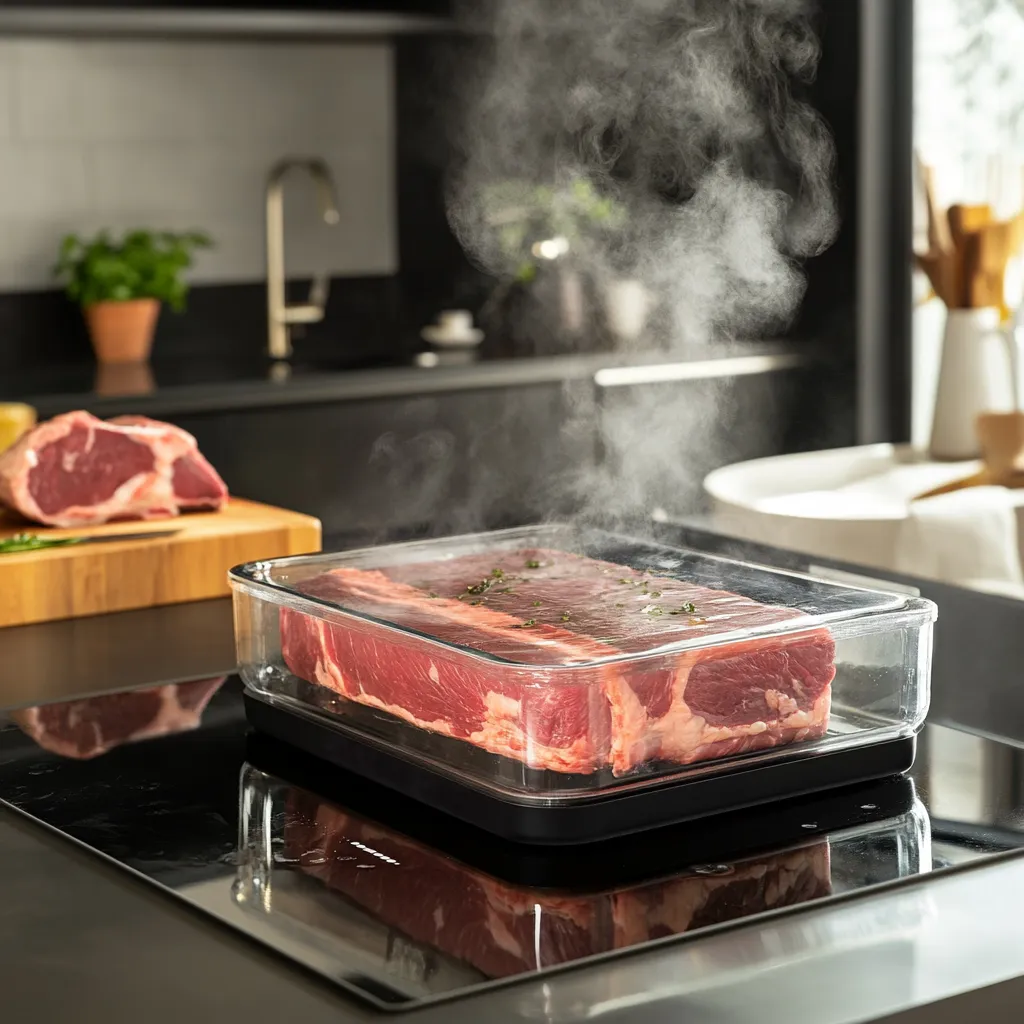
The beauty of sous vide roast beef lies in its flexibility. While many cooking methods leave you guessing, sous vide gives you a wide window of time with consistently excellent results. For a 1½ to 2 lb roast—especially lean cuts like eye of round or sirloin tip—the ideal setup is a water bath set to 132°F (55°C). Let your sous vide roast beef cook for 4 to 6 hours for that classic medium-rare texture: tender, juicy, and easy to slice thin or thick.
If your roast is coming straight from the freezer, you’ll need to extend the time to 6 to 9 hours. The gentle heat will safely thaw and cook the beef at the same time, still delivering great flavor and texture. Just be sure to keep your temperature consistent, and don’t skip the dry sear at the end.
Wondering if more time means better results? Not always. Once you pass the 7-hour mark with sous vide roast beef, the meat can start to break down too much. The texture becomes overly soft—some might even call it mushy. That’s why 4 to 6 hours is the sweet spot.
Need longer cooking for tougher cuts like chuck or brisket? Those are better suited for all-day sous vide projects. If you’re curious, try something like our 18-hour sous vide corned beef to experience that melt-in-your-mouth magic.
Curious about timing for other weights? Here’s a simple guide:
| Roast Weight | Cook Time (Fresh) | Cook Time (Frozen) |
|---|---|---|
| 1–2 lbs | 4–6 hours | 6–9 hours |
| 2–3 lbs | 6–8 hours | 8–10 hours |
What’s the Best Sous Vide Temperature for Roast Beef?
Temperature sets your doneness level, not time. For traditional roast beef that’s sliceable and pink, go with 132°F (55°C) for medium-rare. Prefer medium? Aim for 136°F (58°C). For sandwich-style thin-sliced roast beef that’s still juicy, SousVideRecipe.com also recommends trying reverse sear prime rib for a bold crust and internal flavor.
Here’s a quick breakdown:
| Doneness | Temperature (°F) | Texture |
|---|---|---|
| Rare | 128°F | Very soft, slightly chewy |
| Medium-rare | 132°F | Tender, rosy center |
| Medium | 136°F | Slightly firmer but still moist |
If you’re not ready to sear right away, or need to refrigerate before serving, see how to reheat safely with this reheating prime rib sous vide guide for best texture and flavor.
Prepping and Bagging Your Roast
Once you’ve selected your roast—eye of round or sirloin tip both work beautifully for sous vide roast beef—season it generously with salt and freshly ground black pepper. Don’t overthink the spice blend. Sous vide cooking intensifies the flavor of the beef itself, so even basic seasoning delivers surprisingly deep taste after a long water bath.
Place your roast into a vacuum-seal bag or a high-quality freezer-safe zip-top bag. If you’re using a vacuum sealer, follow the instructions for your model and make sure you create a strong, tight seal. The goal is to eliminate as much air as possible, which helps prevent floating and ensures even cooking.
No vacuum sealer? The water displacement method is a reliable alternative. Simply lower the bag slowly into a pot of water, allowing the pressure to push the air out around the meat. Once most air is gone and the roast is submerged, zip the bag closed just above the waterline.
It’s also important to choose the right bag size. If it’s too large, the bag will trap excess air and float; too small, and the roast may press against the plastic, interfering with water flow. A snug fit is best for maintaining even heat distribution around your sous vide roast beef.
Want to see how this looks with other lean cuts? Check out our sous vide flank steak tacos tutorial, where we walk through prep and sealing step-by-step for optimal results.
Into the Water Bath: Cooking Step by Step
Now it’s time to cook. Start by setting your sous vide immersion circulator to 132°F (55°C)—this is the ideal temperature for medium-rare sous vide roast beef. It’s important to allow the water to reach the full set temperature before adding your roast. If you place the meat into cooler water, it slows the cooking process and can lead to uneven doneness.
Once the water is ready, carefully lower your sealed roast beef into the bath. Whether you used a vacuum-sealed bag or the water displacement method, make sure the bag is completely submerged. Clip it to the side of your container so it stays in place and allows water to circulate freely around the meat.
Let your sous vide roast beef cook undisturbed for 4 to 6 hours. If you’re cooking from frozen, extend the time to 6 to 9 hours to allow for thawing and gentle tenderizing. Over this time, the heat will slowly break down connective tissues while locking in moisture—creating a juicy, tender roast with zero risk of drying out.
No need to flip, stir, or check on it constantly. That’s the beauty of sous vide. If you’re prepping for the week, you can even add other items to your bath—vegetables, eggs, or sous vide hamburger patties—as long as the cooking temperatures align.
When the timer finishes, remove the bag, pat the roast dry with paper towels, and prepare to sear. Removing surface moisture is crucial for getting that golden crust in the next step. Don’t rush—dry meat sears better and tastes better.
Searing, Slicing, and Serving Sous Vide Roast Beef
Sear for Flavor and Texture
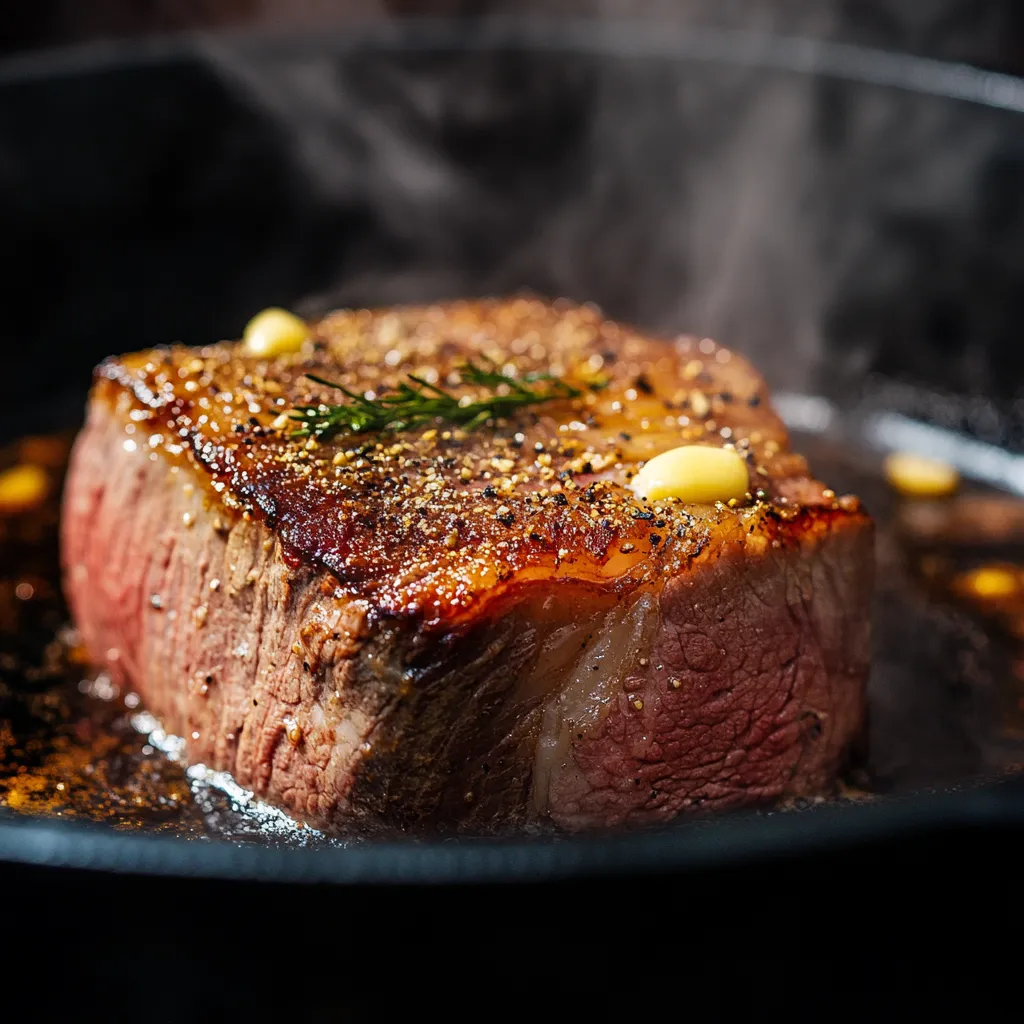
After several hours in the bath, your sous vide roast beef is perfectly cooked to the core—uniformly pink, tender, and juicy. But visually? It might look a little plain. That’s where the finishing sear comes in, and it’s more than just about looks. A good sear adds that crave-worthy crust, a deeper aroma, and restaurant-level flavor.
To do this, preheat a heavy skillet—preferably cast iron—over high heat. Add a small amount of high smoke point oil (like avocado or grapeseed oil), or a knob of butter for extra flavor. Once the oil is shimmering, gently place your sous vide roast beef in the pan. Sear each side for 45 to 60 seconds, including the ends. You’re not cooking it further; you’re just building a rich, caramelized crust that contrasts beautifully with the tender interior.
If you have a grill handy, you can also finish it there for a smoky touch—similar to our sous vide steak with balsamic glaze. Just make sure the grates are scorching hot before the meat goes on.
Once seared, let the roast rest briefly—2 to 3 minutes is enough. Unlike oven-roasted beef, sous vide roast beef doesn’t need a long rest because the internal temperature is already stabilized. After that, it’s ready to slice and serve.
Once seared, let the roast rest for a couple of minutes before slicing. It doesn’t need a long rest like oven-roasted beef, but this short pause helps the juices settle just enough.
Slicing, Serving, and Storage Tips
Once your sous vide roast beef is seared to perfection, it’s time to slice and serve. Use a sharp carving or chef’s knife and cut across the grain to shorten the muscle fibers. This makes each bite more tender—especially important if you’ve used a leaner, tougher cut like eye of round or sirloin tip. For deli-style roast beef sandwiches, slice it as thin as possible—almost translucent. For dinner plates or hearty lunches, thicker slices give a more substantial, steak-like feel.
As for serving, sous vide roast beef is incredibly versatile. Try it warm with a drizzle of pan sauce, chimichurri, or horseradish cream. Or let it cool and layer it into sandwiches with fresh greens and Dijon. It’s also fantastic over salads, wraps, or even rice bowls. Looking for creative leftover ideas? Add it as a protein boost to a sous vide carnitas taco-style salad for a flavor-packed twist.
Leftovers store beautifully. Simply place any uneaten sous vide roast beef in an airtight container in the refrigerator for up to 4 days. To reheat without losing moisture, drop slices into a 130°F sous vide bath for 30–40 minutes. No circulator? Reheat gently in a covered pan with a splash of broth or water over low heat until warmed through.
Conclusion
When it comes to perfectly cooked beef with zero stress, sous vide roast beef is truly hard to beat. Unlike oven roasting, which requires precise timing and constant monitoring, sous vide gives you full control and freedom. This method produces consistent results every single time—tender texture, locked-in juices, and beautiful pink slices from edge to edge. No gray bands. No guesswork. Just perfectly cooked beef, every time.
Whether you’re slicing your sous vide roast beef thin for deli-style sandwiches, plating thick slices for a cozy dinner, or prepping protein for salads and bowls, this recipe fits into just about any meal plan. It’s incredibly versatile and ideal for batch cooking.
With just a bit of salt, a little patience, and a reliable water bath setup, you can turn an affordable, lean cut like eye of round or sirloin tip into restaurant-quality sous vide roast beef that tastes like it came from a high-end steakhouse. The texture is silky, the flavor rich, and the experience—effortless.
So if you’re ready to ditch dry roasts for good, fire up your circulator, seal that roast, and let sous vide do its magic. You’ll never look at beef the same way again.
Join us on Facebook and Pinterest for even more delicious recipe ideas!
FAQs
How long do you sous vide a roast beef?
For sous vide roast beef, cook a 1½–2 lb roast for 4 to 6 hours at 132°F (55°C). If you’re cooking from frozen, extend that range to 6 to 9 hours. This timing gives you tender, juicy meat that’s easy to slice and never dry. Stick within this window to avoid turning your roast mushy.
How long to sous vide 1kg of beef?
For a 1 kg roast (around 2.2 lbs), the sweet spot for sous vide roast beef is 5 to 6 hours at 132°F (55°C). If the roast is particularly thick, go up to 7 hours for a softer bite and more connective tissue breakdown.
What is the best temperature for sous vide beef?
The best temperature for sous vide roast beef is 132°F (55°C) for medium-rare, or 136°F (58°C) for medium. Time helps build tenderness, but temperature determines the final doneness and color.
Can you sous vide a roast for 24 hours?
Technically, yes—but for sous vide roast beef, 24 hours is too long. Lean cuts like eye of round or sirloin tip will become mushy. Stick to 4 to 6 hours, or 6 to 9 if frozen, for the best balance of texture and flavor.
Is 4 hours too long to sous vide a steak?
For individual steaks, 1–3 hours is ideal. But when you’re making sous vide roast beef, 4 to 6 hours is just right. Thicker roasts need more time for tenderness without risking overcooking.
What is the cooking time and temperature for roast beef?
The perfect sous vide roast beef setup is 132°F for 4 to 6 hours if you want medium-rare. Prefer medium? Use 136°F instead. This low-and-slow approach guarantees even doneness and maximum juiciness.
Can you overcook beef in sous vide?
With sous vide roast beef, overcooking doesn’t dry it out—but too much time makes the texture too soft. Limit cook time to under 7 hours for optimal bite and structure.