
➤ Table of Contents
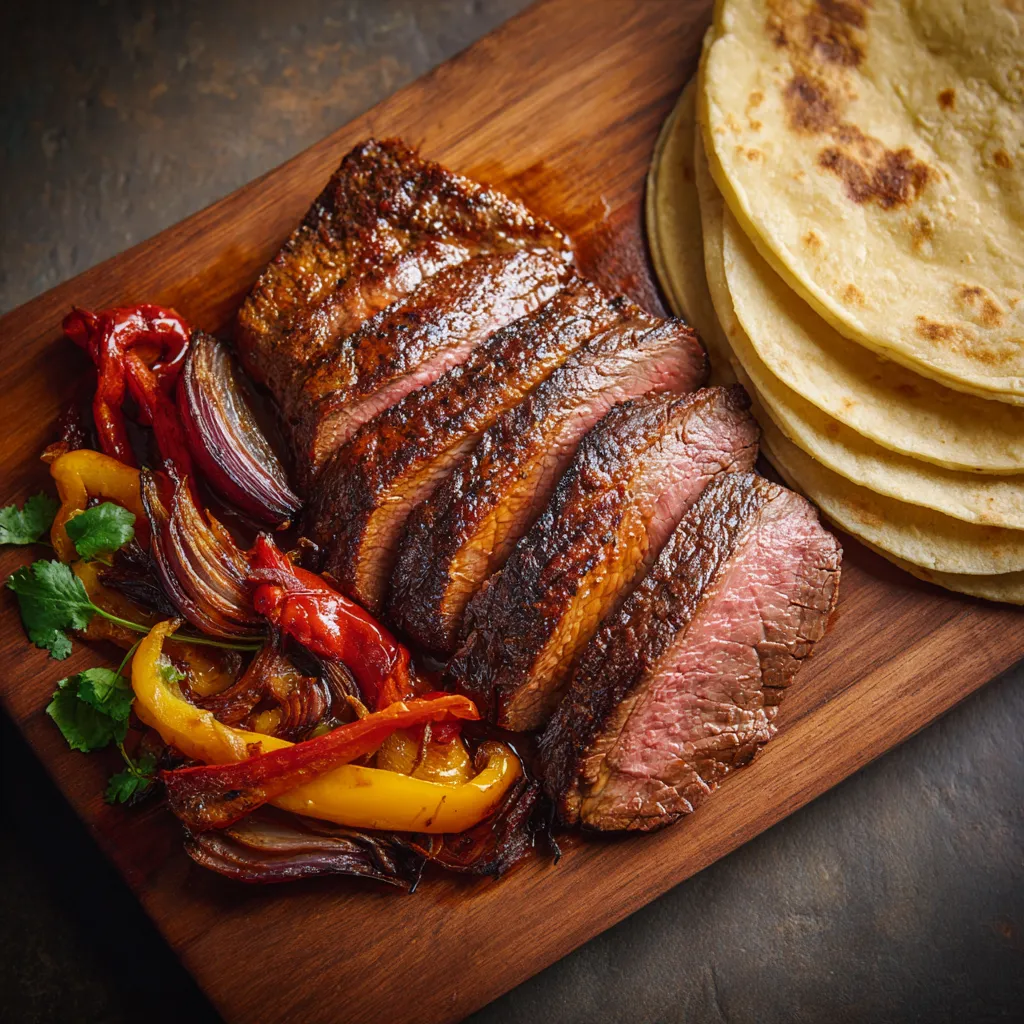
Growing up, fajitas were a staple at every family gathering—strips of grilled steak tossed with sizzling peppers and onions in a cast iron skillet. But once I discovered sous vide picanha fajitas, everything changed. Sous vide picanha fajitas take the bold, beefy essence of traditional fajitas and elevate it with unmatched tenderness and flavor precision. Picanha, also called the top sirloin cap, has a signature fat cap that bastes the meat during cooking—making it ideal for sous vide picanha fajitas.
Unlike skirt or flank steak, which can become chewy or dry, picanha responds beautifully to sous vide. The long, low-temperature water bath transforms this flavorful cut into melt-in-your-mouth slices. That’s the magic of sous vide picanha fajitas—you get edge-to-edge doneness, perfect moisture retention, and the bold crust of a high-heat sear. Once you try sous vide picanha fajitas, you’ll understand why this technique is the gold standard for cooking premium beef at home.
Every time I serve sous vide picanha fajitas, guests ask what makes them so different. It’s the precision cooking. It’s the tenderness. It’s the fat cap that melts and crisps. Whether you’re filling tortillas, building burrito bowls, or topping off a fajita salad, sous vide picanha fajitas always deliver. The contrast between juicy beef and charred peppers creates an irresistible combination that tastes like it came from a high-end steakhouse.
What’s even better? Sous vide picanha fajitas are incredibly forgiving. You can cook the picanha for 3 to 6 hours and still get phenomenal results. That flexibility makes sous vide picanha fajitas a go-to recipe whether you’re planning ahead or throwing dinner together on the fly.
Once you discover the magic of sous vide picanha fajitas, you’ll never go back to stovetop steak strips again. From the rich beef flavor to the picture-perfect sear, sous vide picanha fajitas are the ultimate way to elevate your fajita game at home.
PrintSous Vide Picanha Fajitas
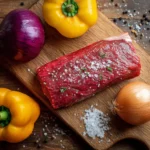
Juicy, steakhouse-quality fajitas made from sous vide picanha, seared in beef fat and served with sautéed onions and peppers.
- Prep Time: 15 minutes
- Cook Time: 3-6 hours
- Total Time: 3 hours 15 minutes
- Yield: 4 servings 1x
- Category: Dinner
- Method: Sous Vide
- Cuisine: Tex-Mex
Ingredients
2 lbs picanha
2 tbsp salt
1 large bell pepper
1 small sweet onion
Optional: tortillas or lettuce wraps, canola oil, seasonings
Instructions
1. Season the picanha liberally with salt on all sides.
2. Vacuum seal the roast in a FoodSaver bag.
3. Cook the picanha sous vide for 3-6 hours at 133–135°F.
4. Remove the picanha from the bag and pat dry.
5. Sear with rendered beef fat in a hot cast iron skillet for 2 minutes per side.
6. Let rest for 15 minutes.
7. Slice peppers and onions, season, and sauté in a hot wok with canola oil.
8. Slice rested picanha against the grain.
9. Serve with sautéed veggies in tortillas or lettuce wraps.
Notes
For added flavor, use spices like cumin, chili powder, or smoked paprika. Double-bag if not vacuum sealing. Reheat leftovers at 130°F for 30–40 minutes.
Nutrition
- Serving Size: 1 plate
- Calories: 380
- Sugar: 3g
- Sodium: 650mg
- Fat: 24g
- Saturated Fat: 9g
- Unsaturated Fat: 13g
- Trans Fat: 0g
- Carbohydrates: 6g
- Fiber: 1g
- Protein: 32g
- Cholesterol: 95mg
Sous Vide Meets Tex-Mex
Traditional fajitas rely on fast, high heat, which often leads to dried-out, uneven steak—especially with lean cuts. But sous vide picanha fajitas flip the script entirely. Instead of playing a guessing game with doneness, you use precision. Set your circulator to 133°F for medium-rare or up to 135°F for medium, and that picanha roast will come out perfectly pink from edge to edge. No grey band, no chewy crust—just consistently juicy results that make sous vide picanha fajitas stand out from anything cooked on a hot grill alone.
That edge-to-edge perfection is one reason sous vide picanha fajitas are ideal for tacos, fajita platters, grain bowls, lettuce wraps, or even loaded nachos. Because the fat cap gently renders in the sous vide bath, you get internal moisture locked in while preparing other elements. Add blistered bell peppers and caramelized onions, and suddenly you’ve created a bold, balanced, and deeply satisfying Tex-Mex experience.
Want to prep ahead? You can cook the beef up to four days in advance and sear just before serving. Or cook and slice your sous vide picanha fajitas, then vacuum seal individual portions for weeknight fajitas without the stress. That versatility makes this method a game changer—whether you’re feeding a crowd or prepping lunches.
The flavor also deepens the longer the picanha cooks (up to 6 hours), while the texture stays firm and silky. Pair your sous vide picanha fajitas with lime crema, guacamole, or fresh pico de gallo, and you’ve got a restaurant-quality dish straight from your kitchen.
Looking for more cuts that love the low-and-slow sous vide method? Don’t miss our guide to the sous vide tri-tip steak. Like sous vide picanha fajitas, it delivers bold flavor and next-level tenderness that’s impossible to get with traditional cooking methods alone.
Once you’ve tasted what sous vide picanha fajitas can do, there’s no going back. Every bite proves why this method isn’t just better—it’s unbeatable.
Prepping Your Picanha for Sous Vide Success
Trim or Leave the Fat Cap? Pros and Cons
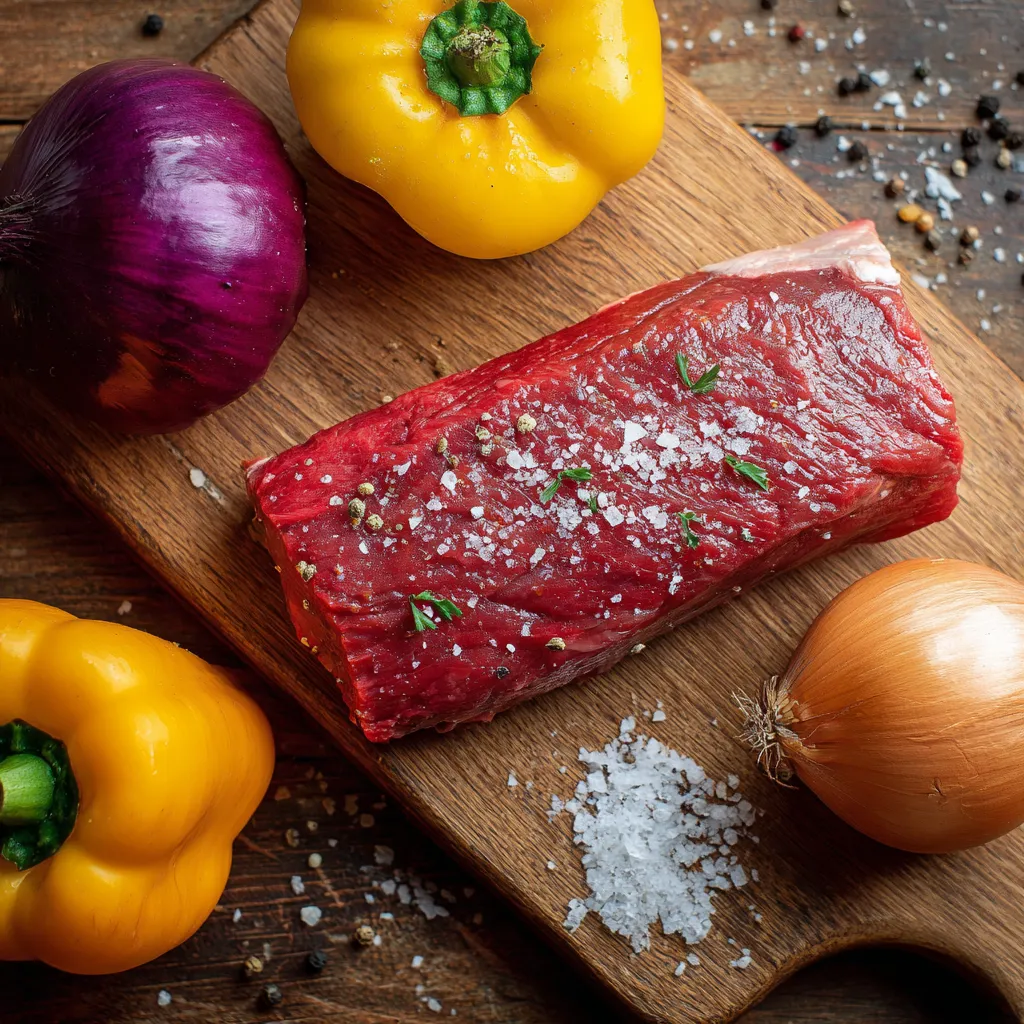
Picanha is famous for its thick, creamy fat cap—a hallmark of this prized Brazilian cut. When preparing sous vide picanha fajitas, that fat layer becomes a strategic decision. Leave it fully intact, and it slowly renders in the water bath, gently basting the meat and infusing every slice with beefy, buttery richness. After sous vide, a hot skillet sear crisps that fat into a golden, flavorful edge that elevates your sous vide picanha fajitas to restaurant-quality.
But not everyone loves a thick fat bite in their fajitas. If you’re slicing the meat thin for tortillas or bowls, consider trimming the fat cap down to ¼ inch before sealing the bag. This allows the fat to contribute flavor without dominating each bite. The beauty of sous vide picanha fajitas is flexibility—you can customize texture and richness without sacrificing tenderness.
Some home cooks take it a step further and remove the fat cap entirely before cooking. Instead of tossing it, they render it in a skillet while the meat cooks, creating a rich beef tallow that can be used to sear the picanha later. This method ensures every element of your sous vide picanha fajitas is purposeful and balanced—especially if you prefer a leaner final dish with a crisp, golden crust.
Regardless of how much fat you leave on, it’s essential to trim any silverskin or gristle from the meat side. This ensures full seasoning penetration and eliminates any chewy, sinewy bites. It’s a small prep step that makes a big difference in the final result of your sous vide picanha fajitas.
And if you’re new to working with picanha or sirloin-based cuts, check out our sous vide sirloin tip roast tutorial. It’s packed with smart trimming tips and prep techniques that apply directly to crafting perfect sous vide picanha fajitas every time.
Whether you keep the fat cap, trim it lightly, or use it for finishing oil, knowing how to prep picanha properly is key. It’s what transforms good sous vide picanha fajitas into truly great ones—full of texture, balance, and unmistakable flavor.
Seasoning and Bagging for Bold Flavor
One of the joys of sous vide cooking is that it doesn’t require heavy seasoning. For these sous vide picanha fajitas, a simple, generous layer of kosher salt on all sides of the meat is often enough to bring out its natural flavor. Two tablespoons of salt per 2-pound roast is a solid rule of thumb. Want to go bold? Add a dash of smoked paprika, cumin, or chili powder for a Tex-Mex twist.
Once seasoned, place the picanha into a vacuum seal bag or use a heavy-duty zip-top bag and the water displacement method. Be sure to keep the seasoning or optional marinade in direct contact with the meat. Seal tightly and double-bag if you’re using a zipper bag—the roast’s weight can strain the seal during long cook times.
Proper bagging prevents leaks, ensures even cooking, and keeps your beef submerged throughout the bath. If you need a refresher on prepping tougher cuts, see how we approach sealing in our sous vide chuck roast method.
Time, Temp & Technique
How Long to Sous Vide Picanha for Fajitas?
The perfect sous vide picanha fajitas experience hinges on two factors: time and temperature. Set your circulator to 133°F for medium-rare or 135°F for medium. These temps deliver a juicy, pink interior while preserving the bold beefiness of picanha. If you prefer a slightly firmer bite, go up to 140°F—but expect a more traditional roast feel.
For cook time, 3 to 6 hours is your sweet spot. Three hours works if you want to preserve more chew and structure—ideal for thick-sliced fajitas. If you’re aiming for melt-in-your-mouth tenderness, go longer. Around 5 to 6 hours, the connective tissues begin to gently break down, softening the texture without turning it mushy. This makes it perfect for tacos or fajita bowls where thin slices matter.
Now, is 4 hours too long to sous vide a steak? Not for picanha. This cut has enough internal structure to benefit from that middle range. Shorter cook times under 2 hours may work for thinner steaks but won’t deliver the same depth and tenderness in a whole picanha roast. Just don’t go beyond 8 hours—overcooking in sous vide leads to a mushy, sponge-like bite as proteins become over-hydrolyzed.
If you’re curious how time affects other cuts, see our breakdown in how long to sous vide top sirloin roast.
Searing Like a Pro With Rendered Fat
After cooking, it’s time to lock in flavor and add contrast. Start by patting the picanha dry with paper towels—this step is crucial. Any leftover moisture on the surface will prevent browning and create steam, which kills the crust.
Here’s a secret to next-level flavor: render the trimmed fat cap in a skillet and use that beef fat for searing. It adds deep, savory notes and mimics the open-flame churrasco effect.
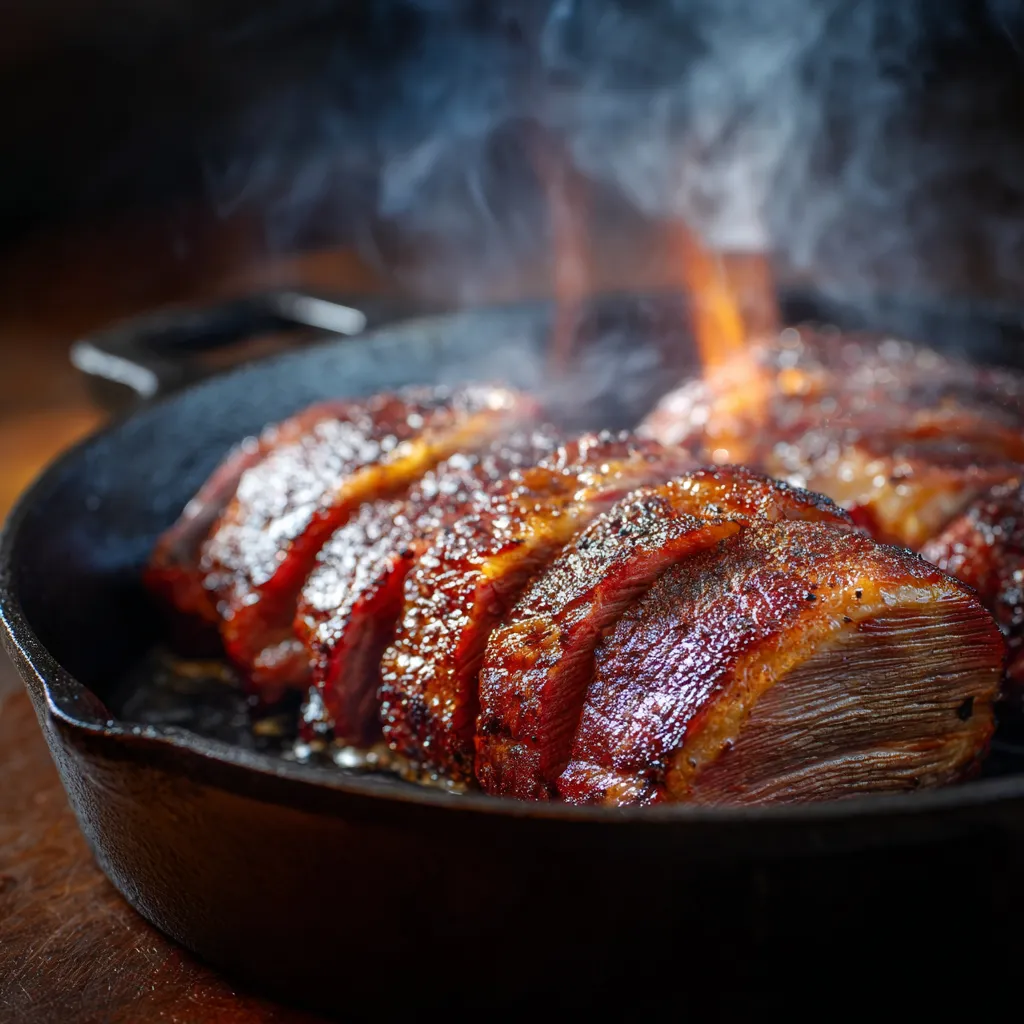
Preheat a cast iron skillet, flat-top griddle, or grill to medium-high heat. Once hot, add the beef fat or a high smoke-point oil like avocado oil. Lay the picanha fat side down first for 2 minutes. Press gently to ensure full contact, then flip and sear the other side for another 2 minutes.
This Maillard crust is what transforms a sous vide steak into a craveable fajita filling. And if you’re into bigger sears and roasts, try our technique for sous vide picanha roast—same concept, bigger canvas.
Slicing, Serving & Storing Leftovers
Slice Against the Grain—And Do It Right
After searing, let the picanha rest for 10 to 15 minutes. This gives the juices a chance to redistribute and helps you get cleaner, more tender slices. Now, the most important move: slice against the grain.
For fajitas, this is everything. Picanha’s grain usually runs lengthwise along the roast, so begin by cutting the meat into sections with the grain, about 3 to 4 inches wide. Then, turn each section 90 degrees and slice thinly against the grain for tender, bite-friendly strips.
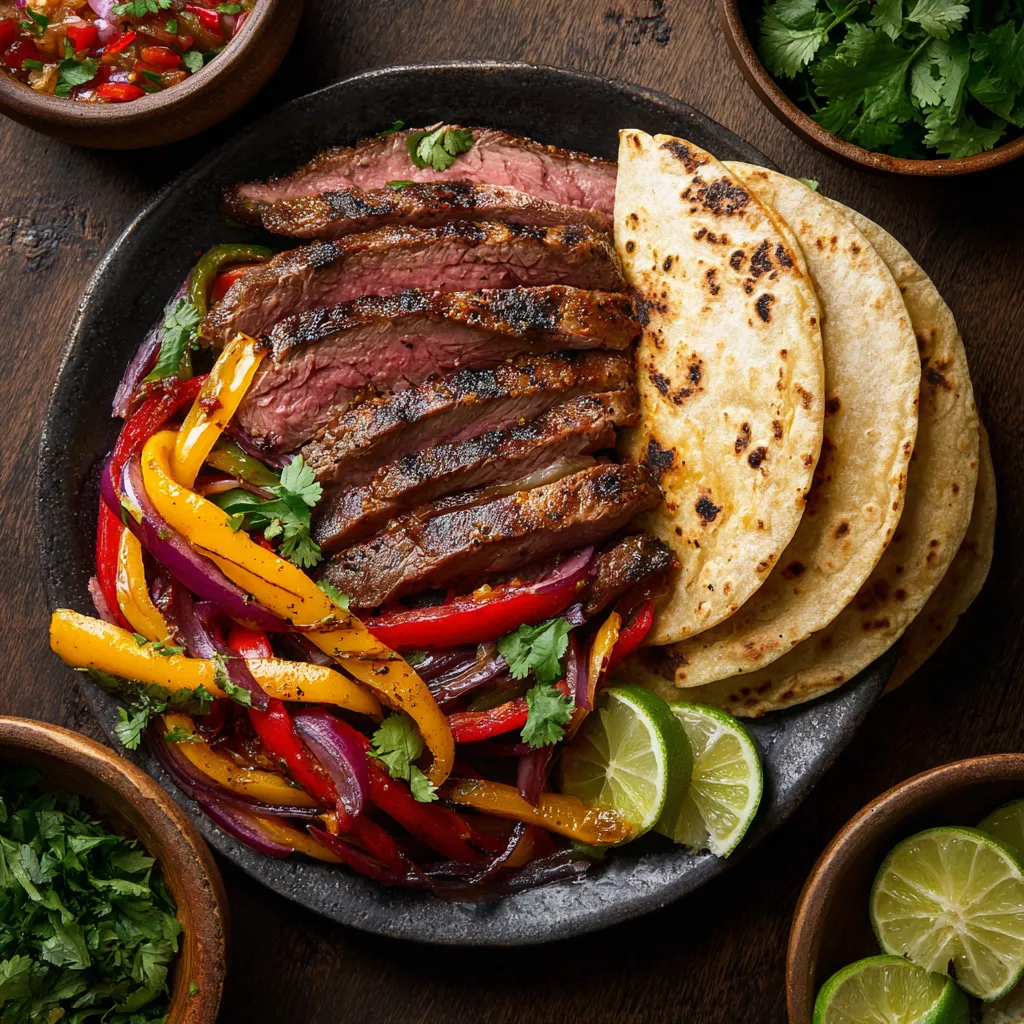
Whether you’re loading up tortillas or tossing into bowls, the result is edge-to-edge doneness with no chewy pieces. Each strip of beef has a rich, seared crust and a perfectly pink interior that’s only possible with sous vide.
Want to switch things up? Serve your picanha slices over a bed of arugula and citrus-dressed slaw for a refreshing contrast. Or skip the tortillas entirely and wrap the beef in crisp lettuce cups for a low-carb option.
If you like this slicing method, we use a similar approach in our sous vide flank steak recipe—ideal for grain-focused slicing.
What to Pair With Sous Vide Picanha Fajitas
This isn’t your average taco night. Sous vide picanha fajitas deserve bold sides and bright toppings to match their depth of flavor. Start with classic fajita veggies: thinly sliced bell peppers and sweet onions sautéed in a bit of canola oil until they’re soft and just charred.
For toppings, go simple or stacked—your call. Think lime crema, fresh cilantro, pickled red onions, sliced jalapeños, or even a drizzle of chimichurri. A sprinkle of finishing salt over the beef right before serving wakes up all the flavor.
As for carbs, flour tortillas give a soft, pillowy wrap, while grilled corn tortillas offer smoky texture. Want to serve it bowl-style? Pair with garlic rice, black beans, and avocado slices.
Now let’s talk leftovers. Picanha holds beautifully. Store sliced meat in an airtight container in the fridge for up to 4 days. To reheat, place the slices in a sealed bag and warm them in a 130°F sous vide bath for 30–40 minutes. No dryness. No loss of texture.
You can also freeze individual portions post-slice and reheat straight from frozen—making this an ideal protein for meal prep fajita bowls, sandwiches, tacos, or even steak-and-eggs breakfasts.
Conclusion
When you pair the bold flavor of picanha with the precision of sous vide, fajitas reach a whole new level. Gone are the days of overcooked steak strips and inconsistent texture. With this method, you get juicy, tender slices every time—crusted on the outside, perfectly pink inside, and packed with deep, beefy flavor.
Whether you’re serving sizzling fajitas for a family dinner or meal-prepping high-protein lunches for the week, sous vide picanha fajitas give you the steakhouse experience with minimal fuss. The fat cap renders beautifully, the sear adds irresistible flavor, and the leftovers are just as crave-worthy as the first bite.
Once you’ve tried this recipe, you’ll see just how effortless gourmet cooking can be with sous vide. It’s Tex-Mex reimagined—and elevated.
Join us on Facebook and Pinterest for even more delicious recipe ideas!
FAQs
How long should you sous vide picanha?
Sous vide picanha is best cooked between 3 and 6 hours at 133°F to 135°F. This timing ensures a tender, juicy result while maintaining beefy texture. Longer cook times (up to 6 hours) yield more tender slices without mushiness.
Is picanha good for fajitas?
Yes—picanha is excellent for fajitas. Its fat cap and bold flavor create juicy, richly marbled slices that stand up well to sautéed peppers, onions, and bold toppings. When sliced against the grain after cooking, it’s melt-in-your-mouth tender.
How long to sous vide fajita?
For steak-based fajitas like picanha or flank, cook sous vide at 133°F for 3–6 hours. This method ensures even doneness, maximized flavor, and ideal slicing texture for tacos, bowls, or lettuce wraps.
Is 4 hours too long to sous vide a steak?
For thinner cuts, yes. But for whole picanha, 4 hours is a sweet spot. It tenderizes the meat while preserving structure—making it ideal for slicing into fajitas. Just don’t exceed 8 hours to avoid textural breakdown.
Can you cook meat too long in sous vide?
Yes. While sous vide is forgiving, overcooking beyond 8–10 hours can turn meat mushy. For picanha, stick to the 3–6 hour range for optimal results.
What temperature is best for picanha?
The ideal sous vide temperature for picanha is 133°F for medium-rare or 135°F for medium. These temps yield juicy, evenly cooked meat that’s easy to slice for fajitas.
How long to sous vide at 140?
At 140°F, picanha will be closer to medium-well. Limit the cook to 3–4 hours to maintain texture. This temperature works if you prefer a firmer, traditional roast-like bite.