
➤ Table of Contents
Growing up in sunny Florida, glazed carrots were always on our holiday table—bright orange, buttery, and served alongside roast beef or ham. But let’s be honest: they were hit or miss. Sometimes they were tender and sweet, but other times? Mushy, bland, or unevenly cooked. It wasn’t until I tried sous vide glazed carrots that everything changed.
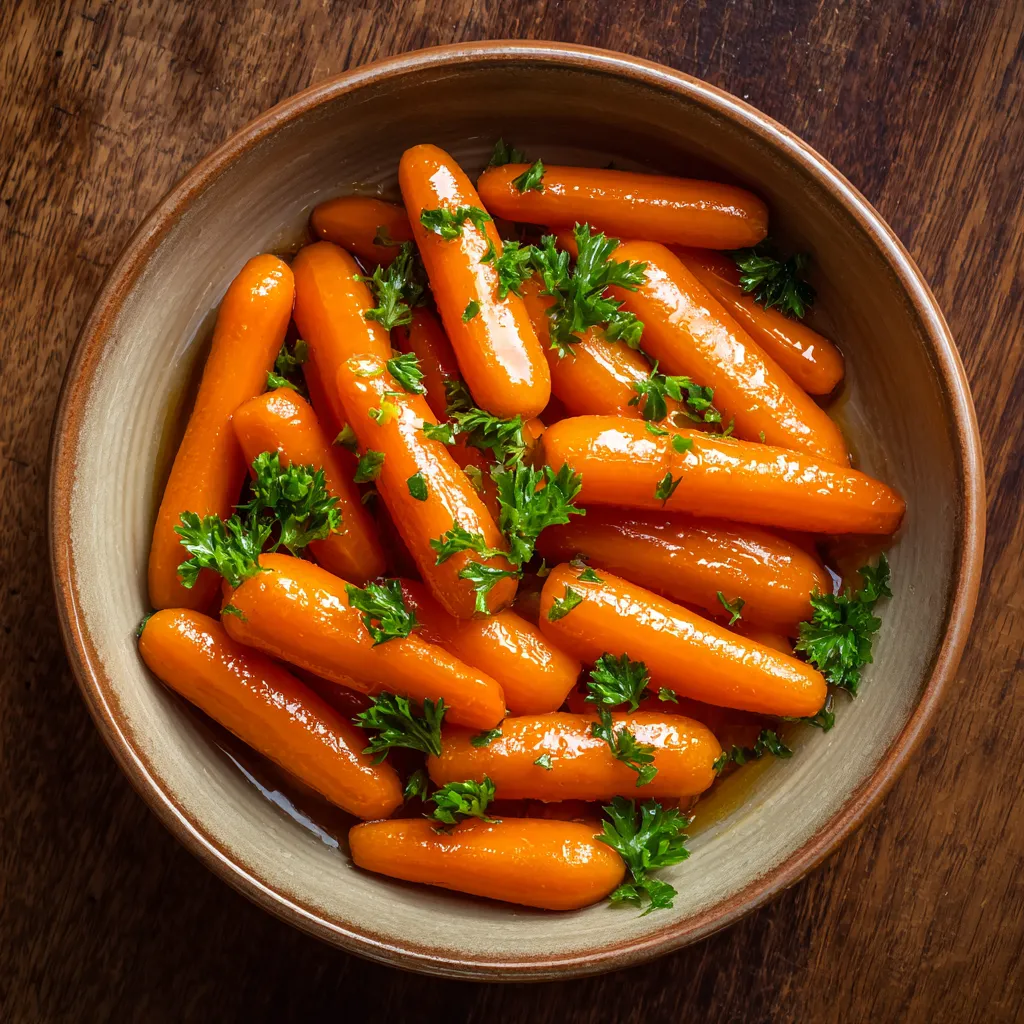
The first time I vacuum-sealed carrots with just a little butter, sugar, and salt, then let them bathe at 183°F for an hour, I knew I’d never go back. They came out perfectly tender—not a mushy bite in the bunch—with all their natural sweetness intact. And when I tossed them in the skillet to reduce the bag juices into a shiny, buttery glaze? Magic. That first bite of sous vide glazed carrots was everything I loved about the classic side—but better in every way.
What makes sous vide glazed carrots so special is the precision. You’re not boiling out flavor or roasting them unevenly. Instead, you’re cooking them gently in their own juices, locking in sweetness and texture with zero guesswork. Whether you’re planning a holiday feast or just want a vegetable that steals the show, sous vide glazed carrots deliver.
In this recipe, I’ll show you exactly how to get consistent, restaurant-quality results at home with simple ingredients and real-kitchen tools. No hard-to-find gadgets or overly fussy techniques—just buttery, glossy carrots that everyone at the table will rave about.
Need more veggie inspiration? Check out my go-to Sous Vide Vegetable Recipes or browse the Sous Vide Beginner’s Guide if you’re new to the method. Once you taste these carrots, you’ll understand why I never make them any other way.
PrintSous Vide Glazed Carrots

Sous vide glazed carrots are buttery, sweet, and perfectly tender. This foolproof side dish locks in flavor and cooks evenly, every time.
- Prep Time: 10 minutes
- Cook Time: 1 hour 2 minutes
- Total Time: 1 hour 12 minutes
- Yield: 4 servings 1x
- Category: Side Dish
- Method: Sous Vide
- Cuisine: American
- Diet: Vegetarian
Ingredients
1 pound (454 g) baby whole small carrots, peeled or scrubbed, or large carrots cut into 1-inch chunks
2 tablespoons (30 g) unsalted butter
1 tablespoon (12 g) sugar
1/2 teaspoon kosher salt
Freshly ground black pepper, to taste
1 tablespoon chopped parsley (optional)
Instructions
1. Preheat sous vide bath to 183°F (84°C).
2. Place carrots, butter, sugar, and salt into a vacuum-sealed or zipper-lock bag.
3. Seal the bag and cook in the water bath for 1 hour.
4. Transfer contents to a skillet and cook over high heat, stirring constantly, until liquid forms a shiny glaze, about 2 minutes.
5. If glaze breaks, add water 1 tsp at a time while swirling pan to re-form.
6. Season with pepper, stir in parsley, and serve.
Notes
Carrots can be cooked and stored in the bag for up to 1 week before glazing.
Perfect for holiday prep or weekly meal planning.
Nutrition
- Serving Size: 1/4 batch
- Calories: 110
- Sugar: 6g
- Sodium: 320mg
- Fat: 8g
- Saturated Fat: 5g
- Unsaturated Fat: 3g
- Trans Fat: 0g
- Carbohydrates: 10g
- Fiber: 2g
- Protein: 1g
- Cholesterol: 20mg
Choosing, Prepping, and Sealing Carrots for Sous Vide Perfection
When it comes to making flawless sous vide glazed carrots, the type of carrot you choose can make a big difference. I’ve tested this recipe with everything from small baby carrots to full-sized heirlooms, and here’s what I recommend: go for baby whole carrots when you want a uniform look and minimal prep, or choose larger carrots and cut them into thick 1-inch chunks for a rustic, hearty feel. Either way, be sure to peel or scrub them clean—grit ruins the magic.
Fresh carrots from a farmers’ market will always taste sweeter and more vibrant, but store-bought works just fine. Just be sure to avoid pre-cut carrot sticks—they’re often dry and lack flavor, which doesn’t do your sous vide glazed carrots any favors.
Now for the flavor base: add 2 tablespoons of unsalted butter, 1 tablespoon of sugar, and about ½ teaspoon of kosher salt to your carrots before sealing. This simple combo enhances their natural sweetness and sets the stage for a glossy finish later. Want to experiment? Try a pinch of cinnamon, orange zest, or even a splash of maple syrup for a twist.
When it’s time to seal the bag, you’ve got two reliable options: vacuum sealing or the water displacement method using a sturdy zipper-lock bag. Either works great, but make sure your carrots lay in a flat, even layer so they cook uniformly. Remove as much air as possible—air pockets reduce water contact and slow down cooking.
Label the bag with the date and temp (183°F for carrots), and you’re ready to cook. If you want gear tips, my go-to sealers and bag choices are all listed in the Sous Vide Tools & Accessories section of the site. You can also check out this similar Sous Vide Carrots Recipe for flavor variations.
With your carrots bagged and ready, it’s time to dive into cooking and glazing. Let’s get into temperatures and the key to that shiny, buttery finish.
Choosing the Right Carrots for Sous Vide Glazing
When it comes to making delicious sous vide glazed carrots, start with the right type of carrot. I’ve tested this recipe with everything from pre-peeled baby carrots to thick heirlooms fresh from the farmers’ market—and while all work, each has its quirks.
For convenience, go with baby whole carrots. They’re consistent in size and cook evenly without slicing. But if you’re after bold carrot flavor and don’t mind a little prep, choose larger carrots and cut them into thick, 1-inch chunks. Just be sure to peel or scrub thoroughly—any residual dirt will ruin the clean, sweet taste you’re after.
Fresh carrots tend to be sweeter and more vibrant in color, which is exactly what you want when showcasing sous vide glazed carrots as a star side. Steer clear of pre-cut sticks or “snack carrots”—they’re often dried out and don’t deliver the same buttery finish.
Need inspiration for other vegetable sous vide dishes? Head over to our full Sous Vide Vegetable Recipes collection, or explore the Sous Vide Carrots Recipe for flavor twists like ginger or citrus glazes.
Bagging and Sealing Tips for Even Cooking
Once your carrots are peeled and portioned, it’s time to season and seal. For that classic glaze flavor, add 2 tablespoons of unsalted butter, 1 tablespoon of sugar, and about ½ teaspoon of kosher salt to the bag. These simple ingredients enhance the carrots’ natural sweetness and prepare them for a buttery, glossy glaze post-cook.
Now, bagging. You can use either a vacuum sealer or the water displacement method with a sturdy zipper-lock bag. Just make sure the carrots lay flat in a single layer inside the bag—this ensures even cooking from edge to center. Crowding them can lead to uneven texture, especially with larger cuts.
Before sealing, remove as much air as possible. Air pockets create insulation, which means inconsistent cooking. If you’re meal prepping, label each bag with the temp (183°F) and the date. You’ll thank yourself later.
Want gear tips for better results? Check out my favorite vacuum sealers and reusable bags on the Sous Vide Tools & Accessories page. A good seal is the first step toward perfectly tender, show-stopping sous vide glazed carrots.
Time, Temperature & Finishing the Glaze Just Right
For the perfect sous vide glazed carrots, temperature is everything. Unlike proteins, vegetables like carrots are rich in pectin—a natural compound that gives them structure. To soften carrots while keeping them intact, you need to break down that pectin properly. The magic number? 183°F (84°C). At this temperature, your carrots become fully tender without turning to mush.
Set your immersion circulator to 183°F and cook the sealed carrots for 1 hour. That’s long enough to fully transform their texture without dulling their flavor. Wondering how long should you sous vide carrots or what temperature to sous vide vegetables? This is the answer. Unlike steaming, which can be uneven, or roasting, which requires constant monitoring, sous vide glazed carrots cook evenly edge to center. You’ll never have crunchy centers or limp outer edges again.
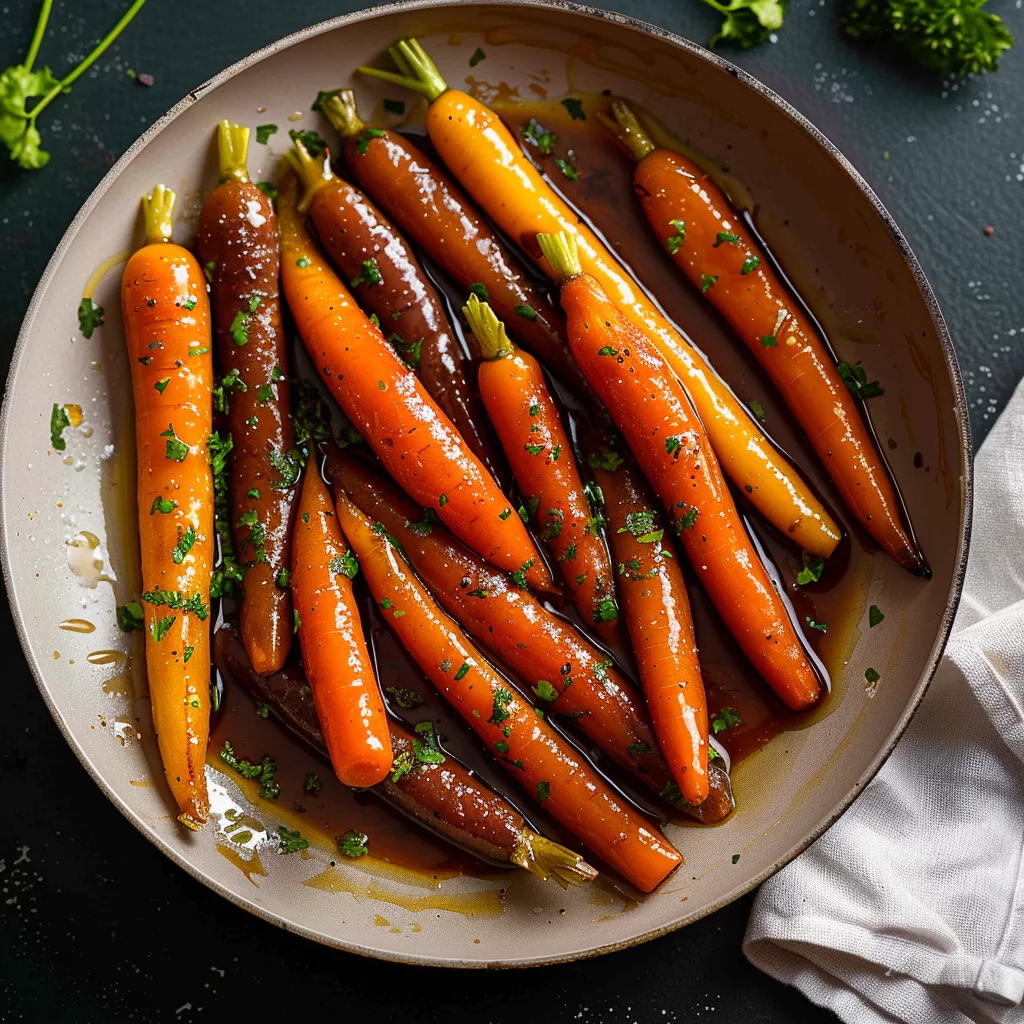
Once the sous vide process is done, you’re left with more than just tender carrots—you’ve got a flavor-packed bag of buttery juices. To finish, pour the entire contents of the bag into a large, heavy skillet. Over high heat, stir constantly until the liquid reduces to a glossy glaze, about 2 minutes. This step transforms your sous vide glazed carrots from simple to spectacular.
If the glaze looks greasy or separates, don’t worry. Add a teaspoon of water at a time, and shake the pan gently to re-emulsify the butter. The goal is a shiny coating that clings to the carrots—not a puddle of broken fat. Season with freshly cracked pepper, a pinch more salt if needed, and a sprinkle of chopped parsley.
Want to master this technique? Visit our Sous Vide Finishing Techniques guide for tips on glazing, pan work, and sauce control. You’ll also find more inspiration in our Sous Vide Sides collection.
With your sous vide glazed carrots now gleaming and perfectly cooked, let’s move on to serving ideas and storage tips that make this dish even more versatile.
How to Glaze Sous Vide Carrots Without Breaking the Sauce
Once your sous vide glazed carrots are tender and hot, it’s time to create that signature shiny glaze. Pour the entire contents of the bag—carrots, butter, sugar, and all—into a large, heavy skillet. Turn the heat to high and stir constantly. In about 2 minutes, the liquid will reduce into a thick, glossy coating that clings beautifully to each carrot.
Sometimes the glaze can “break” and turn greasy—that just means the butter has separated. No stress. Add a teaspoon of water at a time and shake the pan until it comes back together. Keep stirring until the carrots are evenly glazed and shimmering.
Now is the time to taste. Add more salt or a pinch of pepper if needed. Want a finishing touch? Stir in a tablespoon of chopped fresh parsley for color and brightness.
Mastering this step takes your sous vide glazed carrots from good to unforgettable. If you’re looking to sharpen your glazing, searing, or pan-reduction skills, our Finishing Techniques Guide covers it all.

Serving, Pairing & Storage Tips for Sous Vide Glazed Carrots
Once your sous vide glazed carrots are glazed and gleaming, they’re ready to serve—but don’t stop there. These buttery, tender carrots are incredibly versatile and deserve a spot on more than just the holiday table. They’re the kind of side that complements everything from seared steaks and roast chicken to hearty vegetarian mains and creamy risottos.
Presentation-wise, keep it simple. A light sprinkle of chopped parsley adds color and freshness, while a grind of black pepper brings just the right amount of bite. Serve them in a shallow bowl or platter, letting that glossy glaze shine. And if you’re hosting, make a double batch—sous vide glazed carrots have a way of disappearing fast.
For pairing, think big flavors and bold contrasts. These carrots shine next to rich meats like lamb, pork tenderloin, or duck. They also play beautifully with grain bowls, lentil salads, or even a creamy polenta base. Whether you’re building a weeknight dinner or planning a feast, sous vide glazed carrots bring color, flavor, and balance to the plate.
Storing them is easy, too. If you’re not serving them immediately, the sealed bags can go straight into the fridge after cooking—just don’t glaze them yet. They’ll keep for up to one week. When ready to serve, simply reheat the entire bag in a hot water bath, glaze as usual, and you’re done.
Leftover glazed carrots? Lucky you. Toss them into a salad, warm them into a grain bowl, or purée them with a splash of cream for a vibrant soup starter. Their flavor actually deepens over time.
Need more ways to prep ahead or repurpose extras? Browse our Meal Prep Recipes and Holiday Sides Guide to get even more out of your sous vide glazed carrots.
Now that you’ve mastered prep, cooking, and serving, let’s wrap up with answers to your most-asked carrot questions.
Storage, Leftovers & How to Reheat Glazed Carrots
One of the best things about sous vide glazed carrots is how well they store and reheat. If you’re making them ahead for a big dinner, you can sous vide the carrots, chill them right in the bag, and store them in the fridge for up to a week. Just hold off on glazing until you’re ready to serve.
To reheat, place the sealed bag back in a hot water bath at 183°F for 10–15 minutes, then proceed with the skillet glaze as usual. If you’ve already glazed them, reheat gently in a skillet over medium-low, adding a splash of water to refresh the glaze if needed.
Got leftovers? You’re in luck. These sous vide glazed carrots are incredibly versatile. Chop and toss them into grain bowls, dice them into frittatas, or purée with cream for a quick carrot soup. Their deep flavor actually improves over a day or two.
Looking to build more meals around make-ahead vegetables? Check out our Sous Vide Meal Prep Recipes for smart storage tips and creative reuses.
Conclusion
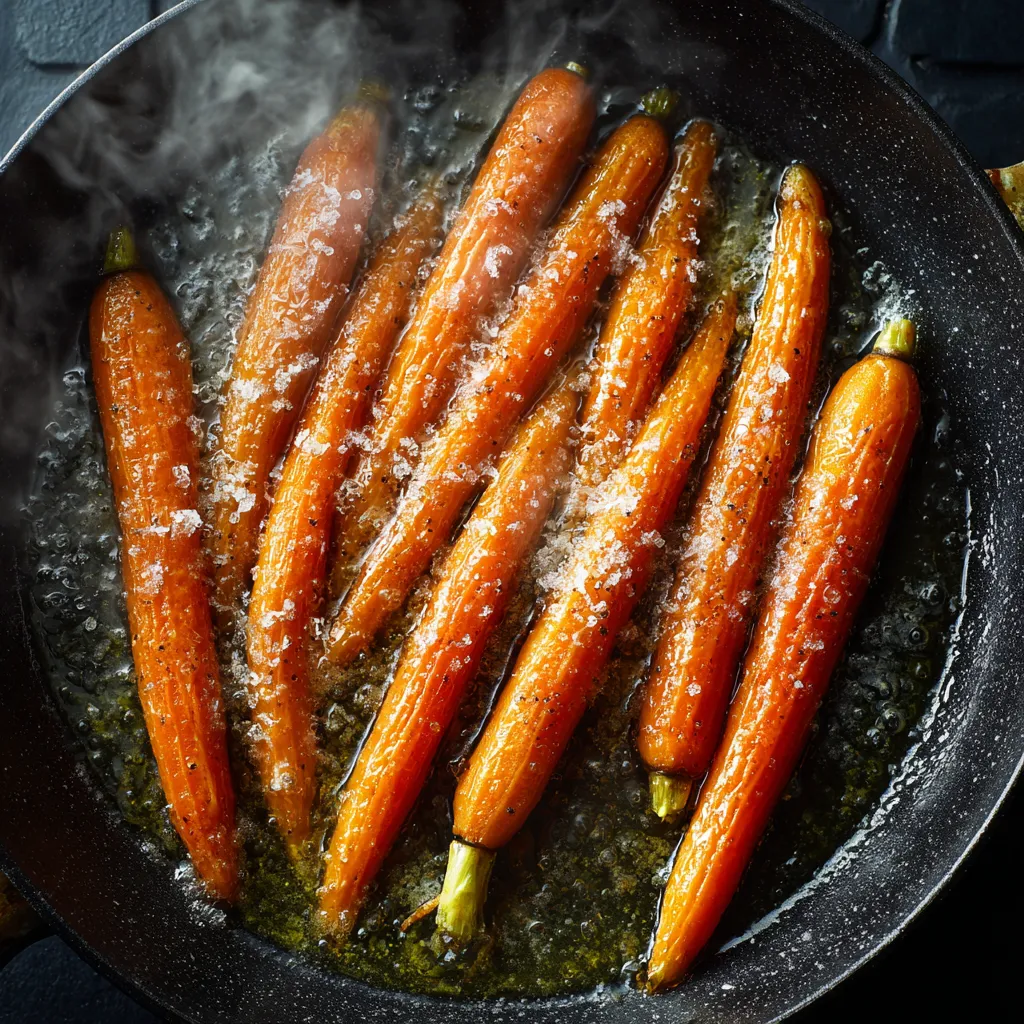
If you’ve only ever made carrots by boiling or roasting, sous vide glazed carrots will completely change your perspective. With precise temperature control and a simple glaze, you get vegetables that are sweet, tender, and deeply flavorful—without any guesswork or overcooking. Whether you’re cooking for a holiday crowd or elevating a Tuesday night dinner, these carrots are easy to make and hard to beat.
I love how this method brings out the natural beauty of carrots while making them shine with butter and just enough sugar. They’re simple but special—exactly the kind of dish that makes home cooking feel joyful and satisfying.
Ready to try them yourself? Grab your carrots, heat up your circulator, and let’s bring a little extra magic to your plate with sous vide glazed carrots.
Join us on Facebook and Pinterest for even more delicious recipe ideas!
FAQs
How long should you sous vide carrots?
Carrots should be cooked sous vide for 1 hour at 183°F (84°C). This time and temperature combo breaks down their firm structure and yields tender, flavorful results without turning them mushy.
What’s the best way to glaze carrots?
The easiest method is reducing the butter and sugar liquid from the sous vide bag in a hot skillet. Stir constantly until it forms a shiny, thick glaze. If it breaks, add a splash of water and swirl the pan to re-emulsify.
What temperature to sous vide vegetables?
Vegetables vary, but most root vegetables—including carrots—are best sous vided at 183°F. This temp effectively softens their dense structure while maintaining flavor and nutrients.
How long to sous vide root vegetables?
Root vegetables like carrots, parsnips, and beets typically need 1 to 2 hours at 183°F depending on size. Carrots, specifically, reach ideal tenderness at 1 hour when cut into uniform pieces.
At what temperature do carrots cook?
Carrots begin to soften at around 180°F, but 183°F is the sweet spot for sous vide cooking. It fully breaks down pectin, making them fork-tender while preserving their natural sweetness.
Can I sous vide for too long?
Yes. Unlike proteins, vegetables can become overly soft or lose texture if left too long. For sous vide glazed carrots, stick to the recommended 1 hour. Longer cook times can lead to a mushy result.
How long do carrots need to be steamed?
Steaming carrots takes about 10–15 minutes depending on size, but the sous vide method offers superior texture and flavor without the risk of overcooking or uneven doneness.