
➤ Table of Contents
I used to grill tri-tip the traditional way—hot and fast over flame. But even when I did everything “right,” it was hard to hit that sweet spot between juicy inside and browned crust. Sometimes it came out tough; sometimes overdone. That changed the day I discovered Seared Sous Vide-Style Tri-Tip Steak.
My first try? Total magic. I pre-seared the steak quickly in a cast iron skillet, bagged it, and cooked it low and slow in a warm water bath. It emerged buttery-soft, and after a second sear, the exterior turned deep golden and crisp. It was the steakhouse experience I had always wanted—just in my own kitchen.
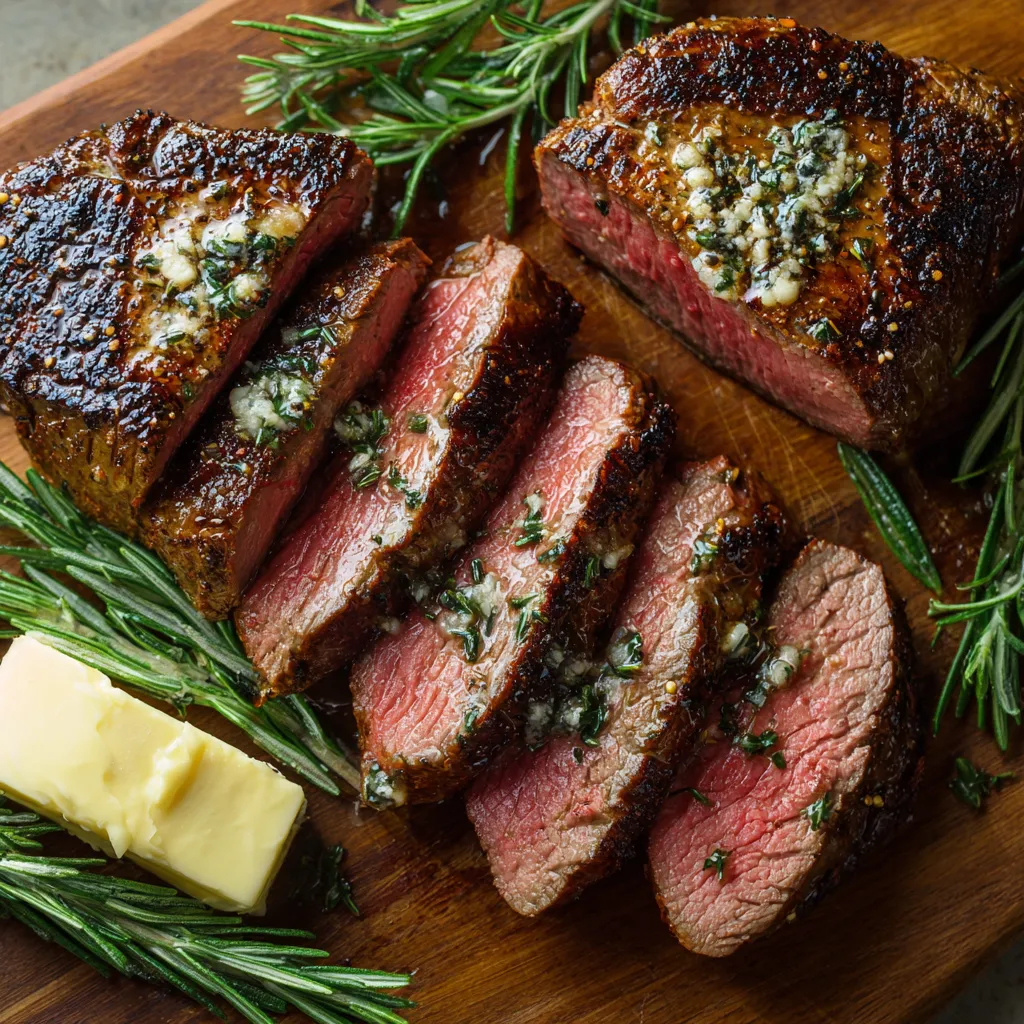
Now, Seared Sous Vide-Style Tri-Tip Steak is a regular star at our dinner table. It’s quick, reliable, and seriously impressive when guests come over. With minimal ingredients—just salt, pepper, and optional rosemary—it delivers big, beefy flavor every time. Want to level it up? Add a dollop of garlic herb butter or serve with a side of cowboy butter.
If you’ve struggled to get tri-tip steak just right—crispy on the outside but perfectly pink inside—Seared Sous Vide-Style Tri-Tip Steak is about to change your game. This method blends the low-and-slow tenderness of sous vide with a high-heat sear for flavor-packed results every time. In this guide, we’ll cover exact temps and timing, searing tips, and what really makes this cut shine. We’ll also walk you through seasoning, sealing, and serving like a pro. Whether you’re new to tri-tip or upgrading from the grill, this step-by-step method ensures edge-to-edge perfection—without the stress.
PrintSeared Sous Vide-Style Tri-Tip Steak
Tri-tip made foolproof with sous vide-style cooking and a buttery sear. Juicy inside, crusty outside—this is your new favorite steak method.
- Prep Time: 10 minutes
- Cook Time: 3 hours
- Total Time: 3 hours 10 minutes
- Yield: 2 servings 1x
- Category: Dinner
- Method: Sous Vide-Style
- Cuisine: American
Ingredients
2 tri-tip steaks (6–8 oz each)
Kosher Salt
Freshly cracked black pepper
2 rosemary sprigs (optional)
1 tbsp butter or ghee
Instructions
1. Preheat water bath to 129°F using an immersion circulator.
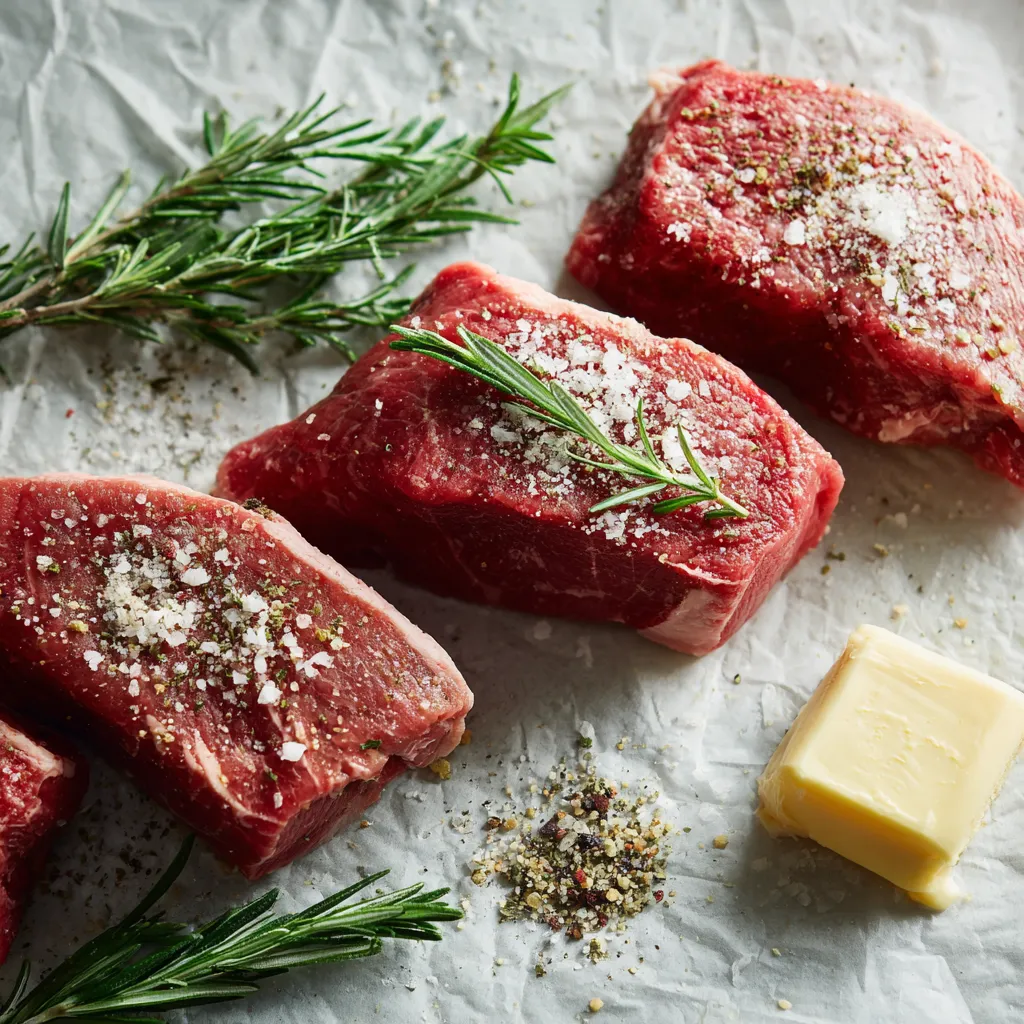
2. Season steaks with kosher salt and pepper.
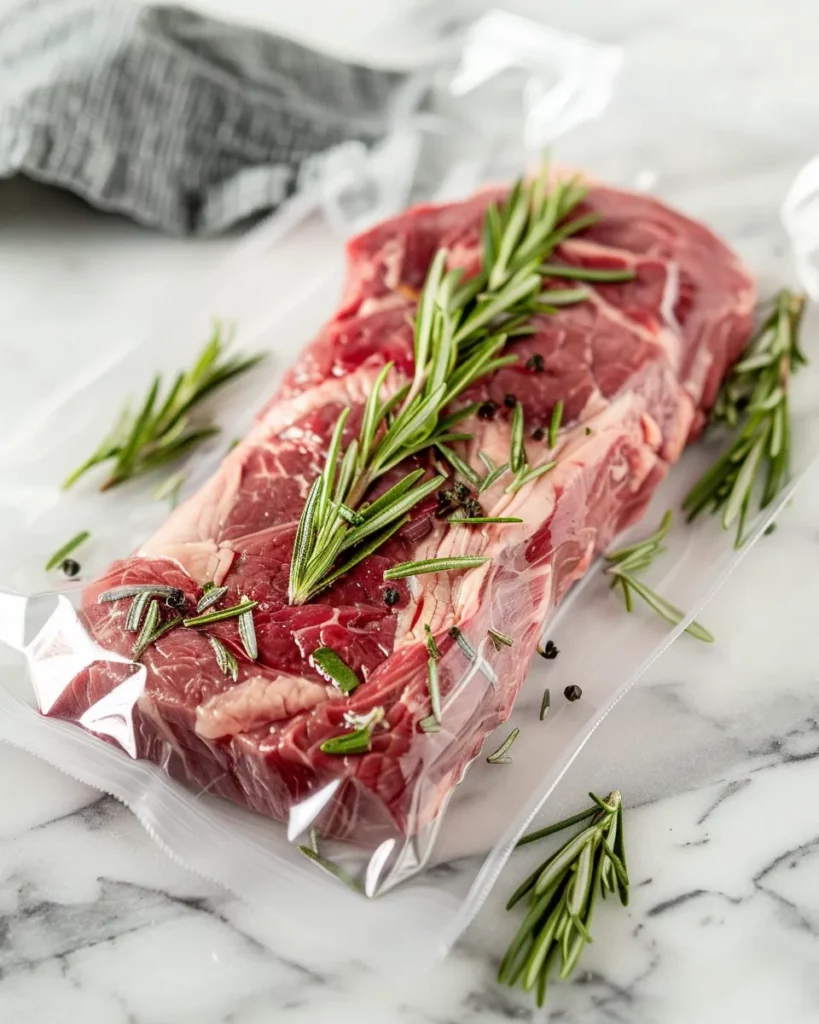
3. Add rosemary if desired, and vacuum seal or use water displacement.
4. Place in water bath and cook for 1–3 hours.
5. Remove and pat dry thoroughly.
6. Heat cast iron skillet over high heat until smoking.
7. Add butter or ghee, then sear steak 30–45 seconds per side.
8. Let rest for 5 minutes, slice against the grain, and serve.
Notes
Use zip-top bags with water displacement method if you don’t have a vacuum sealer.
Resting is crucial to keeping juices inside.
Serve with cowboy butter, chimichurri, or garlic herb butter.
Nutrition
- Serving Size: 6 oz
- Calories: 450
- Sugar: 0g
- Sodium: 720mg
- Fat: 28g
- Saturated Fat: 12g
- Unsaturated Fat: 14g
- Trans Fat: 0g
- Carbohydrates: 1g
- Fiber: 0g
- Protein: 40g
- Cholesterol: 105mg
What makes this cut perfect for sous vide-style cooking
Tri-tip comes from the bottom sirloin, which means it’s lean, beefy, and full of rich, bold flavor. It’s the kind of cut that steak lovers dream about—less expensive than premium cuts like filet mignon, but just as satisfying when prepared right. Its triangular shape and uneven thickness, however, make it notoriously hard to get right with traditional cooking methods. On the grill or in a pan, one end tends to dry out while the thicker portion stays underdone. But with Seared Sous Vide-Style Tri-Tip Steak, you eliminate that problem entirely.
By using a sous vide-style approach, you allow the tri-tip to cook gently and evenly in a temperature-controlled water bath. The result? Even cooking from edge to edge, and no risk of overcooking. The low-and-slow heat works wonders on tri-tip’s naturally firm fibers, breaking them down just enough to make every bite tender, juicy, and incredibly satisfying. After it’s cooked to your ideal doneness, a hot, fast sear gives Seared Sous Vide-Style Tri-Tip Steak its signature crust—the flavorful, caramelized exterior that steak dreams are made of.
What makes Seared Sous Vide-Style Tri-Tip Steak so appealing is that it combines the precision of sous vide with the soul of a classic sear. You get that steakhouse finish at home, without needing a commercial-grade grill or hours of attention. You also gain control. Want rare? Go with 126°F. Medium rare? Aim for 129°F. Prefer medium? 134°F will get you there. Regardless of your choice, Seared Sous Vide-Style Tri-Tip Steak keeps its juices locked in, even if your timing isn’t perfect.
This method is especially helpful for busy weeknights or entertaining. You can prep your tri-tip in advance, seal it in a vacuum or zip-top bag, and let the sous vide bath do the work. Once it’s done, all you need is a few minutes on a hot skillet to finish. It’s this kind of flexibility that has made Seared Sous Vide-Style Tri-Tip Steak a staple in my kitchen.
While the technique works great on other cuts like sirloin steak or the options in our Zero Stress Sous Vide Steak guide, it’s the tri-tip that benefits most. Its unique structure, rich marbling, and deep beef flavor pair perfectly with the gentle sous vide-style method. If you’ve ever had dry, chewy tri-tip from the grill, give Seared Sous Vide-Style Tri-Tip Steak a try. It’s a complete transformation—one that delivers tenderness, juiciness, and crave-worthy crust every single time.
Find Your Perfect Temp for Seared Sous Vide-Style Tri-Tip Steak
The best temp and time for tri-tip sous vide-style
When it comes to Seared Sous Vide-Style Tri-Tip Steak, precision is your secret weapon—and temperature is the battlefield. The beauty of this method lies in its exact control. For that juicy, rosy-pink center with just the right amount of resistance, aim for 129°F (54°C). This is the sweet spot where Seared Sous Vide-Style Tri-Tip Steak becomes ultra tender while retaining that satisfying tri-tip chew. It’s not mushy, not rubbery—just perfectly balanced.
Prefer a slightly more done finish? Try 132°F for medium-rare, where the meat turns a shade pinker and firmer but still slices like butter. For those who like a more traditional medium, bump it to 138°F (59°C). The magic of Seared Sous Vide-Style Tri-Tip Steak is that no matter your target doneness, the steak remains evenly cooked edge-to-edge—no gray ring, no raw center.
Unlike grilling or pan-searing, which rely on fast, uneven heat, sous vide-style cooking gently raises the tri-tip to your exact chosen temperature and holds it there for hours if needed. That consistency means you won’t ever overcook your Seared Sous Vide-Style Tri-Tip Steak, even if you forget it in the bath for an extra hour.
Here’s where this shines: Tri-tip is thick and oddly shaped, making it challenging to nail the doneness using conventional techniques. But with Seared Sous Vide-Style Tri-Tip Steak, even the thickest center gets the same treatment as the edges. You end up with a uniform, juicy interior that’s tailor-made for slicing.
Don’t forget, a reliable thermometer and a quality immersion circulator can elevate this technique even further. When paired with a hot cast iron finish, Seared Sous Vide-Style Tri-Tip Steak becomes the gold standard for at-home steak cooking.
Here’s a quick cheat sheet for reference:
| Doneness | Temperature | Texture |
|---|---|---|
| Rare | 125°F (52°C) | Very soft and red inside |
| Medium Rare (Recommended) | 129°F (54°C) | Juicy, pink, and tender |
| Medium | 134°F (57°C) | Slightly firmer, still moist |
| Medium Well | 140°F (60°C) | Firm, less pink, still tender |
For time, the ideal range is 1 to 3 hours. That’s enough to tenderize the meat without breaking it down too much. If you’re short on time, go with one hour. But if you want that melt-in-your-mouth texture, two to three hours is your best bet. This slow, controlled cooking environment is what makes Seared Sous Vide-Style Tri-Tip Steak so reliable.
Why sous vide-style is better than grilling for this cut
Grilling tri-tip sounds great in theory—until you overcook one end while the thicker part stays raw. Tri-tip’s uneven thickness makes it a nightmare on the grill. That’s why Seared Sous Vide-Style Tri-Tip Steak is such a game changer. By cooking it evenly in a water bath, you remove all the guesswork. Every part of the steak hits your target temp, no matter the shape.
Once you’re done cooking, a fast sear locks in that flavor. Try finishing with cowboy butter or check out how we finish sous vide steak in the broiler for that extra kick. Whether it’s a weeknight dinner or a weekend showstopper, Seared Sous Vide-Style Tri-Tip Steak gives you steakhouse-level results at home—no grill required.
Sear, Season, and Slice Seared Sous Vide-Style Tri-Tip Steak Like a Pro
How to sear for flavor and crust
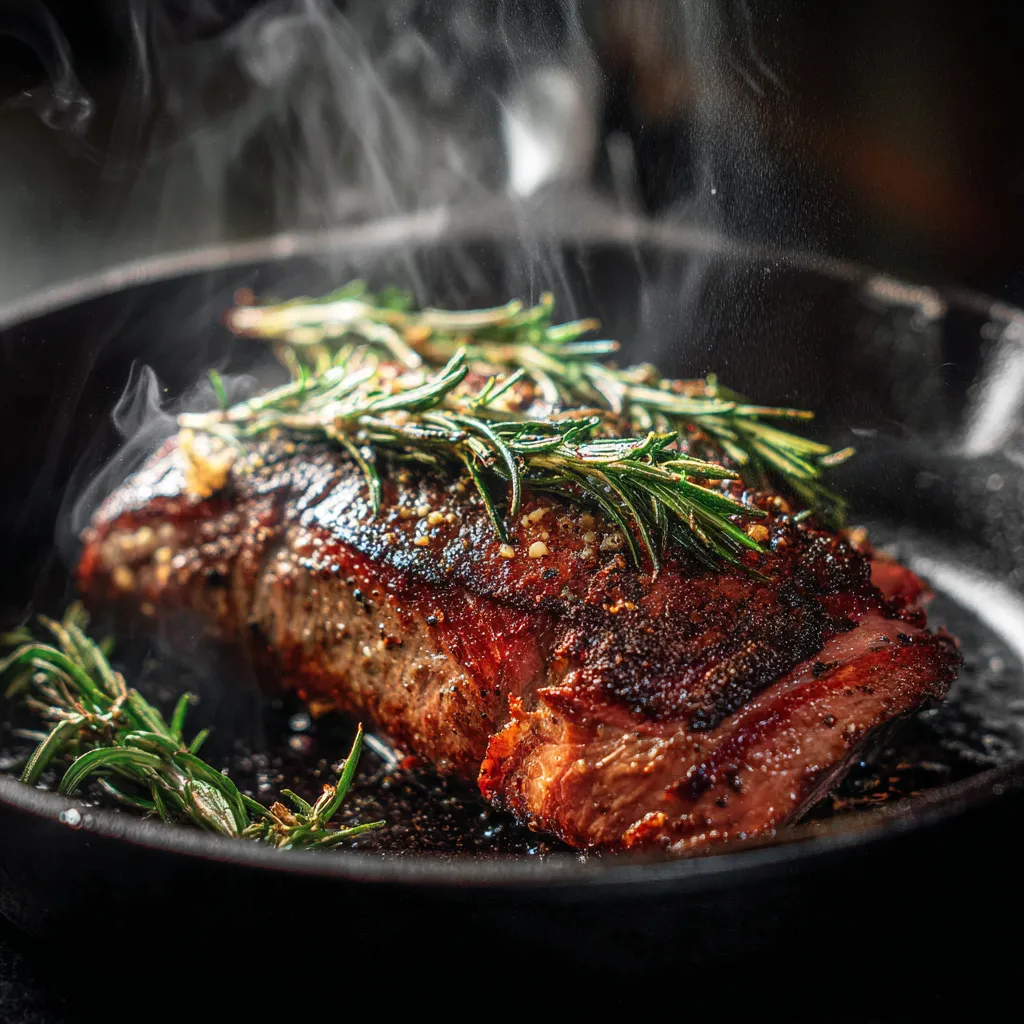
Once your Seared Sous Vide-Style Tri-Tip Steak comes out of the water bath, it’s showtime. Dry it thoroughly with paper towels—moisture kills a good crust. Then, heat a cast iron skillet over high heat until it’s lightly smoking. Drop in a tablespoon of butter or ghee, and immediately add the steak. You’ll hear that satisfying sizzle.
Sear the first side for 30–45 seconds until deep brown, then flip and do the same. Don’t move the steak around—let it stay still to build that flavorful crust. If you’re feeling bold, baste with the hot butter and rosemary sprig for a hint of herby aroma.
This same technique works brilliantly with other sous vide cuts too, like New York Strip or sirloin. The key is searing fast and hot. Overdo it, and you risk undoing all the precise work the sous vide bath just gave you.
For an alternative method, try finishing in the broiler like we did with our Finish Sous Vide Steak in Broiler tutorial. It’s especially handy if you’re cooking several steaks at once.
When to season and how to keep tri-tip juicy
You should always season Seared Sous Vide-Style Tri-Tip Steak before it goes in the bag. Use kosher salt and freshly cracked black pepper. If you’re adding rosemary or a touch of garlic powder, include it before sealing. That way, the seasoning has time to infuse during the slow cook.
Some people prefer post-sous vide seasoning, but that can lead to uneven flavor. Pre-seasoning lets the steak absorb salt slowly while it tenderizes.
To keep it juicy, rest the steak for 5 minutes after searing. That lets the juices redistribute and prevents them from pouring out onto the cutting board. And always slice against the grain—tri-tip has visible muscle lines, so cut perpendicular to those for the most tender bite.
Want a flavor upgrade? Pair your tri-tip with a compound butter or chimichurri. The herb-forward butter from our Sous Vide Prime Rib works beautifully here too.
Pro Tips and FAQs About Seared Sous Vide-Style Tri-Tip Steak
Do you need to marinate tri-tip for sous vide-style?
Great news: you don’t need to marinate Seared Sous Vide-Style Tri-Tip Steak to get amazing flavor. A simple rub of kosher salt, black pepper, and maybe a rosemary sprig does wonders during the sous vide bath. Unlike grilling, which needs a strong marinade to prevent dryness, sous vide-style cooking keeps the steak juicy from the inside out.
If you do want to add a marinade, stick to oil-based blends without too much acidity. Too much vinegar or citrus can actually break down the meat too much over a long cook. For example, a rosemary-garlic olive oil blend works beautifully with Seared Sous Vide-Style Tri-Tip Steak—just be sure to pat it dry before searing to avoid flare-ups.
If you love experimenting, try a steak rub from our Sous Vide Steak with Garlic Herb Butter recipe or complement with a drizzle of cowboy butter post-sear for next-level flavor.
Sous vide vs. sous vide-style: what’s the difference?
Let’s break it down: true sous vide uses a vacuum-sealed bag and a precise immersion circulator. Sous vide-style, on the other hand, might involve using a zip-top freezer bag with the water displacement method, or even cooking in a controlled oven water bath.
For Seared Sous Vide-Style Tri-Tip Steak, both approaches work as long as you can maintain water temperature accurately. The immersion circulator is ideal, but not essential. That’s what makes sous vide-style cooking so accessible—no special equipment is required to get steakhouse-quality tri-tip.
The key is consistency. Keep your water temp stable. Use a heavy-bottom pot if needed. And most importantly, sear quickly and with confidence after cooking. That final crust is what sets Seared Sous Vide-Style Tri-Tip Steak apart.
Whether you’re going all-in with vacuum sealing or keeping it simple with a freezer bag, you’ll get exceptional results. And if you’re ready to try other cuts, our Sous Vide Tri Tip Steak recipe is a great companion to this technique.
Conclusion
If you’ve ever wrestled with uneven doneness or dry slices, Seared Sous Vide-Style Tri-Tip Steak offers a foolproof solution. This method combines the tenderness of sous vide with the bold crust of a high-heat sear—giving you steakhouse-quality results at home, every single time. Whether you’re prepping for a quick dinner or impressing weekend guests, this approach guarantees juicy, flavorful steak without the guesswork.
What makes Seared Sous Vide-Style Tri-Tip Steak so powerful is its flexibility. You can tailor the temperature to your preferred doneness, cook ahead of time, and still serve a steak that’s hot, seared, and packed with flavor. No grill, no stress—just a steak that hits all the right notes.
Pair it with sauces like garlic herb butter or try a finishing touch like cowboy butter. And when you’re ready to expand your sous vide skills, check out Sous Vide Tri Tip Steak or Zero Stress Sous Vide Steak for even more inspiration.
Ready to transform your tri-tip? Fire up that circulator and enjoy your best steak ever.
Join us on Facebook and Pinterest for even more delicious recipe ideas!
FAQs
What is the ideal temperature and time for Seared Sous Vide-Style Tri-Tip Steak?
The ideal temperature is 129°F for medium-rare, cooked for 2 to 3 hours. For medium, go up to 134°F. This time range tenderizes the tri-tip without overcooking. Longer cooks (up to 4 hours) are okay and may slightly increase tenderness.
How do you properly sear tri-tip after sous vide cooking?
Once out of the water bath, pat the steak dry. Heat a cast iron skillet until it’s smoking hot, add butter or ghee, then sear for 30–45 seconds per side without moving it. This builds a flavorful crust without cooking the interior further.
Do you need to marinate tri-tip before sous vide?
Marinating is optional. A generous seasoning of kosher salt, pepper, and rosemary added before sealing brings out great flavor. If you choose a marinade, avoid high-acid mixes which can affect texture during long cooks.
What’s the difference between sous vide and sous vide-style cooking for tri-tip?
Sous vide uses vacuum-sealed bags and immersion circulators. Sous vide-style mimics this using zip-top bags and manual temperature control (like in a Dutch oven). Both work, but sous vide offers more precision.
Can I use a cast iron skillet to sear Sous Vide-Style Tri-Tip Steak?
Yes—cast iron is the top choice for searing. It retains heat well and delivers even browning. Just make sure it’s fully preheated and dry your steak well to avoid steam.
Should I season tri-tip before or after sous vide-style cooking?
Season before sealing and cooking. This allows flavors to infuse during the bath. If desired, you can add a finishing sprinkle of salt after searing, but most of the flavor should come from the pre-cook seasoning.
How do you keep Seared Sous Vide-Style Tri-Tip Steak juicy and tender?
The sous vide-style method keeps moisture locked in naturally. To protect juiciness further, rest the steak 5 minutes after searing and always slice against the grain. Avoid over-searing, which can dry out the surface.