
➤ Table of Contents
When I first started experimenting with sous vide, I didn’t jump straight into premium cuts like filet or short ribs. Surprisingly, it was learning how to sous vide beef stew meat that got me hooked. One evening, I picked up some chuck roast on sale—nothing fancy—and decided to try a 16-hour cook at 165°F with just broth, herbs, and a few aromatics.
What came out of that bag absolutely floored me.
The meat wasn’t just tender—it was buttery, rich, and melt-in-your-mouth juicy. That humble cut, usually destined for dry pot roasts, had turned into something I’d happily serve to guests. No stringy bits, no tough corners, no overcooked edges. Just deep, satisfying flavor and texture that reminded me why I love cooking.
From that moment on, how to sous vide beef stew meat became something I shared with everyone I knew. It was like discovering a culinary cheat code. No babysitting the pot. No worrying about overcooking. Just consistent results every time.
Beyond the flavor, the flexibility is what sold me. Whether I need to prep for a busy week or feed the whole family on a chilly night, sous vide beef stew fits in perfectly. The timing is forgiving, the process is hands-off, and the outcome is always craveable.
Over time, I’ve tested dozens of variations—different cuts, spices, and cook times—but 165°F for 12 to 16 hours has become my gold standard. It’s high enough to break down collagen and connective tissue, but still low enough to keep moisture sealed in.
If you’re just beginning to explore how to sous vide beef stew meat, I recommend trying Sous Vide Roast Beef as another accessible, beefy favorite. Or, if you’re curious how timing changes across cuts, check out our guide on How Long to Sous Vide Ground Beef.
The beauty of sous vide is that once you master the method, even affordable cuts shine. And it all started, for me, with a humble bag of stew meat and a little patience.
PrintHow to Sous Vide Beef Stew Meat
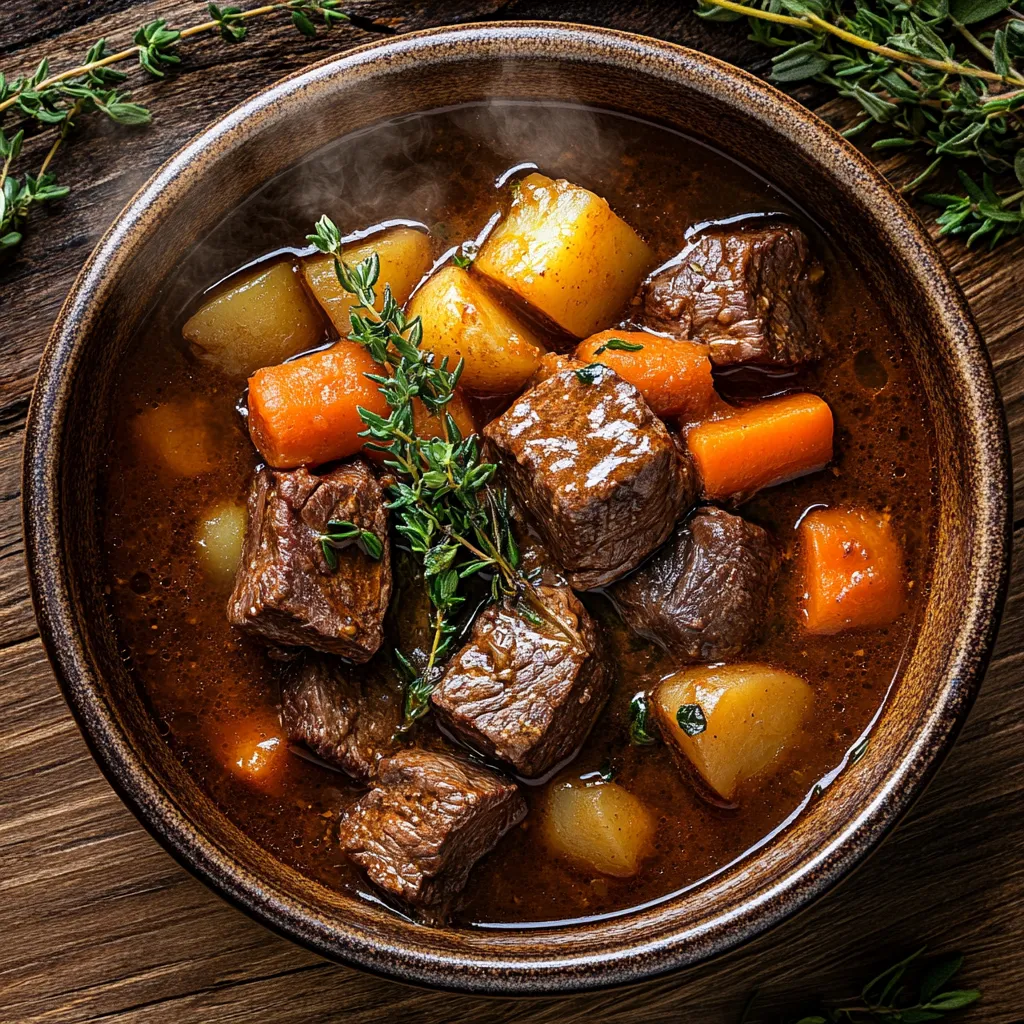
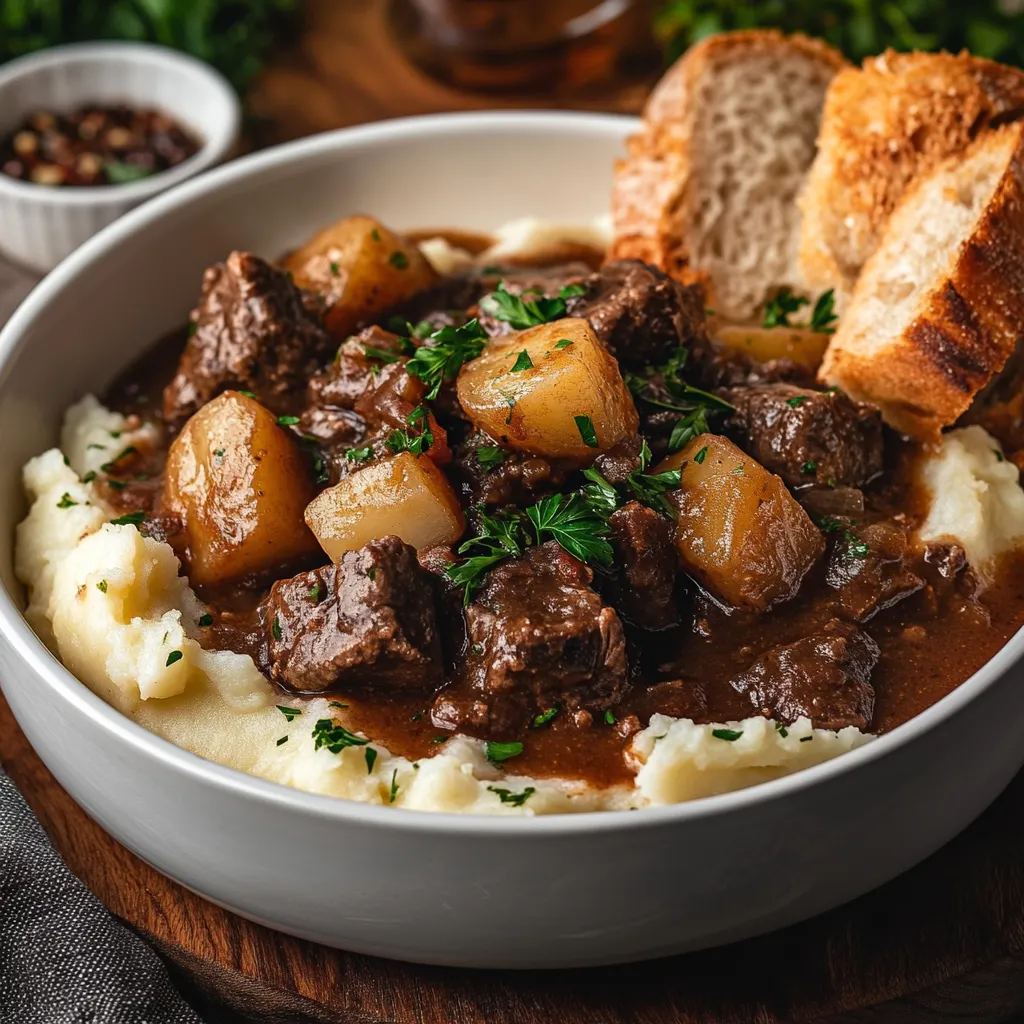
This sous vide beef stew recipe yields melt-in-your-mouth chunks of chuck roast, infused with classic aromatics and herbs, cooked low and slow at 165°F.
- Prep Time: 20 mins
- Cook Time: 12–16 hrs
- Total Time: 16 hrs
- Yield: 6 servings 1x
- Category: Dinner
- Method: Sous Vide
- Cuisine: American
Ingredients
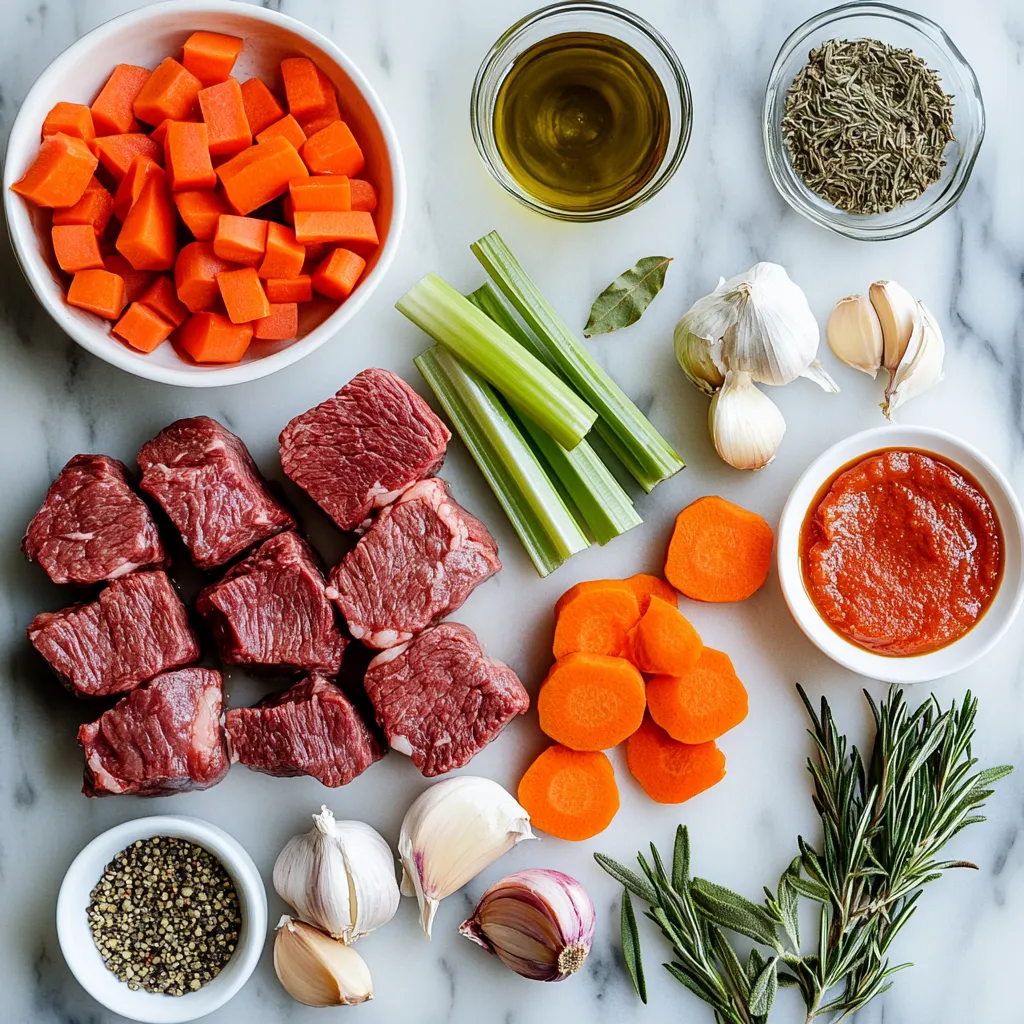
2 pounds beef stew meat, cut into chunks
Salt and freshly ground black pepper
2 tablespoons extra-virgin olive oil
1 onion, chopped
2 carrots, chopped
2 stalks celery, chopped
3 cloves garlic, minced
1 cup beef broth
2 tablespoons tomato paste
1 teaspoon dried thyme
1 teaspoon dried rosemary
1 bay leaf
Instructions
1. Attach your sous vide cooker to water bath and set to 165°F (74°C).
2. Season beef with salt and pepper.
3. Sear stew meat in olive oil until browned. Set aside.
4. Add onion, carrots, celery, and garlic to the pan. Cook until softened.
5. Add beef broth, tomato paste, thyme, rosemary, and bay leaf. Stir well.
6. Return beef to the pan and mix with vegetables and broth.
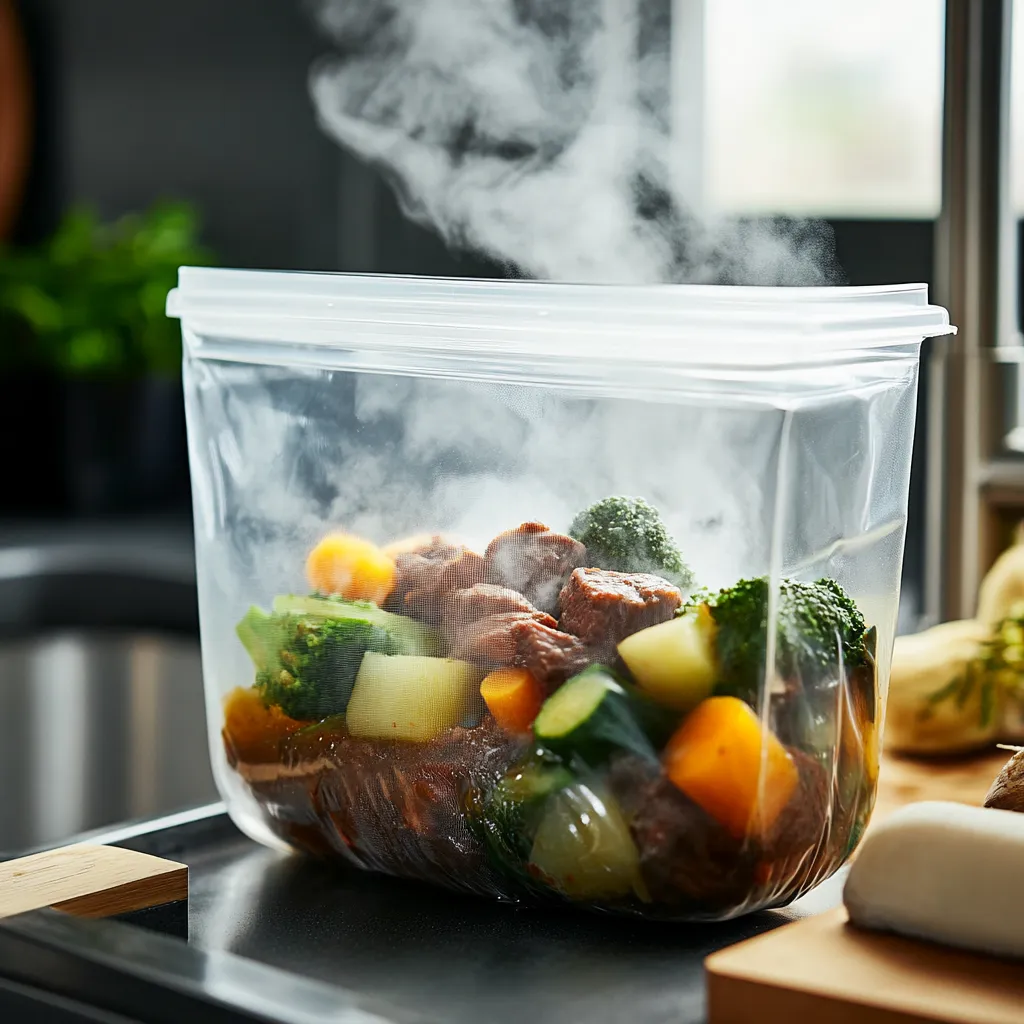
7. Transfer everything to a large freezer bag. Use water displacement method to seal.
8. Cook in sous vide bath for 12 to 16 hours.
9. Remove from bag and simmer stew liquid on stovetop to thicken, if desired.
10. Serve warm with mashed potatoes or crusty bread.
Notes
Use chuck roast for the best tenderness and flavor.
Do not skip searing—it adds a deeper flavor layer.
Refrigerate leftovers for up to 5 days or freeze for 3 months.
Nutrition
- Serving Size: 1.5 cups
- Calories: 360
- Sugar: 4g
- Sodium: 520mg
- Fat: 18g
- Saturated Fat: 7g
- Unsaturated Fat: 9g
- Trans Fat: 0g
- Carbohydrates: 12g
- Fiber: 2g
- Protein: 38g
- Cholesterol: 85mg
Why Sous Vide Stew Is a Game Changer
Before I discovered how to sous vide beef stew meat, making stew felt like a gamble. You’d simmer it for hours, cross your fingers, and hope the beef turned tender. Sometimes it did—sometimes it didn’t. I remember one holiday dinner where I stood over the stove for six hours, only to serve chewy, disappointing stew. That’s when I knew I needed a better way.
Then I tried sous vide. Everything changed.
Instead of guessing, I started using a steady water bath at 165°F. That simple switch showed me exactly how to sous vide beef stew meat and never worry about toughness again. No more checking every half hour. No more adjusting heat levels or scraping scorched bits from the bottom of the pot. Just melt-in-your-mouth beef—every single time.
Sous vide doesn’t just make the beef tender—it transforms it. Over 12 to 16 hours, the collagen slowly melts into gelatin, turning tough cuts like chuck roast into buttery-soft bites that fall apart with a spoon. And the best part? It’s totally hands-off. I can drop the bag in the water bath before bed and wake up to stew meat that’s not just cooked—it’s craveable.
Learning how to sous vide beef stew meat also opened up possibilities I hadn’t considered. Because the meat stays sealed during cooking, none of those bold, savory broth flavors escape. Every herb, every bit of umami, every drop of flavor stays in the bag—and ends up on your plate.
Even better, the sous vide method is incredibly forgiving. If life gets in the way and I leave it for a few extra hours, no problem. The meat is still juicy and tender. Whether I’m cooking for a crowd or batch-prepping meals for the week, knowing how to sous vide beef stew meat makes it all easier—and more delicious.
If you’re ready to master the ultimate cozy comfort food, I’ll walk you through everything you need to know: choosing the right cut, prepping it like a pro, and finishing it with bold flavor. By the end of this guide, you won’t just know how to sous vide beef stew meat—you’ll wonder how you ever made stew any other way.
The Best Cut of Beef for Sous Vide Stew
If you’re wondering how to sous vide beef stew meat and get melt-in-your-mouth results, it starts with the cut. Your best bet? Boneless beef chuck roast. It’s loaded with flavor and marbled with just enough fat and connective tissue to turn luxuriously tender after a long sous vide cook.
Avoid pre-packaged “stew meat” at the grocery store. Those little cubes often come from multiple cuts of beef—some tough, some lean, some fatty. That inconsistency can ruin the texture of your final dish. Instead, buy a whole chuck roast and cube it yourself. Aim for chunks about 1.5 to 2 inches thick so they don’t overcook during the sear.
To help you pick the right cut, here’s a quick comparison:
| Cut | Flavor | Texture After Sous Vide |
|---|---|---|
| Chuck Roast | Rich, beefy | Tender, juicy, shreddable |
| Brisket | Bold, slightly smoky | Firm, sliceable |
| Round (Bottom or Top) | Mild, lean | Can dry out if not watched closely |
If you’ve ever made Sous Vide Corned Beef Flat, you’ll know how much collagen-rich cuts benefit from slow sous vide cooking. It’s the same magic here—long cook times at steady heat transform tough cuts into tender bites with no stress.
Need help choosing the ideal temp? Our guide on What Temp to Sous Vide Corned Beef gives insights that apply to stew meat too.
Seasoning & Searing for Maximum Flavor
Once your stew meat is cut into chunks, the next step in mastering how to sous vide beef stew meat is simple—but critical: seasoning and searing. These are the foundation of flavor. You don’t need a complex rub or fancy spices. Start with kosher salt and freshly cracked black pepper. If you like a bit more punch, add a light dusting of garlic powder. The goal here is to enhance the beef, not overpower it.
After seasoning, let the meat rest for 10 to 15 minutes. This gives the salt a chance to start working into the surface, breaking down the outer fibers just enough to make the meat even more tender during the sous vide process.
Now, here’s the game-changer step most people miss when learning how to sous vide beef stew meat: searing. While the water bath guarantees perfectly cooked meat inside, it won’t give you that craveable, golden-brown crust. Searing your beef before sous vide cooking develops those rich, savory notes that make stew irresistible.
The trick to a proper sear? Don’t overcrowd the pan. Work in batches so each piece of beef gets even browning without steaming. Use a heavy-bottomed skillet or cast iron pan and get it hot—medium-high to high heat is best. Add olive oil, then sear each side until deep brown crusts form.
Once browned, transfer the beef to a plate and take advantage of the flavorful fond left behind in the pan. That’s where the magic lives. Add your aromatics—chopped onion, carrots, celery, and garlic—and sauté for about 5 minutes until slightly softened. This simple step builds the rich flavor base that sets your stew apart.
Now stir in the tomato paste and cook it for 1–2 minutes to develop depth. Add the beef broth, then mix in the dried herbs: thyme, rosemary, and a bay leaf. It’s these layers that create that “cooked-all-day” taste—yet thanks to sous vide, you’ll never have to babysit a simmering pot.
Once everything is combined, you’re ready to bag. If you’ve been following this guide on how to sous vide beef stew meat, you already know we recommend using the water displacement method (not vacuum sealing for liquid-heavy recipes). Transfer all ingredients into a BPA-free freezer bag, slowly lower it into your sous vide bath, and seal it just above the waterline.
This prep phase is where flavor is born. It ensures that by the time your meat hits the water bath, it’s not just tender—it’s packed with rich, aromatic stew goodness.
Ready to find out exactly how long to cook your beef and why temperature matters? That’s coming up in the next section of this complete guide on how to sous vide beef stew meat.
How Long to Sous Vide Stew Meat at 165°F
If you want to know exactly how to sous vide beef stew meat and ensure that each bite is fork-tender and full of flavor, it all starts with time and temperature. These two variables control everything—from texture to juiciness—and when done right, they unlock the true potential of humble stew meat.
For best results, cook beef stew meat sous vide at 165°F (74°C) for 12 to 16 hours. This temperature is high enough to break down the tough collagen and connective tissue in cuts like chuck roast, but still low enough to retain moisture and prevent the meat from drying out.
Understanding how to sous vide beef stew meat means embracing the long game. This method isn’t about rushing dinner—it’s about precision. Over those slow hours in the water bath, the meat undergoes a transformation. Collagen slowly melts into gelatin, infusing each cube of beef with a luscious, braised texture that rivals anything from a stovetop or slow cooker.
You might think about raising the temp to speed things up—but don’t. If you cook stew meat at a higher temperature, like 180°F, it starts to resemble pot roast or even boiled beef. The texture becomes stringy and less juicy. On the flip side, if you try going lower—say, 130°F to 145°F—you’ll find that the beef stays firm and never reaches that melt-in-your-mouth tenderness, no matter how long you cook it.
So, how do you choose between 12 vs. 16 hours? Here’s a quick breakdown:
| Time | Texture | Best Use |
|---|---|---|
| 12 hours | Tender with bite | Firmer stews or reheating later |
| 16 hours | Fall-apart, buttery texture | Ready-to-serve meals |
This method works beautifully even when you’re preparing larger quantities. If you’re cooking 1kg or more and wondering how to sous vide beef stew meat for consistent results, the key is to lay the bag flat in the water bath. This ensures even heat circulation and prevents cold spots. Want proof that longer sous vide cooks enhance texture? Check out our 18hr Sous Vide Corned Beef for another great example of melt-in-your-mouth tenderness over time.
And if you’re worried about overdoing it, relax—one of the best parts of learning how to sous vide beef stew meat is discovering how forgiving it is. That said, even gentle heat has limits. After about 18 hours, the texture can start to break down too far. For more on that, check out Can You Overcook Steak in Sous Vide to understand how time and temperature affect tenderness.
Vacuum Sealing & Bag Safety for Stews
When you’re learning how to sous vide beef stew meat, one important step is bagging it properly. Because stew includes both meat and liquid, sealing the bag can be a little tricky—but not if you use the right technique.
The water displacement method is your best friend when handling moisture-rich recipes like this. Here’s how to sous vide beef stew meat the clean and safe way without risking spills or air pockets:
- After prepping and searing your stew ingredients—browned beef, sautéed vegetables, herbs, broth—let them cool slightly. This is a must before sealing.
- Place all the cooled ingredients into a heavy-duty, BPA-free freezer zipper bag rated for cooking. Don’t overfill the bag—leave a few inches of room at the top.
- Slowly lower the bag into the water bath. As the water rises around the bag, it’ll push the air out. This creates a natural vacuum.
- Seal the zipper closed just before the entire bag is submerged, leaving only the seal above the water.
This method works beautifully for anyone practicing how to sous vide beef stew meat at home without a vacuum sealer. In fact, using a standard vacuum sealer for liquids can get messy unless the contents are frozen first. Liquids tend to get sucked up into the sealer, potentially damaging your machine or breaking the seal mid-cook.
If you’re using silicone sous vide bags, you’ll want to leave a bit of space for expansion during cooking. Press out as much air as possible, and clip the bag securely to the container wall to prevent floating. Whether it’s silicone or plastic, a floating bag is a sign that air remains inside—and uneven cooking could follow. That’s something to avoid when mastering how to sous vide beef stew meat.
Here’s a pro tip many seasoned sous vide fans use: freeze concentrated beef broth into ice cubes and place a few into the bag before sealing. This keeps everything cooler during the initial cook phase and also helps balance out the moisture. It’s a small trick, but one that makes a big difference in both flavor and texture.
Food safety matters too. When you’re diving into how to sous vide beef stew meat, always make sure your bags are food-safe and free from damage. Double-check that the seal is tight before submerging, and make sure no air bubbles remain trapped around the meat. Proper circulation of the water is essential to ensure even cooking throughout your beef chunks.
If your bag floats during the cook, remove it immediately, reseal using the water displacement method again, and re-submerge. The water bath only works efficiently when the bag is fully submerged and lying flat.
Knowing how to sous vide beef stew meat means controlling every detail—from prep to sealing to bath time. Once your meat is safely bagged and submerged, your work is mostly done. The sous vide cooker takes it from there, delivering perfectly tender beef while you relax, meal prep, or head to bed.
Still wondering how to get that rich, thick texture in the finished stew? Don’t worry—we’ve got that covered in the next section. Keep reading to see how to finish your stew strong after its long, flavorful soak.ne, it’s time to finish strong—and that’s exactly what we’ll cover in the next section.
Finishing Touches After Sous Vide
Once your beef has spent 12 to 16 hours in its cozy sous vide bath, the texture will be perfectly tender—but your stew still needs one final flourish to reach its full potential. Learning how to sous vide beef stew meat isn’t just about time and temperature—it’s also about finishing strong.
Start by pouring the contents of the bag into a Dutch oven or large saucepan. Don’t discard that flavorful liquid—it’s liquid gold. After hours of sealed cooking, it’s packed with deep, concentrated flavor. If you prefer a thicker stew, let it simmer uncovered for 10 to 15 minutes to reduce. For more body without losing clarity, stir in a cornstarch slurry (1 tablespoon cornstarch mixed with 1 tablespoon cold water) and let it thicken slightly.
This is the perfect moment to adjust seasoning. Add a splash of Worcestershire sauce for depth, or toss in some chopped parsley or peas to brighten the finish. The thyme and rosemary that cooked low and slow will now be beautifully mellow, giving your stew a layered, herbaceous base.
For those who love contrast in texture, broil the stew in an oven-safe pot for a few minutes. It adds a caramelized top that makes leftovers feel freshly made. This final touch elevates every bite and brings richness forward.
Looking to round out your meal? Pair your stew with a bold protein like my Sous Vide Steak with Garlic or explore deeper flavor profiles with Sous Vide Tri Tip Steak. Once you’ve mastered how to sous vide beef stew meat, you’ll find the finishing step is where real kitchen confidence begins.
Reheating, Storing, and Serving Tips
If you’re not serving your stew right away, don’t worry—how to sous vide beef stew meat works beautifully for make-ahead meals. In fact, this stew actually improves after resting. Let it cool completely, then transfer it to airtight containers. It keeps well in the fridge for 4 to 5 days, or freeze it for up to 3 months with no loss in tenderness or flavor.
Reheating is easy, but skip the microwave if possible. Instead, warm the stew gently on the stovetop over medium-low heat. This keeps the beef tender and the vegetables from turning mushy. If the sauce has thickened too much, stir in a splash of beef broth or water to bring back that silky texture.
One of the best things about learning how to sous vide beef stew meat is discovering how versatile it is when serving. Try spooning the stew over creamy mashed potatoes to soak up that rich broth, or ladle it next to buttered noodles or fluffy polenta. Crusty sourdough bread is always welcome to mop up every drop.
This dish always brings comfort—but it’s also incredibly practical. Whether you’re feeding a hungry family midweek or prepping freezer meals in advance, knowing how to sous vide beef stew meat helps you create unforgettable flavor with very little effort. It’s the kind of meal that has everyone asking for seconds—and maybe even the recipe.
Conclusion
You don’t need to be a professional chef to create a stew that tastes like it simmered all day. Just follow the 165°F method, let the water bath do its magic, and finish with a quick stovetop touch. Whether you’re cooking a cozy family dinner or prepping meals ahead, learning how to sous vide beef stew meat is the simplest way to turn an affordable cut into something rich, comforting, and restaurant-worthy.
Sous vide takes all the guesswork out of beef stew. No more wondering if it’s done or worrying about toughness. Once you understand how to sous vide beef stew meat, you’ll consistently serve spoon-tender beef, bold flavor, and a texture that feels slow-cooked to perfection.
The best part? This method is forgiving and flexible. Start it before bed or before work, and come back hours later to beautifully braised stew meat that’s ready to finish and serve. Knowing how to sous vide beef stew meat gives you the tools to cook confidently, even on busy days.
From simple family meals to make-ahead batch cooking, sous vide transforms beef stew into something you’ll look forward to. With minimal effort, maximum flavor, and results you can rely on—this is comfort food done right.
Join us on Facebook and Pinterest for even more delicious recipe ideas!
FAQs
Can you sous vide beef stew meat?
Yes, absolutely. If you’re wondering how to sous vide beef stew meat for tender, flavorful results, it’s simpler than you think. Sous vide is ideal for tougher cuts like chuck roast, transforming them into ultra-tender chunks after 12–16 hours at 165°F. With the right prep, sous vide takes beef stew to the next level.
How to cook beef stew meat so it is tender?
The secret to tender stew is knowing how to sous vide beef stew meat correctly. First, season and sear your beef to build flavor. Then, cook it sous vide at 165°F for 12–16 hours. The gentle, slow heat melts connective tissue while locking in moisture—no drying out, ever.
At what temperature is beef stew meat done?
For best results, cook your stew meat sous vide at 165°F (74°C). This is the ideal temperature if you’re learning how to sous vide beef stew meat and want that fork-tender, braised texture. Unlike traditional stewing, sous vide holds a steady heat, ensuring reliable doneness every time.
How long to sous vide 1kg of beef?
You should sous vide 1kg of beef stew meat for 12 to 16 hours at 165°F. Whether it’s 500g or 1kg, the timing doesn’t change if the beef is in a flat layer. Knowing how to sous vide beef stew meat in larger quantities makes batch cooking easy and efficient.
Can you overcook beef in sous vide?
While sous vide is forgiving, yes—you can overcook stew meat if it goes beyond 18 hours. Learning how to sous vide beef stew meat means understanding that time affects texture. After the 16–18 hour mark, beef may become too soft or mushy, especially at higher temps.
Can you cook raw beef in a stew?
Yes. In fact, how to sous vide beef stew meat starts with raw beef. Searing before cooking boosts flavor, but the sous vide method can handle raw meat just fine. The sealed bag holds in juices and ensures food safety over the long cook.
Does meat get more tender the longer you sous vide?
It does—but only to a point. When you’re learning how to sous vide beef stew meat, remember that time and temperature work together. Going past 18–20 hours may make beef too soft. Stick to the recommended 12–16 hour window for the perfect bite.