
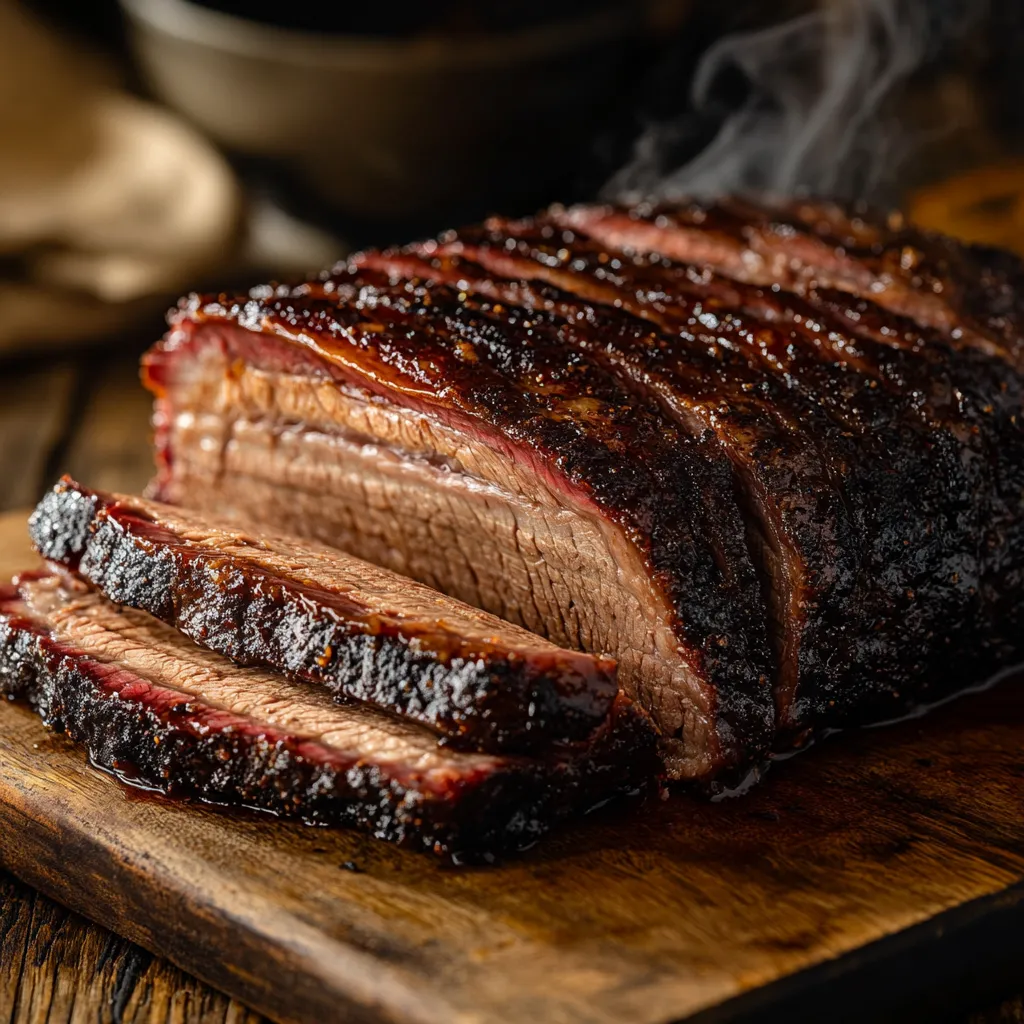
➤ Table of Contents
The first time I tried making 72-hour brisket, I was skeptical. Growing up in Florida, brisket meant long hours on the smoker in humid heat—delicious but tricky. When I discovered sous vide, that all changed. After hearing rave reviews online, I finally took the plunge: seasoned a beautiful point-cut brisket, sealed it up, and let it bathe at 135°F for 72 hours.
The result? Pure magic. The meat was fork-tender yet juicy, with a texture you simply can’t achieve with traditional smoking alone. Since then, this 72‑Hour Brisket has become a family favorite. The precision of sous vide takes the guesswork out and delivers perfect results every time.
What makes 72-hour brisket so special? It’s the combination of low temperature and long time. Unlike conventional barbecue methods that can dry out leaner parts of the meat, sous vide preserves moisture while breaking down tough collagen. The result is a tender, sliceable brisket with rich flavor and a beautiful bite. It’s also incredibly forgiving—you don’t have to babysit the smoker or stress about exact timing.
Whether you’re pairing this brisket with pickles and white bread or featuring it in tacos and sliders, once you try it sous vide, you may never go back to old-school methods. Let’s dive into how to make 72‑Hour Brisket your next kitchen win.
Print72-Hour Brisket | Absolutely Perfect & Tender Every Time
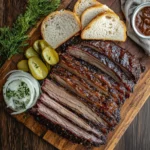
A bold, juicy 72-Hour Brisket cooked perfectly sous vide, tender and sliceable with rich beefy flavor—an easy, foolproof recipe every time.
- Prep Time: 10 minutes
- Cook Time: 72 hours
- Total Time: 72 hours 10 minutes
- Yield: 8 servings 1x
- Category: Dinner
- Method: Sous Vide
- Cuisine: American
Ingredients
1 flat- or point-cut brisket, about 5 pounds / 2.25kg
2 oz / 55g coarsely ground black peppercorns (about 1/3 cup)
2 1/4 oz / 65g kosher salt (about 1/4 cup)
1/4 tsp / 3g liquid smoke (optional)
1/4 oz / 10g pink salt (optional)
Dill pickles, sliced yellow onion, and white bread, for serving
Instructions
1. Preheat sous vide cooker to desired temperature (135°F or 145°F recommended).
2. Trim brisket and season generously with salt and pepper.
3. Optional: add pink salt and liquid smoke.
4. Vacuum seal brisket or use zipper bag with water displacement.
5. Cook in sous vide bath for 72 hours, keeping water level steady.
6. Remove brisket and pat dry. Rest for 5–10 minutes.
7. Sear brisket on grill or hot cast iron pan until a crust forms (1–2 mins per side).
8. Slice brisket across the grain and serve with pickles, onions, and bread.
Notes
Cook at 135°F for juicy, sliceable brisket or 145°F for a more traditional texture.
For pull-apart brisket, try 155°F for 72 hours.
Store leftovers chilled, reheat using sous vide at serving temp.
Nutrition
- Serving Size: 6 oz
- Calories: 450
- Sugar: 1g
- Sodium: 750mg
- Fat: 28g
- Saturated Fat: 10g
- Unsaturated Fat: 16g
- Trans Fat: 0g
- Carbohydrates: 2g
- Fiber: 0g
- Protein: 42g
- Cholesterol: 110mg
How to Pick the Right Temperature
One of the key decisions when making 72-Hour Brisket is choosing the right temperature. The beauty of sous vide cooking for 72-Hour Brisket is that you control both time and temperature—giving you complete mastery over texture and tenderness. For 72-Hour Brisket, the most popular temperature range falls between 131°F and 155°F, and each option delivers a unique eating experience.
At 131°F to 135°F, your 72-Hour Brisket will have a gorgeous prime rib-like appearance—rosy pink, tender, juicy, and steak-like in texture. This range is excellent when you want to serve 72-Hour Brisket as part of an upscale meal, paired with horseradish cream, fancy sides, or arranged on a charcuterie board. The contrast of the brisket’s deep flavor and its silky texture is always a showstopper.
Cooking 72-Hour Brisket at 145°F results in the classic brisket texture many barbecue fans crave: tender and easily sliceable, with just the right amount of chew. This is an excellent choice for serving 72-Hour Brisket with traditional barbecue sauces and sides, delivering both structure and juiciness in every bite.
If you push the temperature to 155°F, you’ll get fall-apart 72-Hour Brisket—a soft, rich texture that works wonderfully for shredded beef, tacos, sandwiches, or any dish where you want brisket to melt apart effortlessly.
Personally, I lean toward 135°F or 145°F for my 72-Hour Brisket, depending on how I plan to serve it. The sous vide method for 72-Hour Brisket makes adjusting temperature for your perfect result incredibly easy—just set it and let time do the magic.
Temperature & Time Chart for 72-Hour Brisket
Here’s a simple reference for your next cook:
| Temperature (°F) | Time | Result |
|---|---|---|
| 131°F | 72 hours | Tender, steak-like, pink |
| 135°F | 72 hours | Juicy, sliceable, balanced |
| 145°F | 72 hours | Classic BBQ texture, tender |
| 155°F | 72 hours | Soft, shreddable, ultra-tender |
Every temp listed here will fully pasteurize the meat at 72 hours, making it perfectly safe to eat. Once you know your target texture, sous vide does the rest. I find this precision to be one of the joys of cooking 72‑Hour Brisket—consistent, delicious results every time.
For even more beef ideas, check out my Sous Vide Boneless Prime Rib for Two or Sous Vide Steak Sirloin recipes too.
Prepping Your Brisket for 72-Hour Cook
Trimming & Seasoning Tips
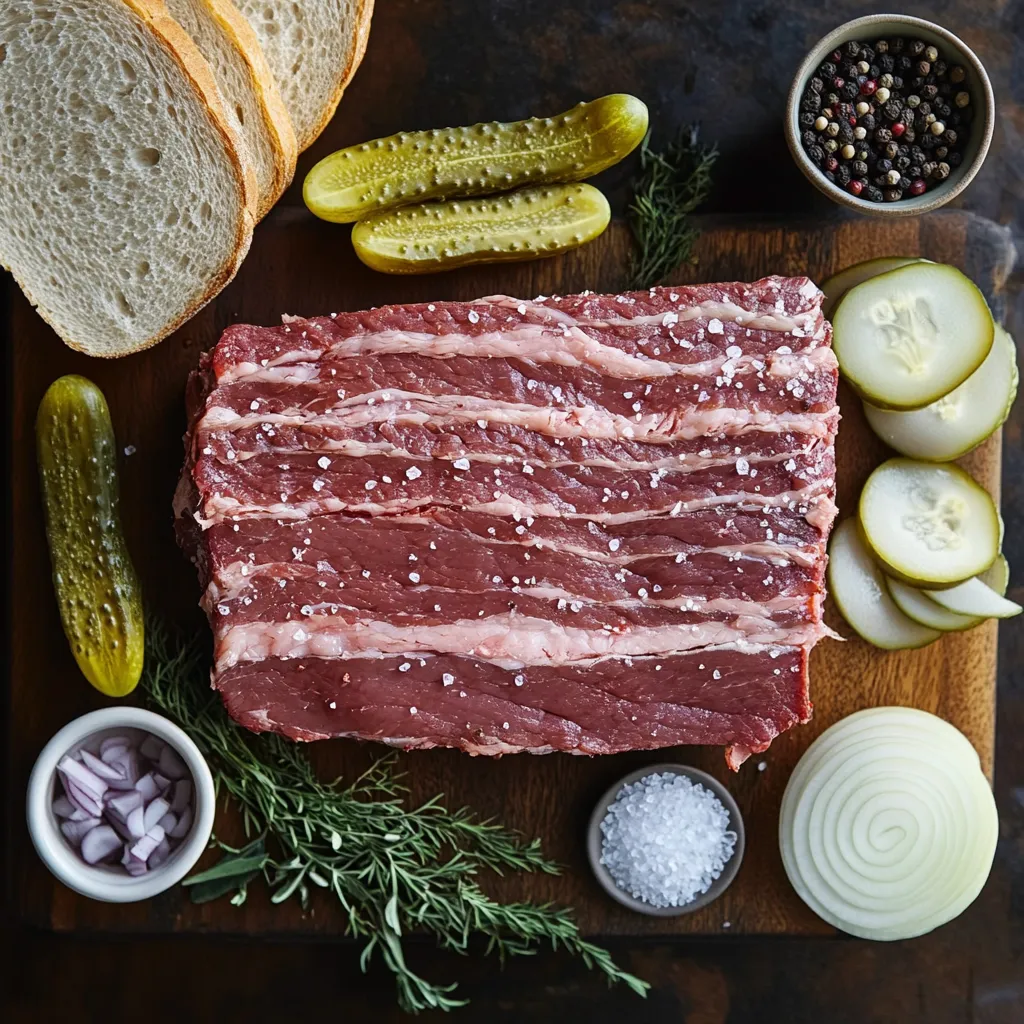
Before you start cooking 72-Hour Brisket, proper prep makes all the difference. First, choose your cut: a flat cut gives nice uniform slices, while the point cut has more marbling for rich, juicy bites. I personally love using point cut for sous vide—it stays incredibly tender over 72 hours.
Trim away any large hard fat from the surface, but leave a thin layer for flavor. This helps the brisket stay juicy without turning greasy.
Seasoning is simple but important. A classic mix of kosher salt and coarsely ground black peppercorns is my go-to. If you like a touch of smokiness, add 1/4 tsp liquid smoke. For that signature pink color (like Texas BBQ), a bit of pink salt is optional. Here’s my base recipe:
- 1 flat- or point-cut brisket (~5 lbs / 2.25 kg)
- 2 oz (55g) coarsely ground black pepper
- 2 1/4 oz (65g) kosher salt
- Optional: 1/4 tsp liquid smoke, 1/4 oz pink salt
Rub the seasoning generously over all sides of the brisket. I often let it sit in the fridge uncovered for a few hours to develop flavor, but this step is optional.
Vacuum Sealing & Bagging Tips
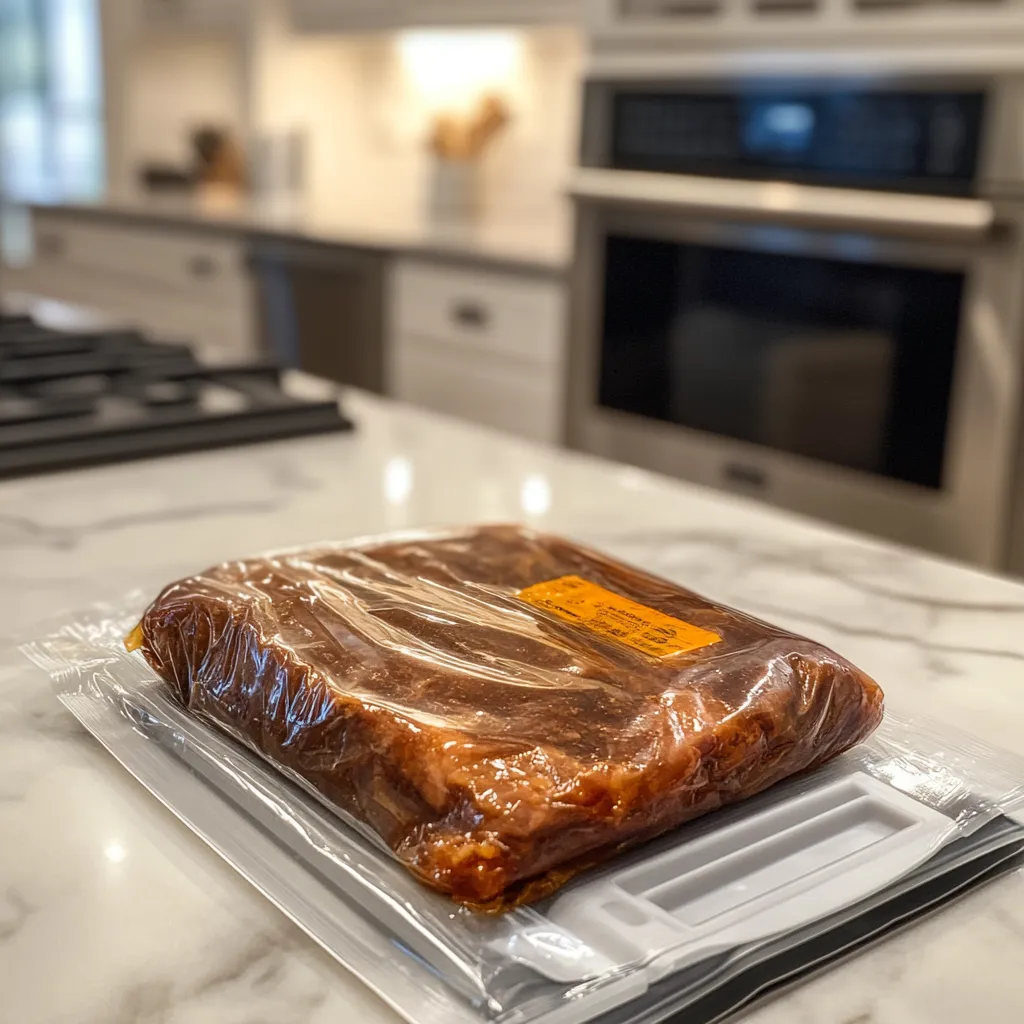
For a 72-hour brisket cook, proper sealing matters more than you might think. Over the course of 72 hours in a hot water bath, small leaks or poorly sealed bags can cause flavor loss or even expose the meat to oxidation. Personally, I always recommend using a high-quality vacuum sealer when preparing 72-Hour Brisket. This creates a strong, airtight seal that keeps the brisket fully submerged while locking in moisture and seasoning. Vacuum sealing also helps the seasoning adhere better to the surface of the brisket during long cooking, resulting in a richer, more flavorful crust when it’s time to finish.
If you don’t have a vacuum sealer on hand, don’t worry—you can absolutely use a heavy-duty zip-top freezer bag with the water displacement method. This works beautifully for 72-Hour Brisket if done carefully. The key is to slowly lower the filled bag into your heated water bath, using the pressure of the water to gently push out any trapped air before sealing the top. This creates a natural vacuum and keeps the brisket in proper contact with the circulating hot water. It’s simple, effective, and perfect for beginners trying their first 72-Hour Brisket without buying new equipment.
Here’s a pro tip I always use: fold the top edge of your bag back over itself before adding the brisket and seasoning. This keeps the sealing area of the bag clean and dry, helping to achieve a perfect closure whether you’re using a vacuum or zip-top method. A small detail, but one that prevents bag failure during such a long cook.
Additionally, I strongly recommend placing your bagged brisket on a rack or trivet inside your sous vide container. For a 72-hour cook, this ensures consistent water circulation on all sides of the brisket. Without a rack, the bag can press against the sides or bottom of the container, creating cold spots and uneven cooking. Using a rack keeps the brisket perfectly suspended and promotes even heat transfer, helping you achieve the signature tenderness and uniform doneness that make 72-Hour Brisket so incredible.
For more inspiration on vacuum sealing and bagging, check out my method in the Sous Vide Ground Beef Stuffed Peppers recipe—many of those same tips apply perfectly when working with larger cuts like brisket. Taking the extra time to seal properly will guarantee your 72-Hour Brisket comes out flawless and ready for that perfect finishing sear.
Cooking the 72-Hour Brisket
Setting Up Your Sous Vide Cook
Once your brisket is sealed and seasoned, it’s time to start the cook. For 72-Hour Brisket, you’ll need a reliable immersion circulator, a large container (I use a 12-quart polycarbonate), and a lid or cover to prevent evaporation.
Set your circulator to your chosen temperature—remember, I usually go for 135°F or 145°F depending on the texture I want. Once the water reaches temp, submerge the brisket bag.
Over a 72-hour cook, keeping your water level steady is key. To prevent water loss, use a lid or tightly wrapped plastic wrap. If your container is uncovered, check every 12–24 hours and top off with hot water if needed.
Some circulators have built-in timers and apps, but you don’t have to monitor constantly. Just make sure the temperature holds steady and the brisket stays fully submerged. After that, the sous vide magic happens on its own.
For longer sous vide sessions, I also recommend checking out my 18hr Sous Vide Corned Beef Recipe—those same water management tips apply perfectly to 72-Hour Brisket.
Finishing Options: Grill or Cast Iron
Once your brisket finishes its 72-hour sous vide bath, you have some great options for the final sear. The searing stage is essential—it transforms the ultra-tender sous vide texture into a balanced, flavorful bite with that crave-worthy bark on the outside. Without this quick step, even perfectly cooked 72-Hour Brisket can lack that depth of flavor and contrast.
For a smoky finish, toss your 72-Hour Brisket onto a hot grill over direct heat. Flip the brisket every 30 seconds for about 2 minutes total. This rapid flipping builds an even, flavorful crust (or bark), while preventing any one side from overcooking or burning. The grill also adds a subtle smoke element, enhancing the classic brisket flavor many people love.
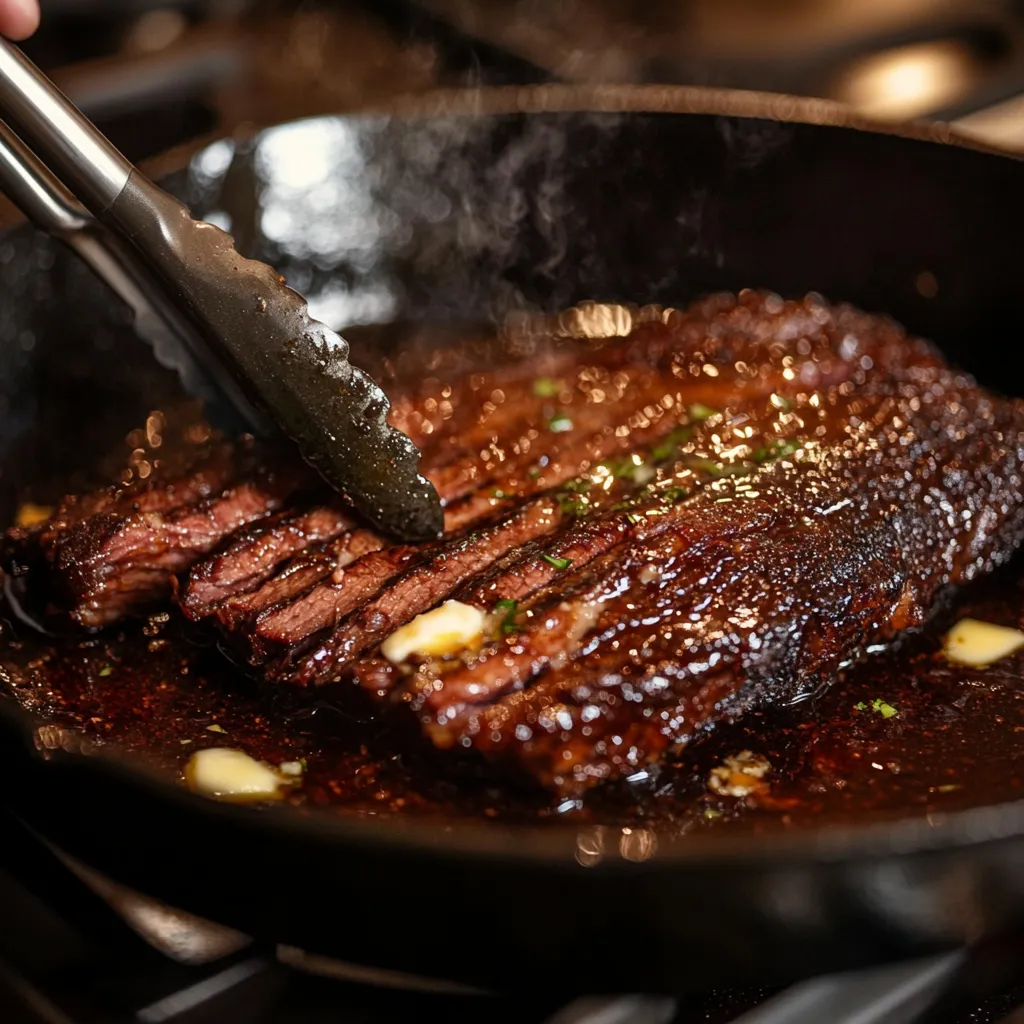
Prefer cooking indoors? A heavy cast iron pan works beautifully for 72-Hour Brisket. Preheat your pan until it’s almost smoking, then sear each side in a neutral high-heat oil. If you enjoy a richer finish, add butter in the final minute—the butter’s milk solids brown and enhance the sear beautifully.
No matter how you finish your 72-Hour Brisket, always let it rest for 5–10 minutes before slicing across the grain. This rest time helps redistribute juices and ensures each bite stays moist. The result? Juicy, tender brisket slices that are perfect for sandwiches, tacos, BBQ plates—or simply enjoyed on their own.
You’ll find similar great finishing tips in my Sous Vide London Broil and Sous Vide Prime Rib with Horseradish Sauce guides, both of which also emphasize the importance of this quick but crucial final sear.
Common Questions About 72-Hour Brisket
Can You Cook Brisket Longer Than 72 Hours?
Absolutely. Some cooks go as long as 96 hours for even more tender brisket. The texture gets progressively softer the longer you cook. If you prefer brisket that shreds with minimal effort, 80 to 90 hours at 155°F will deliver.
That said, 72 hours strikes a great balance—tender but still sliceable. If you’re experimenting, start with 72, then try adding hours on future cooks.
When storing leftovers, chill the brisket in an ice bath after cooking, then refrigerate. It reheats perfectly in the sous vide bath at serving temperature for 1–2 hours.
You can see this approach in my Sous Vide Corned Beef Hash Recipe—the reheating method works beautifully for brisket too.
Brisket Troubleshooting: Texture & Doneness
Wondering about texture? If brisket seems too soft, it was likely cooked too hot or too long. If it’s still chewy, either a lower temperature or not enough time caused it.
Let’s clear up a popular term: the 4-2-10 rule is a barbecue guideline about resting times—not typically used for sous vide brisket, since sous vide replaces the stall and rest with constant temp.
When is brisket overdone? If the internal fibers feel mushy or the meat can’t hold its shape, it’s overdone—usually from going past 96 hours or too high temp.
If you’re curious about smoking crossover, the time from 165°F to 200°F is key in traditional BBQ, but in sous vide we control temp precisely, so there’s no guesswork.
Brisket can stay at 170°F indefinitely sous vide—but textures change. If aiming for pull-apart brisket, 155°F for 72 hours is usually better than 170°F, which can dry out leaner parts.
And for more hearty beef ideas, my Sous Vide Ground Beef Chili makes a fantastic side for brisket night.
Conclusion
Cooking 72-Hour Brisket sous vide takes the guesswork out of brisket. You no longer have to worry about hitting the right stall, wrapping at the perfect moment, or drying out the flat. By setting your sous vide bath to your target texture, sealing in flavor with a good seasoning rub, and letting time work its magic, you’ll end up with a brisket that is tender, juicy, and packed with flavor every time.
Whether you serve it Texas-style with pickles and onions, layer it into sliders, or pair it with sides like Sous Vide Ground Beef Stuffed Peppers, this 72-Hour Brisket is sure to impress.
Sous vide has truly transformed how I cook brisket—and I hope this guide helps you master it too. The journey of perfecting brisket is now joyful and relaxed instead of stressful. Get ready to wow your friends and family at your next cookout!
Join us on Facebook and Pinterest for even more delicious recipe ideas!
FAQs
What temperature is sous vide brisket 72 hours?
Most popular temperatures are 135°F for juicy, sliceable brisket, or 145°F for a more traditional BBQ texture.
What’s the longest you should cook a brisket?
You can safely cook brisket up to 96 hours. Beyond that, texture may become too soft.
Can you sous vide for 72 hours?
Yes, sous vide cooking for 72 hours is very safe and ideal for brisket—it breaks down collagen without drying out the meat.
What is the 4-2-10 rule brisket?
It’s a smoking method (4 hours smoke, 2 hours wrapped, 10 hours rest). With sous vide, this rule isn’t needed—you cook precisely at target temperature.
How long does it take for brisket to go from 165 to 200?
In smoking, this can vary by hours. With sous vide, you control temp the entire time—no stall needed.
At what temperature is brisket overdone?
Above 155°F for too long or above 170°F for extended times can lead to overly soft or mushy brisket.
How long can brisket stay at 170?
You can hold it at 170°F, but prolonged cooking at that temp tends to dry out leaner portions. It’s better to stick with 155°F for shreddable brisket.