
➤ Table of Contents
Hi there, I’m Jasmine—the home cook behind SousVideRecipe.com. Growing up in sunny Florida, I spent years chasing bold coastal flavors. But no matter how much I grilled or pan-seared, I could never get my steak to cook just the way I wanted. One night, after another overdone sirloin, I gave zero-stress sous-vide steak a try. I dropped a thick strip steak into a warm water bath, walked away, and came back to something magical. It was the juiciest, most tender bite I’d ever made—like it belonged in a steakhouse, not my tiny kitchen.
Since then, zero-stress sous-vide steak has become my weeknight secret weapon. The precision, the ease, the results—it still feels like a culinary cheat code. I never worry about overcooking or tough meat again. There’s no stress about timing or guesswork. Just consistent, edge-to-edge doneness and deep, natural flavor. I’m still amazed that it took me so long to try zero-stress sous-vide steak.
This method completely transformed how I cook at home. Now, zero-stress sous-vide steak is more than a recipe—it’s my go-to for date nights, dinner guests, and “treat yourself” Fridays. It’s the reason I get excited to make steak again.
What I love most about zero-stress sous-vide steak is its reliability. Whether it’s a thick ribeye cooked at 137°F like in this ribeye sous vide recipe, or a garlic-packed sirloin from this flavorful version, I always get a restaurant-quality result.
So if you’ve ever stressed over steak night, I’m here to say: zero-stress sous-vide steak is your answer. Once you try it, you’ll never go back.
PrintZero-Stress Sous-Vide Steak: 5 Steps to Perfect, Juicy Results
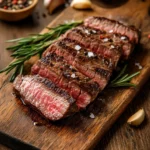
A foolproof sous vide steak recipe that takes the stress out of cooking. Tender, juicy, and seared to perfection with garlic and herbs for a steakhouse-quality result at home.
- Prep Time: 10 minutes
- Cook Time: 1 hour
- Total Time: 1 hour 10 minutes
- Yield: 2 servings 1x
- Category: Dinner
- Method: Sous Vide
- Cuisine: American
Ingredients
1 1/2 pounds steak (strip, T-Bone, or sirloin recommended)
2 sprigs rosemary
1 sprig thyme
1 clove garlic, minced
1/2 teaspoon salt
1/2 teaspoon black pepper
2 tablespoons butter
Instructions
1. Fill a deep pot or saucepan with water and set sous vide machine to 130°F for rare, 140°F for medium-rare, 150°F for medium, or 160°F for well-done.
2. Season both sides of the steak with salt and pepper.
3. Place the steak in a ziplock bag with rosemary, thyme, and minced garlic.
4. Partially seal the bag and use the water displacement method to push out air.
5. Submerge the sealed bag fully in the water bath.
6. Cook for 1 to 4 hours depending on your schedule.
7. Remove steak from bag and pat dry thoroughly.
8. Heat butter in a cast iron skillet until smoking hot.
9. Sear steak for 1 minute per side to develop a crust.
10. Serve immediately; no need to rest the steak.
Notes
Do not add oil to the bag—it won’t improve flavor and could affect searing.
Steak doesn’t need resting after sous vide; it’s already evenly cooked.
For added flair, baste with butter while searing or use compound butter at serving.
Nutrition
- Serving Size: 8 oz
- Calories: 425
- Sugar: 0g
- Sodium: 580mg
- Fat: 28g
- Saturated Fat: 12g
- Unsaturated Fat: 14g
- Trans Fat: 0g
- Carbohydrates: 1g
- Fiber: 0g
- Protein: 42g
- Cholesterol: 110mg
Why Zero-Stress Isn’t Just Hype
When people hear “sous vide,” they sometimes assume it’s only for food nerds or chefs. But honestly? It’s the opposite. Once your zero-stress sous-vide steak is in the bath, you don’t touch it. You don’t flip it. You don’t even think about it. That’s the magic of this method—it lets you walk away and come back to perfection.
Compare that to pan-searing, where seconds matter and overcooking is always a risk. With zero-stress sous-vide steak, you gain total control—no special timing skills or restaurant gadgets required. Even if you leave it for an extra hour, it still turns out beautifully tender and juicy.
What’s more, you can tailor your zero-stress sous-vide steak to your exact texture preference. Want it soft and buttery like filet mignon? Or a firmer bite like a classic NY strip? It’s all in the temp and time you choose—and sous vide delivers every time.
That’s exactly why I created this guide to zero-stress sous-vide steak—for real people who want steakhouse flavor with minimal effort. No smoke, no guesswork, and definitely no burnt edges. Just pure satisfaction, one bite at a time.
Easy Prep, Flawless Results Every Time
Choosing the Right Cut & Setup
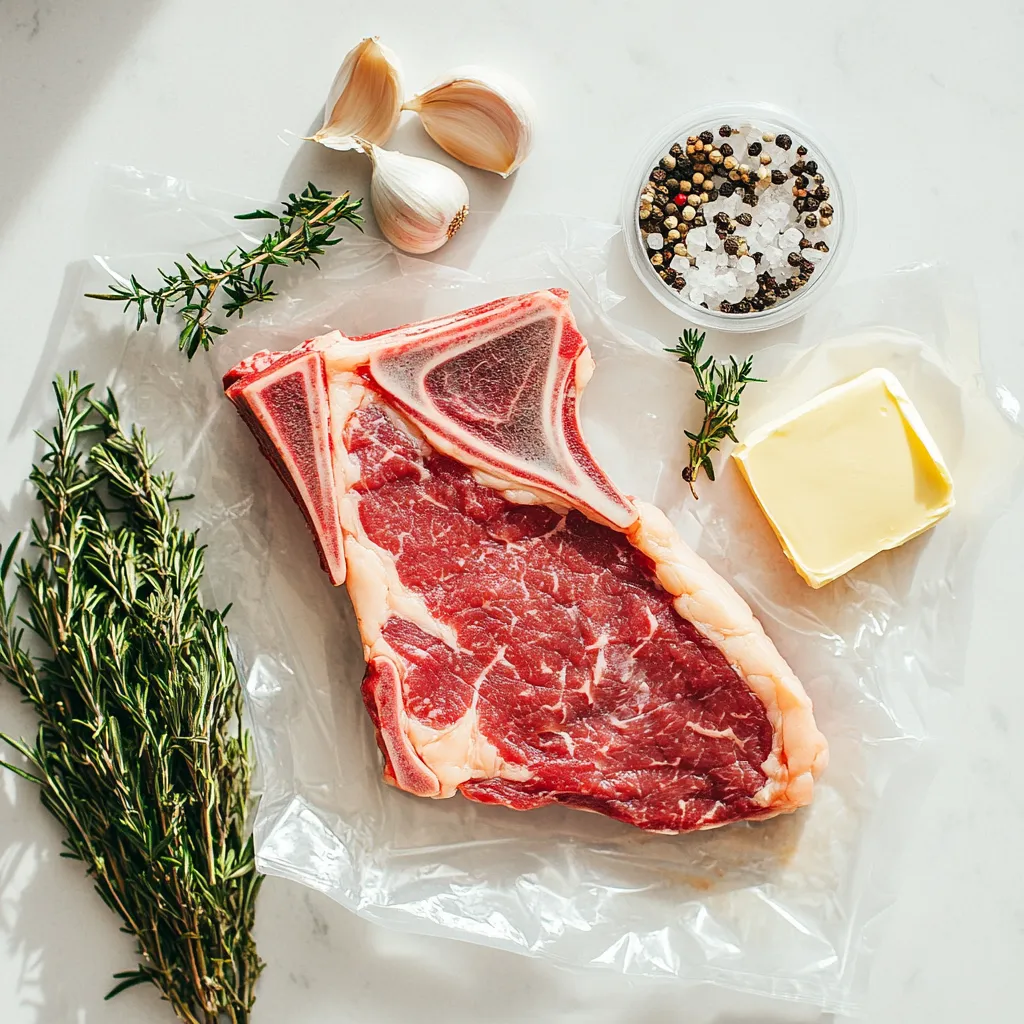
When you’re aiming for a zero-stress sous-vide steak, it all starts with choosing the right cut. The quality of your final result depends heavily on this first decision. Bone-in strip steak, sirloin, and T-bone are my go-to favorites because they offer a balance of tenderness, flavor, and fat marbling. These cuts hold up beautifully in the water bath, retaining moisture while soaking in all the seasoning and aromatics you seal inside the bag.
A great zero-stress sous-vide steak isn’t just about doneness—it’s about texture and satisfaction in every bite. That’s why selecting a steak with some marbling (but not too much) is key. The sous vide method breaks down connective tissue slowly, so even a firmer cut like sirloin comes out fork-tender when cooked correctly.
If you’re working with a ribeye—a fattier, juicier cut—you might need to tweak your time and temp slightly for optimal texture. For that, check out this 2-inch ribeye sous vide guide, which walks you through the perfect process.
Whatever cut you choose, remember: the beauty of zero-stress sous-vide steak is that it’s forgiving. You don’t need to hover over a grill or second-guess yourself with a thermometer. Just seal, submerge, and let precision do the work.
Here’s what you’ll need:
- 1.5 pounds steak
- 1 sprig thyme + 2 sprigs rosemary
- 1 clove garlic, minced
- ½ tsp salt + ½ tsp pepper
- 2 tbsp butter
- Ziplock bag or vacuum sealer
- Deep pot or container + sous vide machine
Set the water bath to:
- 130°F for rare
- 140°F for medium-rare
- 150°F for medium
- 160°F for well-done
Fill your pot, set your sous vide device, and let it heat while you season.
The “No-Fail” Seasoning Approach
You don’t need a spice cabinet explosion to make incredible steak—just simple, focused flavor. Salt, pepper, garlic, and a few sprigs of rosemary and thyme are all you need to unlock the full richness of your meat. That’s the beauty of zero-stress sous-vide steak: no fuss, no guesswork, just reliable results—even on your busiest weeknights.
Wondering if you should put olive oil on steak before sous vide? With zero-stress sous-vide steak, it’s better to skip it. Oil in the bag doesn’t enhance flavor and may dull your final sear. Save that sizzle for the skillet, where it really counts.
And forget long marinades. Since zero-stress sous-vide steak naturally tenderizes as it cooks, you don’t need to soak it for hours. Unless you’re after a specific flavor profile, like citrus or soy, you can go straight from seasoning to sealing.
Just season, seal, and submerge. The displacement method makes sealing easy—no vacuum sealer required. Water pressure removes air from the bag, locking everything in place for even cooking.
Let your zero-stress sous-vide steak bathe for at least one hour—or up to four without worry. And no, 4 hours is absolutely not too long! That flexibility is one of the biggest perks of the sous vide method.

The Perfect Sear & Finish
Butter, Heat, and a Cast Iron Pan
After your steak finishes its water bath, it’s technically ready to eat—but we want that golden, flavorful crust. This final step transforms your zero-stress sous-vide steak from great to unforgettable. It’s the moment where texture, aroma, and flavor come together.
Start by patting your steak dry with paper towels. Moisture is the enemy of a good sear—it’ll steam, not crisp. And for zero-stress sous-vide steak, the sear is where the magic gets locked in.
Heat a cast iron skillet until it’s just about smoking. Add 2 tablespoons of butter and let it foam. Gently lay the steak in and sear for just 60 seconds per side. That’s all it takes. You’re not cooking the steak here—you’re finishing it with character and crunch.
Want more depth? Add garlic and fresh herbs to the butter while searing your zero-stress sous-vide steak. The aromatics infuse quickly, but honestly, the flavor from the sous vide bag has already done most of the heavy lifting.
Pro tip: tilt the skillet and baste the steak with hot butter. It gives your zero-stress sous-vide steak a rich, steakhouse-style gloss. Not a fan of stovetop searing? A broiler works, too—just keep it close to the flame for that crusty edge.
When to Serve and How to Slice
You don’t need to rest zero-stress sous-vide steak like you would with traditional pan-seared or grilled cuts. That’s one of the major benefits of sous vide cooking. Because the steak is gently and evenly brought to temperature from edge to center, its juices remain perfectly distributed. You won’t have that sudden flood of liquid on the cutting board or the worry that your steak will dry out. As soon as it comes out of the pan or broiler, it’s ready to be sliced and served.
When you do slice your zero-stress sous-vide steak, always go against the grain. This small step makes a big difference. Slicing against the grain shortens the muscle fibers, resulting in a noticeably more tender bite—especially important for firmer cuts like sirloin or T-bone. Even if you nailed the cook, poor slicing can ruin the texture, so it’s worth taking the extra 30 seconds to do it right.
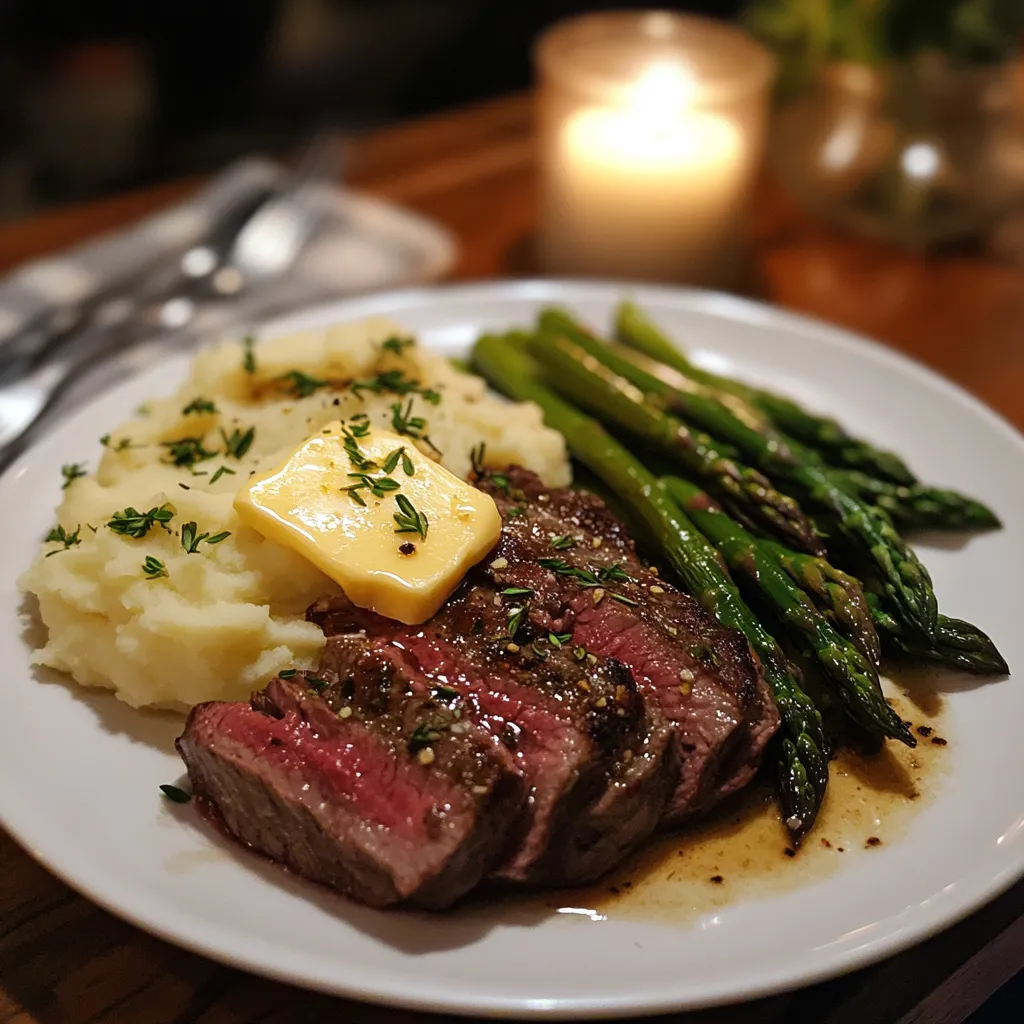
For sides, keep it simple and balanced. Garlic mashed potatoes, grilled asparagus, or a lightly dressed arugula salad are all great pairings. These kinds of sides highlight the richness of the steak without overpowering it. Want to take things up a notch for guests? Add a pat of compound butter or drizzle on a red wine reduction.
If you’re in the mood to impress, try a more elevated finish. This balsamic glaze variation adds sweet acidity, while this mushroom sauce recipe leans into earthy depth. Either option turns your zero-stress sous-vide steak into a restaurant-level plate—without any added pressure in the kitchen.
Tips, Tricks & Troubleshooting
Five Foolproof Tips for Stress-Free Sous Vide Steak
Once you get the hang of it, sous vide steak quickly becomes a weeknight staple. The precision and reliability make it hard to cook steak any other way. But even a solid routine can be elevated. These tips are designed to take your zero-stress sous-vide steak from good to phenomenal—bringing out richer flavor, better texture, and even more consistent results.
Whether you’re cooking for one or prepping steaks for a crowd, mastering the finishing steps, timing flexibility, and flavor layering can truly level up your game. That’s the power of zero-stress sous-vide steak: it starts simple, but it scales up beautifully.
So if you’re ready to refine your method and get steakhouse results without the hassle, let these proven techniques turn your next zero-stress sous-vide steak into your best one yet.
- Always dry the steak before searing. Moisture causes steaming, not browning.
- Use the displacement method if you don’t have a vacuum sealer. Slowly lower the bag into water to push the air out.
- Stick to the temp chart. Want a medium-rare finish? Set it to 140°F and walk away. The precision is what makes sous vide so reliable.
- Don’t worry about exact timing. Unlike grilling, an extra hour won’t ruin your steak. You can cook it for 1–4 hours with great results.
- Add aromatics like rosemary and garlic, but skip liquids like olive oil inside the bag—they won’t enhance flavor and may dull the sear.
If you want to go wild with flavor, try finishing your steak with compound butter, or add a splash of reduced balsamic while searing.
Common Mistakes and Easy Fixes
- Steak feels mushy? You may have cooked it too long at a low temp. Try a firmer cut or reduce the cook time.
- No crust after searing? The steak wasn’t dry enough, or your skillet wasn’t hot. Crank the heat and use clarified butter or high-smoke oil.
- Bag floating? Weigh it down with a spoon or clip to the side of your pot.
If you ever wonder “Can you overcook steak in sous vide?”, rest easy—you really can’t unless it’s in there 8+ hours.
Conclusion
There’s something incredibly satisfying about cooking steak that turns out perfectly—every single time—and doing it without hovering over a hot pan or stressing over the clock. That’s exactly what zero-stress sous-vide steak delivers. Set it, forget it, and come back to restaurant-quality results that feel effortless, yet taste exceptional.
Whether you’re brand new to sous vide or a seasoned home cook fine-tuning your routine, zero-stress sous-vide steak offers unmatched control. It takes the guesswork out of steak night and replaces it with confidence. From edge-to-edge doneness to juicy, tender texture, this method consistently delivers the kind of results you’d expect from a top-tier steakhouse—only in your own kitchen.
And the best part? It’s simple. You don’t need fancy gadgets, years of experience, or hours of prep. You don’t need to overthink timing, temperature, or technique. Just season your steak, seal it in a bag, and let the sous vide take care of the rest. No flare-ups. No stress. No regrets.
If you’ve ever wanted a no-fail way to make steak at home, zero-stress sous-vide steak is your answer. Once you try it, there’s no going back.
Join us on Facebook and Pinterest for even more delicious recipe ideas!
FAQs
What seasoning to put in sous vide steak?
Stick to salt, pepper, garlic, and fresh herbs like rosemary or thyme. You can also add shallots or a pinch of chili flakes if you want to change the vibe. No need to go overboard—simple seasonings shine.
Is 4 hours too long to sous vide a steak?
Not at all. Sous vide works best between 1–4 hours for steaks. Longer than 4 hours may soften the texture too much depending on the cut, but within that window, you’re safe.
Should you put olive oil on steak before sous vide?
No. Olive oil isn’t necessary and can interfere with the searing step later. Season the steak dry, then add butter or oil only during the final sear.
Can you sous vide steak without seasoning?
Technically, yes—but it’ll taste flat. At the very least, use salt and pepper before sealing it. Sous vide locks in the seasoning, so flavoring the meat beforehand makes a big difference.
Should I marinate a steak before sous vide?
Only if you’re after a specific flavor (like teriyaki or chimichurri). It’s not required, as sous vide already delivers tender results. But marinades work fine if you want extra character.
What are 5 tips for using sous vide?
- Use accurate temperature settings
- Always dry the meat before searing
- Try aromatics for added flavor
- Clip your bag to avoid floating
- Don’t stress over exact cook time—sous vide is forgiving
Should I salt steak before sous vide?
Yes. Salt before bagging helps tenderize and flavor the meat. Just don’t oversalt—½ teaspoon per pound is a great starting point.