
➤ Table of Contents
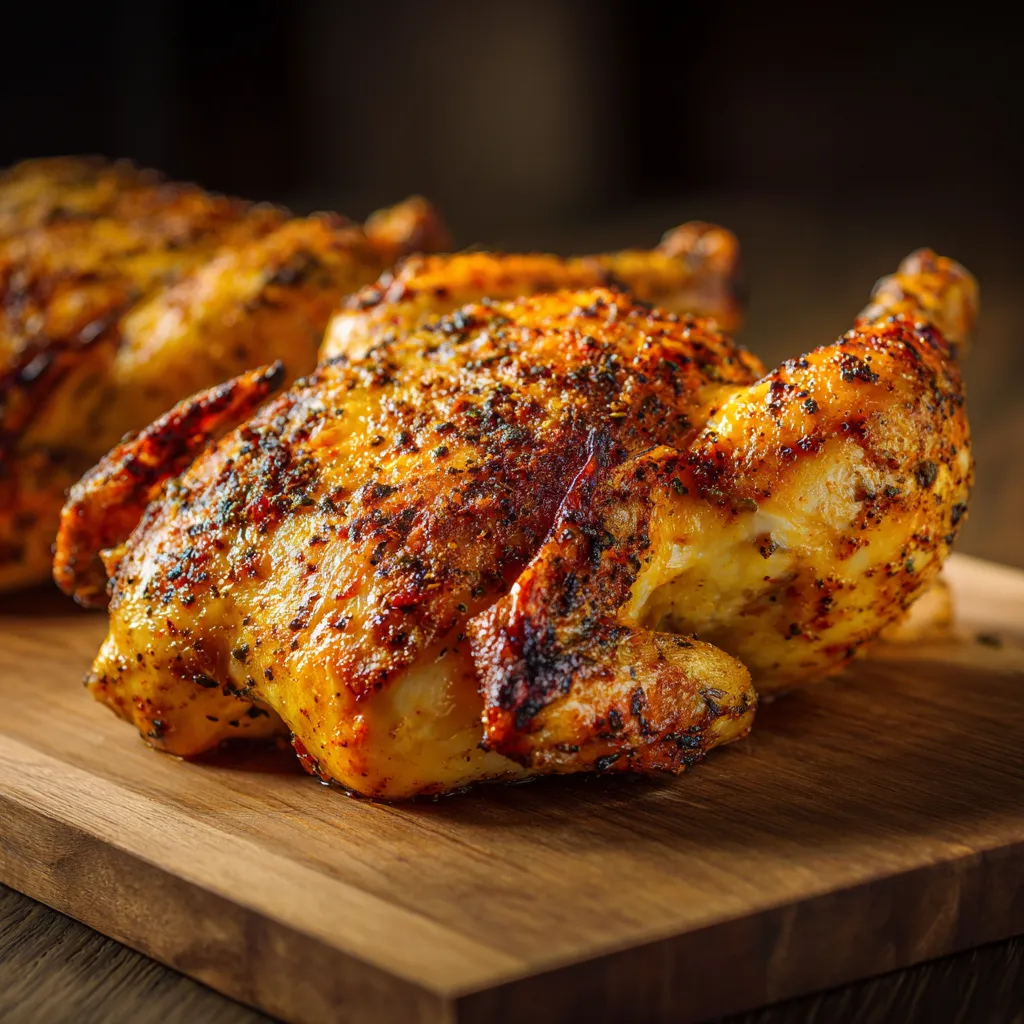
When I first attempted a sous vide whole chicken, I wasn’t convinced. It felt odd sealing up an entire spatchcocked bird in a bag and dunking it in water. But one bite changed everything. The breast meat was buttery soft, the thighs tender and rich, and not a single dry edge in sight. Even better? The skin turned crisp and golden after a quick oven blast.
Since then, sous vide whole chicken has become my go-to for family dinners, Sunday meal prep, and even holiday roasts. What makes this technique so powerful is precision. You’re not guessing whether the thickest part is done or crossing your fingers that the breast doesn’t dry out while the thighs catch up. With sous vide whole chicken, you get a perfectly even cook every single time—juicy, fully cooked, and incredibly consistent.
The benefits go beyond tenderness. Because you’re cooking low and slow, sous vide whole chicken retains more natural juices and absorbs seasonings more deeply. The result is flavor that penetrates from the surface down to the bone. For busy home cooks like me, it’s a total game changer. It’s like upgrading your entire roast chicken routine overnight.
I’ve lost count of how many bland oven-roasted birds I’ve suffered through. Now that I’ve nailed down sous vide whole chicken, dry white meat is a thing of the past. Plus, the process is shockingly hands-off. Once the bird is sealed and dropped into the water bath, you’re free to step away for six hours without worry. That’s the beauty of controlled temperature cooking—it works while you live your life.
The versatility of sous vide whole chicken is another huge win. You can serve it hot for dinner, shred it into tacos, chill it for meal prep, or even portion it for freezing. The texture holds up beautifully across meals. If you want inspiration, our Poultry Recipes section has dozens of spins on this staple, including spicy rubs, herbed butters, and even Mediterranean marinades.
Let’s talk storage. After finishing sous vide whole chicken, you can shock it in an ice bath and store it for up to 5 days in the fridge. Reheat gently in a sous vide bath, or crisp the skin under a hot broiler when you’re ready to serve. This flexibility is why so many readers have added sous vide whole chicken to their weekly prep routine. It’s easy, forgiving, and scalable—cook one bird or two, just stagger the bags.
And if you’re just starting out, don’t worry—sous vide whole chicken is one of the best beginner-friendly proteins to try. You can learn to spatchcock, season, seal, and finish all in one recipe. Our Sous Vide Basics Guide walks you through it step by step.
Honestly, I recommend sous vide whole chicken to anyone who wants consistent results without babysitting the oven. Whether you’re cooking for picky kids, a protein-hungry partner, or yourself, this method never lets you down. Once you try it, you’ll wonder how you ever made chicken any other way.
If you want to take things further, explore our sous vide whole chicken variations with bold flavor profiles. Add lemon zest and rosemary, rub in harissa, or go full BBQ with smoky paprika and garlic. The technique stays the same, but the flavors are endless.
Next, we’ll dive into the ideal time and temperature for sous vide whole chicken—so you get juicy, safe, and flavorful results every time you cook.
PrintSous Vide Whole Chicken

Juicy and perfectly cooked sous vide whole chicken with crispy skin and buttery herb seasoning—perfect for family meals or weekly prep.
- Prep Time: 5 minutes
- Cook Time: 6 hours
- Total Time: 6 hours 5 minutes
- Yield: 4 servings 1x
- Category: Poultry
- Method: Sous Vide
- Cuisine: American
Ingredients
1 whole chicken
1/4 cup butter, softened
1 tbsp kosher salt
2 tsp garlic powder
1 tbsp Italian seasoning
Instructions
1. Preheat water bath using immersion circulator to 155°F.
2. Spatchcock your chicken by removing the backbone with kitchen shears. Discard or save neck and organs.
3. Pat the chicken completely dry using paper towels.
4. In a bowl, mix the softened butter, kosher salt, garlic powder, and Italian seasoning.
5. Rub the butter mixture all over the chicken, including under the skin if desired.
6. Place the chicken in a vacuum seal bag and seal using a vacuum sealer or the water displacement method.
7. Submerge the chicken in the sous vide bath and cook for 6 hours.
8. Remove the chicken and chill in an ice bath for 10–15 minutes if storing for later.
9. To serve immediately, preheat oven to 450°F and line a baking sheet with foil.
10. Transfer chicken to the baking sheet and roast for 15–20 minutes, until the skin is crispy and golden.
11. Optional: Rest for 5–10 minutes before carving.
12. Slice and serve or store for meal prep.
Notes
You can season the butter mix with smoked paprika or chili flakes for a kick.
Chicken can be stored in an airtight container in the fridge for up to 5 days.
For crisper skin, broil the chicken for the final 2 minutes of oven finishing.
Nutrition
- Serving Size: 6 oz
- Calories: 165
- Sugar: 0g
- Sodium: 450mg
- Fat: 12g
- Saturated Fat: 4g
- Unsaturated Fat: 8g
- Trans Fat: 0g
- Carbohydrates: 0g
- Fiber: 0g
- Protein: 35g
- Cholesterol: 85mg
Temperature & Time Explained – No More Dry Chicken
How Long to Sous Vide Whole Chicken
Cooking a whole chicken sounds intimidating, but with sous vide, it’s mostly hands-off. The secret? Low and slow precision. For sous vide whole chicken, the ideal setup is 155°F (68.3°C) for 6 hours. This timeframe allows even the thickest thigh or breast portion to come up to safe pasteurization levels without drying out or becoming stringy.
Why 6 hours? Because a spatchcocked bird, flattened and evenly sealed in a vacuum bag, needs time for heat to move through every part. Traditional roasting often leaves you juggling temperature zones—dry breast meat or undercooked thighs. But with sous vide whole chicken, the results are perfectly even, no matter what.
Once cooked, sous vide whole chicken can safely stay in the bath for up to an hour, giving you flexibility if dinner runs late. And thanks to the consistent internal temperature, you’re not gambling with food safety or texture. You’re getting juicy, tender results every time.
If you’re in a rush, you might ask, “Can I cook it faster?” Sure—but you’ll sacrifice evenness and texture. Remember, sous vide whole chicken isn’t about speed; it’s about precision. Shortening the time means you risk an undercooked interior, especially around the bones. Holding it for the full 6 hours guarantees complete pasteurization and ideal bite.
Lower temperatures like 145°F or even 140°F are technically safe too, but the texture of sous vide whole chicken becomes noticeably softer—sometimes too soft for a satisfying chew. At 155°F, you get the best of both worlds: safe, juicy, and structured meat with a traditional mouthfeel.
And what about finishing? That’s where the fun begins. After the bath, your sous vide whole chicken is ready to crisp in a screaming hot oven. Fifteen to twenty minutes at 450°F gives you blistered skin and golden color that rivals rotisserie chickens from any deli. Want flavor bonuses? Brush the skin with melted butter, infused oil, or your favorite spice rub right before roasting.
Looking to build a full meal? Our Sous Vide Sides Collection features vibrant vegetables, creamy mashed potatoes, and flavor-packed grains that pair perfectly with sous vide whole chicken. This technique isn’t just for holidays or big dinners. Sous vide whole chicken fits into your weekday routine, too.
It reheats beautifully, slices cleanly for sandwiches, and stays moist in the fridge for up to five days. Plus, it freezes well—just vacuum seal in smaller portions after cooking. Want to explore more ways to tweak your cook time or experiment with temperatures? Our Time & Temperature Guides walk you through it.
From shorter cooks for breasts to overnight baths for large birds, there’s a perfect fit for every schedule. With sous vide whole chicken, you’re not just cooking—you’re upgrading your kitchen workflow. And with every juicy, perfectly cooked bite, you’ll see why it’s worth the wait.
Why 155°F? Is It Safe?
Absolutely. Many home cooks assume 165°F is the only safe temperature for chicken—but with sous vide, it’s not about how hot, but how long. At 155°F, chicken becomes fully pasteurized in under 90 minutes. Holding it for 6 hours ensures a generous safety margin and unbeatable tenderness.
What about lower temps like 140°F? They’re safe too—when held long enough—but the meat can turn a bit too soft for some preferences. Sous vide whole chicken at 155°F gives you that ideal balance of structure and juiciness.
Want to learn more about sous vide pasteurization times? Check out our Time & Temp Charts for deeper guidance on food safety and texture preferences.
Prep Like a Pro – Spatchcock, Season, and Bag
How to Spatchcock for Even Cooking
The key to perfectly cooked sous vide whole chicken is spatchcocking. It might sound fancy, but it simply means removing the backbone so the bird lays flat. This ensures even heat distribution, especially important in sous vide cooking where temperature is everything.
To spatchcock, place the chicken breast-side down on a cutting board. Using sharp kitchen shears or a sturdy paring knife, cut along both sides of the backbone and remove it completely. Save the backbone for stock, or discard it. Flip the chicken over and press firmly on the breastbone to flatten the bird. This helps it fit better into the vacuum bag and cook evenly from edge to center.
Drying the skin thoroughly with paper towels is just as critical. Moisture on the surface leads to rubbery skin, even after the finishing step. A well-dried chicken crisps beautifully in the oven.
Still unsure about technique? Our Sous Vide Prep Guides offer a step-by-step visual breakdown on how to spatchcock and prep chicken like a pro.
Seasoning & Sealing Tips
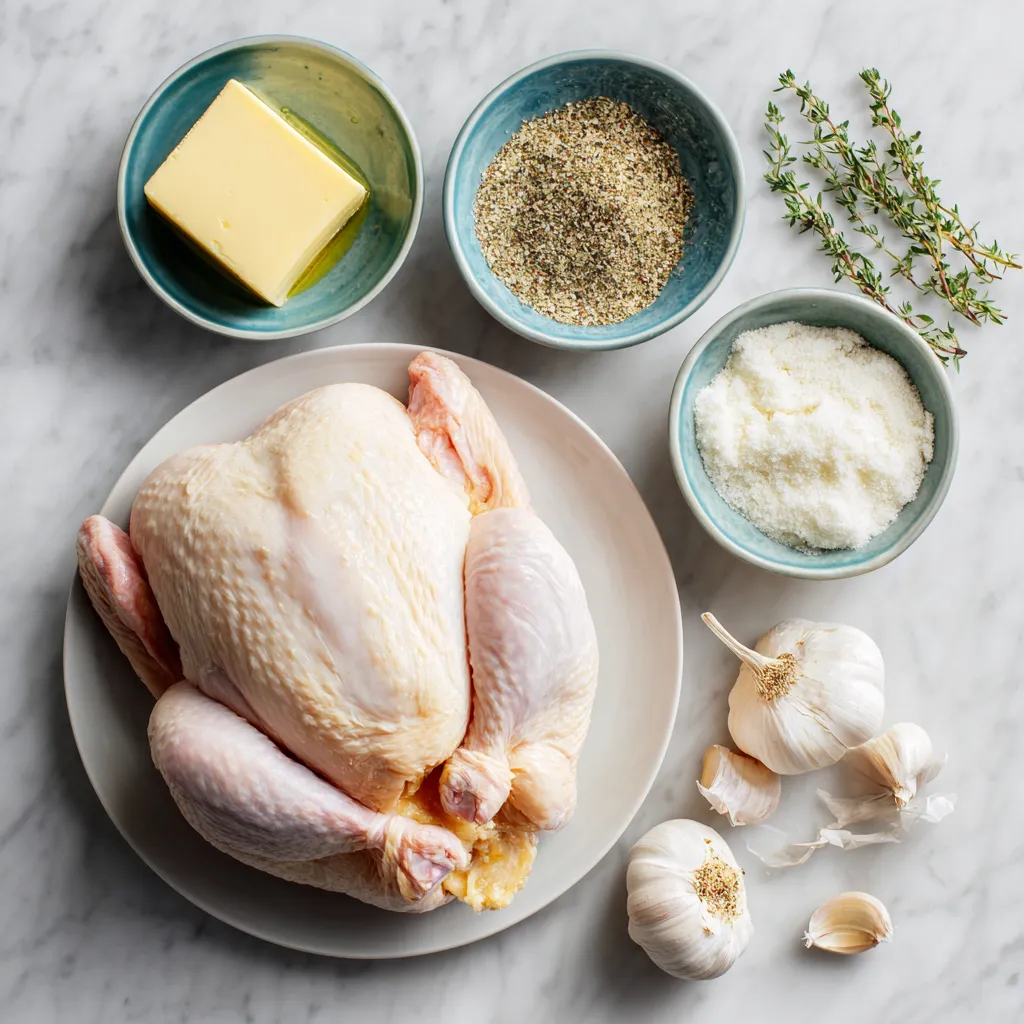
Once your chicken is flat and dry, it’s time to season. Kevin’s method uses a flavorful compound butter: 1/4 cup softened butter, 1 tbsp kosher salt, 2 tsp garlic powder, and 1 tbsp Italian seasoning. Mix it all together in a bowl, then rub it generously under the skin and over the entire surface of the chicken.
This seasoning method helps flavor penetrate during the 6-hour cook. Unlike roasting, where spices can burn or slide off, sous vide whole chicken locks in herbs, garlic, and salt beautifully.
Vacuum seal the chicken in a large bag. If you don’t have a vacuum sealer, use the water displacement method—lower the open bag slowly into the water, letting pressure push air out, then seal. Make sure the chicken lies flat with no folds or air pockets.
For more sealing tips or product recommendations, check out our Sous Vide Gear Guides.

Finish Strong – Crisp Skin & Smart Storage
Oven Crisp for Golden Skin
One common question about sous vide whole chicken is: what about the skin? While sous vide gives you perfect meat texture, the skin comes out soft. That’s why finishing is essential.
After the 6-hour cook, carefully remove the chicken from the bag and pat it completely dry—again. Moisture is the enemy of crispy skin. Preheat your oven to 450°F and line a baking sheet with foil. Place the spatchcocked chicken skin-side up and roast for 15 to 20 minutes until the skin is golden, blistered, and irresistible.
The result is stunning. You get juicy meat inside with crispy, crackling skin on the outside—a combination that’s hard to beat. It also means you can serve your sous vide whole chicken hot, fresh, and ready without the guesswork of traditional roasting. Want to elevate the flavor even more? Brush with a bit of melted butter and fresh herbs before finishing for an aromatic finish.
Need ideas on sauces and sides? Visit our Flavor Guide to find dips, pan sauces, and rubs that complement your chicken beautifully.
Meal Prep, Storage & Resting
Once crisped, you can serve your sous vide whole chicken immediately or save it for later. If you’re not eating it right away, chill it quickly after the water bath using an ice bath (equal parts ice and water) for 10–15 minutes. This step stops bacterial growth and locks in texture.
Store the chicken in an airtight container or reseal it in vacuum bags. It will keep in the fridge for up to 5 days and reheats well in a sous vide bath or low oven. You can also freeze portions and reheat as needed—making this method perfect for batch cooking.
Do you need to rest chicken after sous vide? Not really. The controlled temperature avoids moisture loss, so slicing right away is fine. But if you finish in the oven, give it 5–10 minutes to let juices settle.
Looking for more sous vide meal prep tips? Explore our Meal Prep Recipes to build a full week’s menu around juicy, ready-to-go proteins.

Conclusion
Sous vide whole chicken might sound complicated at first, but once you try it, there’s no going back. From spatchcocking to the final oven crisp, every step gives you more control, more flavor, and better texture than traditional roasting ever could. Whether you’re cooking for family, prepping for the week, or just tired of dry chicken, this method delivers consistent results every time.
The beauty of sous vide whole chicken lies in the balance of science and simplicity. Set your water bath, season with compound butter, seal and cook—then enjoy juicy breast meat, tender thighs, and crispy golden skin that tastes like it came from a top-tier restaurant.
This is more than a recipe. It’s a kitchen skill that changes how you think about poultry. From here, feel free to experiment with different herbs, spices, and finishing touches. And if you’re ready to level up even more, check out our full collection of Sous Vide Chicken Recipes to explore new ways to bring flavor and precision to your plate.
Join us on Facebook and Pinterest for even more delicious recipe ideas!
FAQs
How long does it take to sous vide a whole chicken?
It takes 6 hours at 155°F to fully cook a spatchcocked whole chicken. This time ensures even cooking throughout, including the thickest parts near the bone.
How long does chicken take to sous vide?
For boneless cuts like breasts, 1.5–2 hours at 145°F is ideal. A whole chicken, especially spatchcocked, requires about 6 hours for full pasteurization and tenderness.
What is a disadvantage of sous vide chicken?
The biggest drawback is the lack of crispy skin straight from the bag. However, this is easily fixed with a hot oven finish to crisp the skin.
Can you sous vide chicken for too long?
Technically yes. While sous vide is forgiving, overcooking past 8+ hours can cause texture changes—making it mushy. Stick to recommended timeframes for best results.
Is sous vide chicken at 140 safe?
Yes, chicken at 140°F is safe if held long enough (27.5 minutes for pasteurization). However, most cooks prefer 145–155°F for firmer texture and peace of mind.
How fast can I cook a whole chicken?
If you spatchcock it and increase temp to 160°F, you can reduce cook time to around 4–5 hours—but texture may become slightly firmer.
Do you rest chicken after sous vide?
It’s not required since sous vide maintains juices. But if you finish it in the oven, a 5–10 minute rest helps preserve moisture after crisping the skin.