
➤ Table of Contents
Hi there! I’m Jasmine, the home cook behind SousVideRecipe.com. I grew up in Florida, where fresh seafood and smoky backyard grills were a way of life. Most evenings, the air was thick with the scent of grilled shrimp or snapper sizzling over open flames. But when it came to steak, things were less predictable. I always wanted that perfect balance—seared on the outside, juicy and pink inside—but I found myself relying more on timers and crossed fingers than any real technique. Sometimes the steak would be beautifully rare, and other times, it ended up gray and dry with a bitter crust. No matter how closely I watched it, I couldn’t get consistent results.
Then I discovered sous vide—and everything changed.
The very first time I pulled a steak from the water bath, I could feel the difference before even slicing into it. It was soft, almost buttery, and held its shape with a kind of poise I’d never seen before. When I cut it open, I was stunned—perfect medium-rare, from edge to edge, without a hint of dryness. No tough spots, no raw center, no guesswork. I couldn’t believe I had achieved this level of control in my own kitchen. From that moment on, sous vide steak became a staple in our home meals. It’s the dish I turn to when I want no-fail results, whether I’m cooking for two or hosting a crowd.
If you haven’t given it a try yet, now’s the time. Sous vide might sound fancy, but it’s surprisingly approachable and incredibly forgiving. It gives you precision without pressure, freedom to focus on other parts of your meal, and best of all, flavor that’s deeply satisfying. With this method, you’re not just cooking—you’re creating something reliable, repeatable, and consistently delicious.
PrintSous Vide Steak Guide
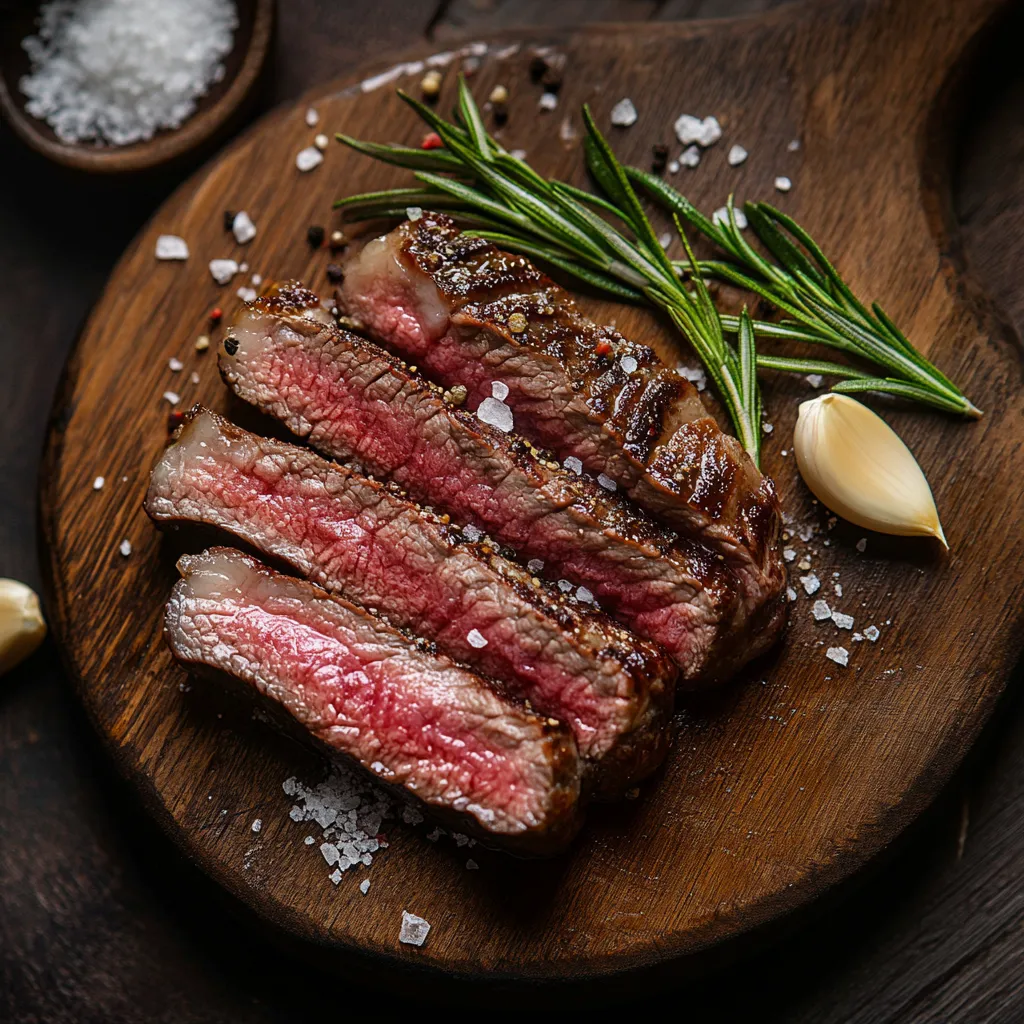
A tender, juicy New York strip steak cooked sous vide for precision, then seared in butter and herbs for a rich crust and restaurant-quality flavor.
- Prep Time: 10 minutes
- Cook Time: 2 to 4 hours
- Total Time: 2 hours 10 minutes
- Yield: 2 steaks 1x
- Category: Dinner
- Method: Sous Vide
- Cuisine: American
Ingredients
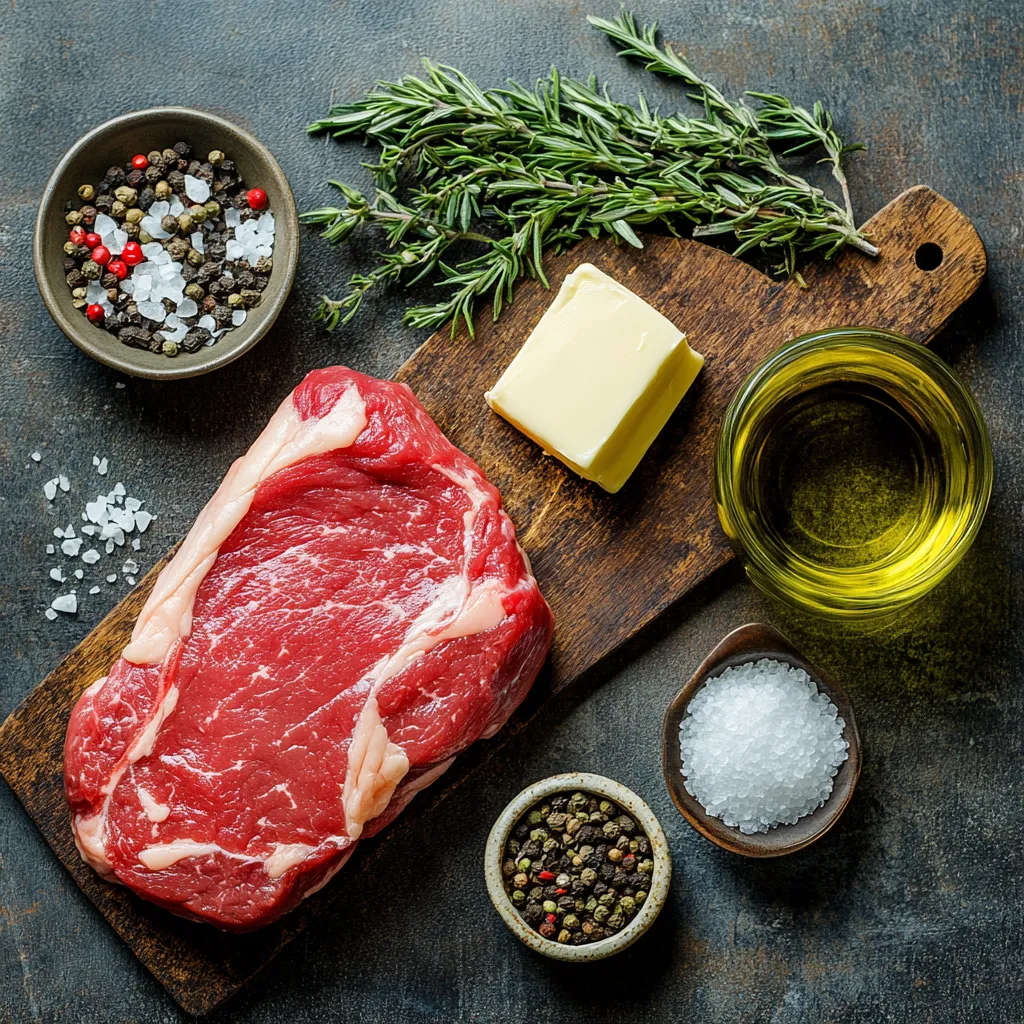
1 lb. New York strip steaks, two 1/2-lb. steaks
1/2 teaspoon coarse sea salt
1/2 teaspoon coarse black pepper
2 herb sprigs (rosemary, thyme, or oregano)
2 tablespoons of butter
2 tablespoons of olive oil
Instructions
1. Fill a large pot with water and set your sous vide machine to 130ºF for medium-rare.
2. Generously season both sides of the steaks with salt and pepper.
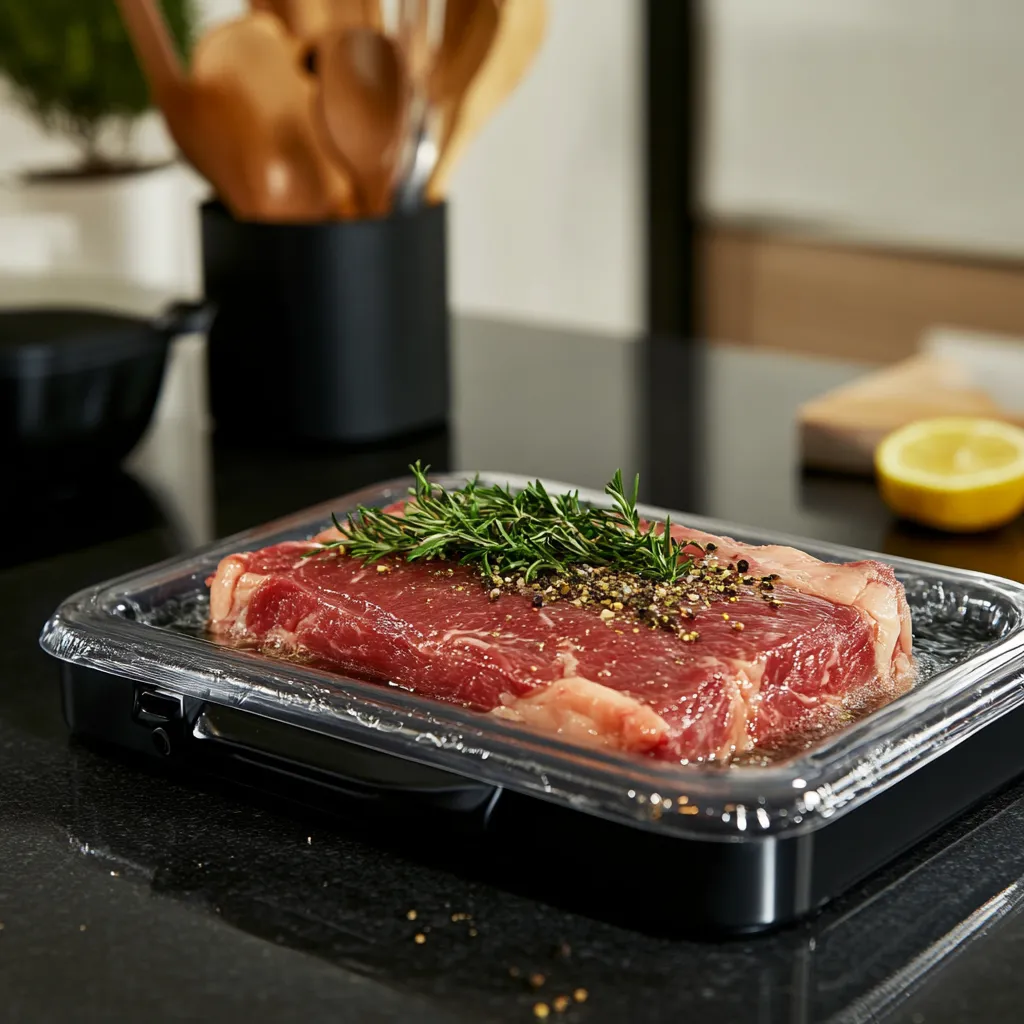
3. Place each steak in its own bag with 1 tablespoon butter and 1 herb sprig.
4. Seal bags using vacuum sealer or water displacement method.
5. Submerge steaks in the water bath and cook for 2 to 4 hours.
6. Remove steaks and pat them dry completely.
7. Heat cast iron pan over medium-high heat and add olive oil.
8. When oil is hot and shimmering, sear steaks for 1 minute per side.
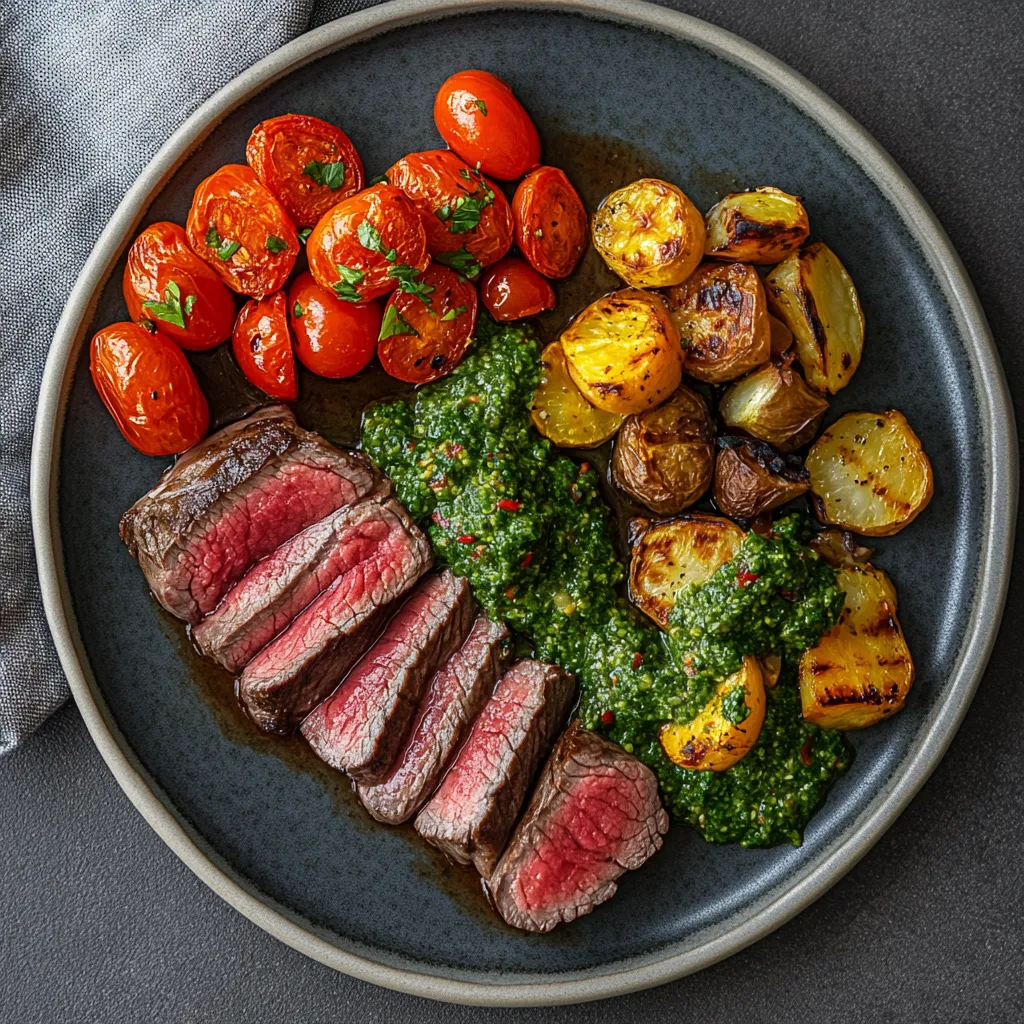
9. Serve immediately with chimichurri or a vegetable side.
Notes
Do not cook longer than 4 hours to prevent meat breakdown.
Always pat the steak dry before searing to ensure a crust.
You can sear using a broiler or grill if preferred.
Nutrition
- Serving Size: 1 steak
- Calories: 480
- Sugar: 0g
- Sodium: 600mg
- Fat: 35g
- Saturated Fat: 15g
- Unsaturated Fat: 18g
- Trans Fat: 0g
- Carbohydrates: 0g
- Fiber: 0g
- Protein: 42g
- Cholesterol: 130mg
Why Sous Vide Steak is a Game-Changer
When you cook steak using traditional methods like grilling or pan-searing, it’s incredibly easy to miss the mark. Even with a meat thermometer in hand, a few seconds too long can push your perfect medium-rare into disappointing medium-well territory. Heat from the outside rushes inward quickly, often leaving you with an overcooked exterior and an uneven, sometimes dry center. Worse, you may find yourself constantly cutting into the meat mid-cook just to check doneness—which releases those precious juices you’re trying to keep inside. That used to be my routine too, until I discovered sous vide.
With sous vide, all of that uncertainty disappears. You simply set the water bath to your ideal temperature—let’s say 130°F for a flawless medium-rare—and walk away with confidence. The machine maintains that precise heat throughout the cook, gently bringing your steak up to the exact doneness you want without ever exceeding it. There’s no watching the clock, no second-guessing, and no need to hover nervously over the stove. It’s a level of control that even the best restaurants aim for, and you can get it right in your own kitchen every single time.
The result? A steak that’s:
- Juicy, from edge to edge
- Cooked exactly how you like it
- Infused with herbs and aromatics
- Ready when you are—no more timing stress
Even better, sous vide steak lets you relax. You can prep sides, pour a glass of wine, or just take a break without rushing. It’s this reliability that made me fall in love with the method—and trust me, once you try it, there’s no turning back.
Related recipes like my Sous Vide Steak with Garlic or the guide on Can You Overcook Steak in Sous Vide? can give you extra tips as you go.
Timing Guidelines That Make It Foolproof
When it comes to sous vide steak, time is flexible—but not infinite. The beauty of the method is that once your steak reaches your target temperature, it stays there without overcooking for a while. That’s what makes it so forgiving.
For a New York strip or ribeye, here’s a simple guide:
| Thickness | Cook Time |
|---|---|
| 1 inch | 1.5 to 2 hours |
| 1.5 inches | 2 to 3 hours |
| 2 inches | 2.5 to 4 hours |
For most cuts, 2–4 hours hits the sweet spot. Just don’t leave it for 6+ hours unless you’re intentionally tenderizing a tough cut.
This method works especially well with Sous Vide Steak with Balsamic Glaze, which benefits from rich internal moisture after a longer bath.
Your Temperature Cheat Sheet
Temperature is where the real magic happens. Unlike pan-cooking, where heat varies and spikes, sous vide keeps things locked into your desired doneness.
Here’s your simple sous vide steak temp guide:
| Doneness | Temperature |
|---|---|
| Rare | 125°F / 51.6°C |
| Medium-Rare (Recommended) | 130°F / 54.4°C |
| Medium | 135°F / 57.2°C |
| Medium-Well | 145°F / 62.7°C |
130°F for two hours gives you a medium-rare steak with a buttery interior and deep pink edge-to-edge doneness. And yes, you can cook from frozen, too—just add 30–60 minutes. Read more about that in our guide on Can I Cook Frozen Steak in Sous Vide?.
With this timing and temp knowledge, you’re already ahead of 90% of home cooks. And now, it’s time to talk about that sizzling finish—because what’s a steak without that crust?
The Cast Iron Sear: A Steak’s Best Friend
You’ve already handled the precision cooking—the part that ensures your steak is evenly done from edge to edge. Now it’s time for the exciting part: drama, sizzle, and that mouthwatering crust. This is where sous vide steak truly transforms from scientifically perfect to crave-worthy. The final sear adds more than just flavor; it creates contrast. That deep brown crust, formed in just seconds in a hot pan, gives each bite the satisfying texture and rich aroma that our senses associate with a high-end steakhouse.
Searing is where everything comes together—the tender, juicy interior you’ve carefully cooked in the water bath now meets the bold, caramelized surface created by direct heat. It’s the step that triggers the Maillard reaction, where proteins and sugars interact at high temperatures to develop complex, toasty flavors and irresistible browning. That golden, crisp exterior not only looks impressive—it’s what makes a sous vide steak truly unforgettable.
It’s this step that bridges the gap between the precision of sous vide and the bold satisfaction of traditional cooking. When done correctly, the crust enhances everything about the steak without overcooking it, giving you the best of both worlds: control and character.
Here’s exactly how to get it right:
- Remove the steak from the bag and pat it bone dry with paper towels. Moisture is your enemy here—it’ll steam instead of sear.
- Heat a cast iron pan over medium-high until it just starts to smoke.
- Add a splash of high-heat oil like canola or avocado.
- Sear for 1 minute per side, pressing gently with tongs.
- In the last 20 seconds, add butter, rosemary, or garlic and baste like a pro.
And that’s it—you’ve got a steak that looks, smells, and tastes like it came from a steakhouse.
This method pairs beautifully with flavor-forward options like our Sous Vide Steak with Garlic Herb Butter.
What About the Broiler or Grill?
Can you finish a sous vide steak with a broiler? Absolutely—and it’s a smart move, especially if you’re cooking for a group or want to avoid stovetop splatter. The broiler delivers intense, top-down heat that quickly forms a beautiful crust. To do it right, place your steak on a wire rack over a baking sheet so air circulates underneath. Position the rack close to the heating element—just a few inches below—and broil the steak for about 1 minute per side. Keep a close eye on it. Broilers work fast, and the difference between perfectly seared and overdone is often just seconds.
Another great option is the backyard grill. If you’re already outside cooking other dishes, this method fits right in. Make sure the grill is blazing hot—you’re aiming for a high-heat surface that will instantly sear the steak’s exterior. Place the steak directly over the flame, let it sit for 45 to 60 seconds, then flip. Don’t walk away. You’re not cooking the steak at this point, just creating those beautiful sear marks and smoky flavor notes.
Feeling a little adventurous? Try a kitchen torch. It’s a fun and effective way to finish leaner cuts or more delicate steaks like our Dishwasher Sous Vide Steak. A culinary torch gives you complete control and lets you target only the outer layer without applying residual heat to the rest of the meat. It’s ideal for home cooks who want pro-level finesse without firing up a pan or grill.
Bonus tip: If you’re meal-prepping, sous vide steaks can be cooked in advance, chilled in their sealed bags, and stored in the fridge for up to 5 days. When you’re ready to serve, just sear them briefly in a hot pan to bring back that crust and serve immediately.
No matter which method you choose—broiler, grill, torch, or cast iron—the golden rule is the same: sear hot and fast. You’re not recooking the steak; you’re locking in flavor, building texture, and delivering that restaurant-style finish that makes all the difference.
Avoid These Mistakes That Ruin Texture
If your sous vide steak turns out chewy or tough, don’t panic—it’s not the method, it’s usually one of these small errors:
- You went too long: While sous vide is forgiving, leaving steak in the bath past 4 hours can cause muscle fibers to break down too far, creating a mushy or grainy texture.
- Bad sear technique: Over-searing can dry out the outer layer, giving a tough bite. Limit to 1 minute per side on high heat.
- Low-quality or old meat: Sous vide can’t fix poor cuts. Start with fresh, marbled beef like ribeye or New York strip.
- Insufficient seasoning: Underseasoned steak can feel bland and chewy. Salt generously before sealing.
If you want a pro move, review our Can You Overcook Steak in Sous Vide? article to understand where the line is.
Build Flavor With Aromatics, Butter, and Bold Sauces
Here’s where sous vide really shines—it’s a blank canvas for flavor.
Before sealing your steak:
- Add a sprig of rosemary, thyme, or oregano
- Place a slice of garlic or a dab of butter in the bag (it won’t draw out moisture if you sear afterward)
- Season with coarse salt and pepper generously
Then, after sous vide and just before searing, add:
- 1 tablespoon of olive oil to your hot pan
- Finish with butter and a quick baste for a glossy, aromatic coating
Want a flavor upgrade? Serve your steak with one of these:
Don’t forget a great side—chimichurri, roasted potatoes, or a crispy salad balance the richness perfectly.
Conclusion: Why Sous Vide Steak Is Worth It Every Time
Sous vide steak isn’t just a culinary trend—it’s a total game-changer for home cooks who crave consistency, confidence, and incredible flavor. A well-made sous vide steak removes all the pressure and unpredictability that usually come with traditional cooking methods. You no longer need to hover over a grill or guess when to flip. Instead, you get precise results, every single time. No more poking at meat, cutting it open mid-cook, or praying it’s done. With sous vide steak, you’re cooking smarter—not harder—and achieving steakhouse-quality meals from your own kitchen.
Once you’ve tasted sous vide steak, you’ll understand why so many home cooks are making the switch. This method gives you total control over how your steak turns out—whether you’re preparing a romantic dinner for two or plating up steaks for a weekend cookout. The beauty of sous vide steak lies in its precision and its flexibility. It lets you handle timing on your terms while guaranteeing perfectly cooked meat from edge to edge, without fail.
You’re no longer at the mercy of flare-ups, overcooking, or uneven sears. With sous vide steak, you get to decide exactly how your steak should be—whether that’s medium-rare, medium, or somewhere in between. You can prep ahead, cook in bulk, or make a single flawless steak in the middle of a busy weeknight. Add a quick sear, and you’ve got a gorgeous crust and bold, beefy aroma that rivals any restaurant.
From juicy, tender bites to that irresistible golden-brown finish, sous vide steak turns everyday meals into memorable, mouthwatering experiences. Start with a classic New York strip or your favorite cut, follow these easy steps, and discover just how transformative sous vide steak can be. Trust me—once you taste the difference, there’s no going back.
Join us on Facebook and Pinterest for even more delicious recipe ideas!
FAQs
Can I sous vide in a Ziploc bag?
Yes! As long as the Ziploc is BPA-free and rated for high temperatures, it’s safe for sous vide. Use the water displacement method to push out air before sealing.
How long do you sous vide a steak?
Steaks are typically cooked for 1.5 to 4 hours depending on thickness. A 1.5-inch New York strip is best at 130°F for about 2 to 3 hours.
Why is my steak tough after sous vide?
Toughness usually means overcooking. Going beyond 4 hours on tender cuts can break down texture. Also, avoid searing for too long or skipping the dry pat step.
What is the point of sous vide steak?
Consistency. Sous vide cooks steak perfectly edge-to-edge without overcooking. It locks in juices and flavor, and removes the stress of traditional methods.
What is a disadvantage of sous vide?
It lacks a crust unless you sear it separately, and it takes longer than grilling or pan-frying. But the precision and control are worth it.
Do you grill a steak after sous vide?
You can! Grilling adds a smoky flavor and crisp exterior. Just sear for 1 minute per side on a hot grill to avoid overcooking the inside.
Is sous vide steak better than grilled?
For precision and tenderness, yes. Grilled steak has great flavor but risks uneven doneness. Sous vide delivers perfectly cooked meat every time.