
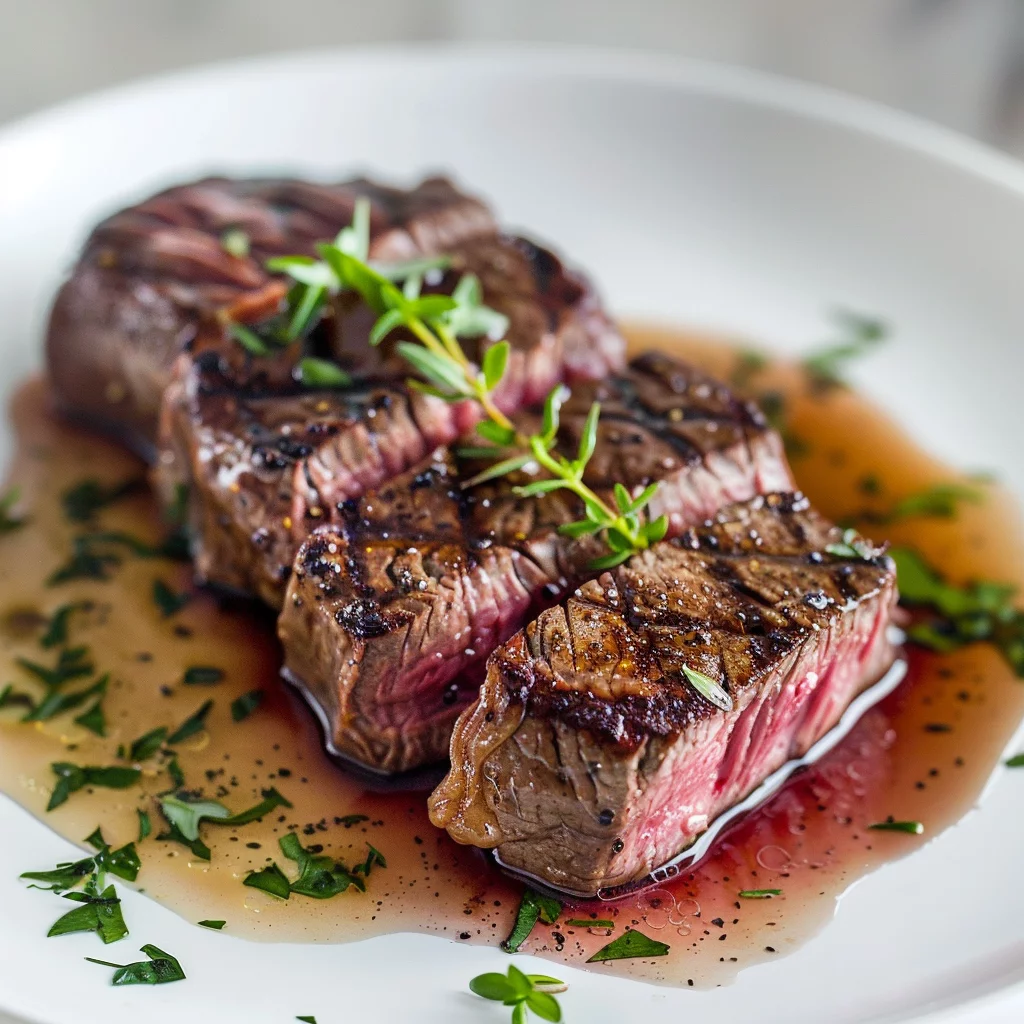
📑 Table of Contents ▶
- Sous Vide Steak Guide
- Mastering the Art of Sous Vide Steak
- Fundamentals
- Preparation/Setup
- Perfecting Your Sous Vide Technique
- Technique
- Tips/Tricks
- Achieving Perfect Results with Sous Vide Steak
- Perfecting Results
- Troubleshooting/Variations
- Serving and Storing Your Sous Vide Steak
- Serving/Presentation
- Pairings/Storage
- Conclusion
- FAQs – Sous Vide Steak Guide
I’m Jasmine, the home cook behind SousVideRecipe.com, where I share my passion for sous vide cooking. Growing up in Florida, I was surrounded by vibrant coastal flavors, but it was the discovery of sous vide that truly revolutionized my kitchen adventures. The first time I tried sous vide steak, I was amazed by how it transformed a simple cut of beef into a gourmet experience.
My journey into sous vide cooking began with a desire to recreate the tender, perfectly cooked meats I enjoyed at restaurants. I quickly realized that sous vide is not just for professionals; it’s a fantastic tool for home cooks like us. By precisely controlling the temperature, sous vide ensures that every steak is cooked to perfection, making it a staple in my culinary repertoire.
The beauty of sous vide is in its simplicity and reliability. Whether you’re preparing beef strip steaks or tender chicken, the sous vide method guarantees consistent and delicious results every time. If you’re ready to elevate your home cooking, this sous vide steak guide is just what you need to get started. Let’s dive into the magic of sous vide and create unforgettable meals together.
PrintSous Vide Steak Guide
Master the art of cooking the perfect sous vide steak with our comprehensive guide. Learn the best techniques and tips for succulent, restaurant-quality results.
- Prep Time: 15 minutes
- Cook Time: 2-4 hours
- Total Time: 2 hours 15 minutes – 4 hours 15 minutes
- Yield: 2-3 servings
- Category: Main Course
- Method: Sous Vide and Searing
- Cuisine: Various
Ingredients
- – 1 lb (454 g) beef strip steaks, 2 1/2 steaks
- – 1/2 teaspoon (3 ml) coarse sea salt
- – 1/2 teaspoon (3 ml) coarse black pepper
- – 2 herb sprigs, rosemary, thyme, or oregano
- – 2 tablespoons (30 ml) of vegetable oil
Instructions
- To start, fill a large pot with water to create a sous vide water bath. Ensure the pot is spacious enough for the steak and the water is deep enough to reach the sous vide device’s water line. Insert your sous vide into the water bath. For a medium-rare result, adjust the water bath to 130°F. Refer to any recipe notes for different temperature suggestions.
- Next, liberally season both sides of the steak with salt and pepper, then place each steak in a medium-sized Stasher bag or Food Saver bag, with one steak per bag. If preparing four steaks, use four separate bags.
- Add a sprig of herb and a tablespoon of vegetable oil on top of each steak in the bag.
- Expel air from the bags as much as possible and seal them tightly. If using a Stasher bag, try to eliminate as much air as you can.
- Submerge the steaks in the preheated water bath and cook at 130°F for 2 to 4 hours. Two hours is sufficient to bring the steak to the desired temperature, but cooking up to 4 hours is possible before the tendons begin to break down.
- After 2 hours, remove the steak from the water bath and place it on a plate.
- It’s time to sear the steak for that perfect texture. Preheat a cast iron skillet over medium-high heat. Once the pan is hot, add vegetable oil.
- When the oil is fragrant, put the steak in the pan and sear for 1 minute on each side. Remove from heat immediately.
- Serve the steak alongside chimichurri or a tasty vegetable side dish.
Notes
- Marinate beef strip steaks with herbs and vegetable oil before sous vide for a more flavorful result.
- Experiment with rosemary, thyme, or oregano to customize the steak’s flavor profile.
- Ensure steak is thoroughly dried before searing to achieve a nice crust.
Nutrition
- Calories: Varies
- Fat: Varies
- Protein: Varies
Mastering the Art of Sous Vide Steak
Fundamentals
Understanding the fundamentals of sous vide is essential to mastering this cooking technique. At its core, sous vide involves placing food in a vacuum-sealed bag and cooking it in a water bath at a precisely controlled temperature. This method ensures that your steak cooks evenly from edge to edge, achieving the perfect level of doneness every time.
For our sous vide steak guide, we focus on medium-rare steak, a popular choice for its juicy and tender texture. To achieve this, set your sous vide water bath to 130°F. This temperature is ideal for a medium-rare finish, providing a balance of tenderness and flavor that steak enthusiasts love. For more detailed guidelines, visit Sous Vide Medium Rare Steak.
Preparation/Setup
Setting up your sous vide station is straightforward. Fill a large pot with enough water to reach your sous vide device’s water line, then set the temperature to your desired doneness level. For our recipe, we’ll use beef strip steaks seasoned with coarse sea salt and black pepper. Place each steak in a separate vacuum-sealed bag with a sprig of your chosen herb and a tablespoon of vegetable oil. Learn more about the optimal cooking times at Vacuum Sealed Steak Cooking Time.
Properly sealing the bags is crucial to preventing water from entering and affecting the cooking process. If you’re using Stasher bags, make sure to expel as much air as possible before sealing. Submerge the sealed bags in the preheated water bath and let the magic of sous vide do its work for 2 to 4 hours. This time range allows the steak to reach the perfect temperature while maintaining its juicy texture.
Perfecting Your Sous Vide Technique
Technique
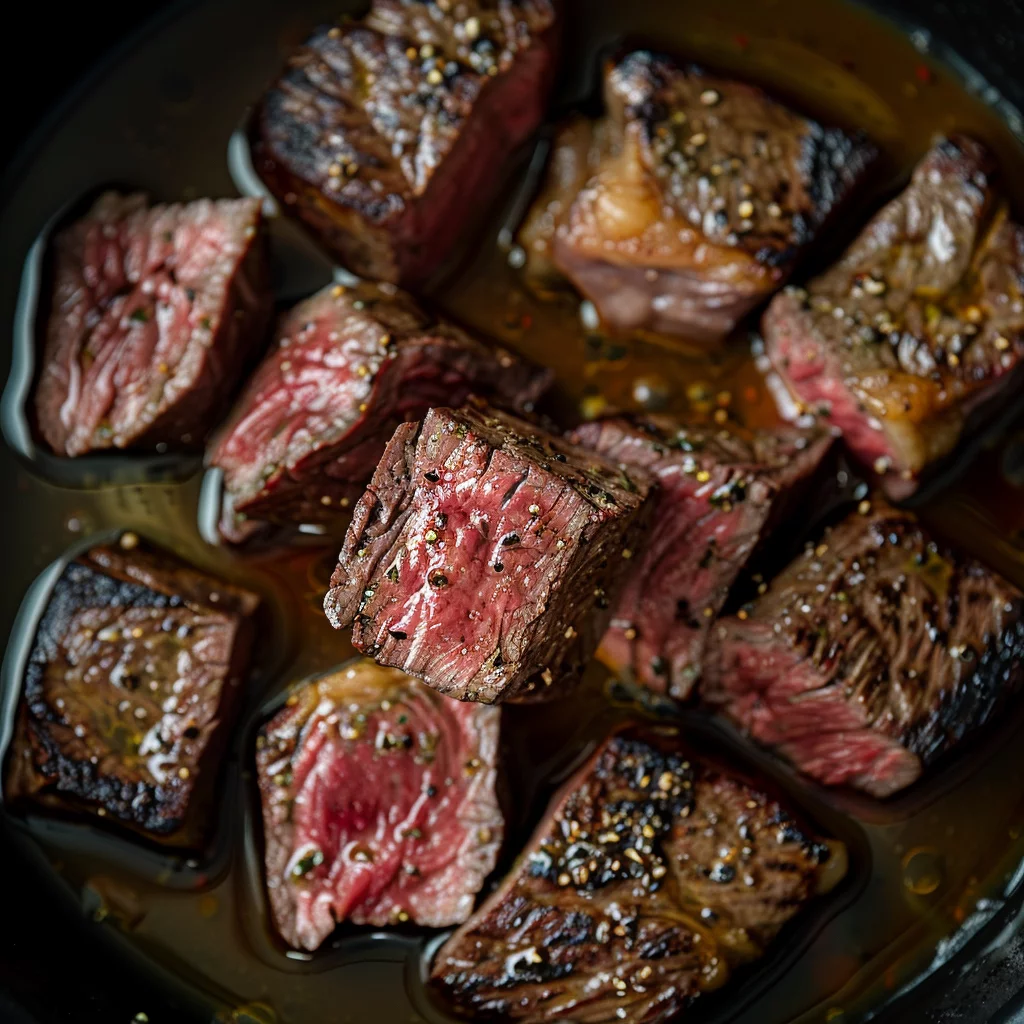
Perfecting sous vide steak requires attention to detail and patience. After cooking in the water bath, the next step is to sear the steak for that mouthwatering crust. Heat a cast iron skillet over medium-high heat, then add vegetable oil. Once the oil is fragrant, place the steak in the pan and sear for about a minute on each side. This quick sear not only enhances the steak’s flavor but also gives it an appealing texture.
The key to a successful sear is ensuring the pan is hot enough. This will create a beautiful crust without overcooking the steak. For additional tips on achieving the perfect crust, check out Sous Vide Steak Crust. Remember, the goal is to complement the sous vide’s even cooking with a flavorful exterior.
Sous Vide Steak Guide
Tips/Tricks
Enhancing your sous vide experience involves a few simple tips and tricks. One helpful tip is to let the steak rest for a few minutes after searing. This allows the juices to redistribute, ensuring every bite is as juicy as possible. Additionally, experimenting with different herbs can add unique flavors to your dish. Whether you choose rosemary, thyme, or oregano, each herb brings its own aromatic profile to the steak.
For those new to sous vide, starting with a basic cut like beef strip steak allows you to refine your skills. Once you’re comfortable, you can explore other cuts and cooking times. For more adventurous ideas, consider trying the Sous Vide Chuck Steak for a different flavor profile and texture.
Achieving Perfect Results with Sous Vide Steak
Perfecting Results
Achieving perfect results with sous vide steak requires a balance of precise temperature control and personal preferences. The beauty of sous vide is its adaptability; you can tailor the cooking process to suit your taste. If you prefer a slightly different doneness level, adjust the water bath temperature accordingly. For a comprehensive understanding of sous vide temperature variations, visit Sous Vide Medium Rare Steak.
Another aspect to consider is the quality of the beef strip steaks. Opting for high-quality, well-marbled cuts will enhance the overall taste and texture of the dish. The sous vide method excels at highlighting the natural flavors of the meat, making it important to start with the best ingredients available.
Troubleshooting/Variations
Even with precise methods, you might encounter challenges. One common issue is the steak not reaching the desired crust after searing. If this happens, ensure your pan is sufficiently hot and try using a bit more oil. Additionally, experimenting with different herbs and flavors can introduce delightful variations to your dish. If you’re curious about alternative sous vide techniques, the Sous Vide Dishwasher Steak Trick offers a unique approach to cooking steak.
Should you find yourself with leftovers, reheating them with sous vide preserves the steak’s original texture and flavor. For guidance on reheating, refer to How to Reheat Steak Using Sous Vide. This technique ensures that your steak remains as delicious as it was when first cooked.
Serving and Storing Your Sous Vide Steak
Serving/Presentation
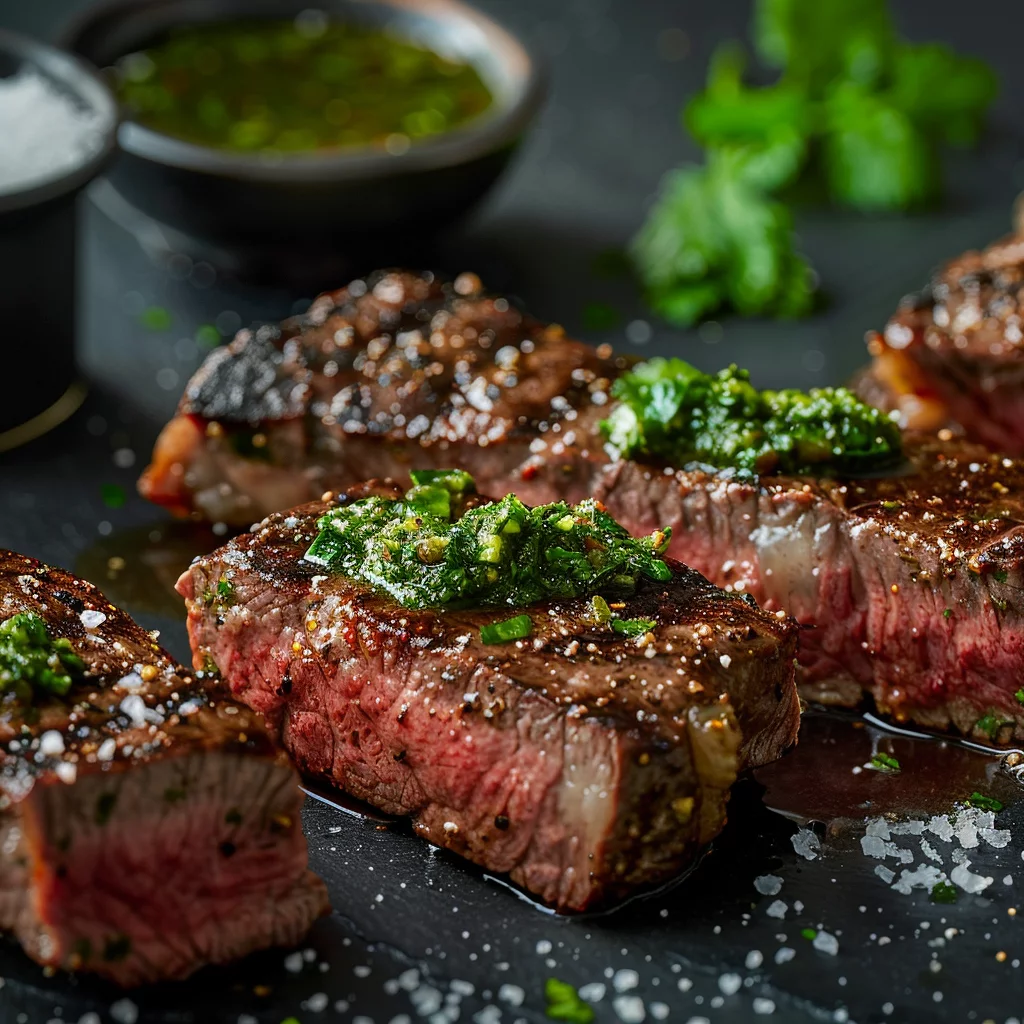
Serving sous vide steak is as much about presentation as it is about flavor. A beautifully seared steak deserves an equally appealing presentation. Consider slicing the steak against the grain for a more tender bite and arrange it attractively on a serving platter. Pair your steak with a vibrant chimichurri or a side of seasonal vegetables to complement its rich flavors.
When presenting your sous vide creation, remember that simplicity often yields the best results. Let the natural beauty of the steak shine, highlighting its perfectly even cooking and enticing crust. For more presentation ideas, explore the delightful Cast Iron Venison Steak Bites with Creamy Summer Horseradish Sauce for inspiration.
Sous Vide Steak Guide
Pairings/Storage
Pairing your sous vide steak with complementary sides can enhance your dining experience. Opt for classic sides like garlic mashed potatoes, roasted vegetables, or a fresh garden salad to balance the richness of the steak. When storing leftovers, vacuum-seal them and refrigerate for up to three days. This method preserves the steak’s flavors and keeps it fresh for later enjoyment.
For longer storage, consider freezing the vacuum-sealed steak. When ready to enjoy, simply reheat using the sous vide method to retain its original taste and texture. For more tips on storing and reheating, explore How to Reheat Steak Using Sous Vide. This ensures that every bite is as satisfying as the first.
Conclusion
With the right techniques and a little patience, sous vide steak becomes an impressive dish that elevates any meal. The precision of temperature control allows for perfect doneness, while the searing process adds a delightful crust. By mastering the art of sous vide, you can transform simple ingredients into culinary masterpieces.
This sous vide steak guide provides the tools and tips you need to achieve restaurant-quality results at home. Whether you’re new to sous vide or a seasoned pro, the consistent and flavorful outcomes will keep you returning to this method again and again. Explore the endless possibilities of sous vide and enjoy the magic it brings to your kitchen.