
📑 Table of Contents ▶
- Sous Vide Steak Crust
- Mastering the Sous Vide Steak Crust
- Fundamentals
- Preparation/setup
- Creating the Ideal Sous Vide Steak Crust
- Technique
- Tips/tricks
- Perfecting Your Sous Vide Steak Crust
- Perfecting results
- Troubleshooting/variations
- Presenting Your Sous Vide Steak Crust
- Serving/presentation
- Pairings/storage
- Conclusion
- FAQs – Sous Vide Steak Crust
Imagine slicing into a steak so perfectly cooked, it feels like a revelation. I first experienced this magic moment after discovering the technique of creating a sous vide steak crust. It was a sunny afternoon in Florida, and I was experimenting in my kitchen, entranced by the precision and simplicity of sous vide cooking.
Growing up near the coast, I was accustomed to fresh, vibrant flavors, but sous vide was a different ballgame. The first time I tasted that flawlessly tender steak, I realized that this method could transform any home cook’s repertoire. Achieving a sous vide steak crust that’s both crispy on the outside and tender on the inside felt like uncovering a culinary secret.
As I perfected my technique, I couldn’t help but share my excitement with anyone who would listen. This method brings a level of precision to home cooking that was once reserved for professional kitchens. If you’re intrigued by the idea of mastering the sous vide steak crust, you’ve come to the right place.
Let’s dive into the details of how to consistently create that perfect crust, adding another dimension to your steak. Whether you’re a seasoned sous vide enthusiast or just starting, this guide will walk you through the essentials.
PrintSous Vide Steak Crust
Discover the secrets to achieving a perfect sous vide steak crust. Learn expert tips and techniques to elevate your steak game with this foolproof guide.
- Prep Time: 20 minutes
- Cook Time: 130 minutes
- Total Time: 150 minutes
- Yield: 4 1x
- Category: Side Dish
- Method: Grilling
- Cuisine: Française
Ingredients
- 2 (1 1/2– to 2-inch-thick) ribeye, strip, porterhouse, or T-bone steaks (about 1 pound/450g each), or 4 tenderloin steaks (6 to 8 ounce s/170 to 225g each)
- Kosher salt and freshly ground black pepper
- 4 sprigs thyme or rosemary (optional )
- 2 garlic cloves (optional )
- 2 shallots, thinly sliced (optional )
- 2 tablespoon s (30 ml) vegetable, canola, or rice bran oil (if pan-searing)
- 2 tablespoon s (30 g) butter (if pan-searing; optional )
Instructions
- Set your sous vide device to the target temperature you want to achieve. Refer to the temperature guide for the appropriate time settings. Generously coat the steaks with kosher salt and black pepper. Place them in sous vide bags, adding thyme, rosemary, garlic, and shallots if desired, ensuring they are evenly distributed. Seal the bags and immerse them in the water bath for the time specified in the charts.
- For Pan Searing: Ensure your kitchen is well-ventilated by turning on exhaust fans and opening windows. Take the steak out of the water bath and bag, then thoroughly pat it dry using paper towels. Pour vegetable, canola, or rice bran oil into a sturdy cast iron or stainless steel pan, and place it on your hottest stovetop burner, heating it until it begins to emit smoke.
- Carefully position the steak in the pan using either your fingers or tongs. Optionally, include a tablespoon of butter now, or for a sear with a purer flavor, skip the butter at this point.
- After 15 to 30 seconds, turn the steak over to brown the other side. Continue flipping every 15 to 30 seconds until a golden-brown crust forms, approximately 1 1/2 minutes in total. If no butter was added earlier, introduce it to the pan about 30 seconds before the steak reaches desired doneness for extra flavor. Serve the steak right away.
- For Grilling: Ignite a full chimney of charcoal. Once the charcoal is fully lit and ashy, scatter it on one side of the grill grate. Position the cooking grate, cover the grill, and let it heat for 5 minutes. Alternatively, set half of a gas grill’s burners to the maximum heat, cover, and allow to heat for 10 minutes. Clean and oil the grill grate.
- Extract the steak from the sous vide bag and dry thoroughly with paper towels. Place the steak over the hottest part of the grill, turning it every 15 to 30 seconds until it develops a rich crust, around 1 1/2 minutes in total. If flames flare up as fat drips from the steak, close the grill lid to smother the fire. Alternatively, move the steak to the cooler side of the grill with long tongs until the fire subsides. Avoid letting the steak catch fire.
- Move the finished steak to a cutting board or serving dish and serve immediately.
Notes
- Crush thyme or rosemary slightly for more herb flavornDry steaks thoroughly before searing for a better crustnUse high smoke point oil before butter to reduce smoke
Nutrition
- Calories: 610 kcal
- Fat: 43 g
- Protein: 56 g
Mastering the Sous Vide Steak Crust
Fundamentals
The key to a great sous vide steak crust lies in the balance of flavors and textures. You start by seasoning your steaks generously with kosher salt and freshly ground black pepper. This step is crucial as it enhances the natural flavors of the meat. For an added layer of aroma, consider slipping in thyme, rosemary, or garlic into the vacuum-sealed bags before cooking. This infusion of herbs and spices is optional but highly recommended for those seeking a deeper flavor profile.
Once your steaks are seasoned and vacuum-sealed, set your sous vide device to the desired temperature. The beauty of sous vide is the precision it allows in cooking, ensuring your steak reaches the exact level of doneness you prefer. For an in-depth guide on sous vide temperatures, check out Sous Vide Steak Sirloin.
Preparation/setup
Preparation is straightforward but essential. Ensure your sous vide bath is at the desired temperature before immersing your steaks. Allow them to cook for the recommended time based on the thickness and cut of the meat. This slow cooking process is what makes the steak incredibly tender. Meanwhile, prepare your kitchen for the post-sous vide step where you’ll achieve that sought-after crust.
Whether you choose to pan-sear or grill, the setup is similar. A well-ventilated kitchen is a must when achieving the perfect sear, especially if you’re using a cast iron or stainless steel pan. Once the steaks are ready, pat them dry thoroughly to ensure they develop a beautiful crust when seared. For further insights into the sous vide process, explore Zero Stress Sous Vide Steak.
Creating the Ideal Sous Vide Steak Crust
Technique
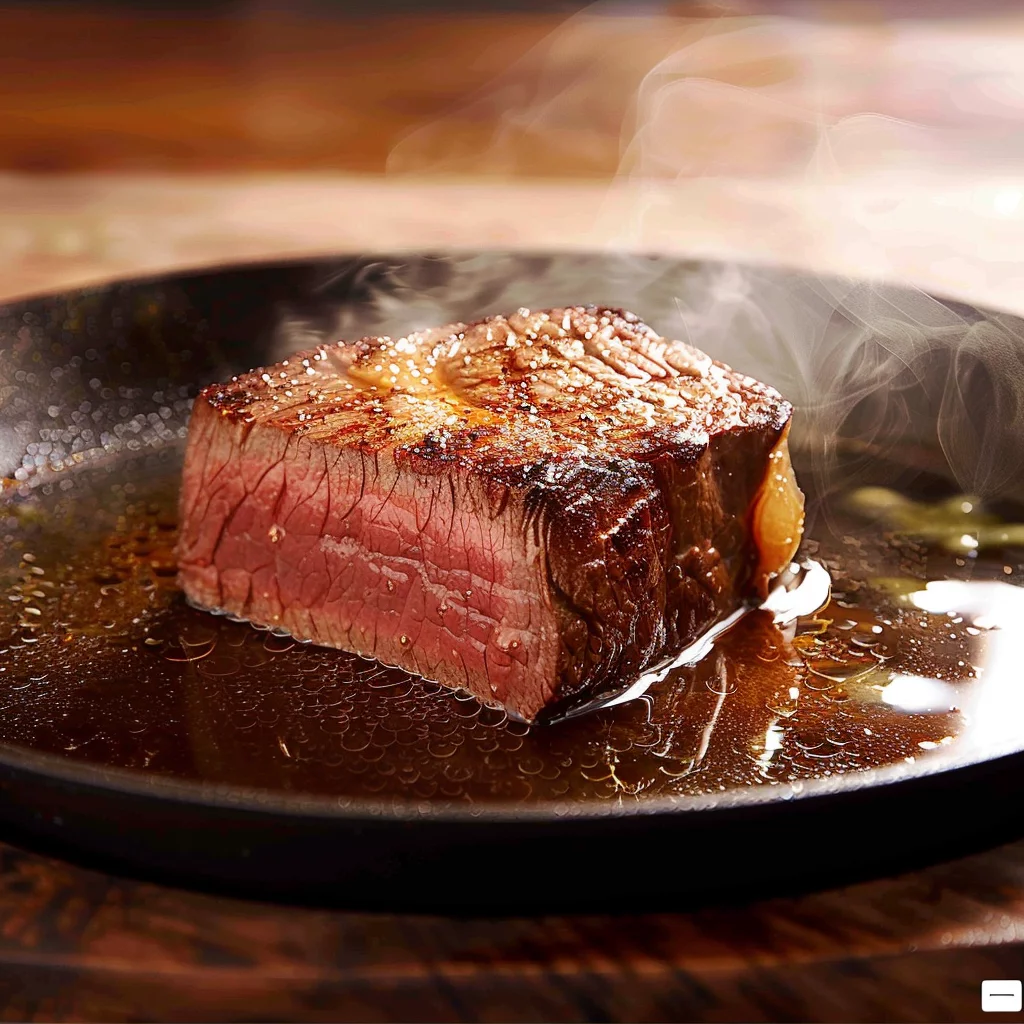
To achieve the perfect sous vide steak crust, you need high heat. If you’re pan-searing, heat your oil until it just begins to smoke in a sturdy pan. Quickly place the steak in the pan, flipping every 15 to 30 seconds. This frequent turning helps build an even crust without overcooking the inside. Consider adding a tablespoon of butter towards the end for a rich finish. Alternatively, for a purer taste, omit the butter altogether.
Sous Vide Steak Crust
Grilling offers another excellent method. With a full chimney of charcoal or half of a gas grill set to high heat, ensure your grill is prepped and ready. Place the steak over the hottest part, turning frequently to develop that rich crust. If flare-ups occur, simply close the grill lid momentarily or move the steak to a cooler section. For additional grilling tips, visit Sous Vide New York Steak.
Tips/tricks
A few tips can elevate your steak game. Always ensure the steak is dry before searing; moisture is the enemy of a good crust. Use a neutral oil with a high smoke point, such as vegetable or rice bran oil, to handle the high heat without burning. If you’re using herbs like rosemary or thyme, consider adding them to the pan during the last few seconds of searing for an aromatic boost. For more creative steak ideas, explore Venison Steak Tikka Masala.
Perfecting Your Sous Vide Steak Crust
Perfecting results
Perfecting your sous vide steak crust requires attention to detail and a bit of patience. Experiment with different cuts of steak, such as ribeye, strip, or tenderloin, to find your preference. Each cut offers a unique flavor and texture profile, enhancing your culinary experience. Remember, the goal is a golden-brown crust that encases a perfectly cooked interior. For further inspiration, check out Sous Vide New York Strip Steak.
Another secret to perfection is the finishing touch. Once your steak is off the heat, let it rest briefly. This step allows the juices to redistribute, ensuring every bite is juicy and flavorful. While resting, you can prepare any additional toppings or garnishes to complement your steak.
Troubleshooting/variations
If your steak isn’t achieving the crust you desire, consider adjusting your technique. Ensure your pan or grill is hot enough before adding the steak. If you encounter uneven browning, try adjusting the frequency of flipping or the oil used. Sometimes, a minor tweak can lead to significant improvements. For a deeper dive into troubleshooting, visit Sous Vide Steak with Cowboy Butter.
For variations, consider experimenting with the seasoning or adding a sauce post-sear. A chimichurri or homemade spice blend can add a unique twist, keeping your sous vide steak exciting and new.
Presenting Your Sous Vide Steak Crust
Serving/presentation
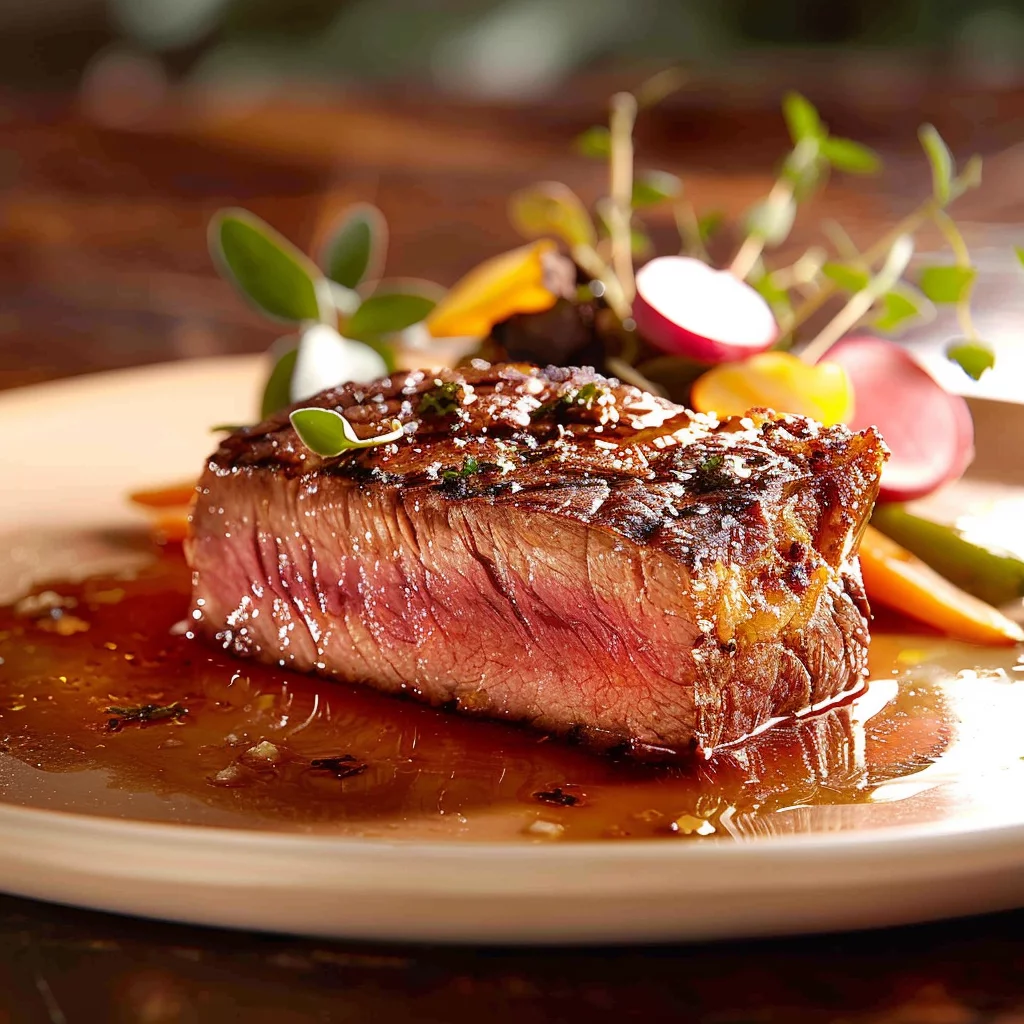
Presentation is the final flourish for your sous vide steak crust. Slice your steak against the grain for the most tender bite, and arrange it artfully on a serving dish. Garnish with a sprig of rosemary or thyme for a touch of elegance. The visual appeal can elevate the dining experience, turning a simple meal into a memorable occasion.
Consider serving your steak with sides that complement its rich flavor. Think roasted vegetables, a fresh salad, or creamy mashed potatoes. These pairings can enhance the overall meal, providing a balance of textures and flavors.
Sous Vide Steak Crust
Pairings/storage
When it comes to pairings, focus on flavors that complement the richness of the steak. A simple green salad with a vinaigrette can provide a refreshing contrast. If you have leftovers, store them in an airtight container in the refrigerator. To reheat, use a low-temperature oven or a quick sear in a hot pan to maintain the crust without overcooking the steak.
For more storage and pairing suggestions, explore Sous Vide Steak Recipe. This resource offers valuable insights to keep your steak delicious even after the initial meal.
Conclusion
Mastering the sous vide steak crust brings a touch of magic to your kitchen. With the right techniques, you can achieve a perfectly seared exterior and a tender interior every time. This guide provides the essentials to elevate your steak game, ensuring each meal is memorable.
The sous vide method offers precision and consistency, allowing home cooks to create restaurant-quality dishes. Whether you’re hosting a dinner party or enjoying a quiet meal at home, the sous vide steak crust is a showstopper. Embrace the simplicity and elegance of this cooking style, and transform your culinary repertoire.