
➤ Table of Contents
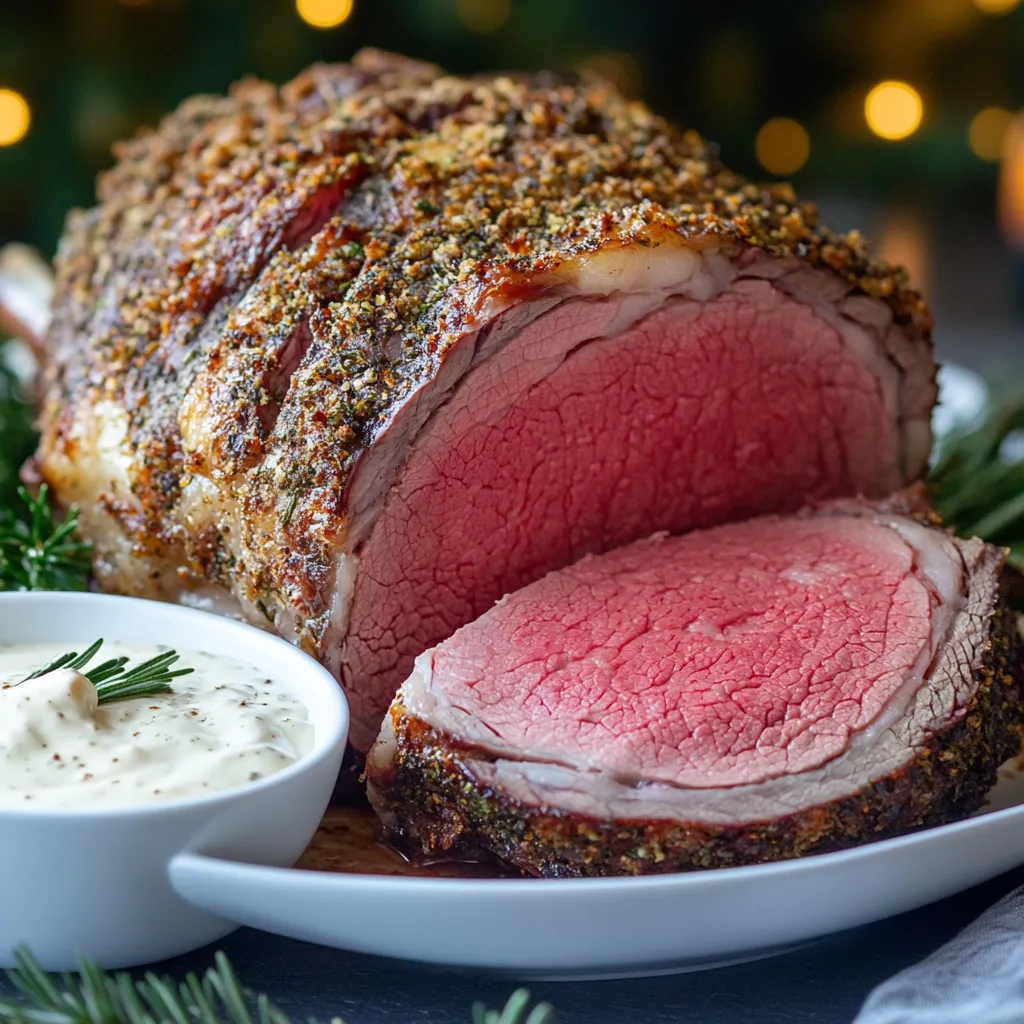
I still remember the first time I served a traditional oven-roasted prime rib. The outside was well done, the middle was medium rare, and the in-between was a guessing game. It wasn’t terrible, but it definitely wasn’t perfect. That’s why sous vide prime rib with horseradish sauce became such a game-changer. When you cook your prime rib in a water bath, you set the temperature and the result is 100% predictable. No more dry edges. No more nervous carving.
Sous vide prime rib with horseradish sauce delivers an even, medium-rare cook from edge to edge. It’s especially perfect for large cuts—like a 7 to 9-pound roast—because traditional cooking methods can’t always guarantee uniform doneness. By cooking low and slow in a precisely heated water bath, sous vide locks in moisture while gently bringing the meat to temperature.
It’s the method I trust for every big holiday. Whether I’m feeding four or fourteen, I know the beef will come out exactly how I like it. And when you finish it with a high-heat sear and serve it alongside a bold horseradish cream, the flavors are unforgettable. I always recommend checking out Sous Vide Prime Rib with Horseradish Cream if you’re looking for another killer variation.
PrintSous Vide Prime Rib with Horseradish Sauce: 5 Unbeatable Secrets
Perfectly cooked sous vide prime rib with horseradish sauce—juicy, tender beef served with a creamy, zesty sauce. A show-stopping dish with edge-to-edge doneness and big flavor.
- Prep Time: 15 minutes
- Cook Time: 8 hours 15 minutes
- Total Time: 8 hours 30 minutes
- Yield: 8 servings 1x
- Category: Dinner
- Method: Sous Vide
- Cuisine: American
Ingredients
7–9 Pound Prime Rib Roast (3 rib bones, boneless will work too)
12 Garlic Cloves (minced)
4 Tablespoons Fresh Parsley (minced)
2 Tablespoons Fresh Rosemary (minced)
2 Tablespoons Olive Oil (or canola, avocado or other high heat oil)
Kosher Salt and Black Pepper to taste
Sour Cream Horseradish Sauce:
1 Cup Sour Cream
1/4 Cup Prepared Horseradish
2 Tablespoons Milk
1 Tablespoon Fresh Chives (or 1 1/2 tablespoons dried chives)
1/4 Teaspoon Ground White Pepper
Instructions
1. Prepare water bath in a container large enough for the roast. Fill only halfway to accommodate the meat.
2. Set sous vide temperature to 136°F. For rare or medium, adjust between 132°F–145°F based on preference.
3. If needed, remove rib bones with a sharp knife, keeping them for later.
4. Heat a skillet on high with oil until it just smokes. Sear roast 2 minutes per side.
5. Mix garlic, parsley, rosemary. Rub all over seared roast.
6. Season generously with kosher salt and black pepper. Tie bones back on with kitchen twine.
7. Double-bag the roast in 2-gallon freezer bags or vacuum bags. Remove as much air as possible.
8. Cook in water bath for 6–8 hours.
9. Optional: Preheat oven to 475°F (485°F without convection). Roast for 10–15 minutes to develop crust.
10. Remove from oven and let rest tented with foil for 5–10 minutes.
11. Slice against the grain and serve with horseradish sauce.
12.
13. Sour Cream Horseradish Sauce:
14. Mix all sauce ingredients together. Refrigerate for at least 1 hour or up to 2 days in advance.
Notes
Keep bones after cooking to make rich beef stock.
Use convection oven for best final sear.
Horseradish sauce gets better after resting—make ahead if possible.
Slice prime rib against the grain for ultimate tenderness.
Nutrition
- Serving Size: 10 oz
- Calories: 520
- Sugar: 1g
- Sodium: 850mg
- Fat: 38g
- Saturated Fat: 16g
- Unsaturated Fat: 19g
- Trans Fat: 0g
- Carbohydrates: 3g
- Fiber: 0g
- Protein: 42g
- Cholesterol: 130mg
Retaining juices and maximizing flavor
One of the biggest reasons I keep coming back to sous vide prime rib with horseradish sauce is how nothing goes to waste. When you cook sous vide prime rib with horseradish sauce, the meat stays perfectly sealed in a bag, so all those delicious juices are locked in. Traditional roasting methods just don’t compare—prime rib shrinks, dries out, and loses its tenderness. But with sous vide prime rib with horseradish sauce, the texture stays juicy, and the flavor is unbeatable from edge to edge.
And that flavor really shines in this sous vide prime rib with horseradish sauce recipe. I always start by searing the prime rib, then rubbing it with a mix of garlic, rosemary, parsley, kosher salt, and black pepper. Those aromatics form a flavorful herb crust that fuses with the beef during cooking. It’s part of what makes sous vide prime rib with horseradish sauce so rich and satisfying.
Of course, the real star pairing in sous vide prime rib with horseradish sauce is the creamy horseradish sauce itself. It’s sharp, cool, and packed with contrast. The richness of prime rib balances with the zing of horseradish—exactly why I always prep a big batch in advance. Chilled sauce, rested roast: it’s a match made in kitchen heaven.
I’ve made sous vide prime rib with horseradish sauce dozens of times, and it still impresses every guest. The technique works especially well in recipes like Reverse Sear Prime Rib Sous Vide. It’s the kind of meal that proves you don’t need a restaurant to enjoy perfection at home. Just follow the timing, trust the process, and your sous vide prime rib with horseradish sauce will turn out perfectly every time.

The ideal temperature range for prime rib
When it comes to sous vide prime rib with horseradish sauce, the number one question I hear is: “What temp should I use?” And it makes sense—sous vide prime rib with horseradish sauce isn’t cheap, so you want to nail it the first time. That’s where sous vide shines. The temp you set is exactly what your roast reaches—no more, no less. For that perfect medium-rare sous vide prime rib with horseradish sauce, 136°F is my go-to. Want it redder and more rare? Try 132°F. Prefer it closer to medium? 140°F to 145°F works beautifully.
Whichever way you go, your sous vide prime rib with horseradish sauce turns out juicy and evenly pink every time. No guesswork, no overcooked ends. Just consistent, buttery prime rib—especially when paired with creamy horseradish sauce. And if you want a full breakdown of temps and visuals, check out Best Sous Vide Temp for Prime Rib—it covers everything.
One thing I love about making sous vide prime rib with horseradish sauce is how reliable it is. There’s no poking or cutting into the roast to check doneness. It’s always spot on, always juicy. That’s why sous vide prime rib with horseradish sauce is my favorite for special events like Christmas or New Year’s dinner.
Most times, I prep my sous vide prime rib with horseradish sauce the night before—season, seal, and stash it in the fridge. In the morning, it goes into the water bath. By dinner, it’s ready for a quick sear and a swirl of horseradish sauce. No stress, no surprises—just a perfectly cooked sous vide prime rib with horseradish sauce every single time.
How long should you sous vide a prime rib?
Let’s talk about timing. Most recipes will tell you to cook your sous vide prime rib with horseradish sauce for 6 to 8 hours—and they’re right. That’s the sweet spot. Long enough to make the meat tender and flavorful, but not so long that the texture starts breaking down too much.
For a big roast (7 to 9 pounds), I usually go a full 8 hours. That extra time gives the connective tissue in the beef time to soften. If your roast is smaller, say 4 to 6 pounds, 6 hours may be just fine. But don’t worry—this is not an exact science. You’ve got flexibility here.
The good news? You can’t really overcook with sous vide. As long as you keep the temperature consistent and don’t leave it in for more than 10 hours, your roast will be amazing. That’s part of why sous vide prime rib with horseradish sauce is such a great option when you’re entertaining. You can focus on your guests and not panic about the roast drying out.
If you’re worried about timing or working around a schedule, I highly recommend reading How Long Can You Sous Vide a Prime Rib. It’s got charts, tips, and answers to every “what if” you can think of.
One last thing: make sure you double-bag your roast or use a sturdy vacuum seal. Prime rib has bones and sharp edges that can pierce thinner bags. You don’t want a leak halfway through your cook. I’ve had it happen—trust me, it’s a mess.
To recap: Sous vide prime rib with horseradish sauce is cooked low and slow at a precise temperature. You get even doneness, juicy texture, and total peace of mind. That’s why it’s become my no-fail centerpiece dish year after year.
Why the crust matters
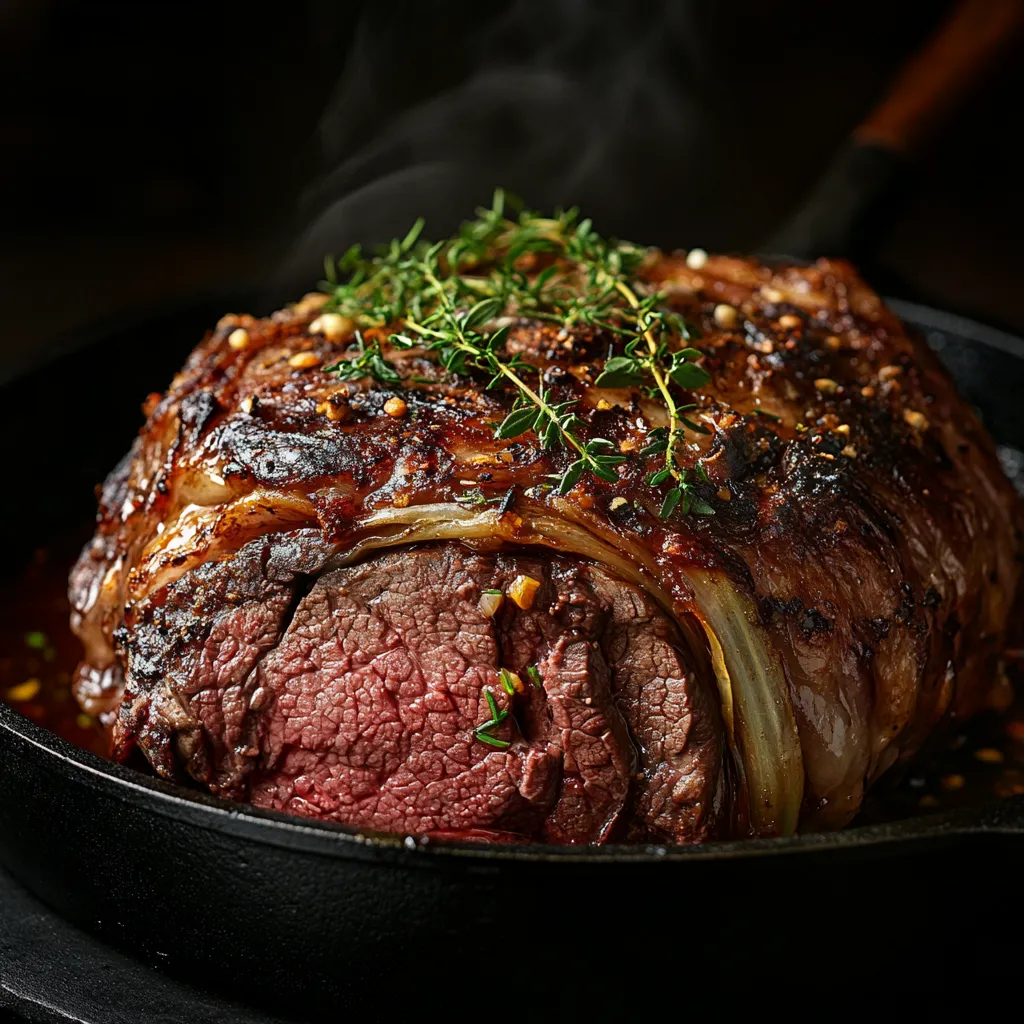
Even though sous vide prime rib with horseradish sauce delivers melt-in-your-mouth tenderness, that alone isn’t enough. You need a bold crust to take it over the top. This crust gives contrast—crispy outside, juicy center—and it’s where the magic really happens. The good news? Getting that beautiful sear is easier than you think.
I use a two-stage approach. First, I sear the roast before it goes into the sous vide bath. That step starts the Maillard reaction—the browning process that adds savory depth. I use a hot cast iron pan, high-smoke-point oil, and about two minutes per side. Once it’s got some nice color, I cool it briefly and vacuum seal it for the water bath.
After the sous vide cook, it’s time for the finishing sear. At this stage, the prime rib is fully cooked but not browned. That’s where a ripping hot oven or blow torch comes in. I go with a 475°F convection oven for 10 to 15 minutes, just enough to get a caramelized crust. The result is stunning—especially with the garlic-herb rub baked right into the outer layer.
For more crust inspiration, take a look at the method I use in Sous Vide Prime Rib Roast Recipe—a top-performing post that shows exactly how to nail that final sear with confidence.
When serving sous vide prime rib with horseradish sauce, I always aim for a browned, flavorful exterior to contrast with the silky, pink interior. It’s a balance that makes every slice irresistible.
Resting and carving like a pro
After the final sear, the hard work is done—but don’t skip the resting. Even with sous vide, your prime rib roast needs 5 to 10 minutes on a cutting board, tented with foil. This lets the juices settle so every slice stays juicy and bold.
Once it’s rested, cut the kitchen twine and remove the rib bones. I always save mine for beef stock—they’re packed with flavor. Then slice the roast against the grain, aiming for about ½-inch thick pieces. The grain runs along the length of the roast, so you’ll want to slice perpendicular to it. This helps maintain tenderness in every bite.
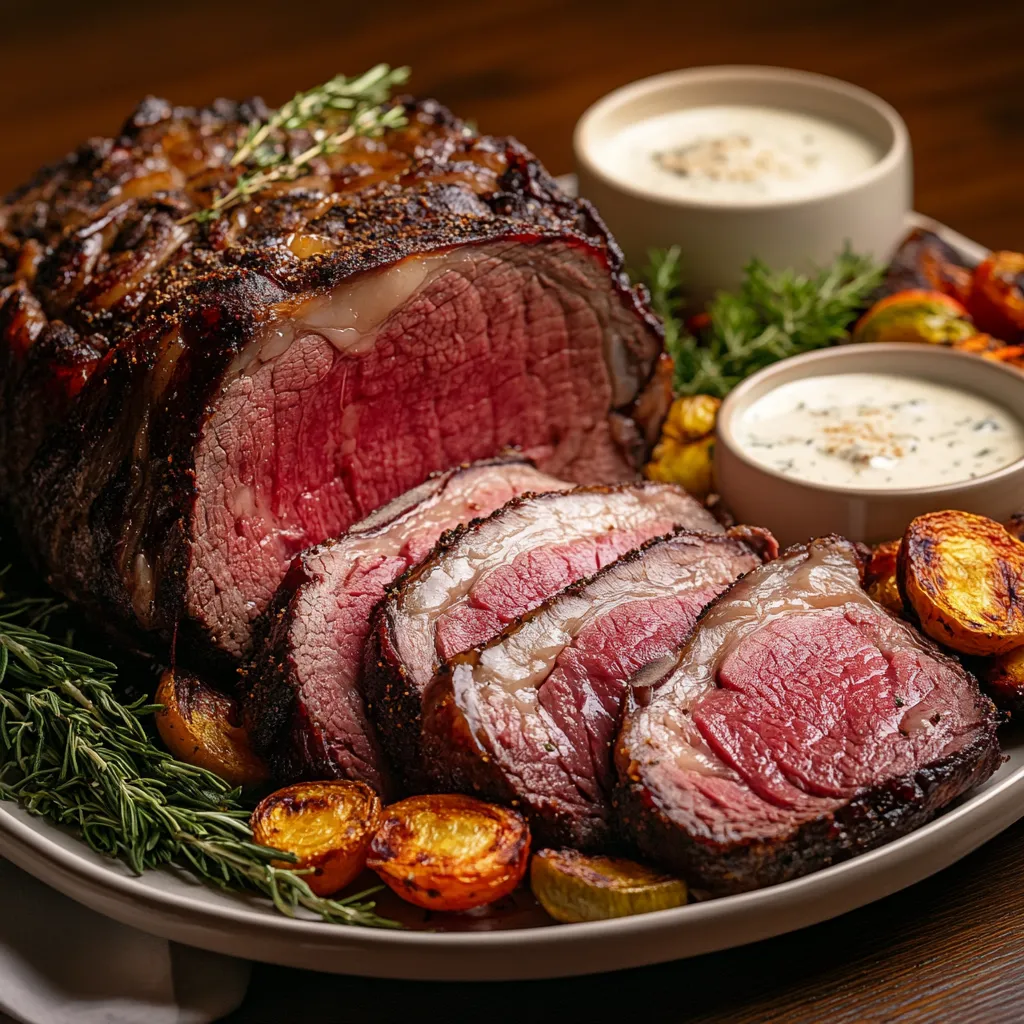
When carving sous vide prime rib with horseradish sauce, I use a sharp slicing knife and a fork to guide the cuts. Try not to “saw” the meat—use smooth, even pressure for clean, gorgeous slices. I like to arrange the pieces on a warm platter with the horseradish sauce served on the side (or drizzled lightly over the top).
Planning a smaller gathering? Sous Vide Prime Rib for Two is a scaled-down version that keeps all the flavor but makes it easier to manage for date night or smaller holidays.
Every time I serve this dish, people are blown away by the texture. They assume I spent hours tending the oven—but I didn’t. That’s the beauty of sous vide prime rib with horseradish sauce. It does the hard work for you, and you get all the credit.
Why horseradish and prime rib are perfect together
There’s something magical about how sous vide prime rib with horseradish sauce hits your taste buds. It’s rich and beefy from hours in the sous vide bath—then BAM, you get that bright, creamy kick from the horseradish. It’s not just a garnish. It’s a contrast that completes the dish.
I didn’t grow up eating horseradish, but the first time I paired it with prime rib, it made perfect sense. The sauce slices through the richness without overpowering the flavor. It’s the classic steakhouse pairing for a reason. The sour cream tones down the spice just enough, while chives, milk, and white pepper smooth it all out.
My go-to version of this sauce is ridiculously simple to make. Stir together 1 cup sour cream, ¼ cup prepared horseradish, 2 tablespoons milk, 1 tablespoon fresh (or 1½ tablespoons dried) chives, and ¼ teaspoon white pepper. Chill it for at least an hour—overnight is even better. That little bit of time lets all the flavors settle in.
If you love sauces that add character to your meat, check out Sous Vide Prime Rib with Compound Butter. It’s another way to add big flavor without complexity.
At the end of the day, sous vide prime rib with horseradish sauce is more than a main dish—it’s an experience. Every slice dipped in that creamy, peppery sauce feels special.
Sides and serving suggestions
When you’re building a menu around sous vide prime rib with horseradish sauce, you want sides that add balance without stealing the show. I keep things classic. Roasted garlic mashed potatoes, honey-glazed carrots, crispy Brussels sprouts, or buttery green beans all work perfectly. Want to go fancy? Try Yorkshire pudding—it soaks up all those meaty juices like a dream.
For wine, a bold cabernet or syrah complements the deep beefy flavor. If you’re serving beer, a rich porter or malty ale holds up well next to the intensity of the roast.
Planning ahead? Store leftovers in vacuum bags and reheat them gently using the same sous vide method. That way, your roast stays moist and juicy—even the next day. See Reheating Prime Rib with Sous Vide for the exact process I use to keep it from drying out or turning gray.
And hey—don’t throw out the bones. I use them to make rich homemade beef stock. The flavor is unmatched, especially if you’ve crusted the bones with herbs and seasoning like we do in sous vide prime rib with horseradish sauce. I stash the bones in the freezer if I’m not ready to make stock right away.
In the end, this dish is all about balance. Rich, slow-cooked beef. Sharp, creamy sauce. Crisp, earthy sides. Put it all together, and you’ve got a dinner that guests will remember—and request again next time.
Conclusion
If you’ve made it this far, you’re more than ready to create an unforgettable sous vide prime rib with horseradish sauce at home. It’s not just a recipe—it’s an experience. From the precision of the water bath to the punchy bite of the horseradish cream, this dish is about balance, confidence, and real flavor.
What I love most about sous vide prime rib with horseradish sauce is how approachable it is. You don’t need chef-level skills. You don’t need complicated tools. All you need is time, care, and the willingness to try something extraordinary. Whether it’s your first holiday hosting or your tenth roast this year, this method delivers.
I’ve made this dish for Christmas dinner, birthdays, and even just because. Every time, it’s a hit. Friends ask for the recipe. Plates get scraped clean. And honestly, once you see the way people react to their first bite, you’ll understand why I keep coming back to this one.
So go ahead—grab that roast, fire up the circulator, and make a bold, flavorful statement at your next dinner. With a silky pink interior, a seared crust, and that unforgettable horseradish sauce, your sous vide prime rib with horseradish sauce will be the star of the table.
Join us on Facebook and Pinterest for even more delicious recipe ideas!
FAQs
Why do you put horseradish on prime rib?
Horseradish adds sharpness that balances the rich, fatty flavor of prime rib. When paired with the creamy texture of sour cream in a horseradish sauce, it cuts through the beef’s heaviness and brings brightness to every bite. That contrast is exactly why sous vide prime rib with horseradish sauce is such a beloved combination.
How long should you sous vide a prime rib?
The ideal cooking time is 6 to 8 hours at 132°F to 136°F, depending on your preferred doneness. For larger roasts, go closer to 8 hours. This ensures the meat breaks down gently without becoming mushy. Always follow vacuum-sealing best practices to preserve flavor and prevent leaks during long cooks.
How do restaurants make prime rib so tender?
Most restaurants rely on low and slow cooking, either in ovens or sous vide setups, to preserve the prime rib’s natural juices. With sous vide, you can achieve the same tenderness at home by cooking the meat evenly and finishing with a high-heat sear for texture. This method locks in flavor without overcooking.
What’s the difference between a prime rib roast and a prime rib steak?
A prime rib roast is the whole rib section, often with bones, cooked as a single large cut. A prime rib steak is sliced from that roast before or after cooking. Both are from the same cut of beef, but sous vide prime rib with horseradish sauce typically uses a roast to create a centerpiece dish.
Does horseradish tenderize meat?
No, horseradish doesn’t tenderize meat. It’s used as a condiment for its heat and brightness. Tenderness in sous vide prime rib with horseradish sauce comes from precise, low-temperature cooking—not from marinades or acidic tenderizers.
What is the secret to cooking prime rib?
The real secret is temperature control. Using the sous vide method allows perfect doneness throughout without the guesswork. Finishing with a hot sear or oven roast adds flavor and texture. Pair it with horseradish sauce, and the whole dish comes alive.
What makes prime rib so delicious?
It’s the marbling, the texture, and the rich beef flavor. Prime rib is cut from the rib section, known for tenderness and fat content. When you cook it as sous vide prime rib with horseradish sauce, the controlled temp and creamy contrast of the sauce amplify those natural qualities into something extraordinary.