
➤ Table of Contents
Sous vide prime rib roast recipe memories didn’t exist in my Florida childhood, but prime rib sure did. Growing up, Sunday dinners were serious business. The sun might’ve been blazing outside, but inside our kitchen, it was all about the roast—heavy pans sliding into the oven, the scent of garlic and thyme warming the whole house, and my mom muttering prayers that the center wouldn’t overcook. Her prime rib roast was famous in our neighborhood, but let’s be honest: it was hit-or-miss. Sometimes tender, sometimes too dry, and always stressful. Back then, we didn’t know there was a better method waiting to be discovered.
Years later, I stumbled upon sous vide—and it completely transformed how I approach beef. The very first time I tried a sous vide prime rib roast recipe, I was skeptical. Could this method really deliver that perfect edge-to-edge doneness? Oh yes. The result was beyond what I expected: buttery, pink slices with no grey ring, zero dryness, and unmatched consistency. The roast cooked evenly from center to edge, keeping every bite juicy and tender. No more oven anxiety. No more second-guessing. This was the prime rib I’d been chasing my entire life.
Since that breakthrough, this sous vide prime rib roast recipe has become my go-to for holidays, birthdays, or even just a self-indulgent weekend dinner. It’s not only reliable—it’s borderline magical. The process is simple: season, seal, sous vide, chill, then blast in a hot oven with compound butter for the crust of your dreams. Garlic, rosemary, thyme—those classic flavors cling to the meat, infusing every slice with savory depth.
If you’ve ever hesitated over spending money on a roast, this method will give you the confidence to do it justice. And if you’re wondering how it stacks up against other beef dishes, I’ve also fallen in love with this flavorful sous vide brisket recipe and a tender beef chuck roast sous vide. But for show-stopping results? The sous vide prime rib roast recipe still reigns supreme in my kitchen.
PrintSous Vide Prime Rib Roast Recipe | 8-Hour Perfect Finish
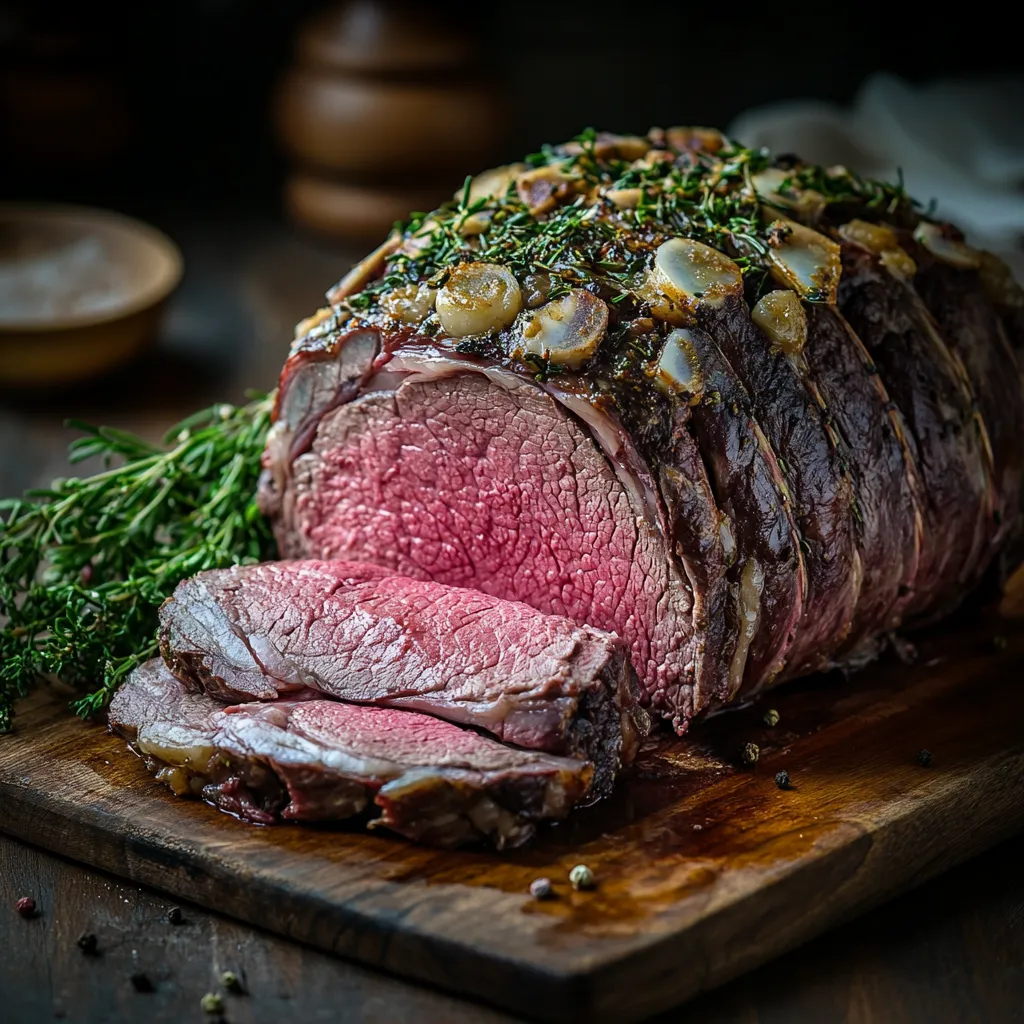
A succulent 5–7 lb prime rib roast cooked sous vide to perfection, finished with a garlic-herb compound butter crust that delivers steakhouse flavor at home.
- Prep Time: 15 minutes
- Cook Time: 8 hours 15 minutes
- Total Time: 8 hours 30 minutes
- Yield: 6–8 servings 1x
- Category: Dinner
- Method: Sous Vide
- Cuisine: American
Ingredients
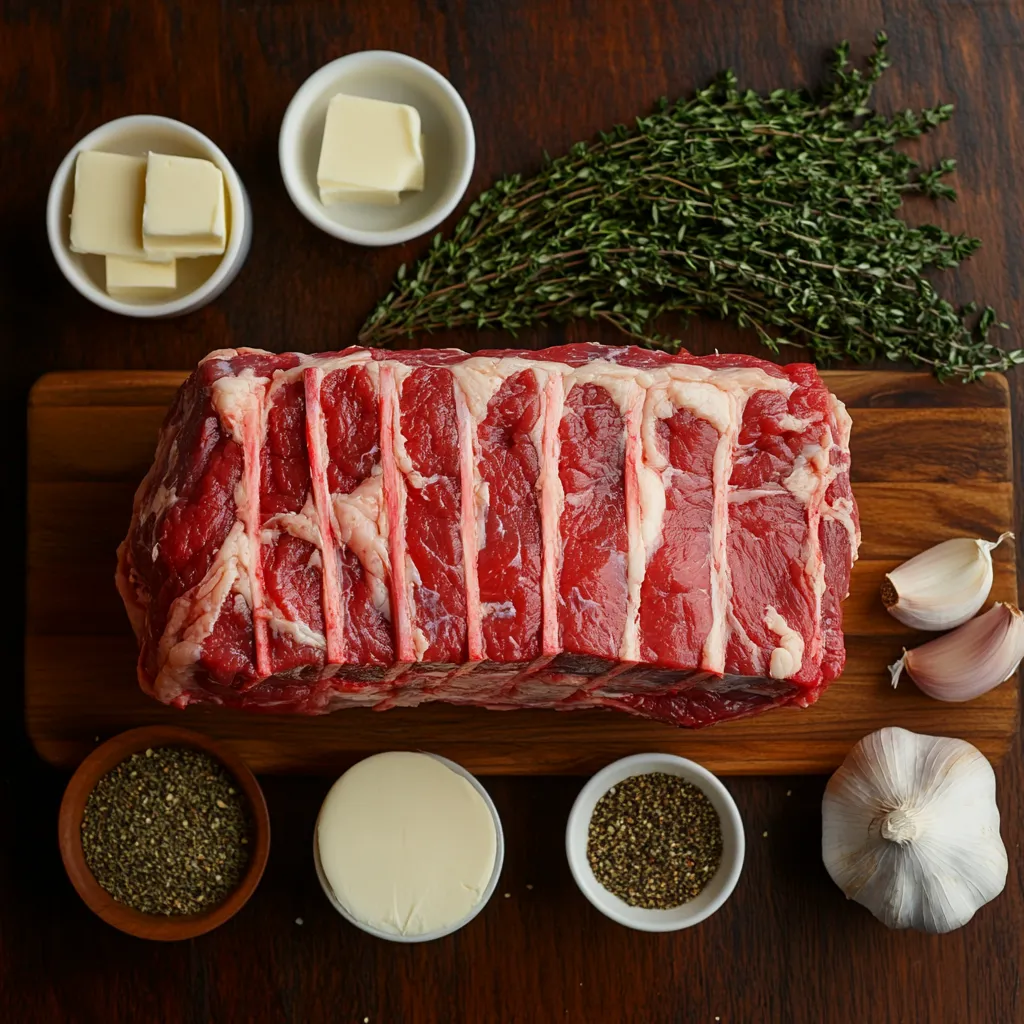
5–7 lb prime rib roast
1 cup unsalted butter, softened
6 cloves garlic, minced
2 tablespoons fresh rosemary, chopped
2 tablespoons fresh thyme, chopped
1 tablespoon salt
1 tablespoon Lawry’s seasoning salt
1 tablespoon black pepper
Instructions
1. Set your sous vide machine to 133°F (56°C).
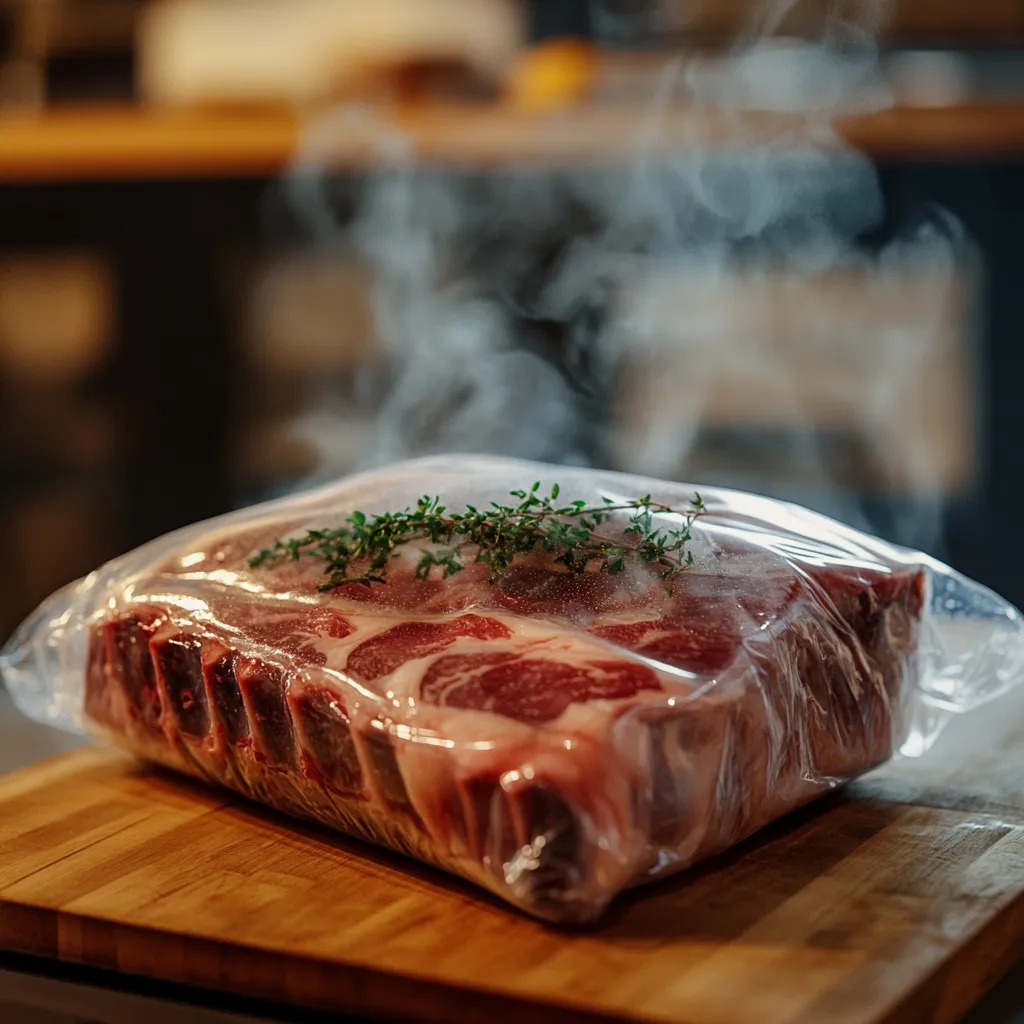
2. Generously salt the prime rib roast. Seal it in a vacuum bag or use the water displacement method.
3. Place the roast in the sous vide water bath and cook for 8 hours.
4. In a bowl, mix softened butter, garlic, rosemary, thyme, salt, Lawry’s seasoning, and pepper to create a compound butter.
5. Remove the roast from the bag and transfer to an ice bath for 10 minutes to chill.
6. Preheat oven to 475°F.
7. Thoroughly pat the roast dry. Coat evenly with compound butter.
8. Place on a rack in a roasting pan and sear in the oven for 15 minutes.
9. Check internal temp with a meat thermometer—it should be 110°F for a warm medium-rare finish.
10. Let rest for 5–10 minutes. Slice off bones if needed and cut into thick slabs.
11. Brush reserved melted butter and garlic from the pan over each serving. Enjoy.
Notes
Use a digital thermometer to double-check doneness.
Let the roast rest after searing for best juiciness.
The ice bath helps firm up the exterior for a better crust.
Nutrition
- Serving Size: 10 oz
- Calories: 690
- Sugar: 0g
- Sodium: 860mg
- Fat: 52g
- Saturated Fat: 24g
- Unsaturated Fat: 25g
- Trans Fat: 0g
- Carbohydrates: 1g
- Fiber: 0g
- Protein: 52g
- Cholesterol: 165mg
Getting That Restaurant-Level Prime Rib at Home
What Makes a Great Prime Rib Roast for Sous Vide
Sous vide prime rib roast recipe lovers, this one’s made just for you. If you’ve ever stood nervously over a pricey cut of meat, hoping for that ideal rosy center without overcooking the edges, this guide will completely transform the way you cook prime rib. The beauty of a sous vide prime rib roast recipe lies in its precision. With sous vide, there’s zero guesswork—just foolproof temperature control that delivers juicy, tender results with every single bite. You’ll get flawless doneness, a crusted garlic-herb exterior, and steakhouse-level flavor—all from the comfort of your kitchen.
In this article, I’ll walk you through every step of the ultimate sous vide prime rib roast recipe. We’ll cover everything: selecting the best cut, setting your exact time and temperature, dry brining tips, sealing, water bath cooking, compound butter, and the finishing oven sear. Whether you’re planning a holiday dinner or just treating yourself on a weekend, this sous vide prime rib roast recipe guarantees a show-stopping centerpiece that’s juicy, tender, and unforgettable.
The foundation of a successful sous vide prime rib roast recipe is, of course, the cut itself. Look for a well-marbled rib roast—bone-in or boneless—that’s USDA Choice or Prime. Marbling is critical, as it slowly melts during the sous vide process, infusing the beef with incredible flavor and rich texture. If you want your sous vide prime rib roast recipe to turn out restaurant-worthy, always aim for quality meat.
When selecting your roast, plan on about 1 pound per person. Ask your butcher for a standing rib roast—it’s the same thing as prime rib. The bone-in option delivers extra flavor and insulation, which makes it a classic choice for any sous vide prime rib roast recipe, but boneless works beautifully too. It’s slightly easier to slice and just as delicious when cooked in the water bath. No matter which version you choose, be sure to leave the fat cap on. That layer plays a key role in flavor development during the cook and sears up beautifully later.
Planning ahead? Another secret to a great sous vide prime rib roast recipe is dry brining. Salt your roast generously the night before and let it sit uncovered in the fridge. This draws out moisture, allows it to reabsorb seasoning, and sets you up for a crust that’s crisp and savory. Dry brining is a low-effort, high-impact step that takes your sous vide prime rib roast recipe to the next level.
Still wondering how this method compares to smaller beef cuts? You’ll find a similar buttery texture and precision in a prime rib for two sous vide style—perfect for date nights or intimate celebrations. Or, explore how dry brine enhances sirloin in this sous vide sirloin tip guide, which includes tricks that work just as well in any sous vide prime rib roast recipe.
Once you try this method, the sous vide prime rib roast recipe will likely become your go-to for any special occasion—and maybe even your new favorite way to cook beef, period.
Essential Tools: Vacuum Sealers, Bags & Circulators
To master a sous vide prime rib roast recipe, you don’t need a fancy setup or commercial kitchen. What you do need are a few trusted tools that help you get consistent, high-quality results every single time. First and foremost: the sous vide immersion circulator. This handy gadget clips onto a pot or heat-safe container and keeps the water at the precise temperature you set. Brands like Anova, Joule, and Inkbird are popular choices, but even lower-cost models perform great for recipes like this one. It’s the heart of any successful sous vide cook.
Then comes the sealing step. For this sous vide prime rib roast recipe, vacuum sealing your roast is ideal—it removes all the air and allows for even water circulation. But don’t worry if you don’t have a vacuum sealer. You can still pull this off with the water displacement method: just place your roast in a freezer-grade zipper bag, slowly lower it into the water until the air pushes out, and zip it shut just above the waterline.
Another often overlooked step? Insulation. Since the roast cooks for 8 full hours, you’ll want to prevent water loss through evaporation. Cover the water bath with foil, a lid, or even ping pong balls made for sous vide insulation. This simple step helps maintain the correct temp of 133°F (56°C), which is the gold standard for medium-rare in any sous vide prime rib roast recipe. That’s how you get tender meat all the way through—pink, juicy, and impossible to overcook.
If you want to practice on a smaller cut first, try this sous vide steak recipe to see just how game-changing precision cooking can be. And when you’re ready for the big leagues, this sous vide prime rib roast recipe is your ultimate test—and trust me, it passes with flying colors.
Step-by-Step Sous Vide Prime Rib Success
How Long to Sous Vide a Prime Rib Roast?
Time and temperature are everything in sous vide cooking. For this sous vide prime rib roast recipe, we’re aiming for that medium-rare sweet spot—deep pink center, juicy edges, and an unbelievably tender bite. The ideal temperature? 133°F (56°C). It keeps the roast beautifully pink and locks in all the moisture.
So how long does it take to sous vide a prime rib roast? You’ll want to cook it for 8 hours. That’s the magic number for a 5–7 lb roast. The slow immersion gives the connective tissue time to break down gently, while still preserving that stunning prime rib texture.
Some folks go longer—up to 10 hours—but after 8, you’re already in melt-in-your-mouth territory. Just don’t go past 12 hours, or the texture can start to feel too soft. Curious about the risks of going overboard? Check out our post on overcooking meat in sous vide to understand the balance.
And what if you’re starting with leftovers or a precooked roast? You can reheat it gently at the same temp—133°F for about 1–2 hours will bring it back to life without drying it out. For full guidance, check out how we handle reheating prime rib with sous vide.
Using the Ice Bath + High-Temp Sear to Lock Flavor
Once the long, slow water bath ends, your sous vide prime rib roast recipe isn’t quite finished—but you’re just steps away from glory. Now comes one of the most important yet often skipped parts: the ice bath. This quick chill serves two essential purposes. First, it stops the cooking process immediately, locking in that perfectly cooked medium-rare center. Second, it firms up the meat so it’s easier to sear without turning mushy or overcooked. Just 10 minutes in an ice bath sets the stage for that crust you’ve been craving.
Once chilled, remove the roast and pat it completely dry with paper towels. This step isn’t optional—any surface moisture will fight the sear. For the crust to form properly, the surface must be dry. Then comes the flavor bomb that defines this sous vide prime rib roast recipe: compound butter. Blend softened butter with garlic, rosemary, thyme, Lawry’s seasoning salt, and black pepper. Slather it generously over every inch of the roast. As it hits the heat, this herby butter will melt, baste, and infuse the crust with deep, roasted flavor.
Next, preheat your oven to a searing-hot 475°F. This short, intense blast of heat caramelizes the butter and crisps the exterior while preserving that beautiful sous vide texture inside. You can sear in a cast iron pan too, but for large cuts like this prime rib, oven roasting delivers a more even finish. Just 15 minutes is all you need to get that irresistible crust.
Worried about overcooking? Don’t be. Use a meat thermometer to ensure you stay in the sweet spot: the internal temperature should read 110°F–115°F post-sear. It’ll rise a bit as the roast rests. Looking for a bolder, alternate technique? Try the reverse sear sous vide prime rib, which finishes the roast differently but just as impressively.
When it comes to confidence in the kitchen, this sous vide prime rib roast recipe gives you full control—juicy interior, crispy crust, and unbeatable flavor in every bite.
Serving, Storing, and Slicing It Right
Why Dry Brine and Compound Butter Matter
One secret to this sous vide prime rib roast recipe’s depth of flavor? A dry brine. If you have the time, salt your roast at least 12–24 hours before cooking and leave it uncovered in the fridge. This not only seasons the meat deeply but also helps create that stunning crust by drawing out moisture, which reabsorbs with flavor-packed intensity.
When it’s time to finish, compound butter is your flavor bomb. Ours blends garlic, rosemary, thyme, two salts (including that iconic Lawry’s), and pepper into a rich, creamy base. Spread it liberally over your roast before the oven sear, and let it melt into the surface as it crisps up. You’ll get a golden brown crust with savory herbs in every bite.
Want another take on the butter trick? Try this indulgent compound butter prime rib variation for a flavor-rich twist that’s still true to this method.
How to Slice, Serve, and Reheat Like a Pro
Once your sous vide prime rib roast recipe finishes its blazing oven sear, it’s tempting to carve right in—but don’t rush it. Let your roast rest for 5–10 minutes to let those flavorful juices redistribute. This short pause ensures each slice stays moist and tender. If you’re working with a bone-in roast, first slice cleanly along the rib bones to remove them in one piece. Then, cut thick, juicy slabs across the grain. The meat should be soft, rosy, and full of rich beef flavor—just as every sous vide prime rib roast recipe should deliver.
Don’t forget the pan juices. That garlicky, herby butter that melted off during the oven sear? It’s liquid gold. Take a spoon and brush it over each slice as you serve. The combination of garlic, rosemary, and beef drippings deepens the flavor and makes your sous vide prime rib roast recipe stand out even more.
Got leftovers? Consider yourself lucky. Thinly sliced, they make incredible prime rib sandwiches the next day. Or cube the roast into a luxurious beef stew. Just be gentle with reheating. The best way to maintain the perfect texture is to use the sous vide method again—reheat slices at 133°F for 1 to 2 hours to bring them back to temperature without drying them out. Avoid the microwave, which ruins the texture you worked so hard to achieve in this sous vide prime rib roast recipe.
Still craving more roast-style inspiration? Don’t miss our guide to classic sous vide roast beef—a reliable weekday option that shares the same principles of low-stress, high-reward cooking. But for holidays, special gatherings, or when you just want to treat yourself, nothing compares to a perfectly executed sous vide prime rib roast recipe.

Conclusion
There’s no need to gamble with an expensive cut when you’ve got sous vide on your side. This sous vide prime rib roast recipe guarantees stunning results every time—perfect doneness, a craveable crust, and flavors that feel straight out of a steakhouse. Whether you’re cooking for the holidays, impressing a dinner crowd, or just treating yourself (you deserve it), this is one of those meals that delivers every time.
And remember: sous vide isn’t just a method—it’s a game changer. Once you’ve tried it with prime rib, you’ll want to apply it to everything from brisket to burgers. One bite in, and you’ll know why I never go back to oven-only again.
Join us on Facebook and Pinterest for even more delicious recipe ideas!
FAQs
How long does it take to sous vide a prime rib roast?
For medium-rare perfection, cook your 5–7 lb prime rib at 133°F (56°C) for 8 hours. This gives it time to become tender and evenly cooked throughout.
How long to cook a pre-cooked prime rib roast?
Use sous vide at 133°F for 1 to 2 hours to gently warm without overcooking. This retains the original texture and flavor better than reheating in an oven or microwave.
What is the secret to prime rib roast?
The secret is precision. Dry brining in advance, sous vide cooking for tenderness, and finishing with high-heat butter sear creates unmatched flavor and texture.
What is prime rib roast?
Prime rib roast, also known as a standing rib roast, comes from the rib section of the cow. It’s prized for its marbling, tenderness, and rich flavor.
Can you overcook a roast in sous vide?
Yes—sort of. While sous vide prevents overcooking temperature-wise, too much time can make the texture overly soft or mushy. Stick to 8–10 hours for best results.
What temperature is perfect prime rib done?
Medium-rare prime rib is perfect at 133°F. For medium, go up to 136°F, and for rare, use 129°F. Always finish with a hot sear for that crust.
Should I dry brine rib roast?
Absolutely. Dry brining improves seasoning, enhances crust formation, and retains moisture—especially important with sous vide cooking.