

➤ Table of Contents
Growing up in Florida, our dinners were simple: grilled fish fresh off the boat, citrus-marinated chicken that soaked up the sunshine, or steak sizzling over charcoal if it was a special occasion. But even as a kid, I knew steak night came with pressure. Cooking steak felt like gambling with expensive meat. It was either too rare, chewy like rubber bands, or dried out past saving. Every time we fired up the grill, I crossed my fingers and hoped we got it right. That all changed the day I discovered the magic of sous vide New York strip steak.
I’ll never forget the first time I tried making sous vide New York strip steak. I had read about the method online, curious about this precise water bath technique that promised steakhouse results. With one thick-cut NY strip, a vacuum bag, and a pot of hot water held at 129°F, I took the leap. The moment I sliced into that steak—edge-to-edge pink, melt-in-your-mouth tender, juicy without a drop of dryness—I was hooked for life. Sous vide New York strip steak wasn’t just good; it was better than any steak I’d paid $50 for at a restaurant.
From that point on, I started experimenting. Sous vide New York strip steak became my go-to dinner for impressing guests or treating myself. I learned how to layer in flavor by adding fresh rosemary, a pat of butter, smashed garlic cloves—even a sprinkle of Tony’s seasoning when I craved something bold. Every detail was dialed in. And the best part? There was no stress, no second-guessing. This method for making sous vide New York strip steak gave me something I never had before with steak: confidence.
Even now, after dozens of batches, sous vide New York strip steak still wows me. There are no flare-ups on the grill, no overcooked edges, no dry centers. Just precision, tenderness, and incredible flavor every single time. If you’re looking for a steak that delivers on flavor and texture without the stress, you truly can’t beat sous vide New York strip steak.
PrintSous Vide New York Strip Steak – 7 Easy Steps for Juicy Perfection
A bold, juicy New York strip steak cooked perfectly with sous vide, then finished with a high-heat sear for restaurant-quality flavor at home.
- Prep Time: 10 minutes
- Cook Time: 2 hours 10 minutes
- Total Time: 2 hours 20 minutes
- Yield: 2 servings 1x
- Category: Dinner
- Method: Sous Vide
- Cuisine: American
Ingredients
1 New York strip steak (1.25 to 1.5 inches thick)
Salt and freshly ground black pepper
Tony Chachere’s seasoning (optional)
Fresh herbs: rosemary, thyme, or oregano (optional)
1 clove garlic (optional)
1 tablespoon butter or beef tallow
1 tablespoon olive oil (for searing)
Instructions
1. Remove the steak from the fridge and let it come to room temperature.
2. Season generously with salt and pepper or Tony’s seasoning.
3. Add fresh herbs, a garlic clove, and a pat of butter or tallow (optional).
4. Place the steak in a vacuum-sealed or Ziploc bag and remove the air.
5. Set your sous vide bath to 129°F for medium-rare doneness.
6. Submerge the steak in the bath for 2 to 2.5 hours.
7. Once done, remove and pat dry thoroughly with paper towels.
8. Heat a cast iron skillet over high heat until very hot.
9. Add oil and sear the steak for 1 minute per side until a crust forms.
10. Let the steak rest for 5 minutes before slicing and serving.
Notes
Use a thermometer and heavy pot if you don’t have a circulator.
Don’t skip the sear—it’s where the flavor really develops.
Resting the steak helps preserve juiciness when slicing.
Nutrition
- Serving Size: 6 oz
- Calories: 390
- Sugar: 0g
- Sodium: 620mg
- Fat: 28g
- Saturated Fat: 12g
- Unsaturated Fat: 14g
- Trans Fat: 0g
- Carbohydrates: 1g
- Fiber: 0g
- Protein: 36g
- Cholesterol: 95mg
My Go-To NY Strip Steak Ritual
Here’s how a typical steak night goes at our house—and let me tell you, it’s a ritual we all look forward to. I pull a thick-cut NY strip steak from the fridge and let it rest at room temperature. That simple step ensures even cooking, which is crucial when preparing sous vide New York strip steak. While it rests, I fire up my sous vide circulator and set the water bath to 129°F, the perfect target for medium-rare. The precision of this temperature is what gives sous vide New York strip steak its signature tenderness and edge-to-edge color.
Next comes the seasoning. I coat the steak generously with kosher salt and cracked black pepper—but if I’m feeling bold or cooking for guests, I’ll use Tony Chachere’s. That seasoning adds a pop of flavor that works especially well in sous vide New York strip steak. For an extra boost, I toss in a garlic clove, a pat of butter, and a fresh sprig of rosemary or thyme right into the bag. It’s my way of building flavor from the inside out.
Once everything’s sealed up—either in a vacuum bag or a reliable freezer-safe Ziploc with all the air squeezed out—I lower it into the sous vide bath. The steak stays submerged for 2 to 2.5 hours. For a 1.5-inch cut, that’s the sweet spot. It allows sous vide New York strip steak to develop that melt-in-your-mouth texture without losing its structure. Some folks like to go longer, but I find this time range ideal. It holds on to that satisfying steak bite while still being incredibly tender.
And then—the moment of truth. I remove the steak from the bag, pat it bone-dry with paper towels, and sear it hard in a screaming-hot cast iron skillet for just 60 seconds per side. This sear transforms the surface into a caramelized crust that locks in flavor. I walk you through that exact step in my guide to finishing sous vide steak under the broiler, in case you prefer to use your oven.
Once seared, I let the steak rest for a few minutes. Yes, even after sous vide—that short rest is still important. It lets the juices redistribute, which is key to slicing into a juicy, flavorful cut. And when I finally plate it and bring it to the table, the room goes quiet. Everyone’s focused on their first bite. That silence? That’s the sound of sous vide New York strip steak done right—bold in flavor, perfectly tender, and always worth the wait.
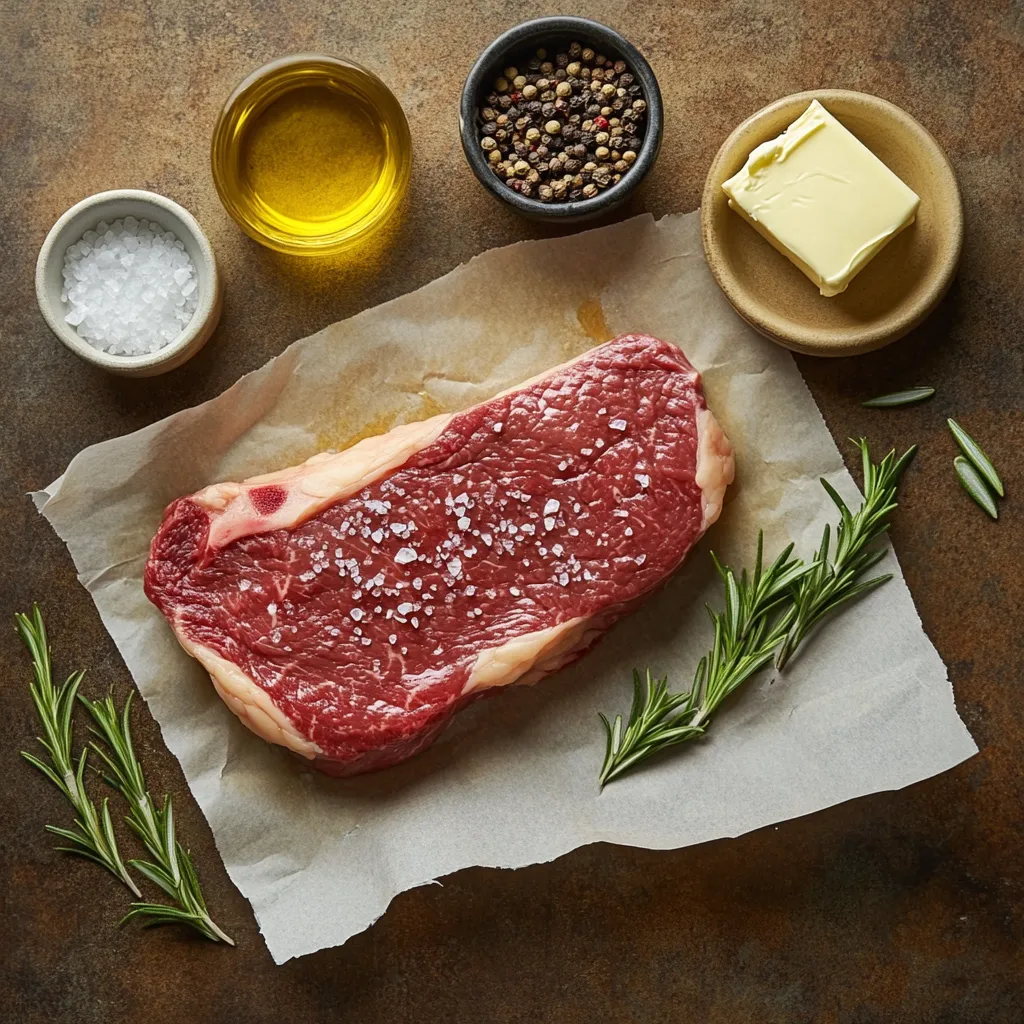
Ideal Temps for Sous Vide New York Strip Steak
When it comes to cooking sous vide New York strip steak, temperature is everything. It’s the line between a juicy, pink, perfectly tender steak—and one that’s just…meh. Precision is what makes sous vide so powerful, especially for premium cuts like New York strip. Just a few degrees can change texture entirely.
Over the years, I’ve tested dozens of temperature settings. The beauty of sous vide New York strip steak is how easy it is to hit your ideal doneness—whether rare, medium-rare, or something in between. No guesswork. No poking. Just results you can rely on.
Once you get the feel for how temperature affects texture, sous vide New York strip steak turns from a recipe into a foolproof technique. Here’s the breakdown I trust most.
| Doneness | Sous Vide Temp | Texture |
|---|---|---|
| Rare | 120–124°F | Very soft, deep red center |
| Medium-Rare | 129–132°F | Tender and juicy, vibrant pink |
| Medium | 135–139°F | More firm, light pink |
| Medium-Well | 140–145°F | Mostly gray, less juicy |
For most home cooks (myself included), 129°F is the sweet spot. It’s right in that medium-rare zone—firm enough to slice cleanly, yet still rich and tender. I usually aim for a sous vide New York steak that’s cooked to perfection without ever checking the internal temp with a thermometer. That’s the beauty of sous vide.
If you don’t have a circulator, a heavy pot and a clip-on thermometer can work just fine. Just keep the water within a few degrees of your target temp.
How Long Should You Sous Vide Strip Steak?
Ah, the timing question—it’s one of the most common stumbling blocks when cooking sous vide New York strip steak, and I totally get it. People worry they’ll leave the steak in too long, or not long enough to get that melt-in-your-mouth texture. The beauty of sous vide is that it offers flexibility, but there’s still a sweet spot you don’t want to miss—especially with a cut like New York strip. So, how long should you cook sous vide New York strip steak? Let’s break it down with clarity:
- 1 hour: This is the bare minimum for food safety and reaching your desired internal temperature. It’ll be cooked, but not yet transformed.
- 2 to 2.5 hours: This is my tried-and-true window. For a 1.5-inch steak, it produces the ideal texture—juicy, steak-like, and tender with just the right bite. Most of my sous vide New York strip steak nights fall in this zone.
- 3 hours: Still totally fine, especially if you want a more relaxed cook time. But you may notice the texture just starting to soften slightly.
- 4 hours: For NY strip, this is the upper limit. It’ll still be edible and flavorful, but the firmness starts breaking down. If you enjoy a bit more chew, this might be too long.
So, is 4 hours too long for sous vide New York strip steak? In my kitchen, yes—it starts to edge toward roast-like tenderness, losing that satisfying steak texture. For tougher cuts like chuck or brisket, longer cooks are great. But New York strip deserves more finesse.
And remember: thickness plays a role. A 1.5-inch thick sous vide New York strip steak is just right for that 2 to 2.5 hour range. Thinner cuts might need less time, while thicker ones can go a bit longer without turning soft. If you’re exploring other cuts like flat iron steak sous vide, you’ll want to adjust the timing and temp to match its unique structure.
When in doubt, stay on the conservative side. You can always sear longer—but you can’t reverse that over-soft texture once it’s gone.
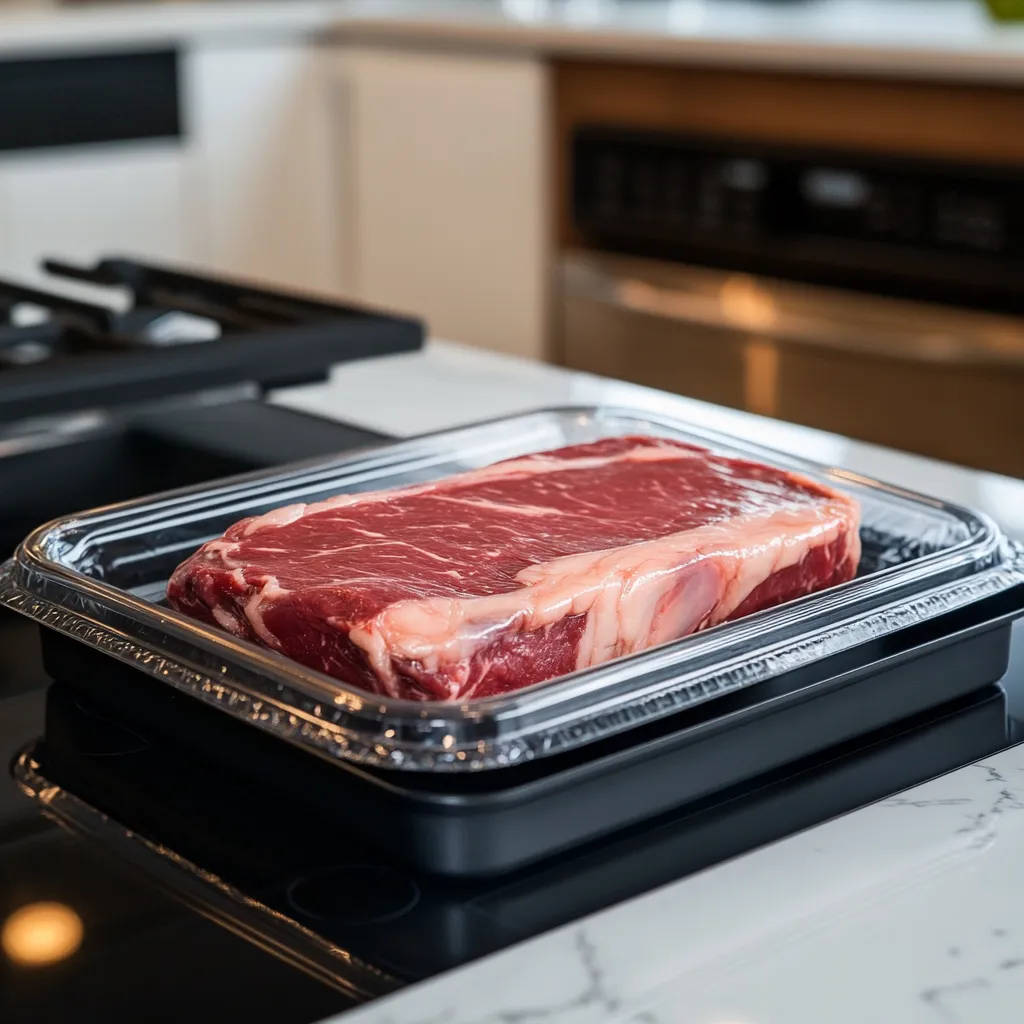
Seasoning Secrets for NY Strip Steak
Seasoning is where the real transformation begins. When it comes to cooking sous vide New York strip steak, you don’t need complicated spice blends or exotic rubs—just a few high-quality ingredients and a little confidence. I like to keep it classic: a generous layer of kosher salt and freshly cracked black pepper on all sides. This simple combo enhances the natural flavor of the steak without overpowering it. But when I’m in the mood for something nostalgic, or my in-laws are coming over, I reach for Tony Chachere’s. It’s bold, slightly spicy, and brings that unmistakable Louisiana flair I grew up with. It gives sous vide New York strip steak a punch that still lets the beef shine.
Want to take things up a notch? Go ahead and drop a smashed garlic clove, a sprig of rosemary or thyme, and a small pat of butter or beef tallow into the sous vide bag along with the steak. These additions gently infuse the meat during the slow, steady water bath. The aromatics don’t overpower—they whisper flavor into every bite. Still, if all you’ve got is salt and pepper, don’t sweat it. Even with just the basics, sous vide New York strip steak comes out incredibly rich and satisfying. That’s the beauty of the method.
On nights when I want something more garlicky and indulgent, I lean into flavors like the ones in my favorite garlic butter sous vide steak recipe. The richness of the butter combined with roasted garlic takes sous vide New York strip steak to a whole new level. But no matter how you season it, here’s the golden rule: pat your steak completely dry before searing. Moisture is the enemy of a good crust. A dry surface means direct contact with heat, and that’s what creates the golden-brown, caramelized sear that finishes your sous vide New York strip steak like a pro.
Best Fats for the Final Sear
After the sous vide bath, the steak is perfectly cooked—but the crust? That’s where the sizzle happens. You want a quick, hot sear to lock in flavor without overcooking.
Here’s what I use depending on the mood and what’s in my kitchen:
- Beef tallow: Adds depth and richness. Great for that steakhouse vibe.
- Butter: Delicious but has a lower smoke point. Mix with oil if needed.
- Olive oil: Works well but go for light, not extra virgin.
- Avocado oil: High smoke point, neutral flavor—great for searing.
Preheat your cast iron skillet until it’s smoking hot—literally. Drop in your fat, lay down the steak, and don’t touch it for at least a minute. Flip and repeat. That’s how you get that golden crust.
If you’re unsure how to finish it, check out this quick guide to broiling after sous vide. It’s a fun way to add crust without a stovetop.
Don’t overcrowd the pan, and don’t skip the rest period afterward. Just a few minutes of rest keeps the juices from spilling out with your first slice.
Can You Overdo Steak in Sous Vide?
This is one of the most common concerns I hear—“Can you overcook steak in sous vide?” It’s a great question, and the answer is both yes and no. Technically, with sous vide New York strip steak, you can’t overcook it in the traditional sense. The water bath is set to your target temperature—say 129°F for medium-rare—and the steak will never go above that. It won’t accidentally shoot up to 160°F like it might on a grill. That’s the magic of sous vide: your steak stays exactly where you want it.
But here’s the catch—and it’s important. While sous vide New York strip steak won’t get “overcooked” by temperature, it can still suffer from too much time. If you leave it in the bath for too long, the meat’s texture starts to break down. After about 3 to 4 hours, even a well-marbled NY strip can turn overly soft, edging into pot roast territory. It loses that classic steak bite, the chew that makes New York strip so satisfying.
So no, it won’t burn or dry out. But yes, you can overdo the texture. That’s why I always aim for the sweet spot: 2 to 2.5 hours for a 1.5-inch sous vide New York strip steak. It’s long enough to fully tenderize, but short enough to preserve the integrity of the meat. Think of sous vide as precision cooking, not set-it-and-forget-it forever. Time still matters.
But here’s the truth: you can overdo the texture. After about 3 to 4 hours, especially with New York strip, the meat starts breaking down too much. You’ll lose that satisfying chew and edge closer to pot roast. It’s not ruined, but it’s different. For something like ribeye at 137° sous vide, you’ve got a bit more flexibility, but strip steak deserves a little restraint.
So no, it won’t burn or dry out—but yes, it can turn mushy if left too long. That’s why I cap mine at 2.5 hours max.
Do High-End Chefs Really Use Sous Vide?
Absolutely. While it might feel like a “hack” reserved for home cooks or tech-savvy foodies, sous vide is actually a trusted method in professional kitchens around the world. High-end chefs embrace sous vide because it guarantees one thing that’s hard to get in a busy kitchen: consistency. When a restaurant is plating dozens of steaks every night, there’s no room for guesswork or overcooking. With sous vide New York strip steak, every order can be prepared in advance to the exact doneness requested, then finished with a quick sear right before serving.
It doesn’t matter who’s working the line—sous vide ensures each plate that leaves the pass meets the chef’s standards. That’s why you’ll find sous vide New York strip steak not just in fine dining restaurants, but also in steakhouses, hotels, and even Michelin-starred kitchens. It’s not about cutting corners; it’s about achieving perfection every single time.
Beyond consistency, sous vide also allows chefs to layer in flavor with herbs, aromatics, and fats that slowly infuse the steak during cooking. That’s why professional kitchens rely on it not just for steaks, but for everything from eggs to seafood to vegetables. So the next time you make sous vide New York strip steak at home, know that you’re not taking shortcuts—you’re cooking with the same tools the pros use to create flawless meals.
Chefs use sous vide for steaks, fish, eggs, and even desserts. It’s especially helpful for batch-cooking proteins ahead of service and finishing them with a hot sear when ordered. The sous vide method is less about cutting corners and more about nailing results, every time.
And if you’re wondering whether it takes the “soul” out of cooking—it doesn’t. You still have to season well, finish right, and care about every step. That’s real cooking.
Should You Rest Steak After Sous Vide?
Yes. Even though it’s not screaming hot inside like it would be off a grill, resting still helps redistribute the juices. I give my NY strip steak about 5 minutes on a cutting board before slicing. During that time, I’m usually pouring a glass of wine or finishing a side dish.
Just like traditional cooking, that little pause makes a difference in flavor and texture. You don’t want your perfectly sous vided steak to lose moisture the second you slice it open.
And for anyone who loves a garlic-herb finish, try my sous vide steak with garlic herb butter while it rests. The butter melts into the warm crust—it’s steak nirvana.
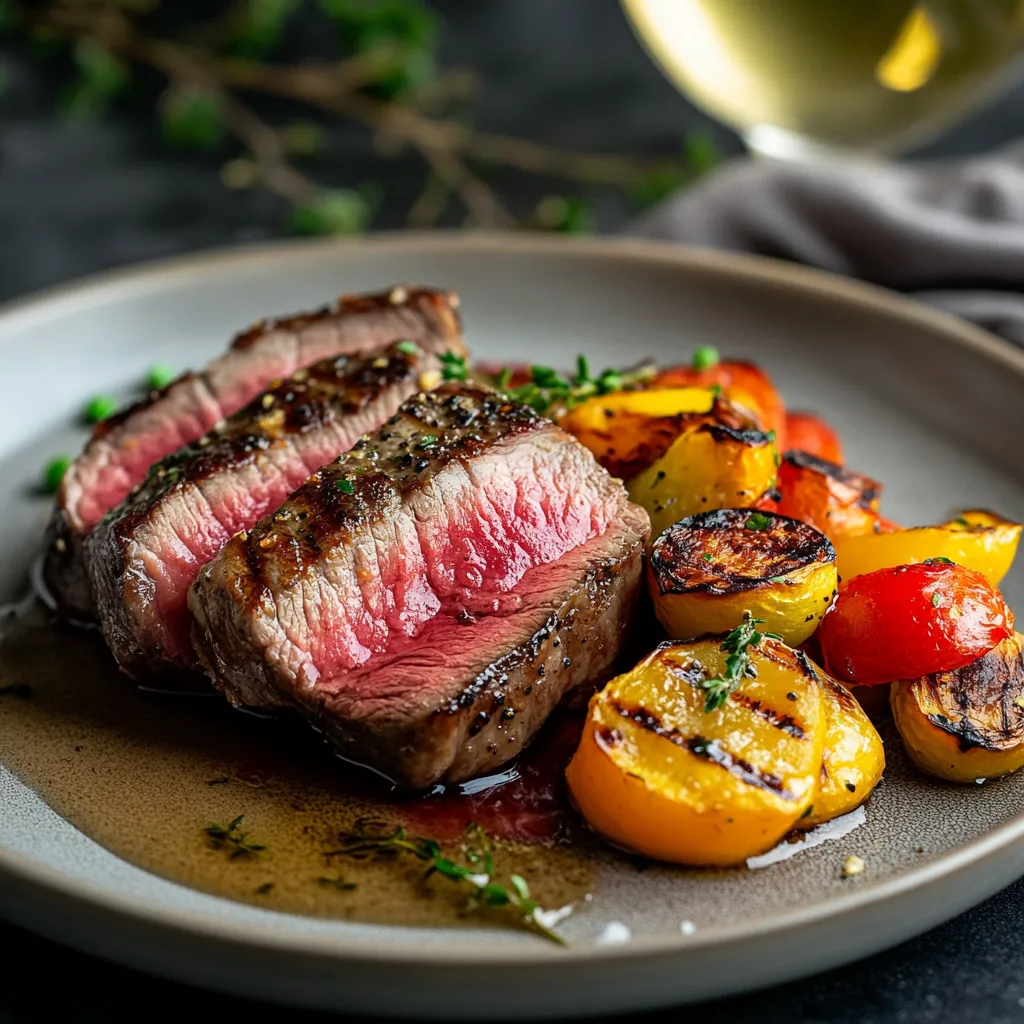
Conclusion
Cooking sous vide New York strip steak is like giving yourself a front-row seat to steak perfection. With the precision of sous vide and a sizzling final sear, you can skip the steakhouse and still wow everyone at your table. From selecting your favorite cut to mastering the timing and temperature, the process becomes less about stress and more about joy.
Whether you’re cooking for yourself or a full dinner party, sous vide takes the guesswork out of steak night. Just set it, season it, and sear it—and you’re guaranteed restaurant-quality results every time. Add your personal twist with fresh herbs or flavored butters, and you’ve got a dinner to remember.
And hey, if you mess it up? It happens. That’s part of learning. But once you taste that first tender, juicy bite, you’ll realize why sous vide isn’t just a technique—it’s a total game-changer for steak lovers.
Join us on Facebook and Pinterest for even more delicious recipe ideas!
FAQs
How long do you sous vide New York strip steaks?
You can sous vide NY strip for 1 to 4 hours. For best results, cook for 2 to 2.5 hours at 129°F for medium-rare.
Is 4 hours too long to sous vide a steak?
Not necessarily. Your steak won’t overcook, but the texture can turn soft. For NY strip, 4 hours is the upper limit.
How long to cook 1.5 inch NY strip steak?
For a 1.5-inch steak, 2 to 2.5 hours in the sous vide bath gives the best balance of tenderness and bite.
Which steak is best for sous vide?
Tender cuts like New York strip, ribeye, and filet mignon are ideal. They shine with precise cooking and a final sear.
Can you overdo steak in sous vide?
Yes—if you leave it in too long, the texture can get too soft. Stick to recommended times for the best results.
Do high-end chefs use sous vide?
Yes! Many top chefs use sous vide for consistency, flavor infusion, and precise doneness.
Do you need to rest steak after sous vide?
Absolutely. Resting allows the juices to settle back into the meat, keeping your steak juicy and flavorful.