

➤ Table of Contents
I remember the first time I prepared sous vide lobster tails. The experience felt like a culinary epiphany. Growing up in Florida, seafood was always a staple, but achieving restaurant-quality lobster at home seemed elusive. That changed with sous vide, a technique that transformed my approach to cooking.
The precision of sous vide cooking means you can enjoy perfectly tender lobster, every time. The first time I tasted sous vide lobster tails, I was taken aback by the tender, buttery texture that melted in my mouth. It’s the kind of experience that not only satisfies your taste buds but also builds confidence in your cooking skills.
As a home cook, the joy of mastering sous vide lobster tails is unparalleled. The process is straightforward, yet the results are extraordinary, making it a delightful dish to serve to family and friends. Whether you’re new to sous vide or a seasoned pro, this recipe promises to elevate your seafood game.
PrintSous Vide Lobster Tails

Discover the perfect sous vide lobster tails recipe with step-by-step guidance to achieve succulent, restaurant-quality results at home. Click for the ultimate guide!
- Prep Time: 10 minutes
- Cook Time: 15 minutes
- Total Time: 25 minutes
- Yield: 4 servings 1x
- Category: Side Dish
- Method: Stovetop
- Cuisine: Italienne
Ingredients
- 2–4 lobster tails
- Kosher salt
- 8 tbsp (120 ml) butter, divided
- 4 garlic cloves, minced
- 1/2 lemon, for sauce
- Chopped parsley, for garnish
- 1 lemon, cut into wedges, for serving
Instructions
- Set up a water bath to your preferred temperature using an immersion circulator. Opt for 130 degrees F for a result that’s firm yet softer than what you’d find in a restaurant. Choose 135 degrees F for a still tender texture, but more traditional and less soft. For a classic texture, go with 140 degrees F.
- Extract the meat from the lobster tail. Use kitchen scissors to cut along the center of the soft underside of the tail. Make additional cuts where the soft shell meets the hard shell on the sides. Peel away the soft shell underneath. Gently slide your fingers between the meat and the hard shell to loosen, then carefully lift out the meat.
- Sprinkle a small amount of kosher salt on the lobster meat. Typically, I recommend generous seasoning with sous vide, but seafood is an exception.
- Put the lobster meat into a bag. Add 2 tablespoons of butter per lobster tail, distributing it evenly. A handheld vacuum seal bag is great for lobster since it allows you to control the suction more gently than a traditional vacuum sealer. Alternatively, use a zipper-top bag with the water displacement technique.
- Once sealed, place the bag into the warmed water bath, ensuring the bag’s zipper remains above water. Use a chip clip or sous vide magnets if needed. Let it cook for 45 minutes.
- As the lobster cooks, prepare the garlic butter sauce. In a small saucepan, melt 4 tablespoons of butter. Add minced garlic and cook until it’s just golden and aromatic. Remove from heat, then squeeze in the juice from half a lemon and stir in 1 tablespoon of chopped parsley.
- When the lobster is finished cooking, it’s time to enjoy! Take it out of the bag and serve alongside the dipping sauce. Garnish with more parsley and provide lemon wedges for squeezing over the lobster.
Notes
- When cutting the lobster shell, use kitchen scissors carefully to protect the tender meat. Distribute 2 tablespoons of butter evenly per tail in the bag for consistent flavor. Squeeze lemon over the lobster just before eating to enhance the rich butter sauce.
Nutrition
- Calories: 300
- Fat: 12g
- Protein: 20g
Mastering Sous Vide Lobster Tails
Fundamentals
Cooking sous vide lobster tails starts with understanding the fundamentals of this cooking method. Sous vide involves vacuum-sealing food in a bag and cooking it to a precise temperature in a water bath. This technique allows for consistent, controlled results, making it ideal for cooking delicate proteins like lobster.
To achieve the best texture for sous vide lobster tails, you need to select the right water bath temperature. Opt for 130 degrees F for a firm yet softer result, or 135 degrees F for a more traditional, tender texture. For a classic texture, 140 degrees F is your go-to.
Preparation/Setup
Proper preparation is key to the success of sous vide lobster tails. Begin by extracting the meat from the lobster tail. Use kitchen scissors to cut along the center of the soft underside, then peel away the shell to carefully lift out the meat. This step ensures even cooking and allows the flavors to penetrate the meat fully.
Once the meat is extracted, sprinkle a small amount of kosher salt on it. While sous vide typically calls for generous seasoning, seafood is an exception where less is more. Place the lobster meat in a vacuum seal bag with two tablespoons of butter per tail. A handheld vacuum seal bag works well, or use a zipper-top bag with the water displacement technique.
Sous Vide Cooking Techniques
Technique
The sous vide method for cooking lobster tails ensures you never overcook your seafood. After sealing your lobster in a bag with butter, place it in the preheated water bath. Ensure the bag’s zipper stays above water, using clips or magnets if necessary. Let the lobster cook for 45 minutes to achieve perfect tenderness.
As your lobster cooks, prepare the garlic butter sauce. Melt four tablespoons of butter in a small saucepan, then add minced garlic. Cook until the garlic becomes golden and aromatic. Remove from heat, squeeze in the juice of half a lemon, and stir in chopped parsley for a fresh, vibrant finish.
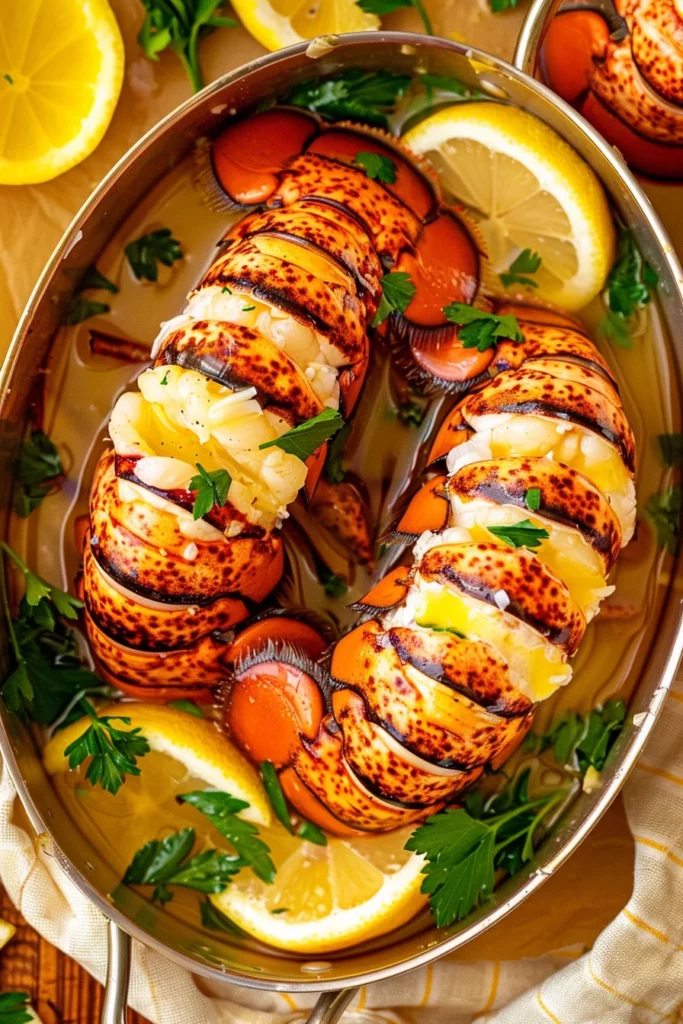
Sous Vide Lobster Tails
Tips/Tricks
To ensure the best results with sous vide lobster tails, pay attention to a few key details. Use fresh, high-quality lobster tails for the most flavorful outcome. When sealing the bag, avoid air pockets, as they can affect cooking. For added flavor, consider adding herbs like thyme or tarragon to the bag.
For more inspiration on sous vide cooking, explore other recipes like sous vide steak sirloin or sous vide London broil. These dishes highlight the versatility and precision of sous vide techniques.
Perfecting Your Lobster Tails
Perfecting Results
Perfecting sous vide lobster tails involves a balance of technique and timing. Focus on maintaining the correct temperature and cooking duration to ensure the lobster is cooked evenly. The butter in the bag enhances the lobster’s flavor, making each bite a rich, indulgent experience.
Experiment with different temperatures to find your preferred texture. If you’re new to sous vide, begin with 135 degrees F for a tender yet firm lobster. As you become more comfortable with the technique, adjust the temperature to suit your taste preferences.
Troubleshooting/Variations
If your lobster tails turn out too soft or too firm, consider adjusting the cooking temperature or time. For a softer texture, lower the temperature slightly; for a firmer result, increase it. Variations can also include adding spices or citrus zest to the bag for a unique flavor profile.
For more adventurous sous vide recipes, explore sous vide boneless prime rib for two or discover new flavor combinations with sous vide prime rib with horseradish sauce.
Serving and Enjoying Sous Vide Lobster Tails
Serving/Presentation
Once your sous vide lobster tails are cooked to perfection, it’s time to serve them in style. Remove the lobster from the bag and plate it with the garlic butter sauce. Garnish with chopped parsley for a pop of color and fresh flavor. Add lemon wedges for a bright, citrusy accent that complements the rich lobster.
The presentation is crucial for an elegant dining experience. Arrange the lobster tails neatly and drizzle them with sauce just before serving. This approach not only enhances the dish’s visual appeal but also ensures the lobster remains moist and flavorful.

Sous Vide Lobster Tails
Pairings/Storage
Pair your sous vide lobster tails with complementary sides such as roasted vegetables, a crisp salad, or creamy mashed potatoes. These sides provide balance and texture, enhancing the overall meal experience. If you have leftovers, store them in an airtight container in the refrigerator for up to two days. Reheat gently to preserve the lobster’s delicate texture.
For more culinary inspiration, check out this filet mignon with shrimp and lobster cream recipe or learn how to elevate your sous vide skills with the 18hr sous vide corned beef recipe.
Conclusion
Cooking sous vide lobster tails offers a unique opportunity to enjoy restaurant-quality seafood at home. By mastering temperature control and technique, you can achieve perfectly tender and flavorful lobster every time. This method highlights the utility of sous vide cooking, making it a valuable addition to any home cook’s repertoire.
Sous vide cooking provides precision and consistency, resulting in dishes that delight with every bite. Whether you’re preparing a special dinner or simply exploring new cooking methods, sous vide lobster tails showcase the strengths of this innovative approach. Embrace the joy of cooking sous vide and transform your culinary creations.