
📑 Table of Contents ▶
- Sous Vide Korean Bbq Chicken
- Sous Vide Korean BBQ Chicken: The Essentials
- Fundamentals
- Preparation/setup
- Mastering the Art of Korean BBQ Chicken
- Technique
- Tips/tricks
- Perfecting Your Sous Vide Korean BBQ Chicken
- Perfecting results
- Troubleshooting/variations
- Serving and Storing Your Masterpiece
- Serving/presentation
- Pairings/storage
- Conclusion
- FAQs – Sous Vide Korean Bbq Chicken
Growing up in sunny Florida, I found inspiration in fresh coastal flavors, but the real culinary magic began when I discovered sous vide. The first time I tasted a sous vide salmon, its melt-in-your-mouth texture was a revelation, transforming how I thought about cooking. Now, I’m thrilled to share how you can achieve that same perfection with Sous Vide Korean BBQ Chicken.
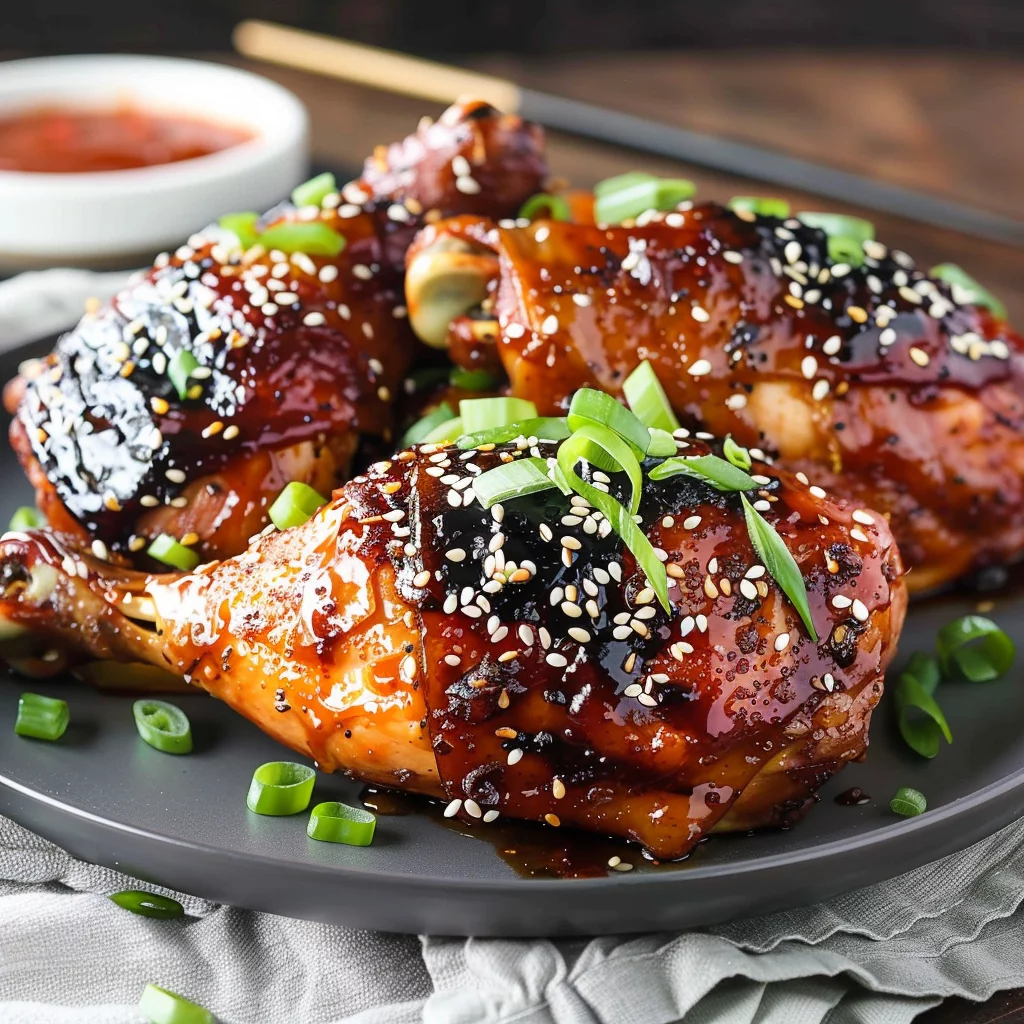
This method isn’t just for fancy restaurants. It’s a game-changer for home kitchens, making it easy to create dishes that are both simple and extraordinary. Imagine biting into chicken thighs that are perfectly cooked and infused with the flavors of hoisin and gochujang, balanced by honey and apple cider vinegar. It’s a symphony of taste that’s surprisingly easy to achieve.
With sous vide, every bite of your Sous Vide Korean BBQ Chicken is guaranteed to be juicy and flavorful. Whether you’re new to sous vide or a seasoned pro, this recipe promises reliable results that will elevate your cooking game. Let’s dive into the fundamentals of making this delectable dish.
PrintSous Vide Korean Bbq Chicken
Discover the secrets to perfect Sous Vide Korean BBQ Chicken. Learn to achieve juicy, flavorful chicken with a simple technique that enhances every savory bite.
- Prep Time: 20 minutes
- Cook Time: 180 minutes
- Total Time: 205 minutes
- Yield: 10 1x
- Category: Main Course
- Method: Grilling
- Cuisine: Française
Ingredients
- 1/2 cup (120 ml) hoisin sauce
- 1/3 cup (80 ml) gochujang Korean chili sauce
- 3 tablespoon (45 ml) s apple cider vinegar
- 3 tablespoon (45 ml) s honey
- 1 tablespoon (15 ml) soy sauce
- 10 to 12 chicken bone-in, skin-on chicken thighs (4 to 5 pounds (2.04 kg))
- Sesame seeds, garnish
- Scallions, garnish
Instructions
- Prepare the Korean BBQ mixture by blending the hoisin sauce, gochujang, apple cider vinegar, honey, and soy sauce in a medium-sized bowl. Mix thoroughly and set it aside.
- Coat the chicken: Spread approximately 1/3 cup of the sauce over the chicken thighs, ensuring each piece is lightly covered. Save the rest of the sauce for later use during grilling. Put the thighs in a plastic freezer bag, arranging them in a single layer; use extra bags if needed to avoid stacking the chicken.
- Remove air from the bag: Press out as much air as you can with your hands and partially close the bag. Gradually dip the bag into a pot filled with water, pushing out more air, and seal completely when the top of the bag is at the water’s surface. If desired, dry and freeze the bagged chicken for up to three months before cooking.
- Prepare the sous vide setup: When ready to cook, insert your immersion circulator into the water-filled pot and heat the water to 158°F.
- Sous vide the chicken: Immerse the bagged chicken in the heated water, ensuring all thighs are entirely underwater. Let it cook for 3 to 5 hours; it’s done anytime within this window. If cooking from frozen, extend cooking to at least 4 hours. Ensure bags stay submerged throughout the process, and consider turning them halfway for even cooking.
- Preheat the grill to a high setting: Aim for about 500°F, or until you can only hold your hand an inch above the grill for 1 to 2 seconds.
- Finish the chicken on the grill: Take the chicken out of the bags and place it on a serving dish. Lay the chicken skin-side up on the grill for 1 to 2 minutes. Brush with additional sauce, flip skin-side down, and apply more sauce. Grill for another 1 to 2 minutes until grill marks form on both sides. Continue brushing with sauce and flipping as desired. Remember, the chicken is already cooked, so grilling is just for a crispy finish.
- Serve: Once both sides are grilled, move the chicken to a clean platter. Sprinkle with sesame seeds and chopped scallions before serving immediately. Enjoy the dish, and feel free to leave feedback!
Notes
- Thoroughly combine hoisin sauce and gochujang for an even marinadenMarinate chicken in the fridge for a minimum of 2 hours for optimal flavornToast sesame seeds in a dry pan before garnishing for extra aroma
Nutrition
- Calories: 484 kcal
- Fat: 27 g
- Protein: 44 g
Sous Vide Korean BBQ Chicken: The Essentials
Fundamentals
The art of sous vide cooking lies in its precision. You’ll begin by preparing a flavorful Korean BBQ marinade using hoisin sauce, gochujang, apple cider vinegar, honey, and soy sauce. This mixture ensures your chicken thighs are enveloped in bold, rich flavors. The beauty of sous vide is that it allows these flavors to penetrate deeply, offering a consistent taste throughout each piece.
Once coated with the marinade, the chicken thighs are sealed in a plastic bag. This step is crucial as it locks in the moisture and flavor, preventing any loss during the cooking process. The immersion technique involves using water to remove air from the bag, ensuring it stays submerged while cooking.
Preparation/setup
Setting up for sous vide cooking is straightforward. You’ll need an immersion circulator to heat the water to a precise 158°F. This temperature allows the chicken to cook evenly, maintaining its juiciness without overcooking. Whether you’re starting with fresh or frozen chicken, the sous vide method adapts seamlessly, providing flexibility in your cooking schedule.
Prepare your setup by ensuring the water bath is ready and your chicken thighs are securely sealed. The key is to maintain a consistent temperature and ensure the bags remain fully submerged. With these steps, you’re on your way to crafting an unforgettable crispy sous vide chicken thighs.
Mastering the Art of Korean BBQ Chicken
Technique
The sous vide technique is all about precision and patience. Submerge the bagged chicken in the preheated water and let it cook for 3 to 5 hours. This window allows the chicken to reach the perfect temperature and texture. If starting with frozen thighs, extend the cooking time to at least 4 hours to ensure thorough cooking.
During the cooking process, you may want to turn the bags occasionally to ensure even heat distribution. This step isn’t mandatory but can help achieve uniform cooking. The goal is to maintain the integrity of the flavors and moisture, ensuring each bite of your sous vide spatchcock chicken is as delicious as possible.
Sous Vide Korean Bbq Chicken
Tips/tricks
One of the secrets to enhancing your sous vide experience is to experiment with flavor profiles. While this recipe focuses on Korean BBQ, you can adjust the spice level by altering the amount of gochujang. For a sweeter touch, increase the honey. These tweaks allow you to customize the recipe to your taste preferences.
Another tip is to prepare extra marinade for basting during grilling. This step not only adds flavor but also gives the chicken a glossy, appetizing finish. Remember, the sous vide process cooks the chicken thoroughly, so the grilling phase is primarily for achieving that desired crispy exterior.
Perfecting Your Sous Vide Korean BBQ Chicken
Perfecting results
Achieving the perfect sous vide chicken involves attention to detail during the final grilling stage. Preheat your grill to a high setting, around 500°F, ensuring it’s hot enough to sear the chicken quickly. Place the chicken skin-side up first, then flip to achieve even grill marks on both sides.
Use a brush to apply additional sauce throughout the grilling process. This technique enhances the flavor and helps to caramelize the sauce, adding depth and richness to the chicken. The result is a beautifully charred and flavorful dish that pays homage to traditional Korean BBQ.
Troubleshooting/variations
If you find your chicken lacking in flavor, consider marinating it overnight before the sous vide process. This step allows the marinade to penetrate more thoroughly, enhancing the overall taste. Additionally, adjusting the cooking time within the 3 to 5-hour window can alter the texture, making it more tender or firm according to your preference.
For those looking to explore variations, consider using the same technique with different sauces or spices. The versatility of sous vide allows for endless possibilities, from classic BBQ to spicy buffalo flavors, as seen with this sous vide buffalo chicken recipe.
Serving and Storing Your Masterpiece
Serving/presentation
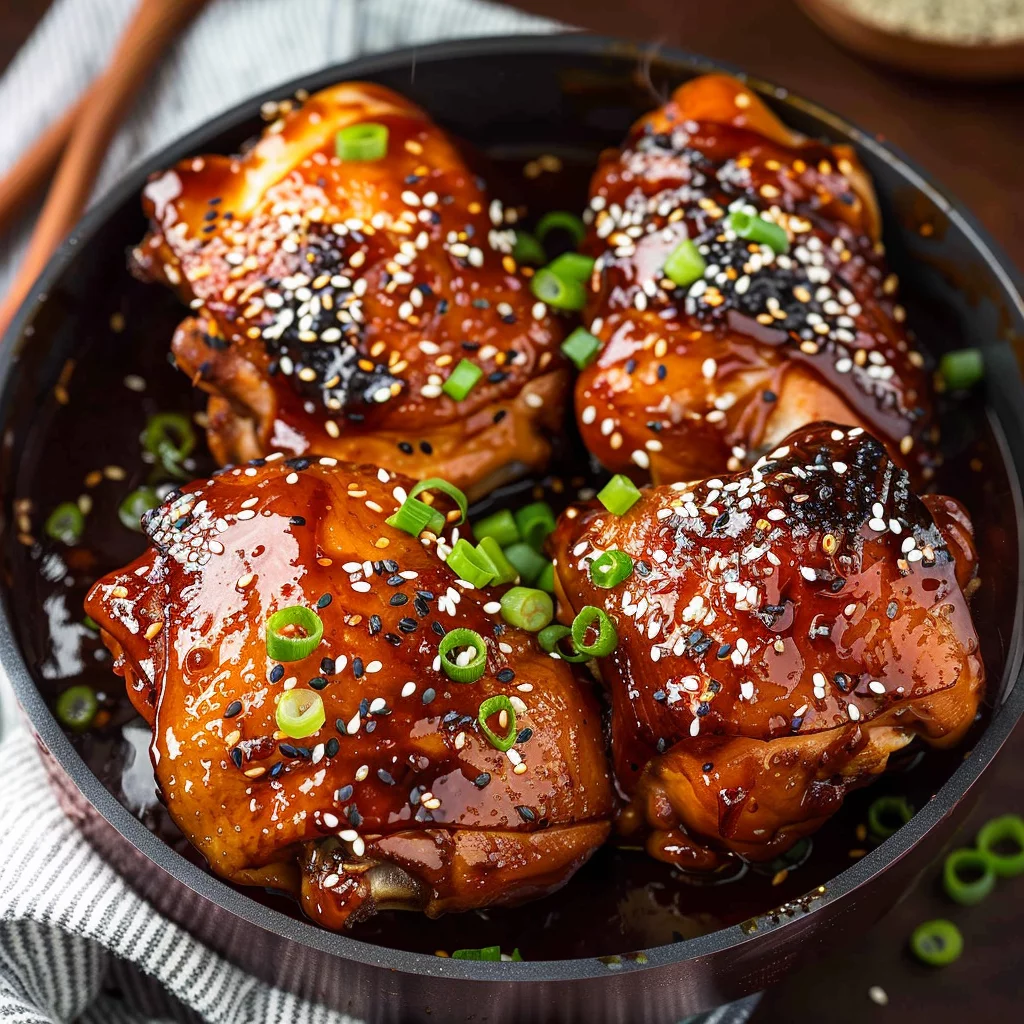
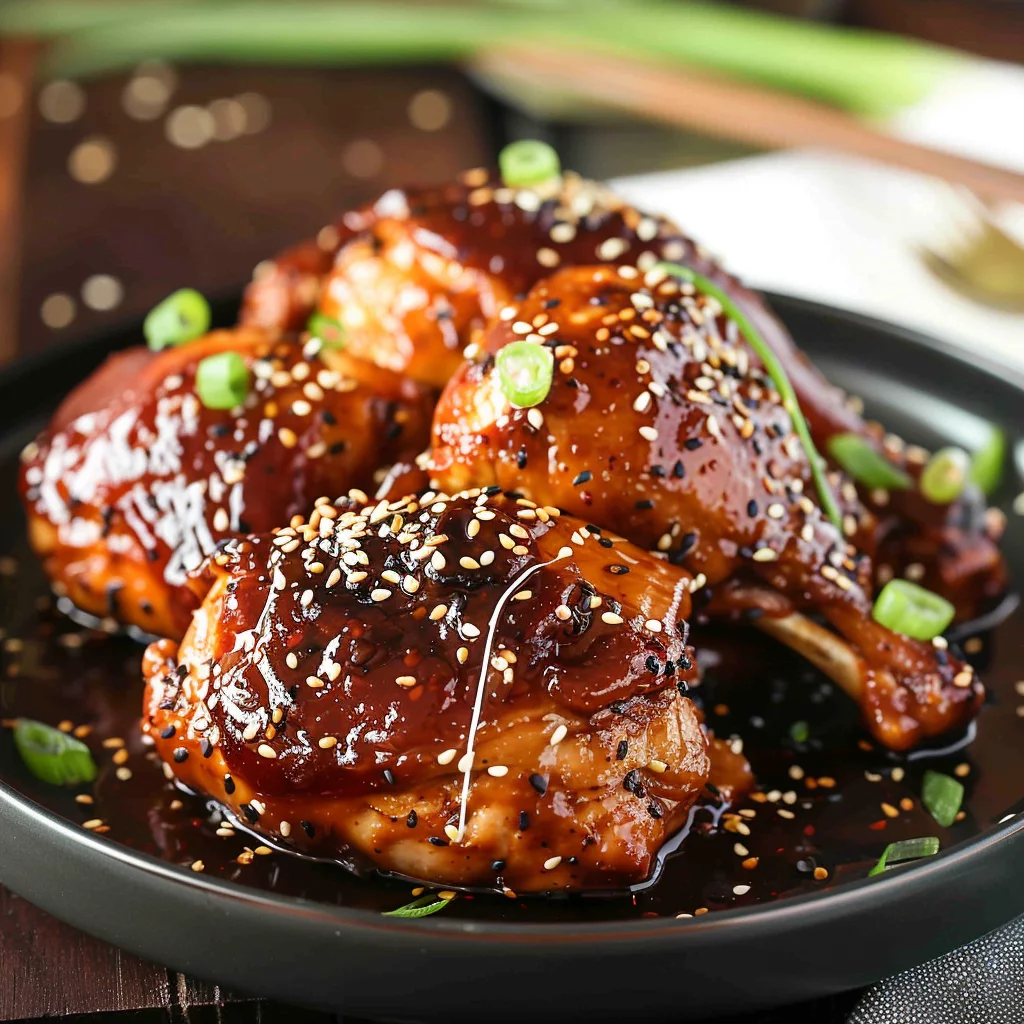
Once grilled to perfection, present your chicken on a clean platter, garnishing with sesame seeds and chopped scallions for a pop of color and texture. This simple presentation highlights the dish’s vibrant flavors and adds a touch of elegance to your meal. Serve immediately to enjoy the full impact of the freshly grilled chicken.
Pair this dish with sides that complement its bold flavors, such as steamed rice or a fresh green salad. The balance of flavors makes it a versatile dish suitable for various occasions, from casual dinners to special gatherings. For more meal inspiration, explore our collection of delicious recipes, including this BBQ chicken sandwich recipe.
Sous Vide Korean Bbq Chicken
Pairings/storage
Store any leftover sous vide chicken fajitas in an airtight container in the refrigerator for up to three days. Reheat gently to maintain its tender texture. For longer storage, consider freezing the cooked chicken, which allows you to enjoy this delicious meal at a later date.
This dish pairs well with a variety of beverages and sides, making it a versatile addition to any menu. Whether you choose a refreshing iced tea or a sparkling water, the goal is to complement the rich flavors of the chicken without overpowering them.
Conclusion
Mastering the art of Sous Vide Korean BBQ Chicken transforms your cooking into a delightful experience. By understanding the fundamentals, perfecting your technique, and exploring variations, you unlock a world of culinary possibilities. This method ensures consistent, flavorful results every time.
Whether you’re new to sous vide or an experienced cook, this approach highlights the utility and strengths of sous vide cooking. The ability to achieve perfectly cooked, juicy chicken with minimal effort is a testament to the power of this technique. Embrace the convenience and precision of sous vide, and elevate your home-cooked meals to new heights.