
➤ Table of Contents
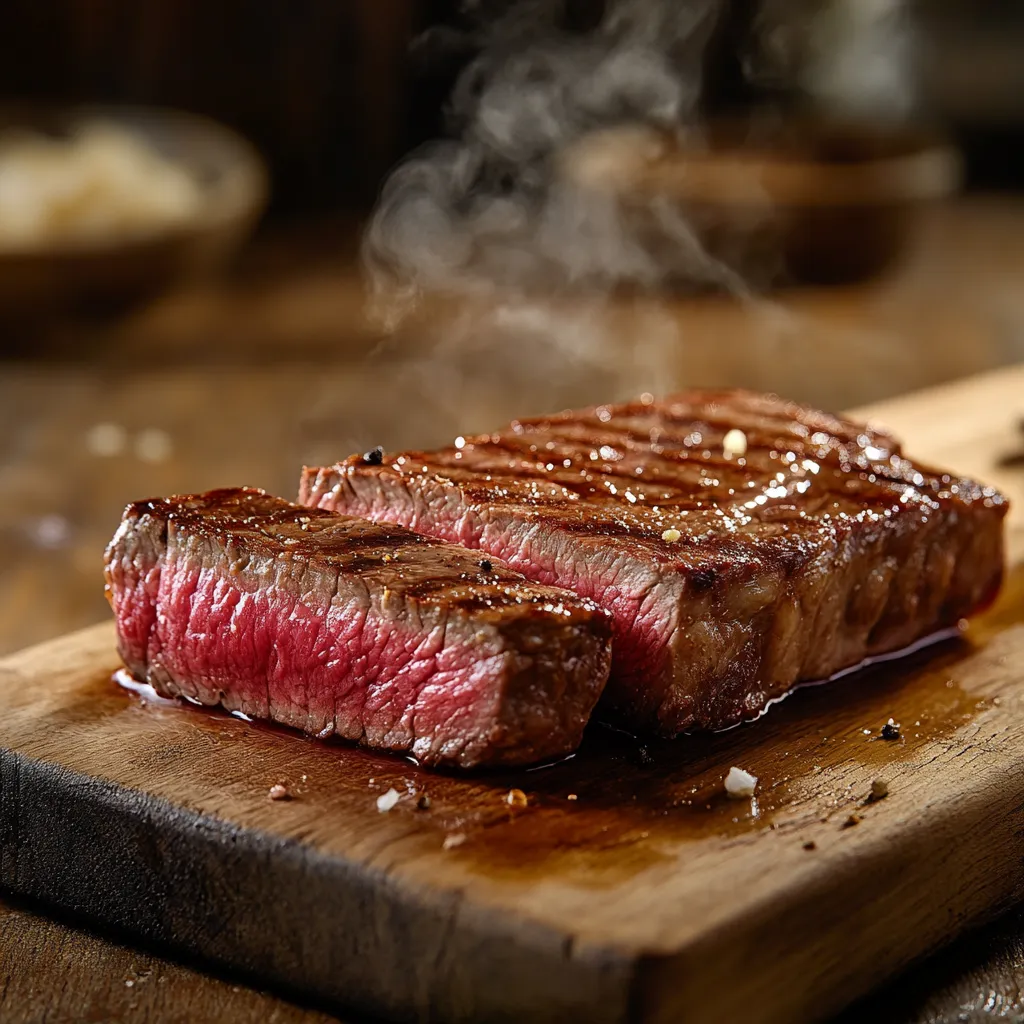
Cooking sous vide frozen ribeye is hands-down the best way to prepare steak straight from your freezer. If you’ve ever tried cooking a frozen ribeye the traditional way—grilling, pan-searing, or broiling—you know it can lead to frustration. The outer layer often cooks too quickly while the inside remains icy, making it nearly impossible to achieve that perfectly even medium-rare center. Sous vide frozen ribeye solves this issue every single time. Because the steak is cooked low and slow in a precisely controlled water bath, the entire ribeye heats evenly from edge to center.
The result? A tender, juicy sous vide frozen ribeye with absolutely no risk of overcooking. Every time I cook sous vide frozen ribeye, I’m amazed at how effortlessly I can achieve my favorite doneness—pink, juicy, and packed with flavor.
Even better, the sous vide frozen ribeye method locks in moisture that would often be lost with traditional cooking. Since the ribeye remains sealed in a bag during the entire cooking process, all of its natural juices stay exactly where they belong—in the steak itself. The even, gentle heat of sous vide cooking also prevents the muscle fibers from tightening too much, resulting in a buttery, melt-in-your-mouth texture.
In fact, once you try preparing sous vide frozen ribeye, I’m willing to bet you’ll be hooked. I personally haven’t gone back to grilling frozen steaks since I discovered how beautifully sous vide frozen ribeye turns out. It’s foolproof, convenient, and consistently delivers steakhouse-quality results—right in your own kitchen. Whether you’re cooking for yourself, family, or guests, mastering sous vide frozen ribeye will change the way you think about freezer-to-table meals forever.
PrintSous Vide Frozen Ribeye | Amazing 3-Step Guide for Juicy Steak
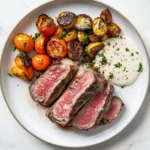
A rich, juicy ribeye cooked straight from the freezer using sous vide, then finished with a quick sear for a perfect crust.
- Prep Time: 10 minutes
- Cook Time: 3 hours
- Total Time: 3 hours 10 minutes
- Yield: 2 servings 1x
- Category: Main Course
- Method: Sous Vide
- Cuisine: American
Ingredients
2 frozen steaks (about 1 lb total) — ribeye, NY strip, sirloin, etc.
1 tablespoon salt
½ teaspoon pepper
1 tablespoon avocado oil (for searing only)
Instructions
1. Heat sous vide water bath to 131°F.
2. Place frozen steaks in vacuum-seal or freezer-safe bag with salt and pepper.
3. Seal the bag.
4. Cook for 3 hours.
5. Transfer steaks to an ice bath for 10 minutes.
6. Remove from bag and pat steaks completely dry.
7. Heat skillet over high heat and add avocado oil.
8. Sear steaks for 30–60 seconds per side until golden brown crust forms.
9. Let rest 5 minutes.
10. Slice and serve with your favorite sauce or sides.
Notes
You can season steaks before freezing or just before searing.
Multiply sous vide time x1.5 for frozen steaks based on thickness.
Perfect for meal prep—cooked steaks store well in fridge for 3–4 days.
Nutrition
- Serving Size: 1 steak
- Calories: 760
- Sugar: 0g
- Sodium: 308mg
- Fat: 38.9g
- Saturated Fat: 17.1g
- Unsaturated Fat: 19g
- Trans Fat: 1.4g
- Carbohydrates: 0g
- Fiber: 0g
- Protein: 102g
- Cholesterol: 237mg
Benefits beyond convenience
Sous vide frozen ribeye isn’t just about saving time (though being able to skip the thawing process is definitely one of my favorite perks). It also helps you save money, reduce food waste, and simplify meal planning. Whenever I spot a great deal on steaks, I stock up—buying ribeye, NY strip, sirloin, or filet mignon in bulk. I immediately vacuum-seal individual portions and stash them in the freezer, knowing that with sous vide frozen ribeye, I can cook a perfect steak anytime. No need to defrost ahead of time or stress about what’s for dinner. With sous vide frozen ribeye, your next steak night is always just a water bath away.
Meal prep with sous vide frozen ribeye is another major win. You can easily cook several steaks at once in your sous vide, chill them quickly in an ice bath, then refrigerate them for up to a week. When you’re ready to serve, simply give them a quick sear and enjoy. It’s an ideal method for busy weeknights, casual entertaining, or even elegant dinners with friends. Because sous vide frozen ribeye cooks so evenly, you’re guaranteed tender, juicy, restaurant-quality steak every single time—whether it’s your first steak of the week or your fifth.
Personally, I love serving sous vide frozen ribeye with simple, flavorful sides that complement the richness of the steak. Think buttery sous vide vegetables, garlicky green beans, or creamy mashed potatoes. If you need inspiration, check out my recipes for sous vide vegetables or sous vide filet mignon—both pair beautifully with a perfectly cooked sous vide frozen ribeye.
Picking the right packaging
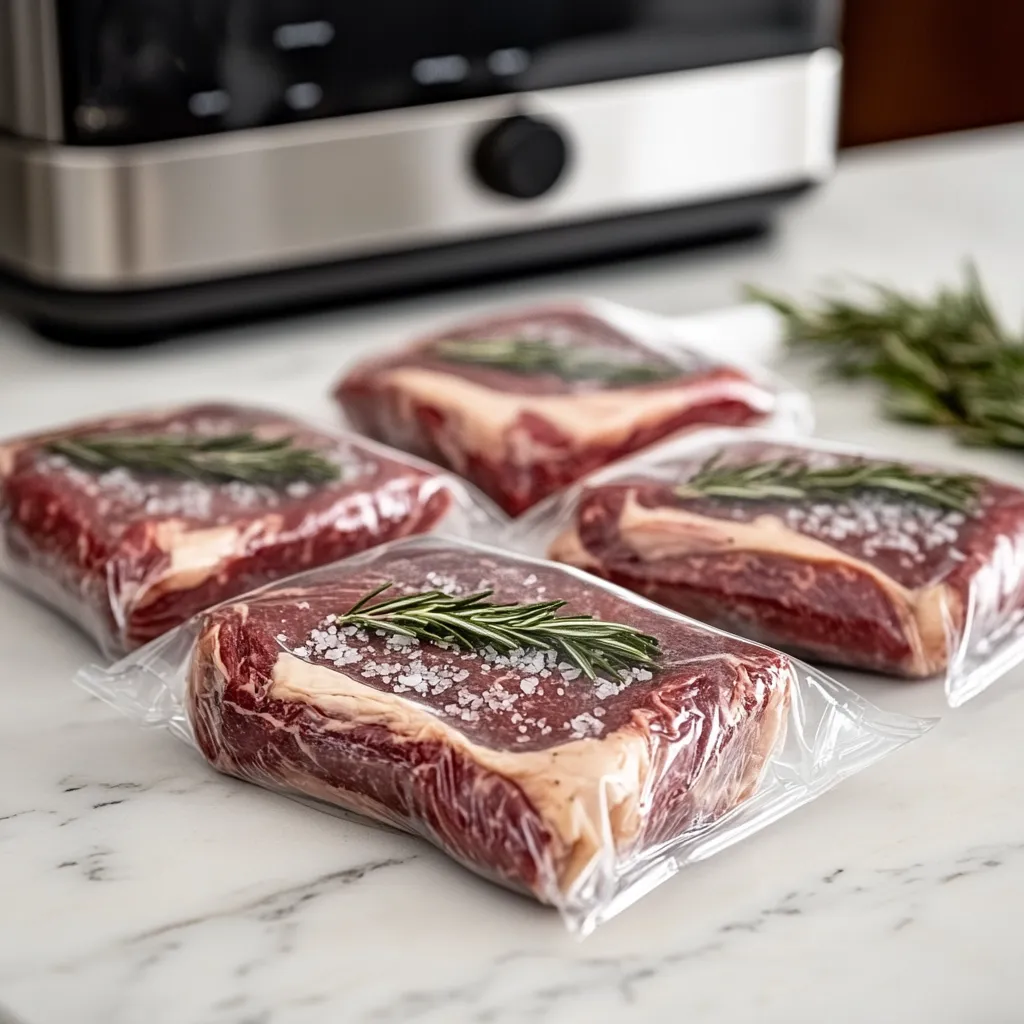
When it comes to cooking sous vide frozen ribeye, the bag you use matters more than you might think. Many store-bought steaks are vacuum-sealed in plastic packaging, but not all of those are safe for sous vide. Some contain materials that aren’t heat-safe or include absorbent pads—definitely not something you want in your water bath.
If you’re unsure whether your steak’s packaging is sous vide-friendly, I recommend repackaging it. Use high-quality vacuum-seal bags or food-grade freezer Ziploc bags. Personally, I like vacuum sealing because it locks in flavor and prevents any water from seeping in. If using a Ziploc, try the water displacement method to push out extra air.
One key rule: always remove absorbent pads and double-check that seals are tight. You want your steak fully protected during cooking. This is especially important when batch cooking—steaks that are well-sealed can be chilled in an ice bath after cooking, then stored in the fridge for up to a week. You can use this same method for other cuts too, like sous vide filet mignon.
The golden rule for timing and temperature
Timing is everything when it comes to cooking sous vide frozen ribeye—but here’s the best part: the temperature remains exactly the same as you’d use for fresh steak. You won’t need to change the target temp for perfect doneness. The only thing that changes with sous vide frozen ribeye is the cook time. The simple rule I always follow is this: take the fresh steak cook time and multiply it by 1.5. This ensures your sous vide frozen ribeye cooks evenly from edge to center, with no cold spots.
For instance, if a fresh ribeye steak typically takes 1 hour at 131°F for a perfectly medium-rare result, your sous vide frozen ribeye will need about 1.5 hours at the same 131°F. It’s that easy. If you’re cooking thicker steaks (say, around 1.5 inches), then your sous vide frozen ribeye will benefit from 2.5 to 3 hours of cook time. The extra time allows the frozen steak to fully thaw and gently cook to that perfect pink center.
This timing rule is one of the reasons I love sous vide frozen ribeye—it takes the guesswork out of cooking frozen steak. No risk of undercooking or overcooking. The result? A juicy, tender sous vide frozen ribeye every single time. Whether you’re preparing a quick dinner or batch-cooking for the week, this method delivers consistently delicious results.
Here’s a quick reference guide for sous vide frozen ribeye cook times:
| Thickness | Temperature | Cook Time (Frozen) |
|---|---|---|
| 1 inch | 131°F (medium-rare) | 1.5 hours |
| 1.5 inches | 131°F (medium-rare) | 2.5–3 hours |
| 2 inches | 131°F (medium-rare) | 3.5–4 hours |
Remember, sous vide is forgiving—you won’t ruin the steak if you go a bit over. That’s why I love it for frozen cuts. And if you’re craving something different, you can also try this method with other proteins, like sous vide chicken breast or sous vide scallops.

Prep your steak
One of the things I absolutely love about sous vide frozen ribeye is how easy it makes meal prep. You can prepare steaks ahead of time, store them in your freezer, and have a gourmet meal ready whenever you like. I usually start with fresh ribeye steaks—seasoning them with salt, pepper, and sometimes a sprig of rosemary—then vacuum-sealing each steak individually. This method locks in flavor and ensures the steaks are perfectly prepped for future cooking. If I’m using Ziploc freezer bags instead, I press out as much air as possible to avoid freezer burn and guarantee even results with sous vide frozen ribeye later.
If you’re starting with store-bought sous vide frozen ribeye, be sure to check the original packaging. Not all store packaging is safe for sous vide cooking. If the bag isn’t labeled as sous vide-safe, it’s always best to transfer your ribeye to a vacuum-seal bag or a quality Ziploc freezer bag. And very important—be sure to remove any absorbent pads from inside the package before sealing. With sous vide frozen ribeye, the goal is to create a perfectly sealed environment so the steak cooks gently and evenly in the water bath.
Once your sous vide frozen ribeye is properly packaged, cooking couldn’t be simpler. Just take it straight from the freezer and place it in your preheated sous vide water bath—no thawing required. This is why I recommend sous vide frozen ribeye to anyone looking for an easy, foolproof way to enjoy delicious steak straight from the freezer, any night of the week.
From freezer to table: the cooking process
To start, fill your sous vide container with water and set your immersion circulator to 131°F for medium-rare. For medium or medium-well, bump the temp to 135–140°F. Once the water reaches temperature, place your frozen steak into the bath. If using a Ziploc, slowly lower the bag into the water to push out air (the water displacement method) before sealing.
Then, walk away! Depending on your steak thickness, cook time will range from 1.5 to 4 hours (see the chart in Part 2). The beauty of sous vide frozen ribeye is that there’s no need to babysit. The temperature remains constant, so your steak won’t overcook if you leave it a bit longer.
When the timer’s up, transfer the steak to an ice bath for 10 minutes to stop cooking and firm it up for searing. Pat it dry with paper towels. If you didn’t season before freezing, now’s the time to sprinkle on salt and pepper.
Next, heat a heavy skillet over high heat and add avocado oil (or butter if you like). Once the pan is hot and shimmering, sear the steak for about 30–60 seconds per side, or until a rich brown crust forms. I sometimes use this method with sous vide lamb chops too—high heat, fast sear is the key to locking in flavor.
Let the steak rest for 5 minutes. Slice against the grain and enjoy. Whether served solo, topped with compound butter, or paired with a bold horseradish sauce like in my sous vide filet mignon, this method delivers steakhouse-quality results at home.
Can you sous vide marinated or seasoned frozen steaks?
Absolutely—you can sous vide frozen steaks that have been marinated or pre-seasoned. In fact, I often season my ribeye before freezing for even more flavor. Just keep in mind that certain marinades can subtly affect texture. Salty ingredients will brine the meat, which is usually a good thing. Acidic marinades (like vinegar or citrus) can slightly break down proteins, making the steak more tender—but if left too long, they might make the texture mushy.
I find that simple seasoning—salt, pepper, maybe a touch of olive oil—works best when freezing steaks for sous vide. You can always finish with a flavorful sauce after searing. When experimenting, try pairing your sous vide frozen ribeye with bright herb sauces or a bold compound butter, much like I do with sous vide pork chops.
What else can you sous vide from frozen?
Once you’ve mastered sous vide frozen ribeye, you’ll probably wonder what else works this well. Good news: plenty of foods! I often use this method for fish (like sous vide salmon), chicken, pork tenderloin, even shellfish. The trick is adjusting cook times based on thickness and using proper packaging.
Because sous vide is so forgiving, frozen proteins turn out beautifully tender and evenly cooked. I love having a freezer stocked with vacuum-sealed portions ready to drop straight into a sous vide bath. On busy nights, it’s a lifesaver. And if you’re meal prepping, you can cook several portions at once and store them for quick meals throughout the week.
For example, I often prepare batches of sous vide frozen ribeye alongside sous vide egg bites or sous vide veggies, making weekday dinners a breeze. The versatility of sous vide is one of the reasons I’m always recommending this method to both new and experienced home cooks alike.
Conclusion
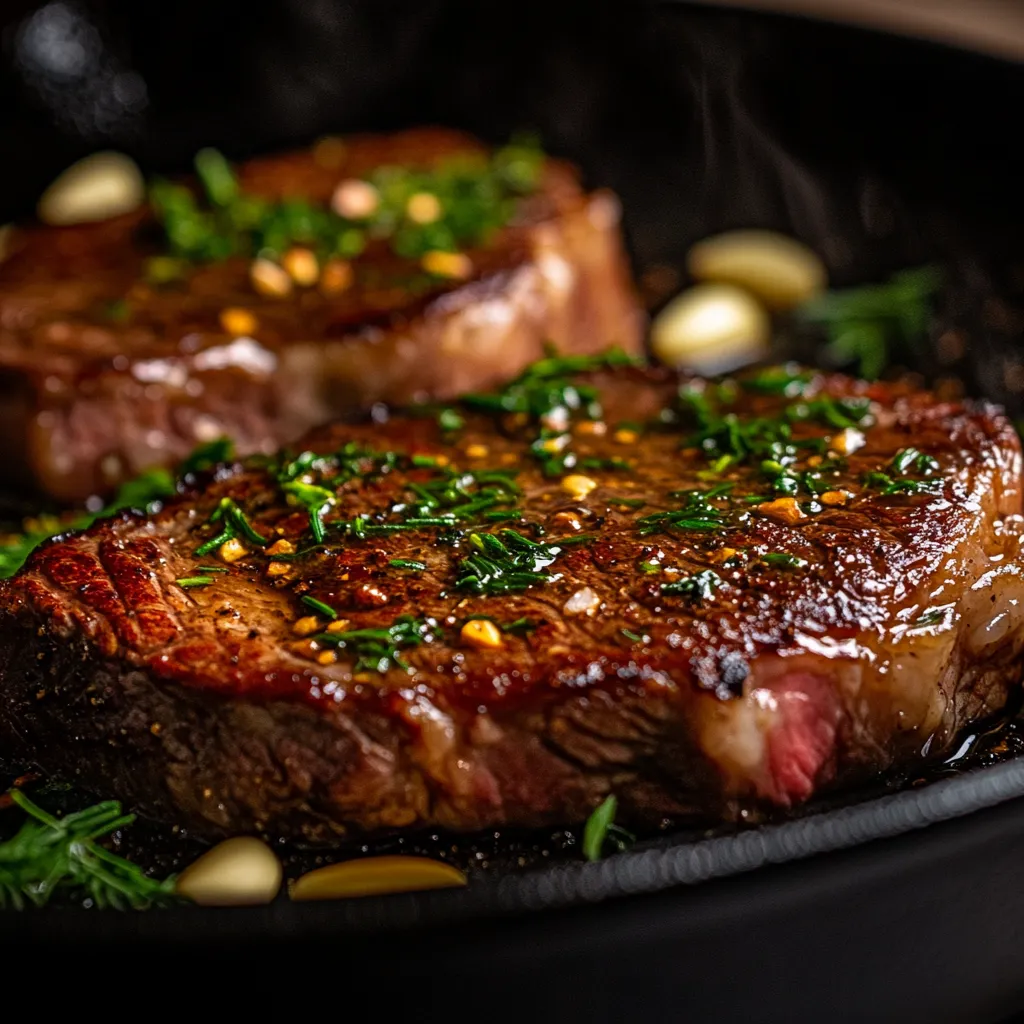
With sous vide frozen ribeye, you no longer need to plan ahead to enjoy a juicy, perfectly cooked steak. Whether you’re pulling a ribeye straight from the freezer on a busy weeknight or prepping multiple steaks in advance for special occasions, sous vide frozen ribeye guarantees a tender, restaurant-worthy result every single time.
By mastering just a few simple steps—choosing safe packaging, using the right timing, and finishing with a quick sear—you’ll soon find yourself cooking sous vide frozen ribeye on repeat. Once you taste how perfectly this method turns out steak, it’s hard to go back to any other way. I often tell friends that once you start making sous vide frozen ribeye, your immersion circulator will become one of the most-used tools in your kitchen.
And if you’re ready to grow your sous vide skills beyond sous vide frozen ribeye, be sure to explore more recipes on my site! You’ll love my step-by-step guides for sous vide filet mignon and sous vide chicken breast—both are fantastic additions to your sous vide repertoire and pair beautifully with seasonal sides. Once you master sous vide frozen ribeye, the possibilities with sous vide cooking are endless.
Join us on Facebook and Pinterest for even more delicious recipe ideas!
FAQs
Can you sous vide frozen ribeye?
Yes! Sous vide is ideal for cooking frozen ribeye. Simply vacuum-seal or use a Ziploc bag, set your water bath to the right temperature, and cook the frozen steak 1.5 times longer than fresh.
How long do you put meat in sous vide if it’s frozen?
The cook time for frozen meat is 1.5 times the fresh sous vide time. For a 1-inch ribeye, that’s about 1.5 hours at 131°F for medium-rare.
Can you cook ribeye steak from frozen?
Yes, and sous vide makes it easy! No thawing needed—just drop the frozen ribeye into the water bath and cook to your preferred doneness.
What temperature to sous vide a ribeye?
For medium-rare, set your sous vide to 131°F. For medium, 135°F–136°F works well. The temperature stays the same whether the steak is fresh or frozen.
Can you sous vide in Ziploc bags?
Definitely. Just be sure to use freezer-safe Ziploc bags and the water displacement method to remove air.
Can you overcook steak in sous vide?
It’s very hard to overcook with sous vide, thanks to precise temperature control. However, leaving steak in for too long (over 6–8 hours) can affect texture.
Can you sous vide frozen fish?
Yes! Sous vide works beautifully with frozen fish like salmon or cod. Just adjust cook time (usually about 30–60 minutes longer than fresh fish).