
📑 Table of Contents ▶
- Sous Vide Duck Breast
- Sous Vide Duck Breast: Mastering the Art
- Fundamentals
- Preparation/setup
- Perfecting the Sous Vide Technique
- Technique
- Tips/tricks
- Achieving Perfect Results with Sous Vide Duck Breast
- Perfecting results
- Troubleshooting/variations
- Serving and Storing Your Sous Vide Duck Breast
- Serving/presentation
- Pairings/storage
- Conclusion
- FAQs – Sous Vide Duck Breast
Growing up in sunny Florida, I was surrounded by a blend of vibrant coastal flavors that shaped my love for cooking. But it was the discovery of sous vide that truly revolutionized my culinary world. The first time I tasted a perfectly prepared sous vide duck breast, I realized the game-changing potential of this technique. The succulent meat, cooked to precision, was unlike anything I’d experienced before.
That moment sparked a passion for exploring how sous vide could transform home cooking. The magic lies in its ability to deliver restaurant-quality dishes without the fuss. Whether you’re cooking up tender chicken or experimenting with sous vide duck breast, this approach guarantees consistent, mouthwatering results.
In this space, I aim to demystify sous vide for home cooks, making it accessible and enjoyable. Here, you’ll find straightforward recipes, helpful tips, and a community of enthusiasts ready to elevate their culinary game. If you’re curious about mastering sous vide duck breast, you’re in the right place to start your journey.
PrintSous Vide Duck Breast

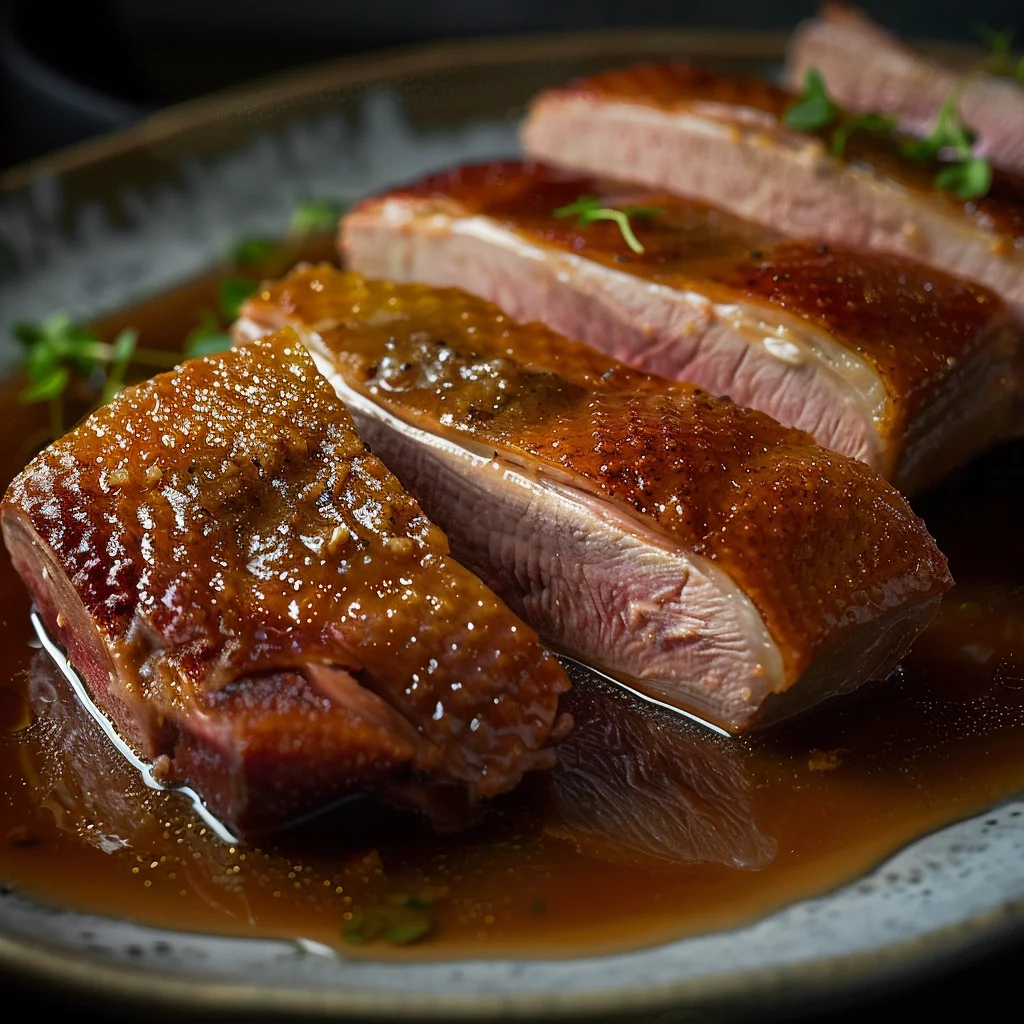
Learn how to perfectly cook sous vide duck breast with our step-by-step guide. Achieve tender and flavorful results every time!
- Prep Time: 730 minutes
- Cook Time: 60 minutes
- Total Time: 795 minutes
- Yield: 4 1x
- Category: Main Course
- Method: Pan-Searing
- Cuisine: French
Ingredients
- 4 boneless duck breasts (about 5 to 6 ounces each; 150-175g)
- Kosher salt and freshly cracked black pepper
Instructions
- Generously sprinkle the duck with kosher salt and freshly cracked black pepper. For optimal flavor, leave uncovered in the refrigerator overnight before moving on to the next step.
- Enclose the duck in vacuum-sealed bags. Immerse the bags in a water bath set at 130°F (54°C) for a minimum of 45 minutes, and no more than 4 hours. Take the duck out of the bags and pat dry completely with paper towels.
- Arrange the duck breasts with the skin side facing down in a sturdy 12-inch non-stick or cast iron skillet. Position the skillet over high heat and cook until you hear sizzling, approximately 2 minutes. Lower to medium heat and continue cooking, moving and pressing the breasts to ensure the skin makes good contact with the pan until the skin is golden brown and crispy, about 5 minutes. Turn the breasts over and cook the other side until it is lightly colored, around 30 seconds. Move them to a plate lined with paper towels and let them rest for 5 minutes.
- Cut the breasts into 1/2-inch slices across the grain and serve.
Notes
- Pat the duck breasts dry with paper towels before cooking for a crispy skin.
- Cook the duck breasts skin-side down first to achieve a crispy texture.
- Slice the duck breasts against the grain for more tender and easier-to-eat pieces.
Nutrition
- Calories: 243 kcal
- Fat: 13 g
- Protein: 29 g
Sous Vide Duck Breast: Mastering the Art
Fundamentals
Cooking sous vide duck breast begins with understanding the basics of sous vide cooking. This method involves vacuum-sealing food and cooking it in a water bath at a precise temperature. The controlled environment ensures that the duck breast retains its juices and cooks evenly throughout.
For sous vide duck breast, selecting the right temperature is crucial. A water bath set at 130°F (54°C) will yield a perfect medium-rare cook. This temperature allows the duck to develop a tender texture while preserving its rich flavor.
Preparation/setup
Start by generously seasoning the duck breasts with kosher salt and freshly cracked black pepper. Allowing the seasoned duck to rest uncovered in the refrigerator overnight enhances its flavor by letting the seasoning penetrate the meat deeply.
Next, place the duck breasts in vacuum-sealed bags to ensure they remain submerged in the water bath. This step is vital for maintaining the integrity of the sous vide duck breast, preventing water from entering the bag and diluting the flavors.
Perfecting the Sous Vide Technique
Technique
Submerging the vacuum-sealed duck breasts in a water bath set at 130°F (54°C) is where the magic happens. The duck needs to bathe for at least 45 minutes, but you can leave it in for up to 4 hours. This time flexibility allows you to plan your meal around busy schedules without compromising quality.
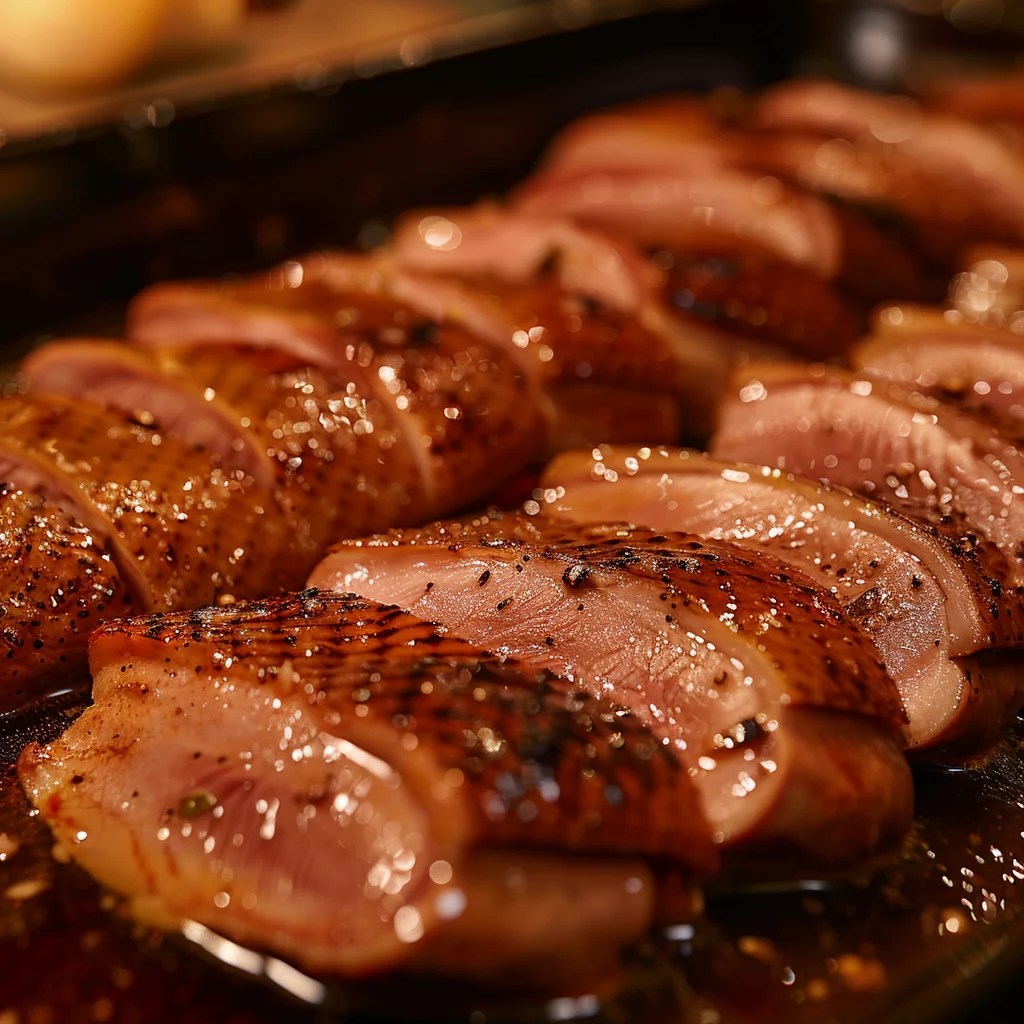
After the water bath, pat the duck dry with paper towels. This step is essential for achieving a crispy skin during the final sear. Moisture is the enemy of crispiness, so ensure the skin is completely dry before proceeding.
Sous Vide Duck Breast
Tips/tricks
To enhance the sous vide duck breast further, use a sturdy non-stick or cast iron skillet. Start by placing the duck skin-side down in a hot pan. The initial high heat promotes sizzling, which is key to developing a crispy exterior.
After a couple of minutes, reduce the heat to medium and continue cooking. Press the duck gently to ensure the skin maintains full contact with the pan. This technique ensures even browning and maximizes crispiness.
Achieving Perfect Results with Sous Vide Duck Breast
Perfecting results
Once the skin is golden brown, flip the duck breasts to cook the other side for about 30 seconds. This brief sear adds a touch of color without overcooking the meat. The balance achieved in the sous vide process ensures the inside remains juicy and tender.
After searing, let the duck breasts rest on a paper towel-lined plate for five minutes. Resting allows the juices to redistribute evenly throughout the meat, enhancing the overall flavor and tenderness of the sous vide duck breast.
Troubleshooting/variations
If you’re looking to experiment, try varying the seasoning or adding aromatic herbs like thyme or rosemary to the vacuum-sealed bags. These additions can infuse the sous vide duck breast with subtle layers of flavor without overpowering its natural taste.
For those new to sous vide, it’s important to monitor the water bath temperature closely. Consistency is key to avoiding overcooking or undercooking. If you’re interested in similar methods, explore these Sous Vide Leg of Lamb recipes for more inspiration.
Serving and Storing Your Sous Vide Duck Breast
Serving/presentation
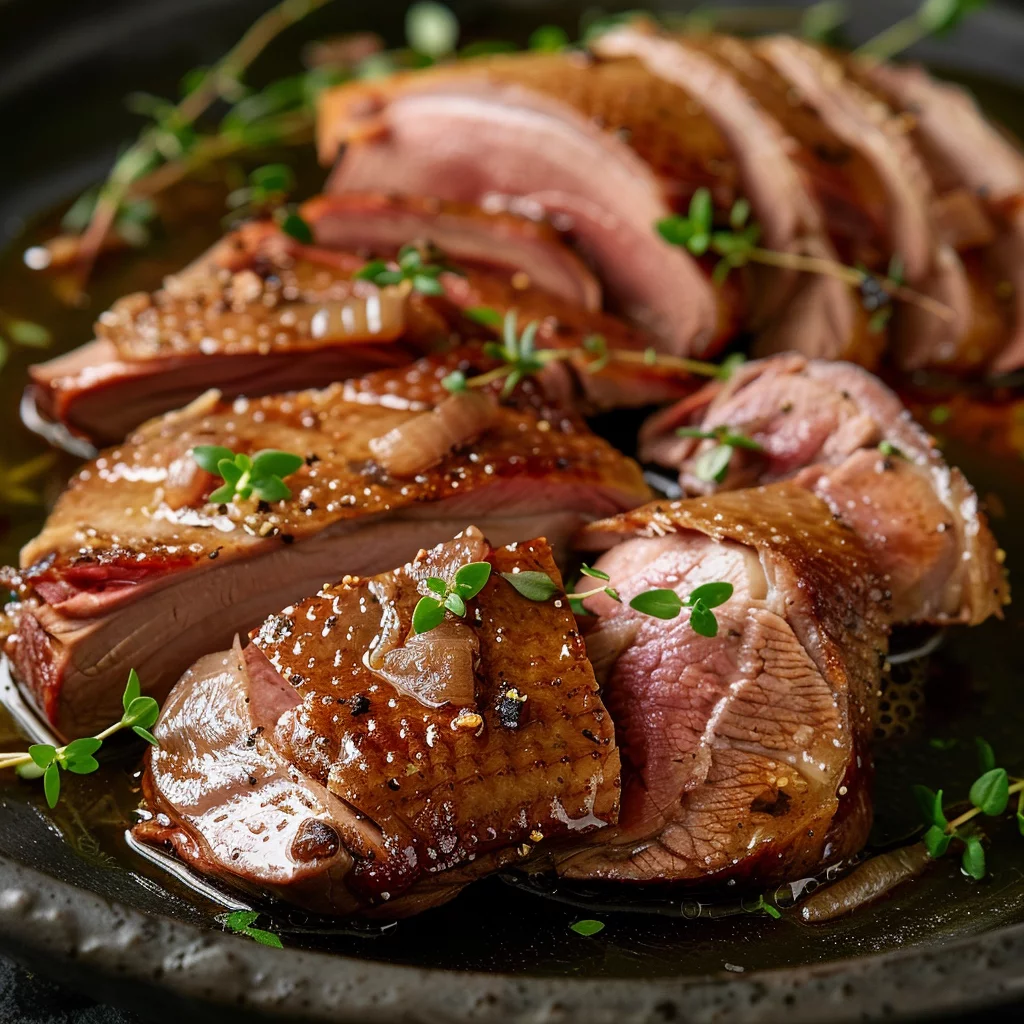
Carve the duck breasts into 1/2-inch slices across the grain, which ensures tenderness in every bite. Present the slices elegantly on a serving platter, showcasing the beautifully seared skin and juicy interior.
Pair the sous vide duck breast with a fresh salad or roasted vegetables for a balanced meal. The versatile nature of duck makes it a wonderful centerpiece for both casual dinners and special occasions.
Sous Vide Duck Breast
Pairings/storage
Store any leftover duck in an airtight container in the refrigerator for up to three days. Reheat gently to preserve its tenderness. If you’re exploring more sous vide possibilities, check out these Sous Vide Chicken Breasts with Lemon Garlic and Rosemary recipes for delightful alternatives.
Consider pairing your sous vide duck breast with unique flavors, such as those found in this Feta-Stuffed Chicken Breasts with Spicy Honey Drizzle, for a creative twist.
Conclusion
Mastering sous vide duck breast opens a world of culinary possibilities with its precision and unmatched flavor. This method ensures perfectly cooked meat, elevating home dining experiences. The simplicity of sous vide allows for consistent, high-quality results every time.
Whether you’re a seasoned cook or just starting, sous vide offers a forgiving and rewarding way to explore new dishes. Its transformative power is evident in the rich taste and tender texture of each bite. Dive into the world of sous vide and discover the joys of effortlessly creating gourmet meals at home.