
➤ Table of Contents
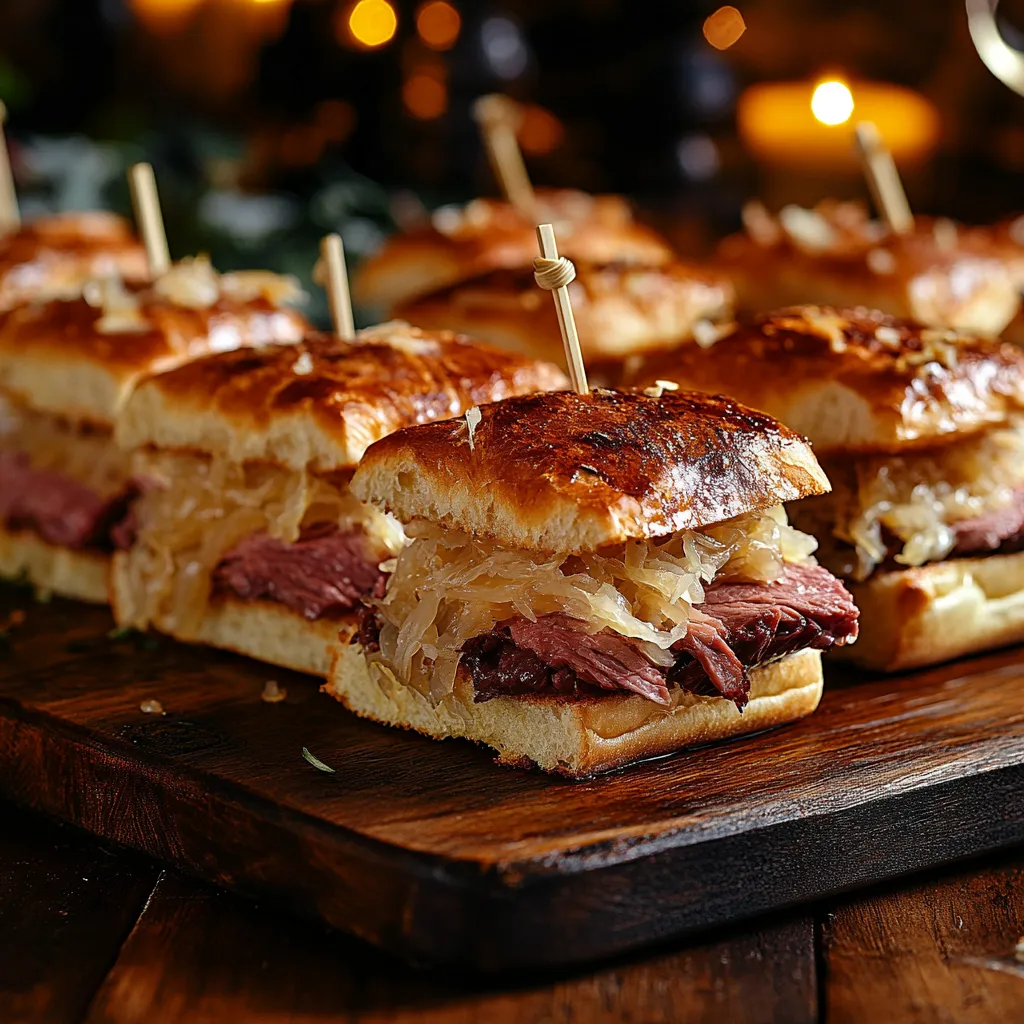
Growing up in sunny Florida, I was surrounded by beach barbecues, seafood boils, and plenty of bold, coastal flavors. But everything changed when I stumbled into the world of sous vide cooking. It didn’t take long before I realized how perfect it was for crafting things like sous vide corned beef sliders—a dish that has now become one of my signature party recipes.
The very first time I made sous vide corned beef sliders, it was for a St. Patrick’s Day get-together. I didn’t want to serve the same old boiled brisket. I wanted something with a fresh twist—bite-sized but hearty, layered with texture, and dripping with flavor. And sous vide gave me exactly that. The low and slow water bath made the corned beef unbelievably tender, locking in juiciness that no oven or slow cooker could match. From the first bite of those sous vide corned beef sliders, I was hooked.
The combo of buttery-soft meat, tangy sauerkraut, gooey Swiss cheese, and Thousand Island dressing on sweet Hawaiian rolls was a flavor bomb. They had that nostalgic Reuben sandwich vibe—but these sous vide corned beef sliders held together better, had more punch, and felt totally party-ready. My friends devoured them, and I found myself making them again and again.
Now, whether it’s game day, a casual backyard party, or just a cozy weekend dinner, sous vide corned beef sliders are always a hit. They’ve become a reliable go-to in my kitchen—not only because they taste incredible, but because they remind me why I fell in love with sous vide cooking in the first place. No other method delivers sliders like these—balanced, juicy, and absolutely unforgettable.
PrintSous Vide Corned Beef Sliders – 7 Steps to Irresistible Party Flavor
Tender sous vide corned beef piled high on soft Hawaiian rolls with sauerkraut, Swiss cheese, and Thousand Island dressing—these sliders are party-perfect and full of flavor.
- Prep Time: 10 minutes
- Cook Time: 25 minutes
- Total Time: 35 minutes
- Yield: 12 sliders 1x
- Category: Appetizer
- Method: Sous Vide + Baked
- Cuisine: American
Ingredients
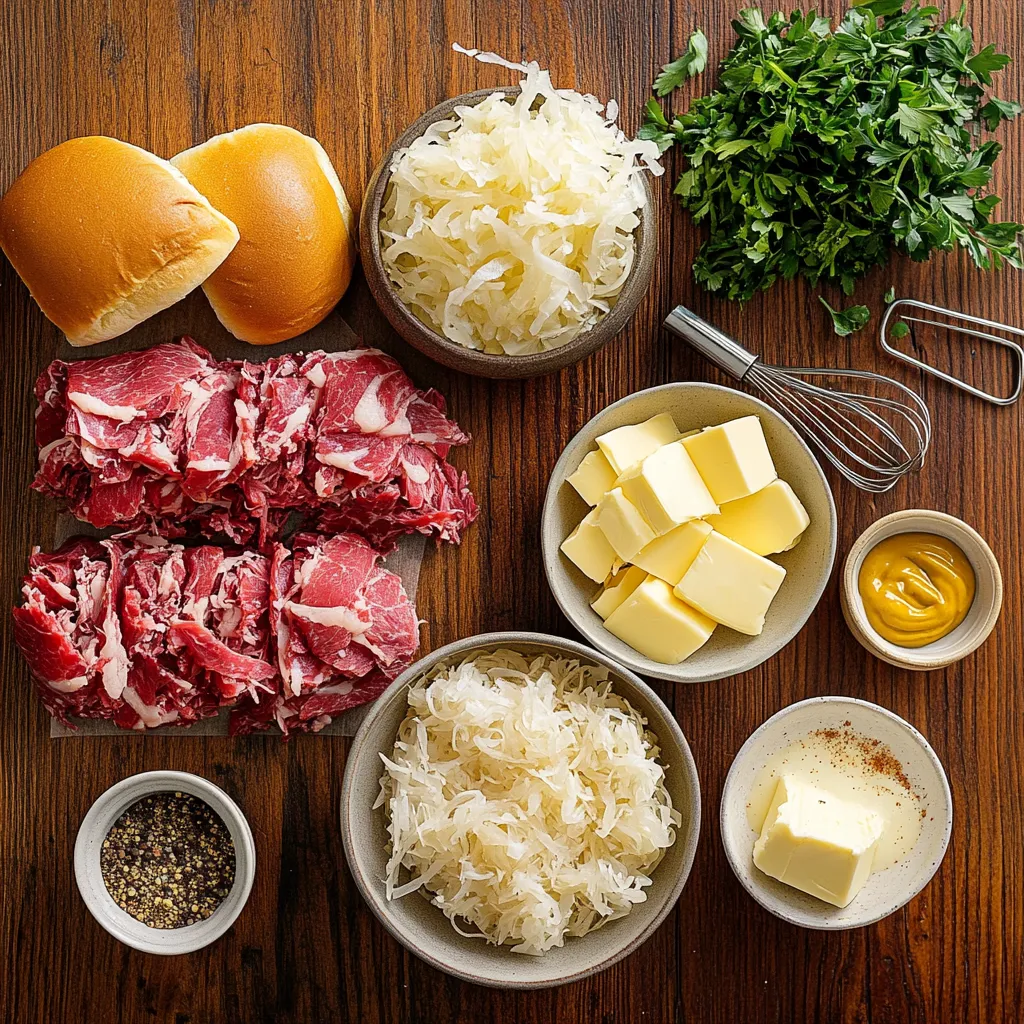
1 package Hawaiian Rolls (12-pack) (*Note 1)
1 lb corned beef, thinly sliced or shredded (*Note 2)
1 cup sauerkraut, drained
6 slices Swiss cheese
½ cup Thousand Island Dressing (homemade or store bought)
¼ cup melted butter
1 tbsp Dijon mustard
1 tsp Worcestershire sauce
¼ tsp garlic powder
¼ tsp onion powder
Instructions
1. Preheat oven to 350°F.
2. Slice Hawaiian rolls in half horizontally and place the bottom half on a baking sheet or dish.
3. Layer corned beef evenly over the bottom half of the rolls.
4. Add sauerkraut, then Swiss cheese slices on top.
5. Spread Thousand Island dressing over the cheese.
6. Cover with the top half of the rolls.
7. In a small bowl, whisk melted butter, Dijon mustard, Worcestershire sauce, garlic powder, and onion powder.
8. Drizzle butter mixture evenly over the tops of the rolls.
9. Cover with foil and bake for 15 minutes.
10. Uncover and bake for another 10 minutes.
11. Optional: brush extra garlic butter on top after baking.
12. Let sliders rest 5 minutes before serving.
Notes
(*Note 1) Do not separate the rolls; slice them as a single unit for easy assembly.
(*Note 2) Corned beef can be cooked sous vide at 175°F for 10–24 hours depending on texture preference.
Sliders can be assembled ahead and baked right before serving.
Nutrition
- Serving Size: 1 slider
- Calories: 310
- Sugar: 4g
- Sodium: 780mg
- Fat: 19g
- Saturated Fat: 9g
- Unsaturated Fat: 9g
- Trans Fat: 0g
- Carbohydrates: 21g
- Fiber: 1g
- Protein: 13g
- Cholesterol: 55mg
Why Sous Vide Works So Well for Corned Beef
Corned beef is one of those meats that can go sideways fast—turning out too tough, too dry, or overwhelmingly salty. That’s exactly why I rely on sous vide for results I can trust every single time. With sous vide corned beef sliders, precision is everything. When you cook corned beef low and slow in a temperature-controlled water bath, you don’t just improve the meat—you transform it. I usually set my sous vide machine to 175°F and let the corned beef soak for 10 hours, which gives me the ideal balance of sliceable yet tender meat. If you’re making sous vide corned beef sliders that are more shredded or melt-in-your-mouth soft, 24 hours is the sweet spot.
This method is also incredibly forgiving, which makes it perfect for both beginners and seasoned cooks. Even if you’re using store-bought, pre-packaged corned beef, it still works beautifully for sous vide corned beef sliders. As long as the packaging is vacuum-sealed and BPA-free, you can drop it straight into the bath. It keeps cleanup easy and locks in all that briny, savory flavor.
And then—there’s the assembly. These sous vide corned beef sliders layer everything you love: rich, slow-cooked beef, melty Swiss cheese, tangy sauerkraut, and creamy Thousand Island dressing, all tucked into soft, buttery Hawaiian rolls. Every component balances the next, hitting you with savory, salty, tangy, and sweet in one perfect bite. Whether it’s for a party, a game-day spread, or just an indulgent dinner, sous vide corned beef sliders are comfort food done smarter. And once you make them, you’ll wonder why you ever did it any other way.
Techniques & Timing for Perfect Corned Beef Sliders
The Best Temperature to Sous Vide Corned Beef
When it comes to sous vide corned beef sliders, it’s not just a “set it and forget it” method—temperature and time play a huge role in the final texture. The beauty of sous vide is that it lets you dial in that sweet spot, especially when your goal is to create sliders that are easy to eat, not falling apart. For sous vide corned beef sliders, you want the beef tender enough to bite cleanly through, but still structured enough to hold its shape between the buns.
Too soft, and the meat turns into stew-style shreds that can overpower the slider. Too firm, and it’s chewy—not what you want. That’s why sous vide corned beef sliders shine when cooked at around 175°F for 10 to 12 hours. This gives you corned beef that slices beautifully, yet stays juicy and flavorful. If you’re aiming for ultra-tender, pull-apart sliders, a longer 18- to 24-hour cook works well too—but always keep the end texture you want in mind.
Getting the texture right is what makes sous vide corned beef sliders feel like a restaurant-quality appetizer or main course. With the sous vide method, you can repeat that perfect result every single time. Whether you’re planning to serve them fresh from the oven or prep ahead for a party, understanding the temperature-time balance is key to slider success.
Here’s a quick guide:
| Temperature | Texture | Cook Time |
|---|---|---|
| 165°F (74°C) | Firm, sliceable | 10–12 hours |
| 175°F (79°C) | Tender, shreddable | 10–24 hours |
Is It Safe to Cook in the Original Packaging?
This is easily one of the most common questions I get when people first try making sous vide corned beef sliders: “Can I cook it right in the original packaging?” The short answer is yes—but only if the label checks out. Most commercial corned beef comes vacuum-sealed in BPA-free plastic, and that’s usually safe for sous vide cooking. These packages are often designed to withstand sous vide temperatures and help lock in flavor, which is perfect when you’re prepping for a big batch of sous vide corned beef sliders.
However, not all packaging is created equal. If the label isn’t clear or there’s a paper insert or sticker inside the bag, it’s safer to transfer the meat into a sous vide–approved bag. You can use a vacuum sealer or even a heavy-duty freezer-grade Ziploc with the water displacement method. It only takes a minute, but it guarantees peace of mind—and optimal flavor retention.
When you’re cooking for a crowd or prepping in advance, this little detail makes all the difference. Safe packaging ensures that the corned beef cooks evenly and safely, setting the stage for sous vide corned beef sliders that are juicy, flavorful, and food-safe. And once you’ve done it once, you’ll never second-guess it again.
Always double-check:
- If the packaging says “cook-in-bag” or “sous vide ready,” you’re good.
- If it looks more like store-wrapped plastic or includes a label inside the bag, transfer it to a new vacuum-sealed bag or Ziploc.
There’s a helpful breakdown here on how to decide when original packaging is OK and when to rebag it.
When in doubt, rebagging takes two minutes—and guarantees flavor, food safety, and confidence in your results.
Once your beef is cooked, you can chill it in an ice bath and refrigerate it for up to 5 days before slicing and building sliders. That’s another beauty of sous vide: you control the timing.
Layering Flavor – The Slider Build That Wows
How to Assemble the Ultimate Corned Beef Slider
Once your corned beef is perfectly cooked sous vide—especially if you’ve gone with a 24-hour version for that ultra-shreddable texture—you’re ready for the best part: building your sous vide corned beef sliders. This is where flavor meets function. Each layer adds something salty, creamy, tangy, or rich, and when combined, it’s a total flavor bomb in slider form.
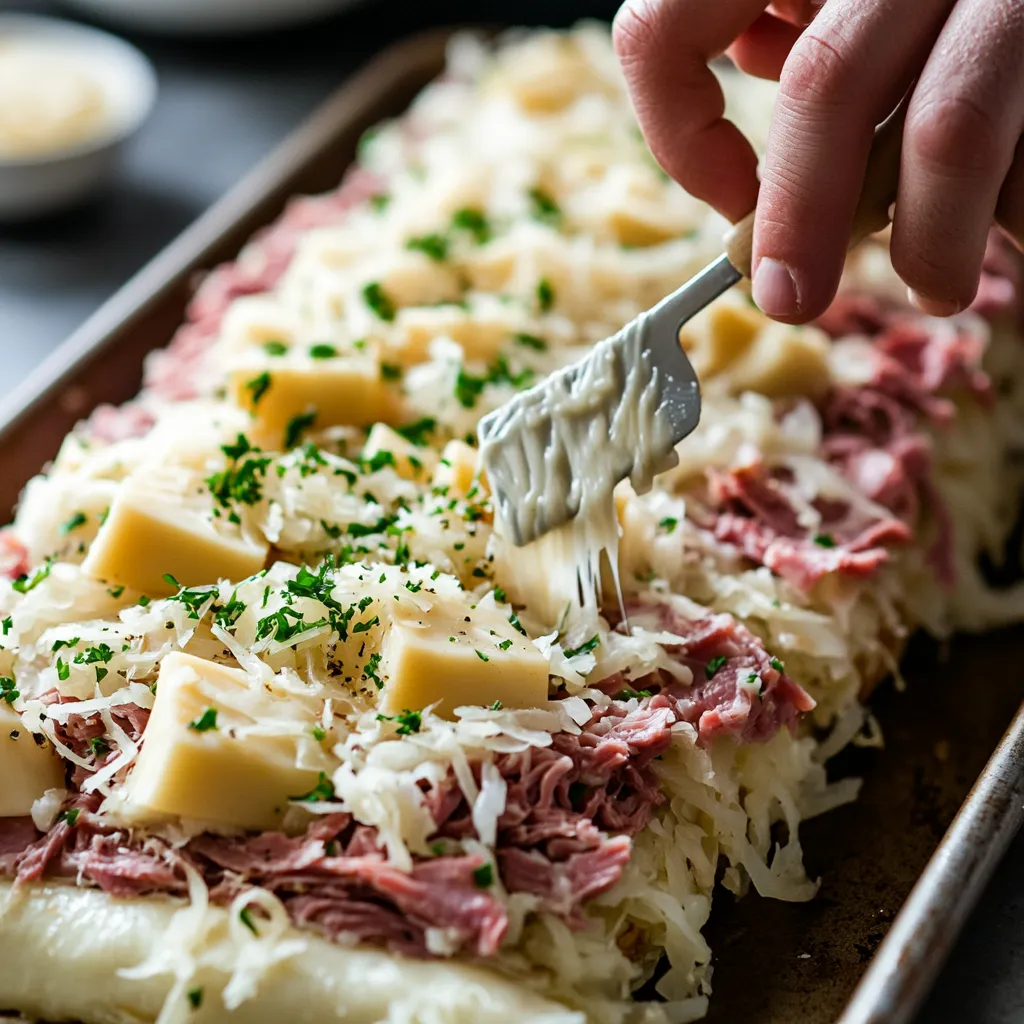
Start with one 12-pack of Hawaiian rolls. A key trick for perfect sous vide corned beef sliders is to not separate the rolls. Keep them as one solid block and slice them horizontally with a serrated knife to create one top layer and one bottom layer. Place the bottom half on a baking sheet or dish—this makes assembly easier and keeps everything together during baking.
This foundation sets the stage for layers of melt-in-your-mouth corned beef, crisp sauerkraut, gooey cheese, and that unmistakable Thousand Island tang. It’s the kind of build that transforms sous vide corned beef sliders into something special—easy to prepare, impossible to resist.
Next, layer evenly:
- 1 lb sous vide corned beef, thinly sliced or shredded
- 1 cup sauerkraut, well-drained (wet kraut = soggy sliders)
- 6 slices of Swiss cheese—cover edge to edge
- ½ cup Thousand Island dressing—spread it over the cheese for max melt
Top it all with the roll tops and press gently. These layers taste just like a Reuben sandwich but bite-sized and party-ready. For extra punch, use the beef recipe from this Reuben-focused post—it’s seasoned perfectly for sandwich-style sliders.
Bake and Brush for That Golden Finish
Now here’s where the magic happens. Whisk together:
- ¼ cup melted butter
- 1 tablespoon Dijon mustard
- 1 teaspoon Worcestershire sauce
- ¼ teaspoon garlic powder
- ¼ teaspoon onion powder
Drizzle that buttery mustard mix generously over the top of your assembled sliders—yes, all of it! It soaks into the rolls, giving your sous vide corned beef sliders that signature golden crust and punch of savory flavor. Once coated, cover the baking dish with foil and bake at 350°F for about 15 minutes. That’s just enough time to get the Swiss cheese perfectly melty and the flavors to start mingling.
After that first bake, remove the foil and let them go uncovered for another 10 minutes. This gives the tops a slight crisp and deepens the browning. If you’ve got any garlic butter left, brush it over the tops for that glossy, bakery-style finish. Let the sous vide corned beef sliders rest for at least 5 minutes out of the oven. This short pause helps the cheese set and makes every bite cleaner—no slipping, no sliding, just perfect handheld goodness.
Serve warm and fresh, or reheat the next day—they hold up beautifully. I’ve even made sous vide corned beef sliders using flat-cut beef that was cooked for 24 hours. It shredded effortlessly and gave the sliders a more rustic, pulled-meat vibe. However you slice—or shred—it, these sliders deliver big flavor with minimal mess and max impact. They’re built to impress and easy to repeat.
Avoiding Mistakes – FAQs About Sous Vide Corned Beef Sliders
Why Some Add Vinegar to Corned Beef
You’ve probably seen old-school recipes—or even your grandma—swear by adding a splash of vinegar to corned beef. And honestly, they’re onto something. It’s not just tradition—it’s chemistry. Vinegar helps balance the salt and fat that’s naturally present in the brisket, giving the meat a bright, tangy lift. That subtle acidity pairs incredibly well with Thousand Island dressing and sauerkraut, which is why it works so perfectly in sous vide corned beef sliders.
But here’s the thing—when you’re using sous vide, skip adding vinegar to the cooking bag. The long cook time combined with acid can start to break down the meat’s structure too much, leaving you with mush instead of that tender-yet-sliceable texture we want for sous vide corned beef sliders.
Instead, bring the tang into the final build: through the kraut, the dressing, or even a drizzle of vinegar-based mustard sauce over the top. That way, you still get the pop of brightness without compromising texture. If you want to explore that acidic balance even further, try a variation inspired by this classic cabbage-style corned beef, which adds vinegary notes through slow-cooked vegetables rather than the meat itself.
This smart layering of acidity is one of the flavor secrets behind truly unforgettable sous vide corned beef sliders.
What Happens If You Sous Vide Too Long?
Sous vide is forgiving—but yes, there is such a thing as “too long.” If you keep corned beef in the bath beyond 24 hours at 175°F, it can become too soft or mealy, losing that satisfying slider-friendly texture.
The sweet spot? Stick to 10–12 hours if you want clean slices. Want shreddable? Push to 18–24 hours max. Any longer, and you’re into hash territory.
For a comparison, check out the difference in this best-ever corned beef recipe that uses brining and longer cook times for special occasions.
When prepping ahead, chill your cooked meat in an ice bath, store in the fridge (up to 5 days), then reheat gently sous vide or slice cold before baking into sliders.
These mini sandwiches don’t just satisfy—they teach you a lot about timing, texture, and layering flavors like a pro. And the beauty is, you can always adjust and riff using different brisket cuts or even swap in pastrami-style seasoning for a spicy twist.

Conclusion
These sous vide corned beef sliders prove that bold flavor doesn’t have to be complicated. With juicy, slow-cooked corned beef, tangy sauerkraut, melty Swiss, and a golden butter-brushed roll, each bite delivers a punch of comfort and nostalgia. Whether you’re making a game-day platter, a weeknight treat, or feeding a crowd, this recipe is endlessly flexible and 100% reliable.
Sous vide lets you prep ahead and control the texture with total confidence—no dryness, no guesswork, just amazing results. The sliders hold beautifully, reheat like a dream, and even work cold in lunchboxes. From my kitchen to yours, enjoy every melty, messy, delicious bite.
Join us on Facebook and Pinterest for even more delicious recipe ideas!
FAQs
Can I sous vide corned beef in original packaging?
Yes, many store-packaged corned beef options come vacuum-sealed in sous vide–safe plastic. Always check for BPA-free labeling and avoid paper or labeled inserts. If in doubt, rebag into a Ziploc freezer bag or use a vacuum sealer.
Why do people put vinegar on corned beef?
Vinegar helps balance the salt and fat in corned beef, adding a tangy note that pairs especially well with kraut and cheese. In sous vide cooking, it’s best to add acidic elements after cooking—not in the bag.
What temperature to sous vide beef?
For corned beef sliders, 165°F for 10–12 hours yields firm, sliceable meat. For shreddable texture, go with 175°F for 18–24 hours. Texture depends more on time than temperature in sous vide cooking.
At what temperature should corned beef be cooked?
Traditionally, it’s simmered to an internal temp of 190–200°F, but sous vide allows precise control. 175°F sous vide mimics this result but without drying the meat or risking overcooking.
Are Ziploc bags safe for sous vide?
Yes—as long as you use BPA-free, freezer-grade Ziploc bags and the water temperature stays below 180°F. Use the displacement method to remove air and avoid boiling or high-heat applications.
What happens if you sous vide beef too long?
Beef will get overly soft and lose structure, turning mushy or stringy. For corned beef, stick to under 24 hours at 175°F to maintain texture. Longer cooks are fine for pulled-style results.
Is it safe to sous vide in original packaging?
If it’s vacuum-sealed, BPA-free, and food-safe, yes. Avoid any packaging with paper labels or unknown plastics. When in doubt, transfer the meat to your own sous vide-safe bag for safety and peace of mind.