
➤ Table of Contents
The first time I made sous vide chicken wings, I was just trying to avoid another batch of dry, overcooked party wings. Growing up in Florida, we always tossed wings into the oven or fryer and hoped for the best—crispy outside, maybe, but often stringy or underdone inside. It worked well enough for late-night snacks, but it wasn’t until I started experimenting with sous vide that I realized wings could be so much more.
I sealed up a few pounds of wings with salt and dropped them into a 165°F water bath for an hour. After drying them overnight and hitting them with a quick fry, I tasted a wing that was juicy, tender, and crackly on the outside—everything I didn’t even know I was missing. The contrast between the soft interior and crispy skin was addicting. Even better? The process was stress-free, scalable, and shockingly consistent.
Now, I keep a stash of sous vide chicken wings in the fridge for quick weeknight snacks or easy entertaining. They reheat like a dream and can go from fridge to fryer in minutes. Whether I toss them in Buffalo, barbecue, or a sticky Korean glaze, the base texture stays perfect.
I’ve used this same technique in recipes like my sous vide BBQ chicken and sous vide garlic chicken thighs, and it proves the power of sous vide every time.
Sous vide chicken wings don’t just match restaurant quality—they beat it. And if you’ve ever had rubbery or dry wings at home, this method will blow your mind.
Wings are a must at game nights, backyard barbecues, and comfort-food dinners—but traditional cooking methods often leave them dry or greasy. That all changed for me when I discovered sous vide chicken wings. With precise temperature control, I get juicy meat that pulls off the bone cleanly and skin that crisps up beautifully with just a quick fry. In this guide, you’ll learn how to sous vide wings for perfect texture, flavor, and crunch. We’ll cover time, temp, finishing tips, and everything in between. Whether you’re serving a crowd or just craving better wings, this method is a total game-changer.
What really surprised me was the versatility. Once you’ve cooked and chilled the wings, you can finish them in a deep fryer, under the broiler, or even in an air fryer—whatever fits your setup. I’ve made big batches for football Sundays and also thrown together a half-portion just for myself on a random Wednesday. It scales effortlessly.
Even the sauces hit differently when the wings are this well-cooked. The skin grabs onto sticky glazes like a magnet, and you don’t need to drown the wings to make them flavorful. A quick toss is all it takes. And the best part? You can prep them days ahead. When guests show up, you’re just 5 minutes away from serving the best wings they’ve ever had. That kind of confidence in your cooking is priceless.
PrintSous Vide Chicken Wings
Juicy inside, crispy outside—these sous vide chicken wings are your new party go-to. Perfect every time with bold flavor and no guesswork.
- Prep Time: 10 minutes
- Cook Time: 2 hours
- Total Time: 2 hours 10 minutes
- Yield: 6 servings 1x
- Category: Appetizer
- Method: Sous Vide
- Cuisine: American
Ingredients
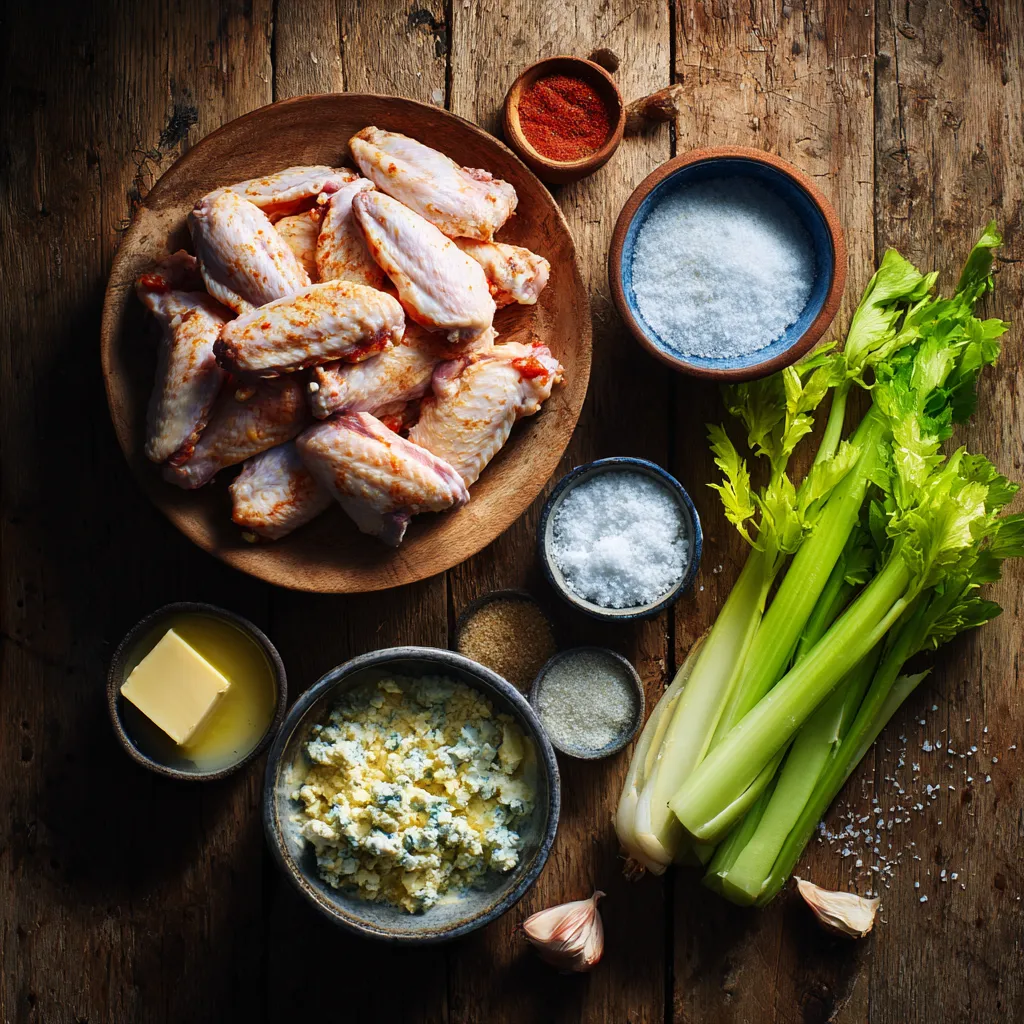
4 pounds chicken wings (drumettes and flats)
Kosher salt
8 tablespoons unsalted butter
1 cup Frank’s RedHot sauce
3 quarts peanut or canola oil
Blue cheese dressing
Celery sticks
Instructions
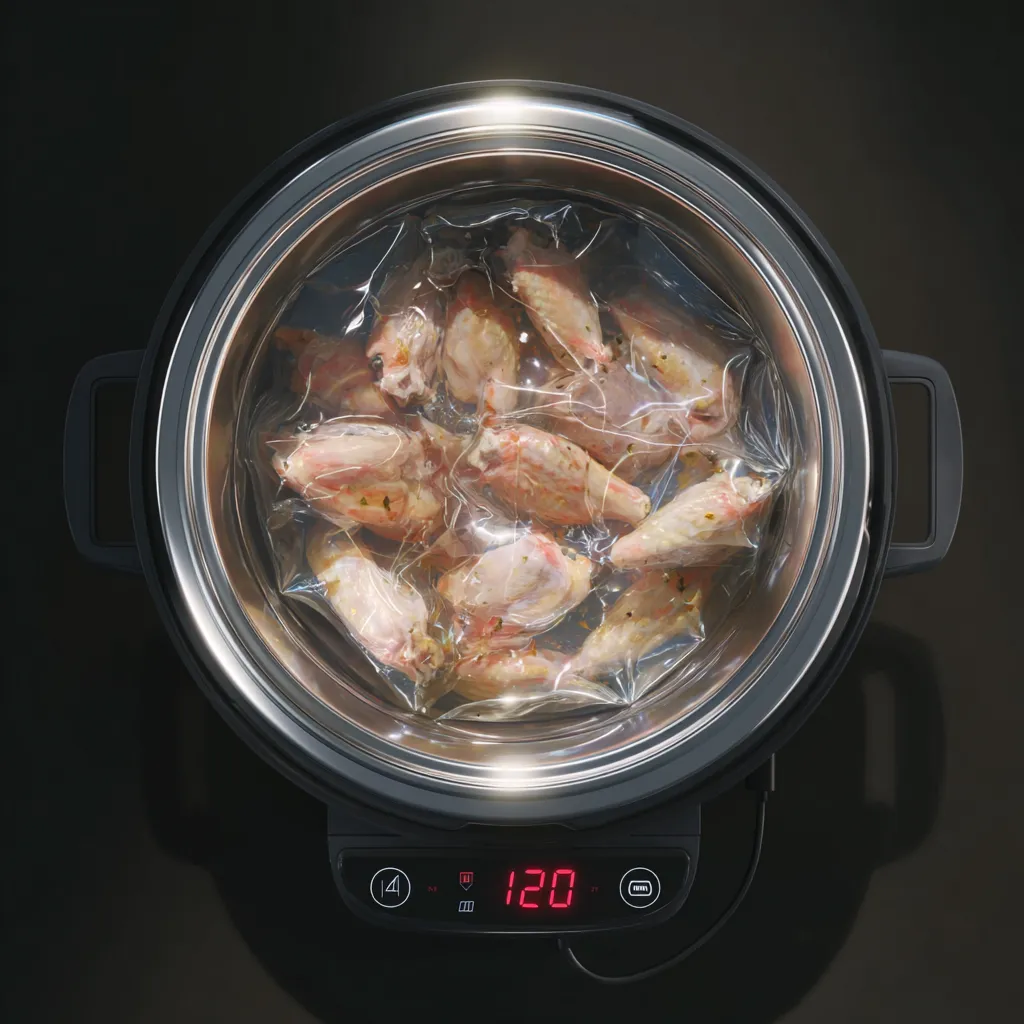
1. Set immersion circulator to 160°F (fall-off-the-bone) or 165°F (tender with bite).
2. Season wings with salt, seal in bags, and sous vide for 1–2 hours depending on temperature.
3. Remove wings, pat dry, and refrigerate uncovered on a wire rack for 8 hours (or up to 2 days).
4. In saucepan, melt butter with hot sauce. Set aside in large bowl.
5. Heat oil to 400°F in a Dutch oven or wok. Fry wings in batches for 3 minutes until crispy.
6. Toss wings in hot sauce and serve with celery and blue cheese dressing.
Notes
Make ahead: You can sous vide and refrigerate wings up to 2 days before finishing.
Alternate finishing methods: Broil or air fry instead of deep frying if preferred.
Nutrition
- Serving Size: 6 wings
- Calories: 420
- Sugar: 0g
- Sodium: 860mg
- Fat: 30g
- Saturated Fat: 12g
- Unsaturated Fat: 14g
- Trans Fat: 0g
- Carbohydrates: 2g
- Fiber: 0g
- Protein: 35g
- Cholesterol: 110mg
Time and Temperature for Perfect Sous Vide Chicken Wings
Choosing the Right Temperature: Fall-Off-the-Bone vs. Tender and Juicy
When it comes to sous vide chicken wings, your texture depends entirely on temperature. For fall-off-the-bone wings that are ultra-soft and rich, set your circulator to 160°F (71°C) and cook them for 2 hours. Prefer a little spring in your bite with juicy, tender meat? Go with 165°F (74°C) for 1 hour. Both produce amazing results, but it comes down to your style.
At 160°F, the collagen in the wings breaks down slowly, giving you that classic pulled-meat texture. They’re ideal for tossing in bold sauces like Buffalo or sweet chili, where you want the meat to soak up every drop. The longer cook gives you a deeper, more succulent flavor and a wing that melts as you bite into it.
For a meatier bite, 165°F is the sweet spot. The wings hold their shape better and feel more like classic fried wings—but without any dryness. I use this setting when I want that crowd-pleasing, bar-style texture that still feels indulgent.
Not sure which to choose? Try both and see which your crowd prefers. I usually prep a double batch—half at 160°F, half at 165°F—and label them before frying. Either way, you’re locking in flavor and ensuring even cooking from edge to bone.
One of the most exciting things about sous vide chicken wings is how customizable the final product can be. After the initial cook, you can chill and refrigerate the wings for up to 48 hours, making it easy to prep ahead for parties or meal planning. When it’s time to serve, simply crisp them in a deep fryer, broiler, or air fryer—each method brings something unique to the finish. Frying delivers the crunchiest results, while air frying gives a lighter, leaner texture. Even the broiler can produce great color and crisping if you watch it closely.
Another key advantage of sous vide is how precise it makes your workflow. No more standing over a fryer wondering if the wings are cooked through. With sous vide chicken wings, you already know they’re safe, juicy, and perfectly tender. Your only job is to finish them how you like.
This temperature control also helps you better match flavors to texture. Want sticky teriyaki wings that practically fall apart? Go 160°F. Want Korean-style wings with a bit of bite? Stick with 165°F and double-fry for extra crunch. Because sous vide provides such consistent baseline cooking, it gives you the freedom to experiment on top of a reliable foundation.
Prep Tips for Better Texture and Flavor
Before sealing your bags, generously season the wings with kosher salt. If you want extra flavor, feel free to add a pinch of smoked paprika or garlic powder—but avoid any sugar-based marinades at this stage. That comes later.
Vacuum seal or use the water displacement method, and you’re ready to cook. After your set time, remove the wings, discard the liquid, and pat them completely dry to prepare them for finishing. For more step-by-step guidance on sealing and preparation, check out my sous vide chicken breast meal prep guide.
Crispy Finishing, Flavorful Sauces & Serving Ideas
How to Get Crispy Skin After Sous Vide
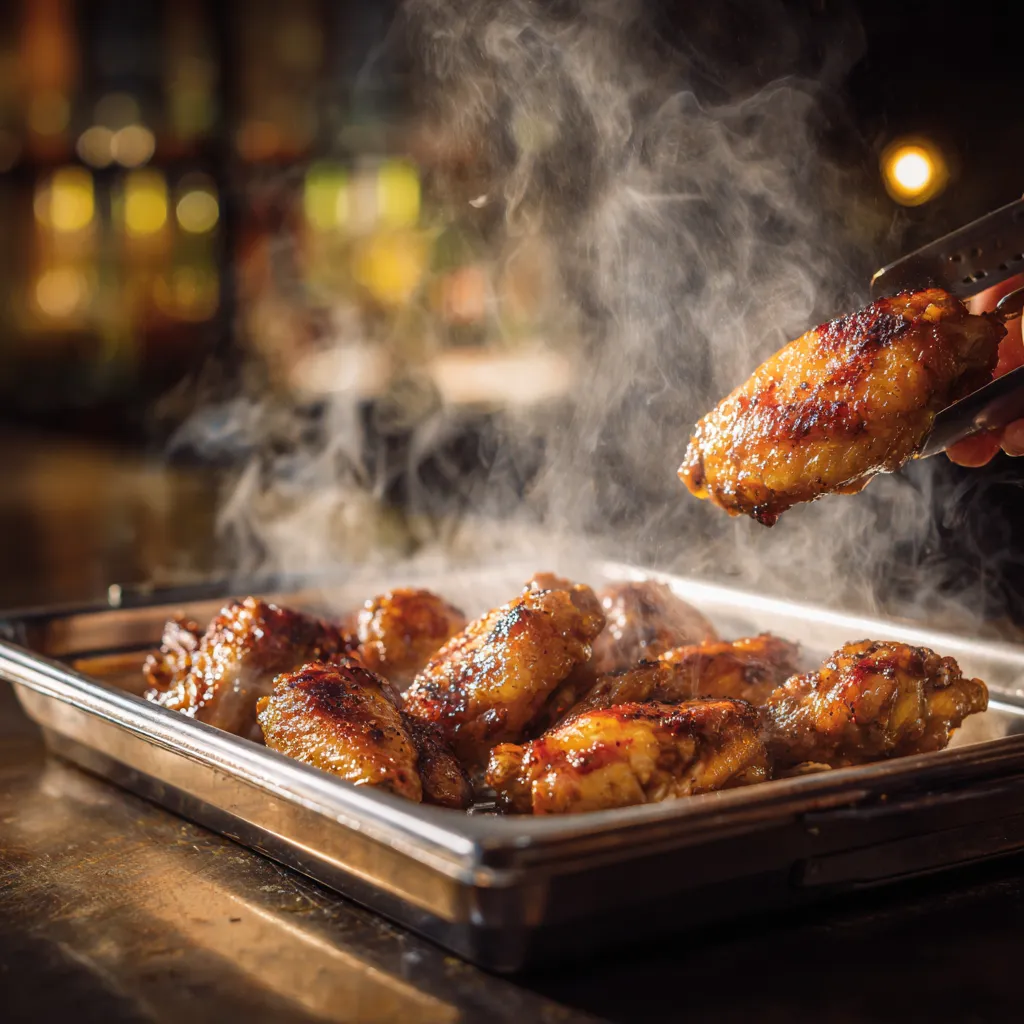
Sous vide delivers juicy, evenly cooked chicken—but what really sets sous vide chicken wings apart is how you finish them. After cooking and drying your wings, you’ll need high heat to crisp the skin. The best method? Deep frying at 375°F to 400°F (190–205°C) for about 3 minutes per batch.
Here’s why it works: the skin has already rendered a lot of fat during the sous vide bath, so a brief fry creates a golden, blistered crust without overcooking the meat. Use a spider or slotted spoon to scoop the wings from the oil and drain them on paper towels. Work in small batches to keep the oil hot, and you’ll get crispy, crackling skin every time.
No deep fryer? You can also finish sous vide chicken wings in a convection oven or under the broiler—just brush them with a little oil and roast at 475°F for 10–15 minutes, flipping once. For even crispier results, refrigerate the wings uncovered for at least 8 hours after sous vide; this helps dry out the skin before you fry or roast.
If you’re short on time or avoiding extra oil, air frying is another great method. Preheat your air fryer to 400°F, lightly mist the wings with oil spray, and cook for 6–8 minutes, flipping halfway through. This method delivers surprisingly crispy skin while keeping the interior juicy. It’s a great option when you want crisp without the cleanup.
Timing and technique matter most at this stage. Make sure your wings are completely dry—any moisture on the skin will steam instead of sear, preventing proper crisping. If you’re using a wet sauce like Buffalo or teriyaki, apply it after the wings are fried or broiled. This keeps the skin crispy and the sauce sticky rather than soggy.
Finishing your sous vide chicken wings properly is what transforms them from good to unforgettable. It’s that last 5% effort that delivers 100% satisfaction. Whether you’re using traditional frying, oven roasting, or an air fryer, the key is dry skin, high heat, and quick cooking.
Still unsure which method to try first? I recommend starting with the fryer for maximum crunch, then testing the oven or air fryer for weeknight ease. No matter how you finish them, the results will beat any batch of wings you’ve made before—and your guests will know you’ve nailed the technique.
Best Sauces and How to Toss Them
Once the wings are hot and crispy, it’s time to sauce them up. For classic heat, melt a stick of butter with 1 cup of Frank’s RedHot over low heat, then toss your wings in a big bowl until fully coated. I’ve used the same sauce on my sous vide BBQ drumsticks, and it never fails.
Prefer something different? Try garlic-parmesan, honey mustard, or even gochujang for a Korean-style wing. Just make sure the sauce is warm before tossing so it coats evenly.
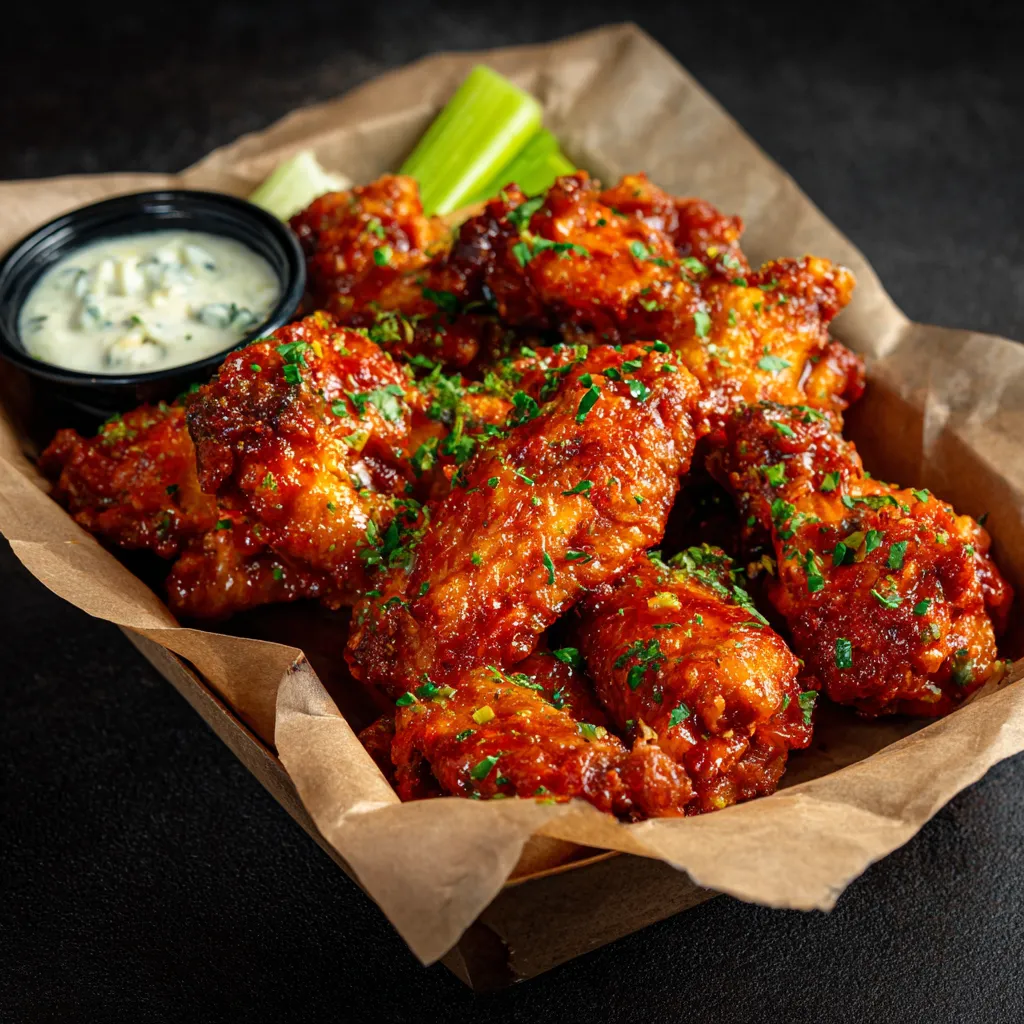
Serve your wings immediately with blue cheese dressing, celery sticks, and cold drinks. Whether for game day or just a fun dinner, sous vide chicken wings guarantee crispy, flavorful results every time.
Storage, Reheating & Expert FAQs About Sous Vide Chicken Wings
How to Store, Chill & Reheat Sous Vide Chicken Wings for Best Results
One of the most useful things about sous vide chicken wings is how well they fit into real life. Whether you’re planning ahead for a party or meal prepping for the week, these wings are incredibly flexible and forgiving.
After sous vide cooking, you can take two paths: finish them immediately, or chill and store for later. If you’re not ready to fry or broil right away, the best method is to chill the wings uncovered on a wire rack set over a baking sheet, then place them in the fridge. This step helps dry out the skin, which leads to even crispier results when you’re ready to finish. Refrigerate for at least 8 hours, or up to 2 days safely.
If you’ve already finished your sous vide chicken wings with frying or oven-crisping, leftover wings can be stored in an airtight container in the refrigerator for up to 4 days. To reheat, skip the microwave—it softens the skin and ruins the texture. Instead, reheat them in a 400°F oven or air fryer for 5 to 7 minutes. You’ll restore that crisp exterior while keeping the interior juicy.
Want to go long-term? Fully cooked wings can be frozen for up to 2 months. Just lay them flat on a baking sheet to freeze individually, then transfer to a freezer-safe bag. Reheat from frozen at 425°F for 12–15 minutes to bring them back to crispy perfection.
Conclusion: Why Sous Vide Chicken Wings Are a Total Game-Changer
If you’ve been settling for overcooked or uneven wings, it’s time to level up with sous vide chicken wings. This method takes all the guesswork out of cooking, giving you complete control over texture and doneness—whether you want fall-off-the-bone or juicy and tender. No more rubbery bites. No more dry meat. Just perfectly cooked wings every time.
What makes this process unbeatable is the flexibility. Cook them in advance, crisp them when you’re ready, and toss them in your favorite sauces without rushing. Whether you’re prepping for a party, game night, or a week of quick meals, these wings deliver bold flavor with minimal stress.
From my Florida backyard to your kitchen, sous vide chicken wings have changed how I cook—and I’m confident they’ll change how you do, too. Combine the magic of precision cooking with a final crisping step, and you’ve got restaurant-quality wings at home with no mess, no stress, and full flavor.
Try it once, and you’ll never go back to oven-only wings or over-fried batches again. This is wing perfection, done your way.
Join us on Facebook and Pinterest for even more delicious recipe ideas!
FAQs
How long do you sous vide wings?
You can sous vide chicken wings at 160°F (71°C) for 2 hours for fall-apart tenderness or 165°F (74°C) for 1 hour if you prefer a meatier texture. Both deliver juicy and fully cooked wings ready for crisping.
Is it worth sous vide chicken wings?
Absolutely. Sous vide chicken wings give you consistent doneness, juicy interiors, and crispy exteriors with less effort. The results often surpass traditional fried or baked wings.
Can I sous vide chicken at 145?
You can sous vide chicken breast at 145°F, but chicken wings require higher temperatures like 160°F or 165°F due to their connective tissue. Lower temps may result in a rubbery or chewy texture.
Why is my sous vide chicken rubbery?
Rubbery wings usually indicate undercooking or an incorrect temperature. Make sure you’re cooking wings at 160°F–165°F and crisping them properly after drying for best texture.
Is 40 minutes long enough to cook chicken wings?
No. Forty minutes isn’t enough time for wings to become safe or tender. You should sous vide wings for at least 1 hour at 165°F or 2 hours at 160°F to get ideal results.
Can you sous vide chicken for too long?
Yes. While sous vide is forgiving, overcooking past 3 hours at 165°F can make wings mushy. Stick to the recommended time ranges to maintain ideal texture and flavor.
How long for chicken wings at 180 degrees?
At 180°F, chicken wings become extremely tender in 45–60 minutes, but may lose some structure. It’s best to reserve higher temps for pulled textures or braised-style wings.