
➤ Table of Contents
Chicken breast has a reputation for being bland or, worse, bone-dry. Even with brining, baking, or grilling, it’s easy to overshoot the perfect doneness. That’s because high heat cooks the exterior far faster than the center. Sous vide chicken breast eliminates that guesswork by cooking the entire piece evenly, from edge to core. You’re not hoping for the right texture—you’re dialing it in. And it’s not just for chefs anymore. Home cooks can use a simple immersion circulator and zipper-lock bags to get five-star results at home.
After trying zero-stress sous vide steak, I wondered: could I get the same melt-in-your-mouth precision with chicken breast? Turns out, yes—and then some.
Here’s the beauty of sous vide chicken breast: you cook to temperature, not time. That means your chicken hits the exact internal doneness you want—every single time. No more cutting in to “check,” no more dry bites near the edges. Set your water bath to 145°F for silky, tender chicken, or go up to 150°F for a firmer, sliceable texture.
Plus, the skin stays intact for finishing in a hot skillet or on the grill. You can add herbs, citrus, or even a touch of garlic butter to infuse it during the cook. Like sous vide ground beef stuffed peppers, the flavor payoff is huge, and the prep is low-effort.
What really sets sous vide chicken breast apart is its versatility. Once cooked, you can serve it hot with sauces like chimichurri, vinaigrettes, or classic pan gravies. Or chill it, slice it thin, and layer it into sandwiches, salads, or wraps for lunch-ready meals throughout the week. It’s the kind of protein that adapts to whatever’s in your fridge without ever tasting like an afterthought.
Another benefit? It’s incredibly forgiving. Whether you forget it in the bath for an extra hour or get sidetracked during prep, your chicken still turns out beautifully. That’s because the sous vide method keeps the meat in a thermal sweet spot, avoiding the risk of overcooking. It’s no wonder many pros say sous vide chicken breast is one of the best ways to learn sous vide—it teaches precision without punishment.
Even more, you can scale it easily. Cooking for one? Toss in a single bag. Prepping for a crowd? Double or triple your batch with the same time and temperature. That’s a level of flexibility most traditional cooking methods just can’t match. And with tools like vacuum sealers or BPA-free Ziploc bags, cleanup is a breeze.
So whether you’re aiming to meal prep, feed picky eaters, or impress dinner guests, sous vide chicken breast gives you a dependable base every time. You’ll never look at baked or grilled chicken the same way again.
PrintSous Vide Chicken Breast

Sous vide chicken breast is the foolproof way to get juicy, perfectly cooked chicken every single time. Learn how to seal, cook, and sear like a pro.
- Prep Time: 10 minutes
- Cook Time: 2 hours
- Total Time: 2 hours 10 minutes
- Yield: 2 servings 1x
- Category: Dinner
- Method: Sous Vide
- Cuisine: American
Ingredients
2 bone-in, skin-on chicken breast halves
Kosher salt and freshly ground black pepper
4 sprigs thyme or rosemary (optional)
Instructions
1. Preheat a water bath to desired final temperature using a sous vide cooker. 145°F for juicy, 150°F for firmer texture.
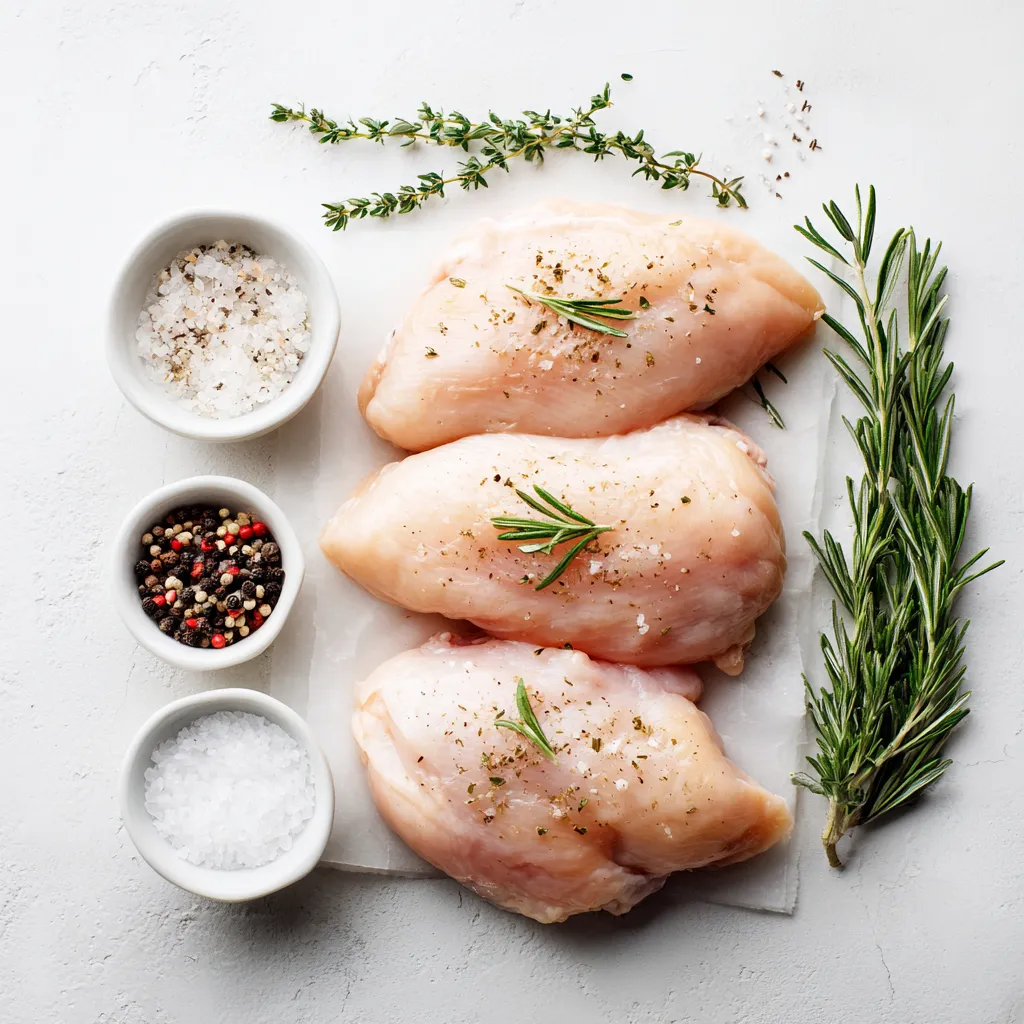
2. Season chicken generously with salt and pepper. Add herbs if desired.
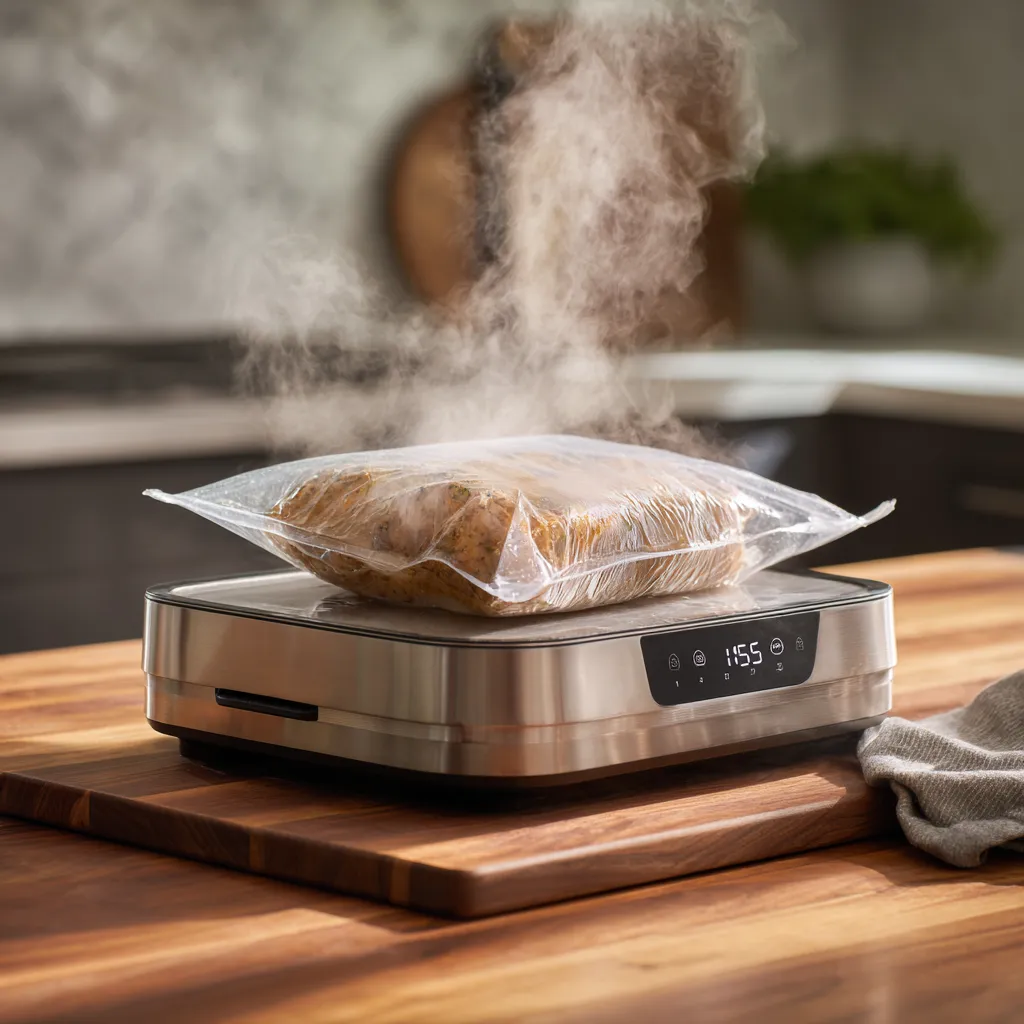
3. Place chicken in zipper-lock or vacuum-seal bags. Use water displacement method or vacuum sealer to seal.
4. Place sealed chicken in the preheated water bath and cook for 1.5 to 4 hours at 145°F, or 1 to 2.5 hours at 150°F.
5. Remove chicken, pat dry, then sear skin-side down in a hot pan or finish on the grill. Rest before slicing and serve.
Notes
You can finish the chicken on a grill for a smoky flavor, or pan-sear for crispier skin.
Great for meal prep and works well with salads, sandwiches, or sauces.
Nutrition
- Serving Size: 1 chicken breast
- Calories: 285
- Sugar: 0g
- Sodium: 650mg
- Fat: 14g
- Saturated Fat: 4g
- Unsaturated Fat: 8g
- Trans Fat: 0g
- Carbohydrates: 0g
- Fiber: 0g
- Protein: 36g
- Cholesterol: 120mg
How to Cook Sous Vide Chicken Breast Like a Pro
Prep, Seasoning, and Bagging Made Easy
To get started with sous vide chicken breast, all you need is your precision cooker, a large pot or container, and either vacuum-seal or freezer-grade zipper bags. Season your bone-in, skin-on breasts generously with kosher salt and cracked black pepper. You can also tuck in aromatics like rosemary or thyme for that extra depth of flavor.
Once seasoned, place each breast in its own bag. If you’re using a vacuum sealer, follow your machine’s instructions. For zipper-lock bags, use the water displacement method: lower the bag into the water slowly, pressing air out as the water rises around the bag. Just before the seal line hits the surface, zip it shut. It’s an easy trick that also works perfectly for sous vide ground beef lettuce wraps.
If you’ve never tried the water displacement method before, here’s a quick tip: fold the zipper bag’s top inch outward before filling to keep the seal area clean and dry. That helps you get a better closure later. And be sure your bag is fully submerged without blocking your circulator’s flow—good water circulation is key for even cooking. If needed, use a rack or clip to keep the bag in place and prevent floating.
Depending on your setup, you might want to cover your container with plastic wrap, foil, or a silicone lid to minimize water loss during longer cooks. This is especially helpful if you’re preparing multiple bags at once or batch-cooking for the week. Just like when I prep 18hr sous vide corned beef, using the right container setup can make or break your efficiency.
The beauty of this prep process is that it’s low-stress and repeatable. Once your chicken is sealed and submerged, the circulator takes over. There’s no babysitting, no flipping, and no worrying about hot spots or uneven cooking. That consistency is what makes sous vide chicken breast such a dependable staple in my kitchen—and why it’s perfect for both beginners and seasoned home cooks alike.
Cooking Times, Temperatures, and Texture Goals
The sweet spot for sous vide chicken breast lies between 140°F and 150°F. Want ultra-juicy results? Go for 145°F and cook for 1.5 to 4 hours. Prefer a firmer, more traditional texture? Try 150°F for 1 to 2.5 hours. These ranges let you control texture without risking overcooking.
What makes this so powerful is that you’re not just aiming for “done”—you’re tailoring the end result. At 140°F, the chicken is exceptionally soft and silky, almost like poached meat with a luxurious mouthfeel. At 145°F, it firms up just enough while still staying juicy throughout. And at 150°F, you’ll get that slightly springier texture that feels more like classic roast chicken—perfect for slicing into salads, sandwiches, or wraps.
The best part? You won’t lose moisture even at the higher end. That’s because sous vide uses low, consistent heat that never exceeds your target temperature. No matter how long you leave the chicken in (within the recommended range), you’ll get a safe and perfectly cooked result. It’s nearly impossible to mess up—and that’s why even pro chefs use this technique in busy kitchens.
Time and temperature flexibility is especially useful if you’re cooking other proteins at the same time. For example, you can pair chicken with cuts like sous vide steak sirloin by overlapping cook times and adjusting finish methods. With sous vide, it’s less about rigid rules and more about precision and confidence.
If you’re new to sous vide, 145°F is the sweet introduction point—easy to remember, widely loved for texture, and incredibly forgiving. Once you’ve got that baseline, experimenting becomes the fun part. You’ll know what to expect and how to tweak things to match your preferences or dish goals. That kind of control is exactly why sous vide chicken breast has become a favorite among everyday home cooks and culinary enthusiasts alike.
Here’s a quick reference table to guide your decision:
| Temperature | Time Range | Result |
|---|---|---|
| 140°F / 60°C | 1.5–4 hours | Super tender and very juicy |
| 145°F / 62.8°C | 1.5–4 hours | Silky and perfectly cooked |
| 150°F / 65.6°C | 1–2.5 hours | Firm, juicy, and sliceable |
These temperature ranges apply not only to chicken breast but can also inform cooking decisions for proteins like sous vide steak with cowboy butter if you’re building a full meal.
How to Sear, Grill, and Serve Sous Vide Chicken Breast
The Perfect Sear for Crispy, Golden Skin
Once your sous vide chicken breast is cooked to perfection, it’s time to add the finishing touch: a sear that brings out flavor and texture. After removing the chicken from the water bath, discard any herbs and pat the skin completely dry with paper towels. Moisture is your enemy here—it’ll prevent proper browning.
Heat a cast iron or stainless steel skillet over medium-high heat. When the oil is shimmering, gently place the chicken in skin side down. Use a flexible spatula to press it flat for maximum contact. After about 2 minutes, the skin should be beautifully golden and crisp. Let it rest briefly, then remove the bones and slice to serve.
This final sear step is quick but critical—it’s what elevates sous vide chicken breast from “good” to “gourmet.” It’s the same technique used in recipes like sous vide sirloin steak, where texture is everything.
To really nail the finish, use a high smoke point oil like avocado, grapeseed, or canola. Avoid butter at this stage—it burns too easily at high heat. If you want that buttery flavor, add it at the end of the sear, just before removing the chicken. And remember: don’t overcrowd the pan. Give each breast room to crisp without steaming.
For extra-crackly skin, some pros recommend scoring the skin lightly before the sous vide cook, which renders more fat and promotes better browning later. You can also press the chicken skin side down with a small saucepan or weight to maximize contact with the pan’s surface.
Want to take it up another notch? Add fresh thyme or crushed garlic to the pan during the last 30 seconds of searing for a quick infusion of flavor. Just like in sous vide steak with cowboy butter, aromatics can elevate the finish without much effort.
Once seared, let your chicken rest for a few minutes before slicing. This allows the juices to redistribute evenly and gives the skin time to set, ensuring the perfect bite from edge to center.
Grilling for Extra Char and Flavor
Prefer that grilled finish? It’s just as easy with sous vide chicken breast. Once the sous vide chicken breast is out of the bath and patted dry, place it skin-side down on a hot, well-oiled grill. Give the sous vide chicken breast a few minutes for those signature grill marks, then rotate slightly to crosshatch. Two minutes later, you’ve got crispy skin and deep flavor from the open flame that complements the juicy interior of your sous vide chicken breast.
This method is fantastic for summer cookouts and works well for skin-on versions of other proteins. Like 18hr sous vide corned beef, sous vide chicken breast benefits from contrast—tender inside, charred and crisp outside.
Gas grills are ideal for finishing sous vide chicken breast—just heat one side to medium-high and leave the other cooler for indirect cooking. If you’re using charcoal, let the coals ash over and push them to one side. This creates a two-zone system to give your sous vide chicken breast a crisp finish without overcooking. Keep the lid open during grilling so your sous vide chicken breast sears without trapping steam.
Brushing the sous vide chicken breast skin with oil before placing it on the grill helps prevent sticking. Also, clean and oil the grates ahead of time. Nothing ruins a beautiful sous vide chicken breast sear faster than sticky grates.
Want more flavor? Brush your sous vide chicken breast with honey mustard or herb butter during the last minute of grilling. That quick glaze adds a caramelized finish without burning.
Let your sous vide chicken breast rest for a couple of minutes before slicing. This allows the juices to settle evenly. Whether served with grilled veggies, tossed into salads, or featured as the main dish, grilled sous vide chicken breast delivers unbeatable smoky flavor and foolproof sous vide precision.

Storing, Reheating, and Using Sous Vide Chicken Breast
Safe Storage and Reheating Without Drying Out
One of the perks of sous vide chicken breast is how well it holds up for meal prep. Once cooked and cooled, you can store it in its sealed bag (if unopened) in the refrigerator for up to 5 days. For longer storage, transfer to the freezer—just make sure it’s vacuum-sealed or tightly wrapped to prevent freezer burn.
To reheat without losing that perfect texture, drop the chicken (still sealed) back into a water bath at 130°F (54.4°C) for about 30 minutes. This keeps it juicy and prevents it from drying out, unlike microwaving or oven-reheating.
If you’ve already opened the bag, reheat gently in a covered skillet with a splash of broth or olive oil. This also works well for shredded versions, much like reheating leftovers from how to sous vide beef stew meat.
Delicious Ways to Use Leftover Sous Vide Chicken Breast
Because sous vide chicken breast is so versatile, you can use it hot or cold, sliced or shredded, in dozens of dishes. Think grain bowls, tacos, sandwiches, or atop Caesar salads. Its clean, consistent cook makes it ideal for cold chicken salads—just like those you might build using leftover sous vide steak with cowboy butter.
You can even dice it into pasta, fold it into quesadillas, or meal prep it in bento boxes with rice and veggies. The meat stays juicy, even days later. Best of all, every piece is cooked exactly right. That’s what makes sous vide chicken breast such a smart, reliable choice for busy weeks.
Conclusion
If you’ve ever struggled with dry, overcooked poultry, sous vide chicken breast is your kitchen solution. It takes all the guesswork out of cooking and replaces it with precision, flavor, and tenderness you can count on. Whether you’re new to sous vide or already experimenting with recipes like sous vide prime rib with horseradish sauce, mastering chicken breast is a must.
This method works because it focuses on control—from the seasoning and sealing to the exact cooking temperature and time. It lets you customize texture to your taste and ensures the meat turns out juicy every single time. And the best part? You can finish it however you like: pan-seared, grilled, or sliced cold for weekday salads.
Sous vide chicken breast isn’t just a recipe—it’s a technique that elevates everything from meal prep to dinner parties. Once you’ve made it once, you’ll wonder how you ever did without it. It’s flexible, foolproof, and flavorful. So go ahead—heat that water bath, seal your chicken, and get ready to enjoy poultry done right.
Join us on Facebook and Pinterest for even more delicious recipe ideas!
FAQs
How long does it take to sous vide a chicken breast?
Cooking time depends on temperature. At 145°F, cook chicken breast for 1.5 to 4 hours. At 150°F, 1 to 2.5 hours will give a firmer texture.
What is the meaning of sous vide chicken?
Sous vide chicken refers to chicken cooked in a water bath at a precisely controlled temperature while sealed in a vacuum or zip-top bag. It results in evenly cooked, juicy meat.
Can you sous vide a whole chicken?
Yes, you can sous vide a whole chicken, though it takes longer—usually 6 hours at 150°F—and may require finishing under a broiler for crispy skin.
How to do sous vide?
To sous vide, seal food in a vacuum or zipper-lock bag, submerge in a preheated water bath using a sous vide circulator, and cook at a set temperature until done.
Can I leave chicken in sous vide all day?
While chicken can be left in sous vide longer than the minimum time, cooking it for more than 4 hours at lower temps can affect texture. It’s safe up to 6 hours at 145–150°F.
Can you use Ziploc bags for sous vide?
Yes, BPA-free freezer-grade Ziploc bags are safe for sous vide cooking. Use the water displacement method to remove air before sealing.
Does sous vide use a lot of electricity?
Not much. Sous vide circulators are energy-efficient and typically use about 800–1200 watts, much like a countertop appliance.
Why is my sous vide chicken rubbery?
Rubbery sous vide chicken is often the result of undercooking (too low a temp or not enough time) or overcooking past the recommended range.