
📑 Table of Contents ▶
- Sous Vide Butterbasted Halibut
- Mastering Sous Vide Butterbasted Halibut
- Fundamentals
- Preparation/setup
- Sous Vide Cooking Techniques
- Technique
- Tips and Tricks
- Achieving Perfect Results
- Perfecting Results
- Troubleshooting and Variations
- Finishing Touches
- Serving and Presentation
- Pairings and Storage
- Conclusion
- FAQs – Sous Vide Butterbasted Halibut
I’m Jasmine, the home cook behind SousVideRecipe.com. Growing up in sunny Florida, I always had access to fresh coastal flavors that inspired my love for seafood. The first time I tasted sous vide salmon, the melt-in-your-mouth texture was a revelation. This experience sparked my journey into the world of sous vide cooking, where precision and simplicity meet to create culinary magic. If you’re new to the technique or a seasoned pro, there’s always something new to discover in this exciting cooking method.
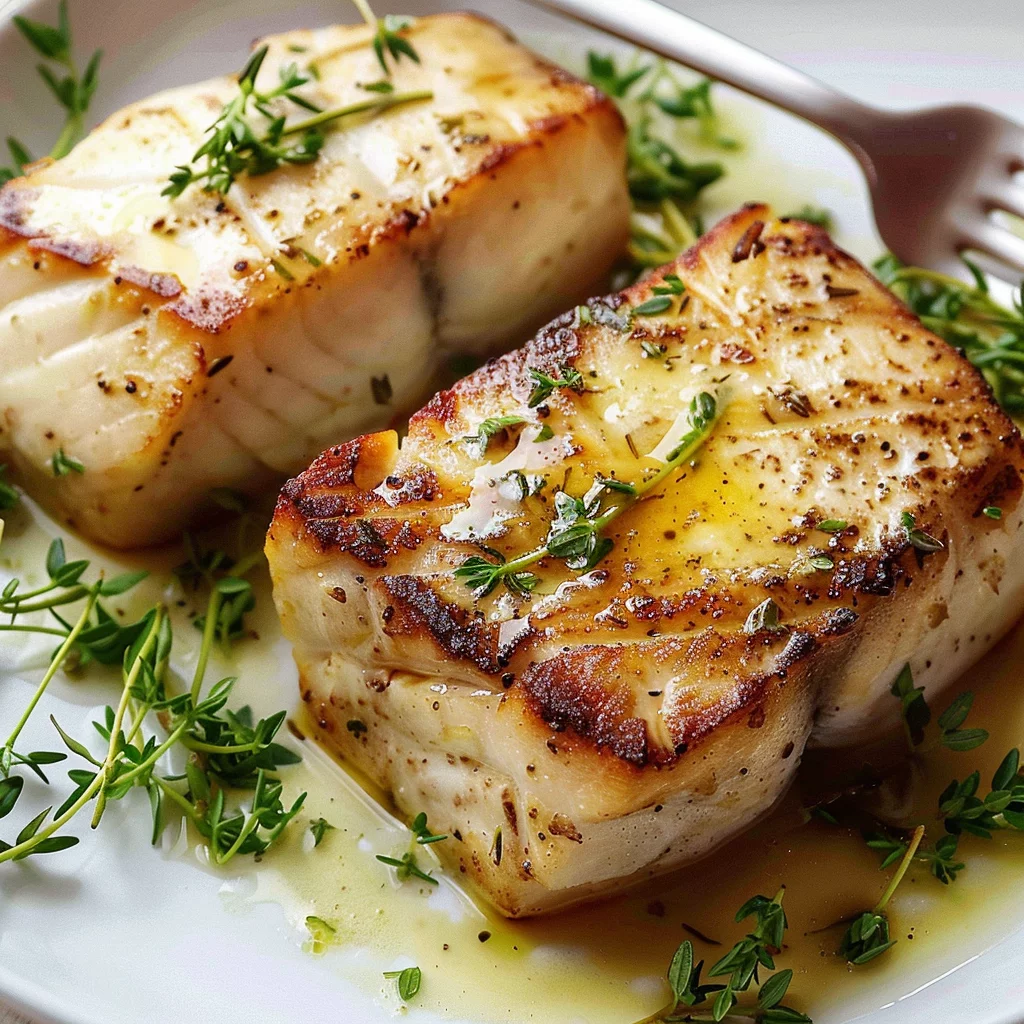
In today’s guide, we’ll explore how to make Sous Vide Butterbasted Halibut. This dish captures the essence of coastal cooking, combining delicate fish with rich, buttery flavors. Using sous vide, we can achieve perfectly cooked halibut every time, turning a simple ingredient into a gourmet experience. The sous vide method ensures the fish retains its natural juices while infusing it with the aromatic richness of butter and herbs.
Whether you’re looking to impress guests or enjoy a quiet dinner at home, Sous Vide Butterbasted Halibut is the perfect choice. With a few simple ingredients and a sous vide setup, you can create a meal that rivals any restaurant dish. Let’s dive into the process, explore the techniques, and master the art of cooking halibut with precision and flair.
PrintSous Vide Butterbasted Halibut
Learn how to perfectly cook Sous Vide Butterbasted Halibut with this easy recipe. Tender, flavorful, and sure to impress your dinner guests!
- Prep Time: 5 minutes
- Cook Time: 65 minutes
- Total Time: 1 hour 10 minutes
- Yield: 4 1x
- Category: Main Course
- Method: Sous Vide and Searing
- Cuisine: Various
Ingredients
- 4 halibut fillets, about 6 ounces (170g) each
- Salt and freshly ground black pepper
- Fresh herbs, such as thyme, parsley, or dill (optional)
- Aromatics, such as sliced shallots or grated citrus zest (optional)
- 4 tablespoons (55g) unsalted butter, divided
Instructions
- Generously sprinkle salt and freshly ground black pepper all over the halibut fillets.
- Arrange the halibut pieces in a single layer in one or more zipper-lock bags. Distribute 2 tablespoons of butter equally among the bags. Optionally, add mild aromatics like thyme, parsley, or dill; finely sliced shallots; or grated citrus zest. Avoid adding large food chunks or acidic items, as they may affect the fish’s shape and texture. Seal the bag(s) and allow the halibut to chill in the refrigerator for a minimum of 30 minutes and up to a whole night.
- Adjust your sous vide device to the recommended temperature (refer to note) and let it warm up while the halibut is resting. Expel all air from the bag(s) using the water displacement technique, then submerge the halibut-filled bags in the preheated water. Cook for 30 to 45 minutes for fillets that are 1-inch thick, or 45 minutes to an hour for those up to 2 inches.
- Gently extract the halibut from the bag(s) using your hands or a fish spatula. Lay the fish on a double layer of paper towels, then carefully pat the surface dry with another paper towel. If used, discard the aromatics and remove the fish skin.
- Melt the remaining 2 tablespoons of butter in a sturdy skillet over medium-high heat until the foam diminishes. Gently place the halibut with the presentation side facing down and cook without moving it until it gets a light brown color, lasting about 30 to 45 seconds. You can sear between 1 and 4 pieces at a time. Optionally, introduce aromatics like thyme, garlic, and shallots, and continue cooking. Tilt the pan and spoon the hot butter over the halibut until the first side achieves a deep brown color, taking roughly 1 1/2 minutes in total. Turn the fish over and let the other side brown for another 15 to 30 seconds.
- Move the halibut to a paper towel to remove excess oil. Serve right away.
Notes
- Experiment with various fresh herbs and aromatics to tailor the flavor of the halibut.
- Ensure the halibut fillets are thoroughly dried before searing for a crisp outer layer.
- Adjust the cooking time according to the fillets’ thickness for best results.
Nutrition
- Calories: 260 kcal
- Fat: 11 g
- Protein: 38 g
Mastering Sous Vide Butterbasted Halibut
Fundamentals
Sous vide cooking is all about precision. By cooking food in a water bath at a controlled temperature, we ensure even cooking throughout. For halibut, this means achieving a tender, flaky texture without overcooking. The key to Sous Vide Butterbasted Halibut lies in seasoning and temperature control. Start by generously sprinkling salt and freshly ground black pepper over the halibut fillets. This simple seasoning enhances the fish’s natural flavor.
Using fresh herbs and aromatics is optional but highly recommended. Herbs like thyme, parsley, or dill add a subtle aroma that complements the fish. For a citrusy note, consider adding grated citrus zest. These ingredients enhance the flavor profile without overpowering the delicate taste of halibut. Remember, the goal is to highlight the fish, not mask it.
Preparation/setup
Before cooking, arrange the halibut in a single layer in zipper-lock bags. Distribute 2 tablespoons of unsalted butter equally among the bags. This butter will melt and infuse the fish as it cooks, creating a rich, luscious flavor. Optionally, add your chosen herbs or aromatics. Seal the bags, ensuring to expel as much air as possible using the water displacement technique. Allow the halibut to chill in the refrigerator for at least 30 minutes, or up to overnight.
While the halibut rests, set up your sous vide device. Adjust it to the recommended temperature for halibut—typically around 130°F (54°C). This temperature ensures a perfectly tender fish. Once the water bath reaches the desired temperature, submerge the halibut-filled bags. Cook for 30 to 45 minutes if the fillets are about 1-inch thick, or 45 minutes to an hour for thicker fillets up to 2 inches.
Sous Vide Cooking Techniques
Technique
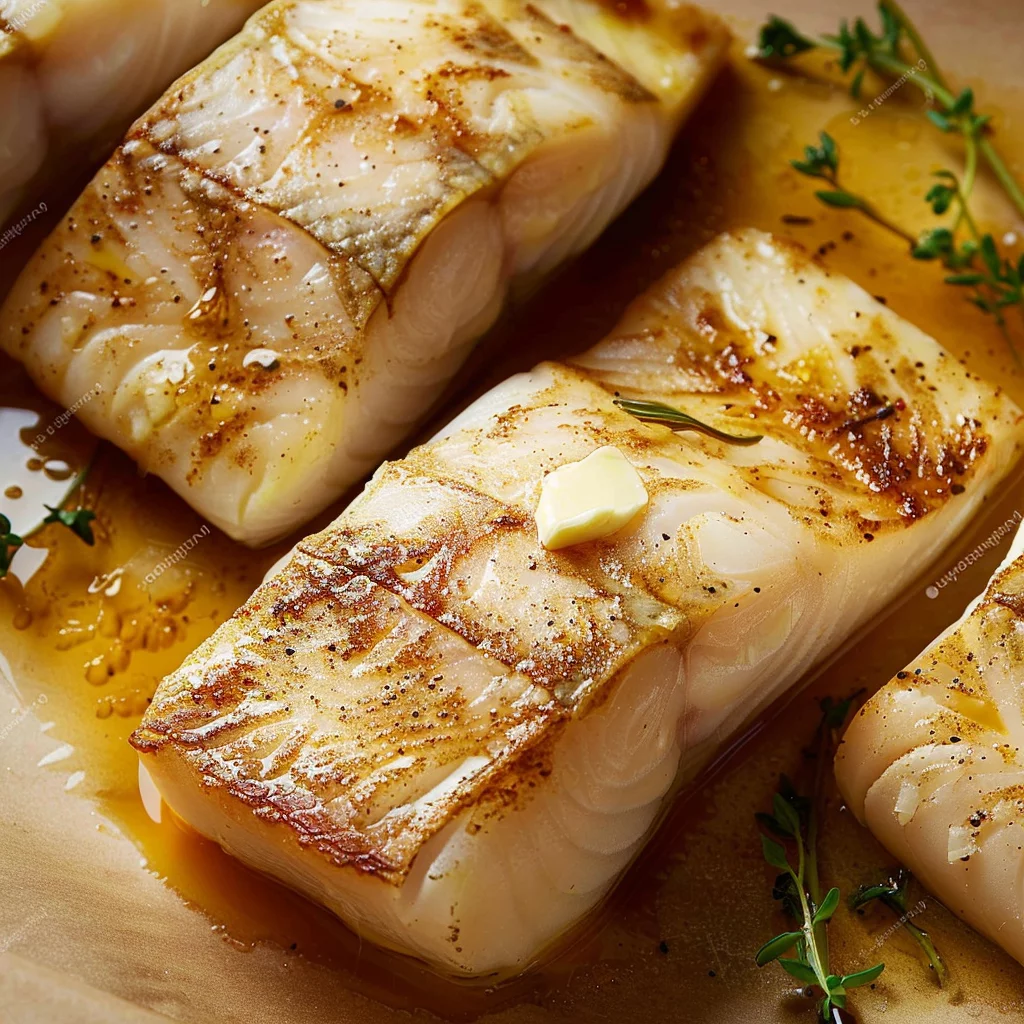
The sous vide technique for cooking halibut is straightforward yet highly effective. The key lies in maintaining a consistent temperature to ensure even cooking. The water bath acts as a gentle heat source that cooks the fish slowly, preserving its moisture and tenderness. When the cooking time is complete, remove the halibut carefully from the bags using a fish spatula or your hands.
Lay the fish on a double layer of paper towels and gently pat dry with another paper towel. This step is crucial for achieving a beautiful sear later. If you used aromatics, discard them at this stage. Removing the fish skin is optional but recommended for a more refined presentation.
Sous Vide Butterbasted Halibut
Tips and Tricks
For the perfect sear, melt the remaining 2 tablespoons of butter in a sturdy skillet over medium-high heat. Wait until the butter foam subsides, indicating that it’s hot enough. Place the halibut with the presentation side down and cook without moving it until it develops a light brown color, which should take about 30 to 45 seconds.
To enhance the butter-basting process, tilt the pan slightly and spoon the hot butter over the fish. This technique helps develop a deep brown crust while keeping the fish moist and flavorful. After achieving the desired color, turn the fish over and cook the other side for an additional 15 to 30 seconds. This quick sear adds a delightful texture to the tender halibut.
Achieving Perfect Results
Perfecting Results
Achieving perfection with Sous Vide Butterbasted Halibut requires attention to detail. Consistency in temperature and timing is crucial. The sous vide method allows you to cook the fish to your preferred doneness without the risk of overcooking. For a perfectly flaky texture, aim for the recommended temperature of 130°F (54°C) and adjust the cooking time based on the thickness of your fillets.
If you’re aiming for a restaurant-quality presentation, ensure the surface of the fish is dry before searing. This step helps achieve a beautiful, even crust. Experimenting with different herbs and aromatics can add unique flavors to your dish. Consider pairing the halibut with a Sous Vide Lemon Curd for a citrusy complement.
Troubleshooting and Variations
If your halibut lacks flavor, consider adjusting the amount of salt and pepper in the seasoning stage. For a more robust flavor, experiment with different herbs or add a touch of garlic to the butter basting process. If the fish appears dry, ensure the cooking temperature is accurate and avoid overcooking.
For a different take, try adding thinly sliced shallots or a sprinkle of Sous Vide Crème Brûlée spice to the butter for a sweet and savory twist. Each variation offers a new flavor profile while maintaining the tender texture of the halibut.
Finishing Touches
Serving and Presentation
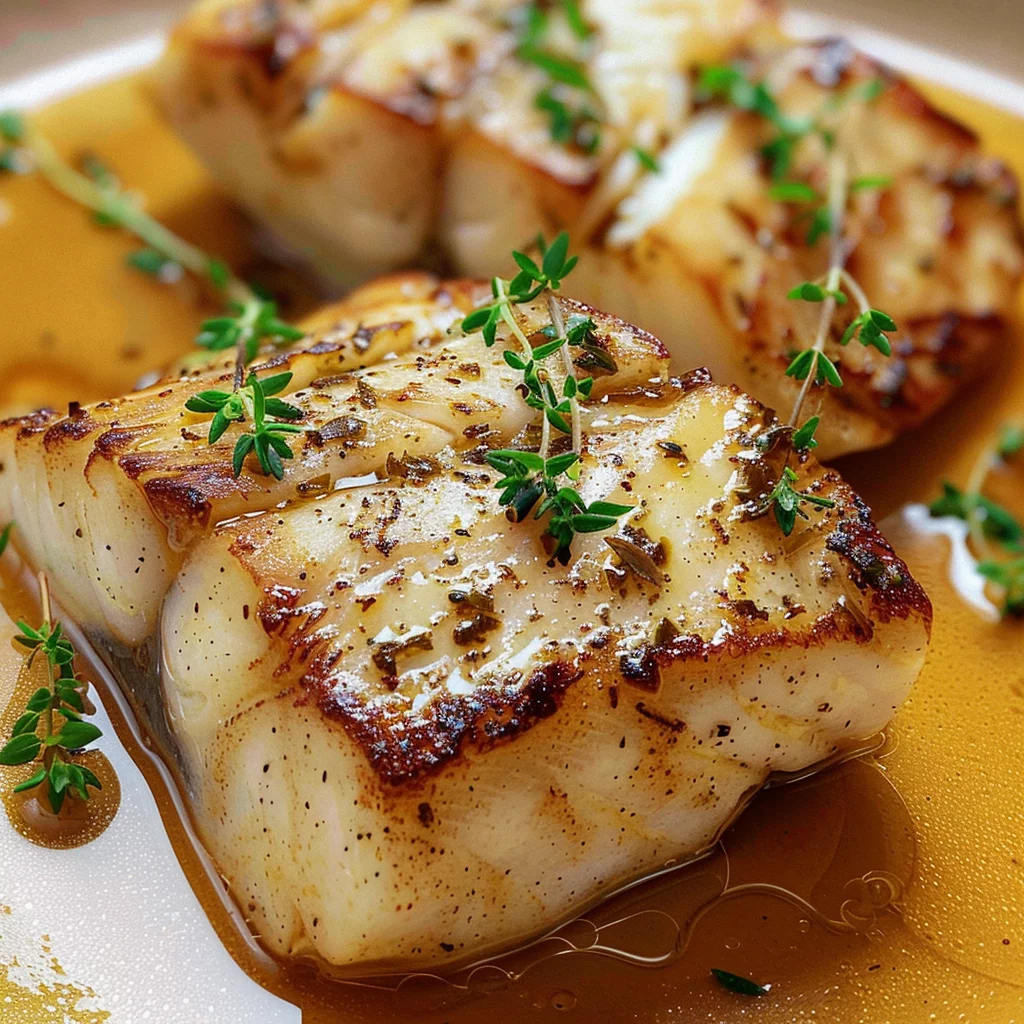
Presentation is key when serving Sous Vide Butterbasted Halibut. Transfer the cooked fish to a clean plate lined with a paper towel to absorb any excess butter. Arrange the fillets neatly and garnish with fresh herbs for an elegant touch. Serve immediately to enjoy the full flavor and texture of the dish.
Consider serving the halibut alongside seasonal vegetables or a light salad. The simplicity of the dish allows for versatile pairings. For a complete meal, pair the halibut with a Vacuum-Sealed Steak for a surf and turf experience.
Sous Vide Butterbasted Halibut
Pairings and Storage
Sous Vide Butterbasted Halibut pairs well with a variety of side dishes. Consider serving it with roasted potatoes or a fresh quinoa salad. To store leftovers, place the cooked halibut in an airtight container and refrigerate for up to two days. Reheat gently to maintain the fish’s tender texture.
If you’re looking to explore more sous vide recipes, try a Sous Vide Overnight Bacon for breakfast or a Sous Vide Medium Rare Steak for dinner. Each recipe offers a new way to enjoy the precision and flavor that sous vide cooking provides.
Conclusion
Sous Vide Butterbasted Halibut showcases the best of sous vide cooking. The precise temperature control ensures perfectly cooked fish, while the butter basting adds a rich, savory flavor. This dish highlights the versatility of sous vide, making it an excellent choice for both novice and experienced home cooks.
By mastering the fundamentals of sous vide, you can unlock a world of culinary possibilities. From tender steaks to delicate fish, the technique offers consistent, high-quality results with minimal effort. Whether you’re preparing a simple weeknight dinner or a special occasion meal, sous vide elevates your cooking to new heights.