
📑 Table of Contents ▶
- Sous Vide Boneless Ribeye Roast
- Sous Vide Boneless Ribeye Roast Mastery
- Fundamentals
- Preparation/setup
- Perfecting the Sous Vide Ribeye Roast
- Technique
- Tips and Tricks
- Achieving Culinary Perfection
- Perfecting Results
- Troubleshooting and Variations
- Serving and Storage Tips
- Serving and Presentation
- Pairings and Storage
- Conclusion
- FAQs – Sous Vide Boneless Ribeye Roast
Growing up in sunny Florida, I always found inspiration in the fresh coastal flavors that surrounded me. But it was discovering sous vide cooking that truly transformed my culinary journey. The first time I tried a sous vide boneless ribeye roast, it was like experiencing a culinary revelation. The perfectly cooked, juicy steak opened my eyes to the possibilities of home cooking with sous vide.
I believe that sous vide isn’t just for high-end restaurants—it’s a game-changer for home kitchens too. With sous vide, you can achieve restaurant-quality dishes right in your own home. Whether you’re new to sous vide or looking to elevate your cooking skills, mastering the sous vide boneless ribeye roast is a must-try experience. The magic of sous vide lies in its precision and ability to deliver consistently delicious results every time.
Here, I’ll guide you through the process of creating a succulent, perfectly cooked sous vide boneless ribeye roast. From setting up your sous vide apparatus to serving the final dish, each step is designed to be approachable and rewarding. So, let’s dive into the world of sous vide and transform your kitchen into a haven of culinary excellence.
PrintSous Vide Boneless Ribeye Roast
Discover how to perfectly cook a succulent Sous Vide Boneless Ribeye Roast with our step-by-step guide. Elevate your culinary skills today!
- Prep Time: 20 minutes
- Cook Time: 15 minutes
- Total Time: 35 minutes
- Yield: 6 servings 1x
- Category: Main Course
- Method: Baking
- Cuisine: Various
Ingredients
- 5 – 7 lb beef rib roast (2.27 – 3.18 kg)
- 1 cup vegetable oil, softened (240 ml)
- 6 cloves garlic, minced
- 2 tablespoon fresh rosemary, chopped (30 g)
- 2 tablespoon fresh thyme, chopped (30 g)
- 1 tablespoon (15 ml) salt
- 1 tablespoon (15 ml) seasoning salt
- 1 tablespoon (15 ml) black pepper
Instructions
- Adjust your sous vide apparatus to a temperature of 56C/133F.
- Season the beef rib roast with salt as preferred. Place the roast in a freezer-safe bag and expel the air using a vacuum sealer or the displacement method. Submerge the roast in the water bath for 8 hours.
- In a bowl, combine softened vegetable oil, minced garlic, chopped rosemary, chopped thyme, salt, and seasoning salt until the mixture is smooth and can be spread easily.
- Extract the bag from the water bath and promptly move the roast to an ice bath. Allow the roast to cool for 10 minutes. Take the bag out of the ice bath, remove the roast from the bag, and pat it dry completely.
- Heat your oven to 475F. Coat the entire rib roast evenly with the garlic herb mixture. Position the roast on a rack set in a baking pan and bake for 15 minutes. Use a meat thermometer to verify that the internal temperature reaches 110F or your preferred serving temperature.
- Take the rib roast out of the oven and let it sit for 5 minutes. If using a bone-in roast, carefully separate the bones without cutting into the meat. Slice the rib roast into portions and savor this exquisite dish. *Tip: Before serving, brush each slice with the remaining oil and garlic mixture from the pan.
Notes
- Season the beef rib roast generously with salt before cooking to enhance the flavor.
- Allow the roast to cool in an ice bath after sous vide cooking to retain its juices and tenderness.
- Use a meat thermometer to gauge the internal temperature of the roast for perfectly cooked meat.
Nutrition
- Calories: 500
- Fat: 40g
- Protein: 30g
Sous Vide Boneless Ribeye Roast Mastery
Fundamentals
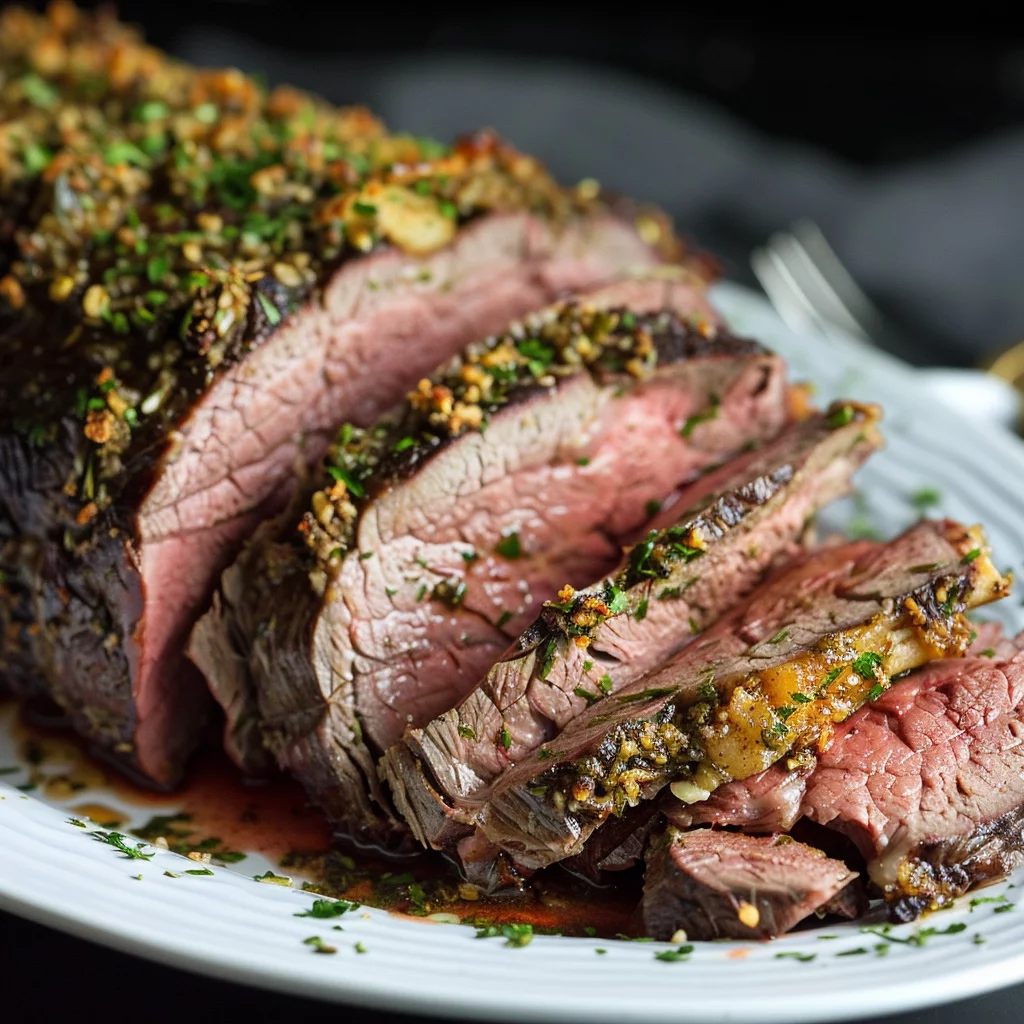
The sous vide boneless ribeye roast is a dish that celebrates the art of precision cooking. Sous vide, which means “under vacuum” in French, involves cooking food in a vacuum-sealed bag submerged in a water bath at a consistently controlled temperature. The result is a ribeye roast that is perfectly cooked from edge to edge, offering unparalleled tenderness and flavor.
To start, you’ll need a quality beef rib roast, weighing between 5 to 7 pounds (2.27 to 3.18 kg). The sous vide technique allows for even cooking, ensuring that the roast remains juicy and flavorful. Temperature control is crucial, and for this dish, you’ll set your sous vide device to 56C/133F to achieve a medium-rare finish, which is ideal for showcasing the rich flavors of the ribeye.
Preparation/setup
Begin by seasoning the beef rib roast generously with salt, as this will enhance the natural flavors of the meat. Place the seasoned roast in a freezer-safe bag, ensuring all air is expelled using either a vacuum sealer or the displacement method. This step is crucial for maintaining the integrity of the cooking environment.
Submerge the sealed roast in the preheated water bath and let it cook for 8 hours. This slow and gentle cooking process allows the flavors to develop fully while ensuring the meat remains tender. While the roast cooks, prepare a garlic herb mixture by combining softened vegetable oil, minced garlic, fresh rosemary, thyme, and seasoning salts. This will be used to coat the roast after the sous vide process, adding an extra layer of flavor.
Perfecting the Sous Vide Ribeye Roast
Technique
The beauty of sous vide cooking lies in its simplicity and precision. After the 8-hour sous vide process, remove the roast from the water bath and place it in an ice bath to cool for about 10 minutes. This step helps to stop the cooking process and prepares the roast for the final sear.
Once cooled, pat the roast dry completely. Preheat your oven to 475F, and then coat the ribeye roast evenly with the prepared garlic herb mixture. The high oven temperature will create a beautiful crust, enhancing both texture and flavor. Place the roast on a rack in a baking pan and bake for 15 minutes, or until a meat thermometer reads 110F for a perfect medium-rare finish.
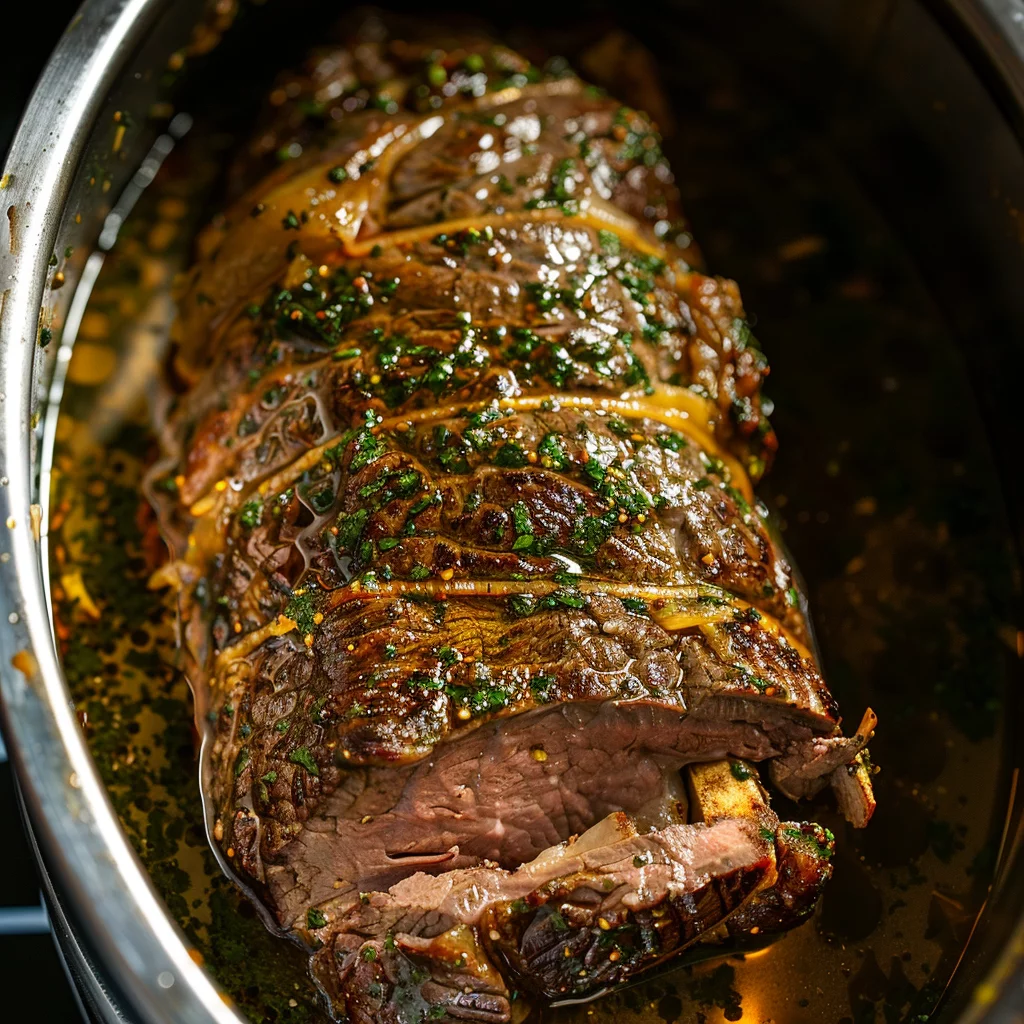
Sous Vide Boneless Ribeye Roast
Tips and Tricks
To achieve the best results, ensure that your sous vide apparatus is accurately calibrated. Consistent water temperature is key to cooking the ribeye evenly. If you’re looking to experiment with different flavors, consider adding other herbs or spices to the garlic herb mixture. This flexibility allows you to tailor the dish to your personal taste preferences.
For added convenience, you can prepare the roast in advance and simply reheat it in the sous vide water bath before serving. This technique is perfect for entertaining, as it allows you to focus on other aspects of your meal without worrying about overcooking the meat.
Achieving Culinary Perfection
Perfecting Results
Achieving the perfect sous vide boneless ribeye roast requires attention to detail at every step. Ensuring the roast is evenly seasoned and properly sealed in the bag will enhance the overall flavor and texture. The combination of sous vide cooking followed by a high-temperature sear creates a contrast between the tender interior and the flavorful crust.
For those new to sous vide, experimenting with cooking times and temperatures can help you find the perfect level of doneness for your personal taste. If you’re curious to explore more sous vide techniques, check out this sous vide roast beef recipe for additional inspiration.
Troubleshooting and Variations
If you encounter issues with your sous vide setup, such as fluctuating temperatures, ensure that your device is functioning properly and that the water level is consistent. For variations, consider trying different cuts of beef, such as a sous vide beef tri-tip roast or a sous vide whole picanha roast.
These variations offer a unique take on the classic ribeye roast, showcasing the versatility of sous vide cooking. With practice and experimentation, you can customize your sous vide creations to suit any occasion.
Serving and Storage Tips
Serving and Presentation
Once your sous vide boneless ribeye roast is perfectly cooked, it’s time to focus on presentation. Allow the roast to rest for about 5 minutes after removing it from the oven. If you’re working with a bone-in roast, carefully separate the bones without cutting into the meat to maintain the roast’s integrity.
Slice the ribeye into portions and arrange them on a serving platter. For an added touch of flavor, brush each slice with the remaining garlic herb mixture from the pan. This simple step elevates the dish, making each bite a delightful experience. Pair your roast with complementary sides like honey roasted butternut squash with cranberries for a well-rounded meal.
Pairings and Storage
While the sous vide boneless ribeye roast shines on its own, it pairs beautifully with a variety of sides. Consider serving it alongside roasted vegetables, mashed potatoes, or a fresh green salad. These sides complement the rich flavors of the ribeye without overpowering them.
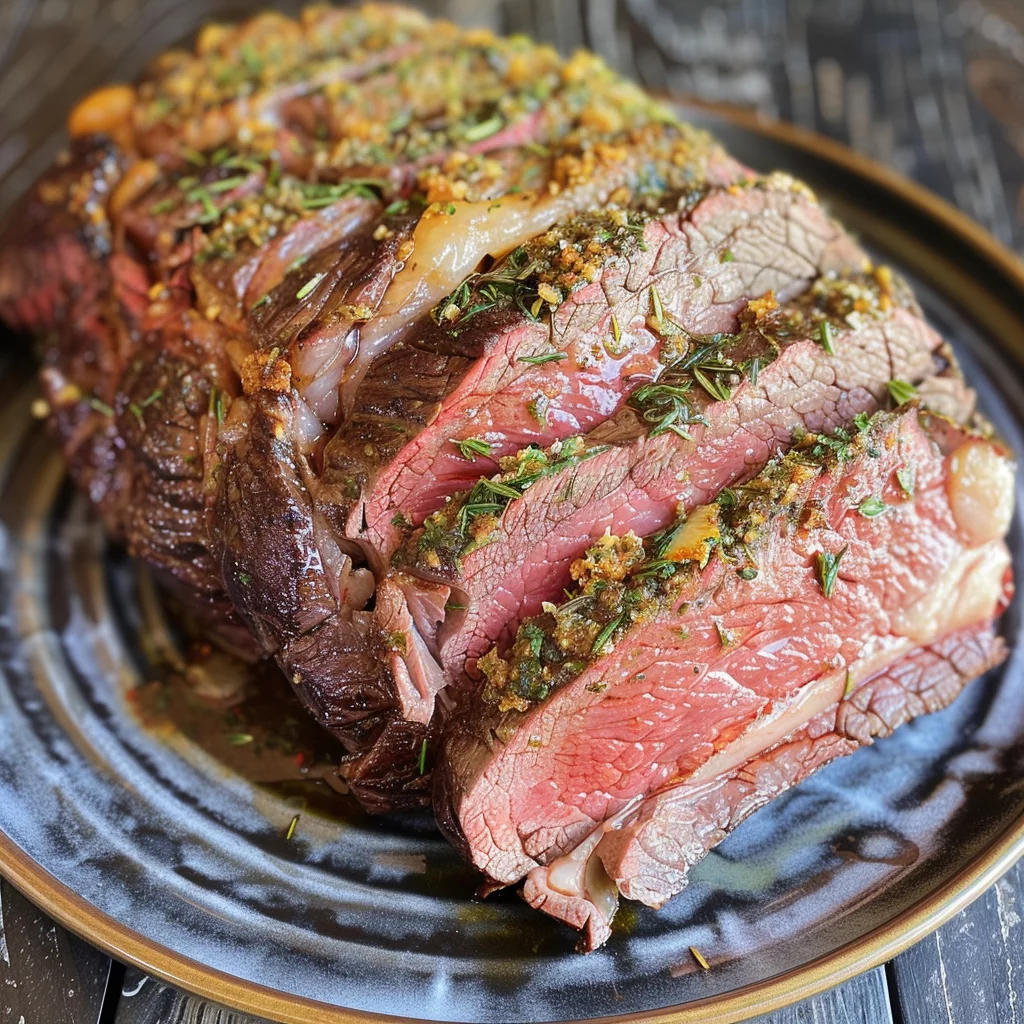
Sous Vide Boneless Ribeye Roast
For storage, if you have leftovers, seal them in an airtight container and refrigerate for up to three days. When reheating, use the sous vide method to maintain the roast’s tender texture. Simply submerge the sealed meat in a water bath at a lower temperature until warmed through.
Conclusion
Mastering the sous vide boneless ribeye roast opens a world of culinary possibilities. This technique highlights the strengths of sous vide cooking: precision, flavor development, and consistently impressive results. With the right preparation and a willingness to experiment, you can create a dish that impresses every time.
The utility of sous vide extends beyond just ribeye roasts, offering home cooks a reliable method for achieving restaurant-quality dishes. Whether you’re preparing a sous vide top round roast or exploring different cuts like the medium-rare sous vide ribeye, the principles remain the same.
As you continue to explore sous vide cooking, remember that each dish offers a chance to refine your skills and enjoy the art of cooking. With practice, you’ll find that the sous vide technique becomes an indispensable part of your culinary toolkit, making every meal an opportunity for delicious discovery.