
➤ Table of Contents
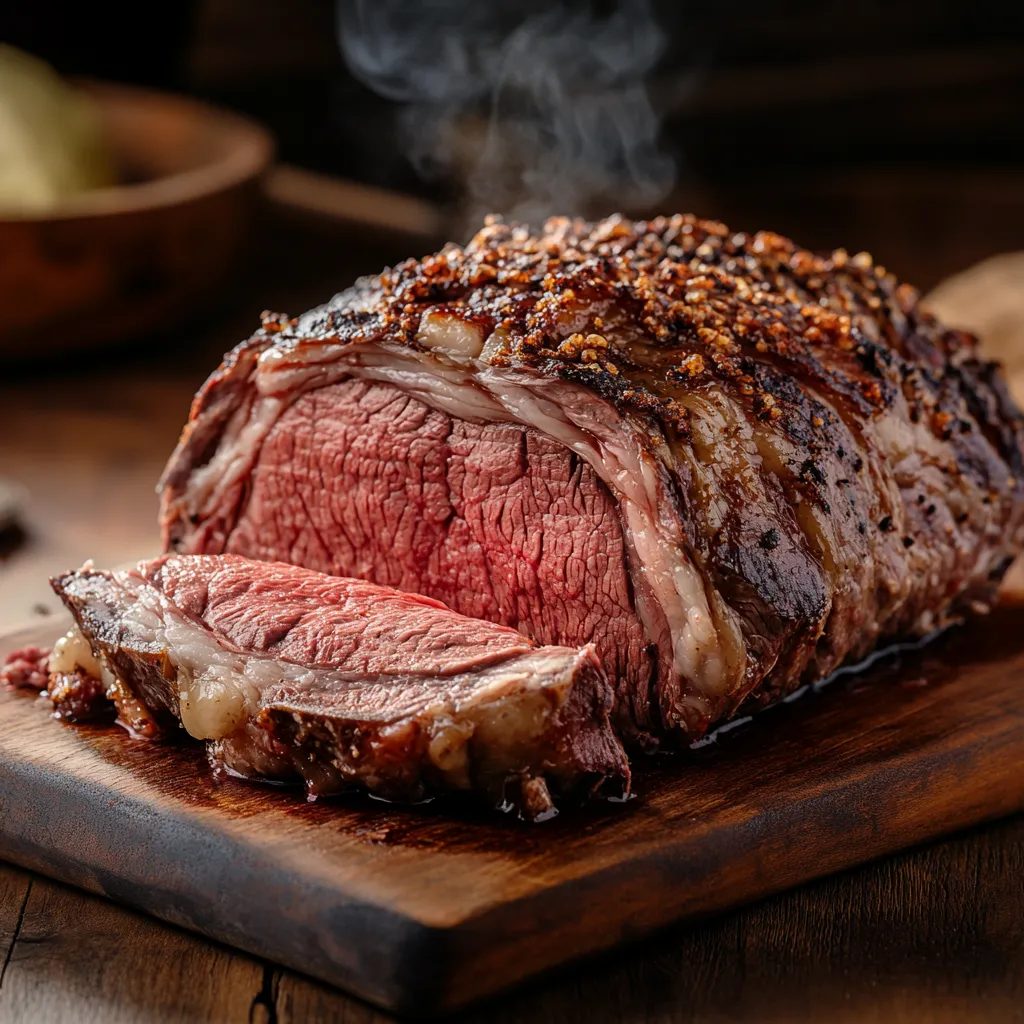
Hi there! I’m Jasmine, the home cook behind SousVideRecipe.com. I grew up in sunny Florida surrounded by citrus, seafood, and family feasts—but discovering sous vide was what truly changed my kitchen game. The first time I reheated prime rib using this method, it felt like culinary wizardry. With a water bath set to the perfect temp, the meat came out as tender as the day I cooked it.
Here’s what makes sous vide such a game changer: you control the exact internal temperature. Whether your roast is rare, medium-rare, or medium, you can set the water bath to gently and slowly bring it up to temperature—never overcooking it. This technique also protects the delicate fat and keeps the meat from drying out, even after long storage. It’s ideal for thick cuts like rib roast and even works beautifully for leftover sous vide short ribs or smaller roasts.
If you’re not already using sous vide for meal prep, this is the perfect excuse to start. It’s efficient, reliable, and perfect for those indulgent cuts you don’t want to mess up.
PrintReheating Prime Rib with Sous Vide: Ultimate Guide in 7 Steps
Perfectly reheat leftover prime rib using sous vide for a juicy, tender, and flavorful result every time.
- Prep Time: 10 min
- Cook Time: 4 hr
- Total Time: 4 hr 10 min
- Yield: 8 servings 1x
- Category: Dinner
- Method: Sous Vide
- Cuisine: American
Ingredients
3–5 bone prime rib
3 sprigs fresh rosemary
Kosher salt and fresh-ground black pepper
Instructions
1. Preheat your sous vide bath to 136°F.
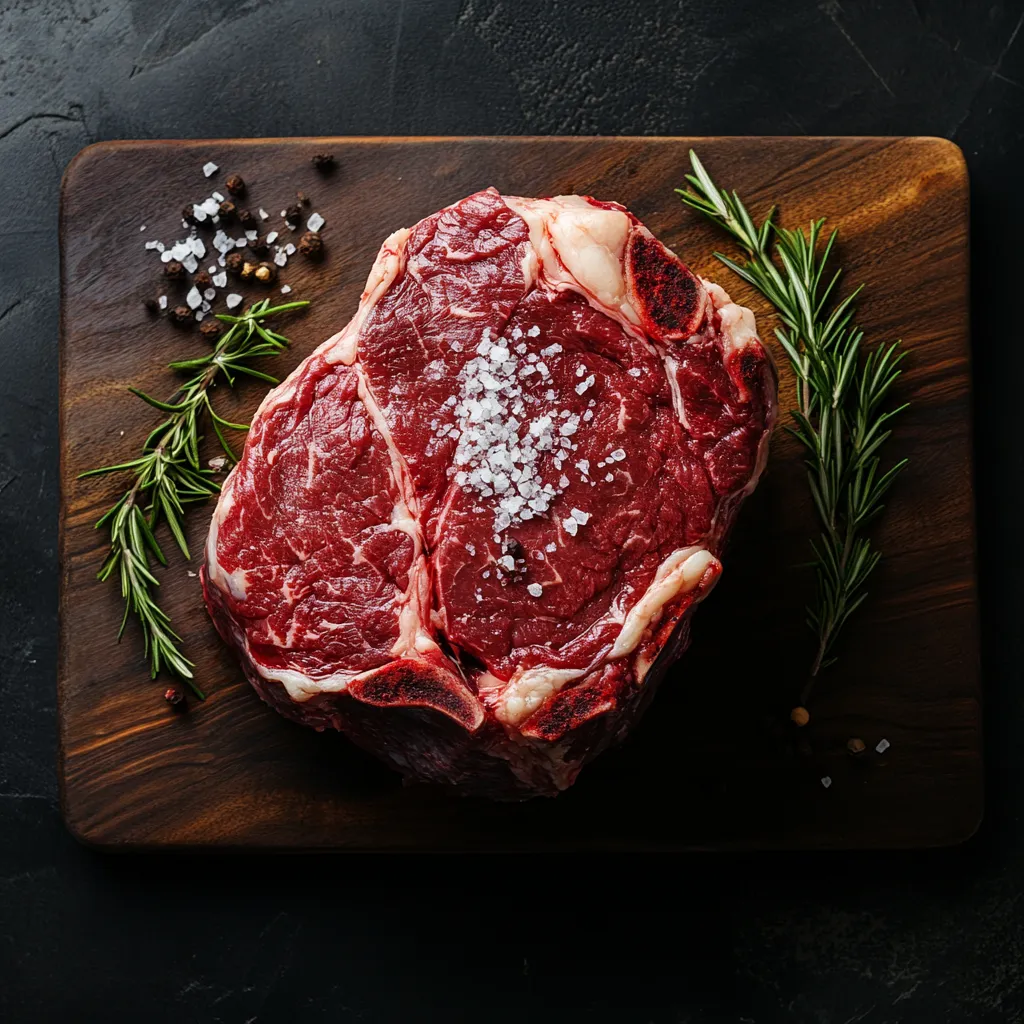
2. Trim the roast if needed and season with salt, pepper, and rosemary.
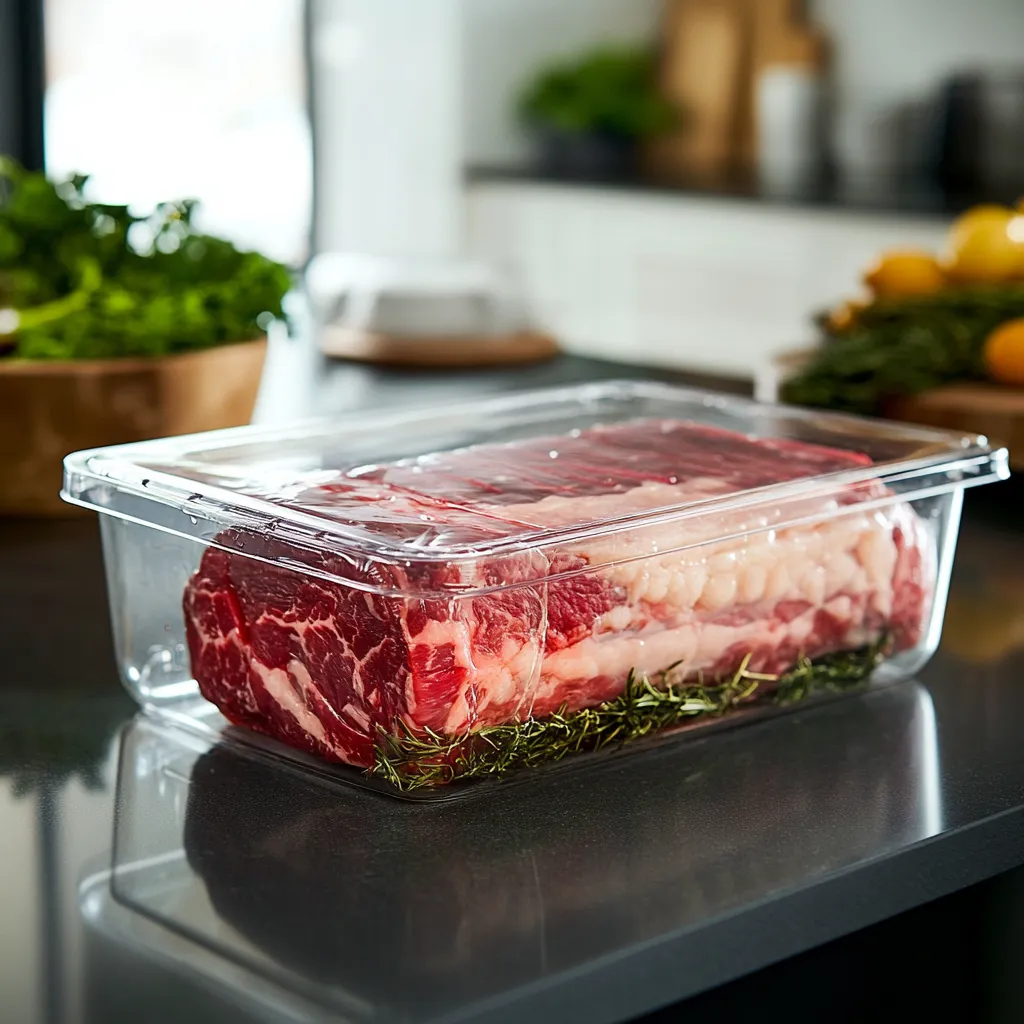
3. Vacuum seal or bag using water displacement.
4. Insert a probe and submerge the roast in the bath.
5. Cook for 2 to 4 hours depending on size.
6. Remove and pat dry.
7. Broil for 4–8 minutes until browned.
8. Slice, serve, and enjoy!
Notes
For medium-rare, use 132°F.
Save bag juices for jus.
Use probe for thick or bone-in cuts.
Nutrition
- Serving Size: 1 slice
- Calories: 450
- Sugar: 0g
- Sodium: 320mg
- Fat: 35g
- Saturated Fat: 14g
- Unsaturated Fat: 19g
- Trans Fat: 0g
- Carbohydrates: 1g
- Fiber: 0g
- Protein: 35g
- Cholesterol: 130mg
Step-by-Step Method for Reheating Prime Rib with Sous Vide
Reheating time & temperature guidelines
To get that perfect slice of reheated prime rib, it’s all about precise temperature control. Sous vide makes this simple—just set your water bath based on how you want the roast to finish. Most prime rib is served medium-rare, around 130°F to 135°F. Want it a little more done? Go slightly higher. No matter what, the goal is to reheat without cooking further.
Here’s a quick sous vide reheat temperature and time chart for prime rib:
| Desired Doneness | Water Temp | Time (Whole Roast) | Time (Slices) |
|---|---|---|---|
| Rare | 125°F (52°C) | 2–4 hours | 30–45 min |
| Medium-Rare | 132°F (56°C) | 2–4 hours | 45–60 min |
| Medium | 136°F (58°C) | 2–4 hours | 45–75 min |
The longer reheating times (2–4 hours) are ideal for large cuts like a 3–5 bone rib roast, especially if you’re reheating it whole instead of in slices.
Prep and packaging tips for leftovers
Before reheating, make sure your prime rib is tightly vacuum-sealed or placed in a quality zip-top bag using the water displacement method. If it’s a full roast, insert a waterproof probe thermometer through a piece of sous vide tape so you can monitor internal temps without breaking the seal.
If your roast has a fat cap or bone plate, you can trim it slightly to allow more even reheating—just like I do when preparing bone-in cuts for sous vide brisket. Apply a light layer of fresh kosher salt and cracked pepper to refresh the seasoning. For extra aroma, toss in a sprig of rosemary or garlic clove.
Remember: if you’re reheating refrigerated meat, no need to bring it to room temperature. Sous vide handles that gently. Just adjust time accordingly.
In the next section, I’ll show you how to finish the roast for the best crust—and make a quick jus from those flavorful juices.
Finishing the Prime Rib After Sous Vide
Why searing matters
After reheating prime rib with sous vide, your roast will be perfectly warm and juicy—but not yet finished. To bring it back to life with that restaurant-style crust, you’ll need to hit it with high heat for a final sear. The goal is simple: develop flavor and texture without overcooking the inside.
I recommend placing the roast under a hot broiler for 4 to 8 minutes, watching closely. This works especially well when the roast has been patted dry after the water bath. You want a golden-brown, caramelized top—not burnt edges.
If you’re working with individual slices, you can finish them in a cast iron pan with a quick sear on each side. A little ghee or avocado oil helps develop a crust fast. Be sure not to leave them in too long or you’ll lose that pink interior.
This is the same trick I use when preparing sous vide steak bites—sear fast and hot, then serve immediately for perfect results every time.
Making jus from saved juices
Don’t toss those bag juices! When you’re reheating prime rib with sous vide, the sealed bag captures incredibly flavorful drippings. Once your roast is out of the pouch, strain the juices into a small saucepan. Simmer them gently to reduce and concentrate the flavor.
Add a splash of red wine or beef stock for depth, and finish with a knob of butter for extra richness. If you seasoned with rosemary earlier, toss in a fresh sprig while the jus reduces—it ties everything together beautifully.
This jus is liquid gold. Serve it spooned over your slices of prime rib, or use it as a dipping sauce to elevate the experience. It pairs perfectly with classic sides like sous vide mashed potatoes, especially when you’ve nailed reheating prime rib with sous vide to perfection.
Other Common Reheat Situations: Sliced, Frozen, or Bone-In
How to reheat sliced or frozen prime rib
Sometimes, you’ve got just a few leftover slices—maybe from a holiday dinner or a sous vide Christmas roast. Good news: sous vide works just as well for individual cuts as it does for full roasts.
For sliced prime rib, use a zip-top bag with the water displacement method or a vacuum-sealed pouch. Set your sous vide circulator to 132°F (for medium-rare) and reheat for 30 to 60 minutes, depending on thickness.
If your slices are frozen, don’t defrost. Just add 30 more minutes to your cook time. The low, gentle temperature thaws and reheats without drying out the meat or altering texture.
Want to add some moisture? Drop in a spoonful of leftover jus or beef broth before sealing. This helps keep the meat tender and prevents “steamed” texture, especially in leaner cuts.
Bone-in roast reheat strategy
Bone-in prime rib is stunning at the table but slightly trickier to reheat. The bone acts as insulation, so it takes longer to reach the target internal temp when reheating prime rib with sous vide.
Before sealing, you can trim off the rib plate to speed things up—then tie it back on after reheating for presentation. I also recommend inserting a waterproof probe thermometer through sous vide tape into the center of the roast to track temp without breaking your vacuum seal.
Set your water bath to 136°F if you’re aiming for a perfect medium finish. Plan for 3 to 4 hours of reheating time for a large bone-in piece. Finish under a hot broiler to crisp the exterior, just like we did in the finishing step earlier.
Bone-in or boneless, fresh or frozen—reheating prime rib with sous vide makes every slice taste like it was carved just moments ago. Once you’re confident with the method, try it on other cuts like sous vide pork loin for equally mouthwatering results.
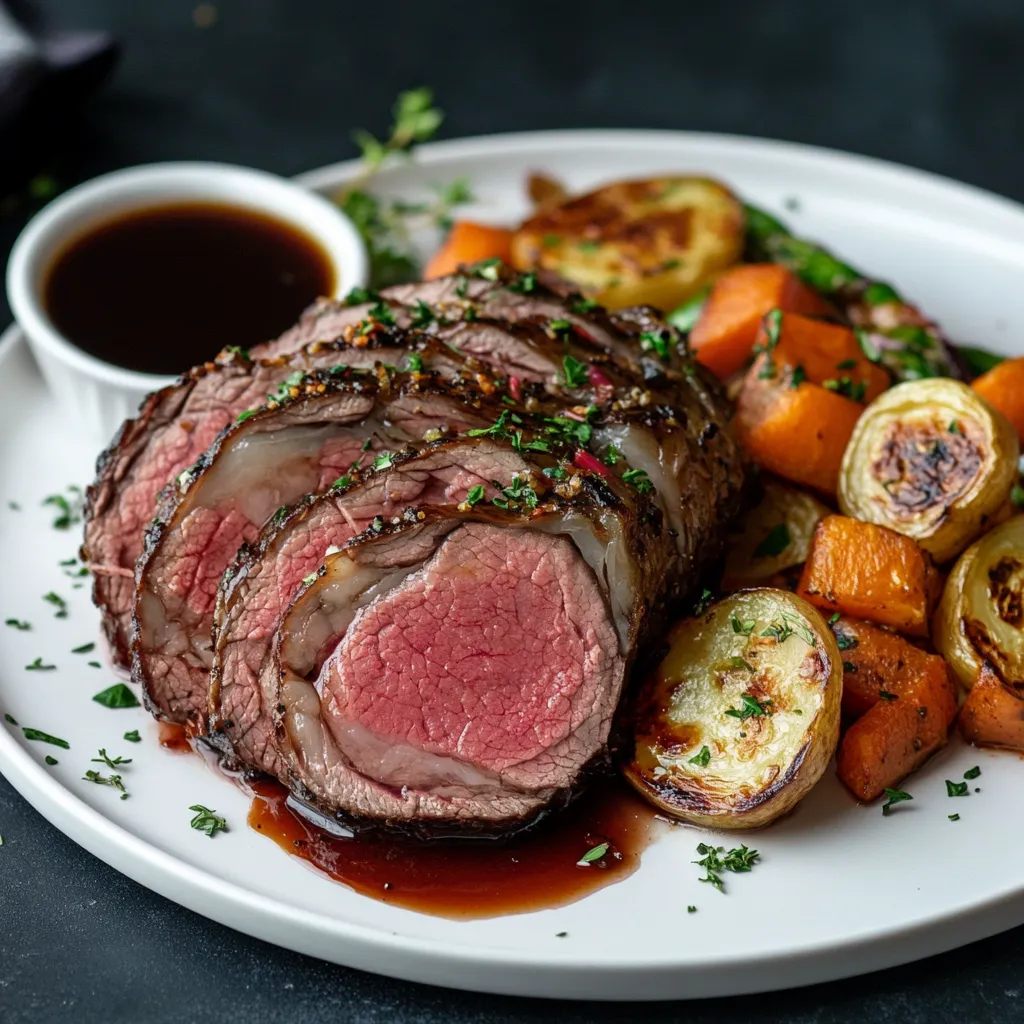
Conclusion: Reheating Prime Rib with Sous Vide is Your Secret Weapon
Whether it’s the day after a feast or you’re pulling a roast from the freezer, reheating prime rib with sous vide guarantees a tender, juicy result every time. This method is all about precision—gently warming your roast to the perfect serving temp while preserving its luxurious, melt-in-your-mouth texture.
From full bone-in cuts to single slices, reheating prime rib with sous vide gives you total control. No overcooking, no dry meat—just consistently delicious results. Add a sizzling broiler finish and a quick jus, and you’ve recreated that freshly carved flavor in minutes.
Once you experience the results of reheating prime rib with sous vide, you won’t go back to microwaves or oven reheats. This technique turns leftovers into showstoppers—beautiful, flavorful, and perfectly cooked every single time.
Join us on Facebook and Pinterest for even more delicious recipe ideas!
FAQs
How do you reheat already cooked prime rib?
The best method for reheating prime rib with sous vide is to set your water bath to 130–136°F, depending on how you want it served. Seal the prime rib in a vacuum bag and reheat for 1–4 hours, depending on the roast size.
How to reheat roast in sous vide?
To begin reheating prime rib with sous vide, vacuum seal your roast or use a zip-top bag with the displacement method. Set your circulator to the target temp (like 132°F for medium-rare), then heat for 1–4 hours until warmed through evenly.
How do you finish prime rib after sous vide?
After reheating prime rib with sous vide, pat the surface dry and finish it under a broiler or in a hot pan to develop a crust. This searing step adds flavor and gives that fresh-cooked texture without overcooking the inside.
How do you reheat ribs in sous vide?
Just like reheating prime rib with sous vide, you can reheat ribs by sealing them in a bag and setting your water bath to 145–155°F. Cook for 1–2 hours, then finish on the grill or under a broiler for a crisp surface.
How to reheat a roast without drying it out?
Reheating prime rib with sous vide prevents the roast from drying out by heating it slowly in a sealed bag. This keeps the meat moist and tender. Add back juices or broth to enhance flavor and texture.
Should I dry brine rib roast?
Dry brining is great for flavor and texture before the initial cook but not required when reheating prime rib with sous vide. Still, it’s a great prep step for achieving prime results in the original roast.
How do you reheat rib meat?
Reheating prime rib with sous vide or any rib meat is ideal. Set the bath to 145°F for a tender pull or 155°F for a fall-off-the-bone finish. Keep it sealed with its juices to retain flavor and moisture.