
➤ Table of Contents
There’s something magical about discovering new ways to cook vegetables that make them shine—and plant based sous vide is exactly that kind of game-changer. I still remember the first time I sous vided sweet potatoes. They came out perfectly tender, not mushy or dry, but rich with natural sweetness and depth. I was hooked. For someone who grew up on Florida sunshine and veggie-filled meals, this method felt like the precision tool I never knew I needed.
What I love about plant based sous vide is how it removes the guesswork. No more undercooked centers or soggy results. Whether it’s carrots, quinoa, tofu, or sweet potato, this method respects your ingredients. Cooking with sous vide gives you total control—ideal for everything from meal prep to quick weeknight bowls. It’s how I now prep nearly all my plant based staples, from tender sweet potatoes to perfectly seasoned peppers and onions.
The technique may be known for meat, but plant based sous vide opens up even more creative possibilities. It’s also incredibly beginner-friendly. Set your circulator, bag your ingredients, and walk away. No flipping, no scorching, and no dry veggies. That’s why I always recommend this method in my beginner’s zero-stress veggie sous vide guide and in this vegan sous vide tofu stir-fry—it’s perfect for anyone transitioning to or exploring more plant-forward meals.
Whether you’re fully vegan or just trying to eat more plants, plant based sous vide cooking makes veggies taste better, meals feel easier, and cleanup almost nonexistent. Once you try it, you’ll wonder why you didn’t start sooner.
Even better? You don’t need fancy equipment to start. Many of my early sous vide experiments were done using a stockpot, zip-top bags, and a simple immersion circulator. If you’re worried about plastic, check out our eco-conscious zero-plastic sous vide setup that swaps disposables for reusable silicone bags.
The best part? The more you experiment with plant based sous vide, the more you realize how versatile and rewarding it is. From silky eggplant and umami-rich mushrooms to infused grains and herb-packed tofu, it invites creativity. You can customize spices, sauces, and even textures depending on the final dish. Want a firmer bite? Adjust your time and temp. Prefer more infusion? Add aromatics like garlic, ginger, or lemongrass to your bag. Whether you’re prepping quick weeknight bowls or planning elevated weekend meals, plant based sous vide turns simple produce into rich, flavorful centerpieces. It’s like unlocking a new layer of flavor in your plant-based kitchen.
PrintPlant-Based Sous Vide
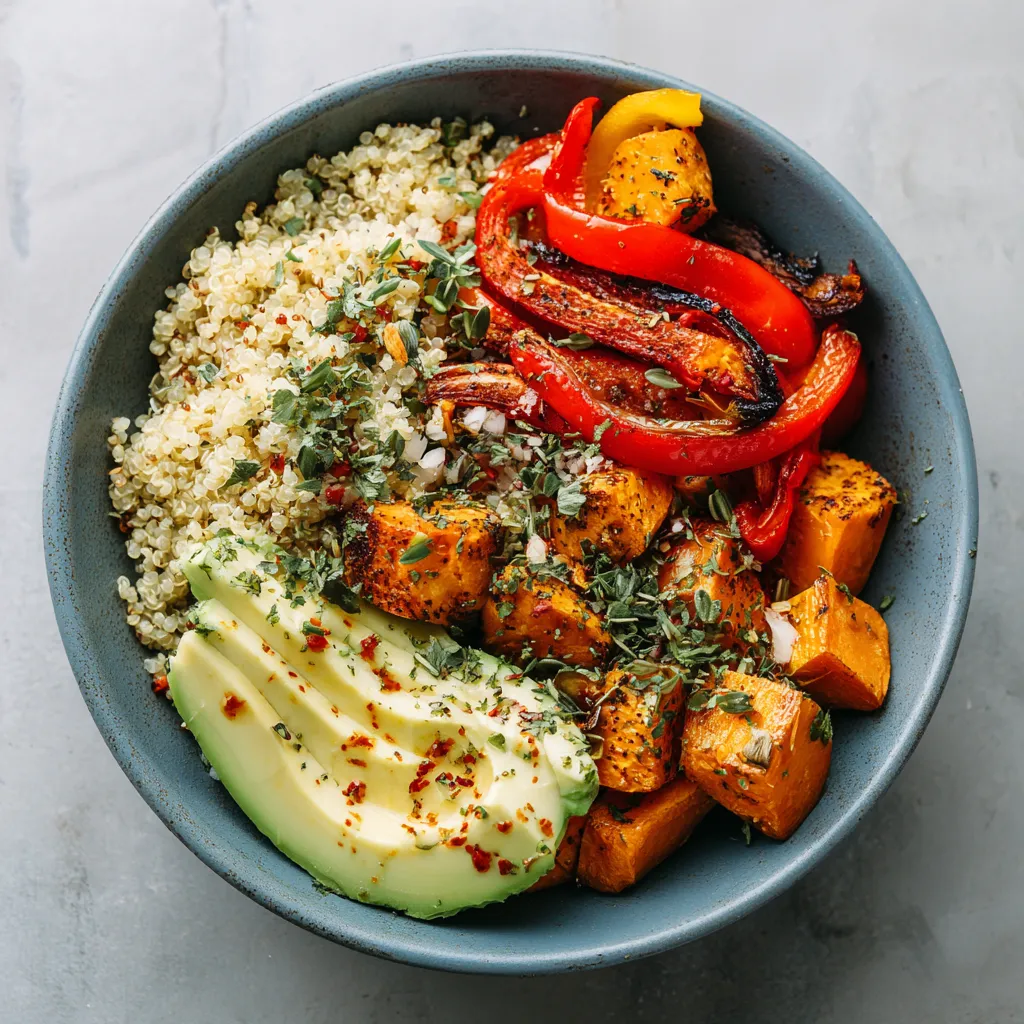
This colorful, nutrient-rich plant-based sous vide bowl features tender sweet potatoes, fluffy quinoa, and herb-roasted veggies with endless topping options.
- Prep Time: 10 minutes
- Cook Time: 1 hour 30 minutes
- Total Time: 1 hour 40 minutes
- Yield: 4 servings 1x
- Category: Main
- Method: Sous Vide
- Cuisine: Plant-Based
- Diet: Vegan
Ingredients
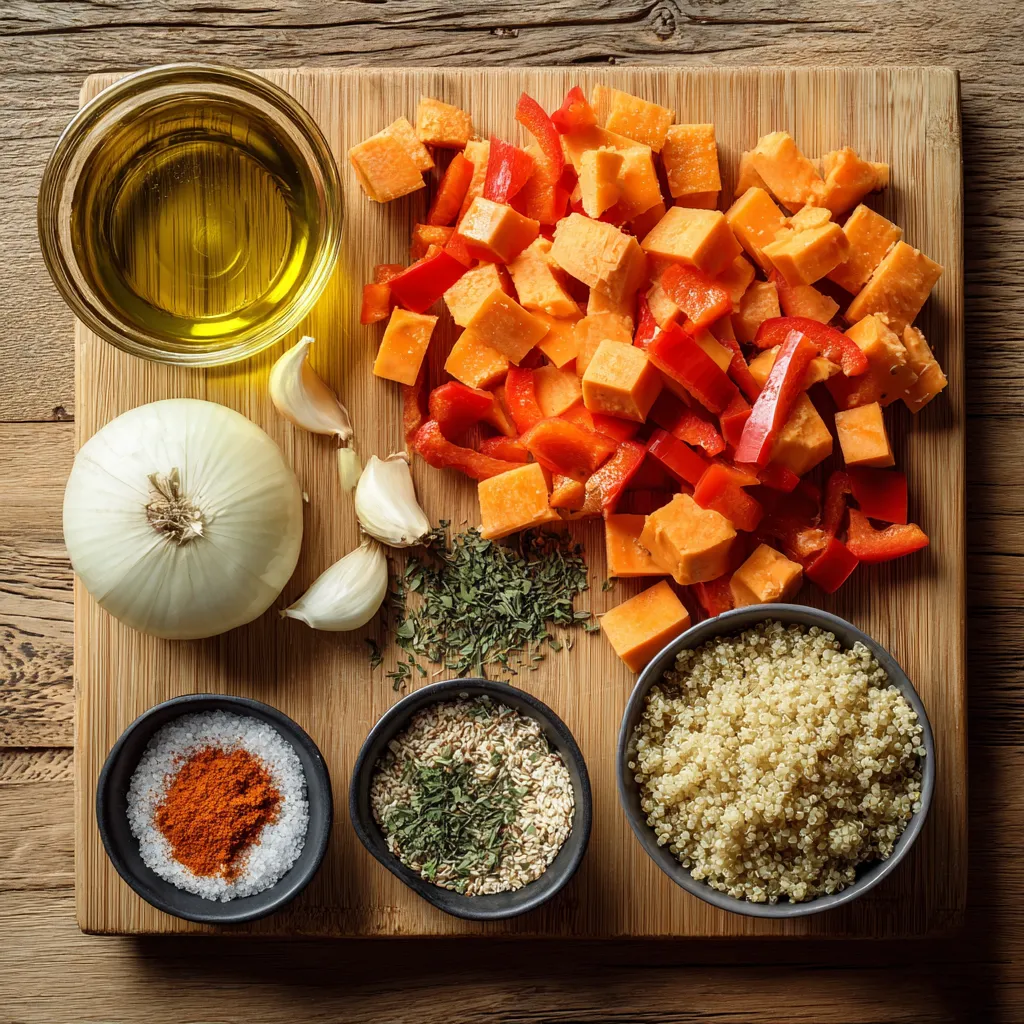
1 small yellow onion
1 bell pepper
2 teaspoons of olive oil
Salt and pepper to taste
1 cup of quinoa, rinsed
1 1/2 cups of water
2 cloves of garlic, minced
A few sprigs of fresh herbs (optional)
2 small sweet potatoes, peeled and diced into 1 inch pieces
Optional toppings: avocado, cilantro, plant based protein
Instructions
1. Set your Anova Sous Vide Precision Cooker to 180ºF / 82.2ºC.
2. Place sweet potato in a bag with 1 tsp olive oil, seal with minimal air, and sous vide for 30 minutes.
3. In another bag, combine quinoa, garlic, herbs, water, salt and pepper. Seal and set aside.
4. In another bag, combine onions and peppers with olive oil, salt and pepper. Set aside.
5. After 30 minutes, add both the quinoa and onion/pepper bags to the bath. Cook all for an additional 1 hour.
6. Once done, remove bags, cool slightly, and assemble bowls.
7. Top with avocado, plant-based protein, or fresh herbs.
Notes
Use reusable silicone bags for an eco-friendly option.
Make ahead for weekly meal prep—lasts up to 5 days in fridge.
Try swapping quinoa with lentils or brown rice for variation.
Nutrition
- Serving Size: 1 bowl
- Calories: 310
- Sugar: 4g
- Sodium: 300mg
- Fat: 10g
- Saturated Fat: 1.5g
- Unsaturated Fat: 7.5g
- Trans Fat: 0g
- Carbohydrates: 45g
- Fiber: 6g
- Protein: 8g
- Cholesterol: 0mg
Precision Cooking for Plants: Tools & Timing in Plant Based Sous Vide
The heart of every successful plant based sous vide recipe is control—especially temperature and time. Unlike traditional methods that rely on high, often uneven heat, sous vide uses consistent, gentle warmth to coax out the best texture and flavor in plant based foods. That’s what makes it such a powerful tool for vegans and vegetarians.
Let’s start with temperature. For vegetables like sweet potatoes, carrots, or beets, 180°F (82.2°C) is the sweet spot. It softens the fibers without turning them mushy. When you’re cooking sweet potatoes for a grain bowl, for example, a 30-minute bath at 180°F gives you that fork-tender bite while preserving color and nutrients. In contrast, more delicate ingredients like onions and peppers don’t need as much time—an hour is plenty when added after your root veggies have had their head start.
And then there’s quinoa. Yes, you can sous vide grains—and it works beautifully. Just place your rinsed quinoa with water, herbs, and a pinch of salt in a vacuum-sealed or zip-top bag. After an hour at 180°F, you’ll get fluffy, fully cooked quinoa with zero sticking or pot-watching. It’s a great base for your plant based sous vide bowls.
One of the best things about plant based sous vide is how forgiving it is for beginner cooks. There’s no need to babysit a pot or worry about burning dinner. Just set the temperature and walk away. This method allows plant foods to cook in their own juices without drying out, giving them deeper flavor and enhanced nutrients.
It’s not just for side dishes. Try using the same method for proteins like tofu or tempeh. At around 170°F for an hour, tofu firms up beautifully and absorbs marinades evenly. Add a touch of soy sauce, garlic, or even tahini to the bag, and you’ve got a main protein that’s both flavorful and easy to store for meals all week.
Want to take it further? Our guide to sous vide tofu with sesame glaze will walk you through step-by-step, showing how versatile sous vide can be for high-protein, meatless meals.
Plant-Based Sous Vide Equipment and Prep Guide for Home Cooks
One of the best things about plant based sous vide is that it works with basic equipment. A precision circulator like the Anova or Joule, a large pot, and a few reusable silicone bags are all you need. No need for plastic waste—eco-friendly sous vide bags are becoming the new standard. You don’t need a vacuum sealer to get started. The water displacement method with a zip-top bag works perfectly fine for most plant-based recipes.
For beginners, our guide to sous vide without plastic is a great place to start, especially if you’re trying to reduce kitchen waste while exploring a vegan lifestyle. And if you’re ready to upgrade, see our in-depth review of the best vacuum sealers for meal prep to help extend your food’s shelf life and minimize oxidation.
Cooking vegetables and grains via sous vide not only boosts flavor but also saves time during your busy week. You can batch-cook sweet potatoes, lentils, quinoa, and even Brussels sprouts all in one water bath—just adjust for timing. Sweet potatoes go in first, grains next, delicate greens last. Once cooled and stored, they’re ready for bowls, salads, or warm grain-based breakfasts.
For best results, keep your prep area organized. Chop, season, and bag ingredients ahead of time, then refrigerate them until you’re ready to cook. Label each bag with its contents and ideal time/temp. Trust us—it’s a simple step that keeps your sous vide workflow efficient.
If you’re prepping multiple bags for the week, use a rack or weight to keep your bags submerged evenly. Uneven cooking can lead to undercooked edges—something we cover in our batch cooking tips for plant-based sous vide meals.
Whether you’re cooking for the week or prepping for a dinner party, plant based sous vide offers consistency, minimal cleanup, and delicious results you can count on.
Flavors, Add-Ins & Plant Based Variety with Sous Vide
If you’ve ever struggled to make vegetables taste exciting, plant based sous vide is the upgrade you didn’t know you needed. The slow, even heat unlocks natural sweetness, enhances textures, and makes every bite more flavorful—even without butter, cream, or meat.
Let’s talk sweet potatoes. When you toss them with olive oil and seal them for a short 30-minute bath, the result is incredibly tender and caramelized, without ever using an oven. And quinoa? Sous vide quinoa cooks up fluffy, light, and never soggy. You’ll never deal with burnt-bottom pots or mushy grains again.
But what really takes plant based sous vide meals over the top is the way it infuses flavors. Try adding sprigs of rosemary or thyme to your sealed bags. The herbs gently release their oils, leaving your veggies tasting like they were slow-roasted in an herb garden. For bolder flavor, throw in minced garlic or a touch of miso for umami depth.
The simplicity of the method lets you prep in batches and mix and match. Roast onions and peppers in one bag, quinoa in another, and sweet potatoes in a third—then assemble your bowls throughout the week with toppings like avocado, vegan feta, or crispy chickpeas. It’s a great way to build meals without boredom. Need inspiration? Check out our plant-based sous vide protein options or this crowd-favorite meatless sous vide chili recipe.
With plant based sous vide, flavor doesn’t come from high heat or constant stirring—it comes from patience, precision, and well-chosen ingredients. The technique lets each vegetable speak for itself, while giving you endless room to experiment with sauces, spices, and textures.
Once you discover how versatile plant based sous vide cooking can be, you’ll want to use it for everything—from weeknight bowls to weekend brunches.
Plant Based Sous Vide Meal Prep Tips for Flavor Without the Fuss
The simplicity of plant based sous vide lets you prep in batches and mix and match. Roast onions and peppers in one bag, quinoa in another, and sweet potatoes in a third—then assemble your bowls throughout the week with toppings like avocado, vegan feta, or crispy chickpeas. It’s a great way to build meals without boredom.
Need ideas? Our plant-based sous vide protein roundup features vegan sausage, tempeh, marinated tofu, and more. Or, dive into this crowd-favorite meatless sous vide chili recipe to spice up your meal plan.
Batch cooking is where plant based sous vide truly shines. Make a week’s worth of perfectly tender veggies and grains in one session. Label your bags with temp and time, and toss them in the bath as needed—no need to watch the stove or worry about overcooking anything.
When storing, let items cool in an ice bath before refrigerating. Most cooked sous vide vegetables and grains last 4–5 days in the fridge. Reheat in a water bath at 140°F or gently on the stovetop with a splash of broth or olive oil.
With plant based sous vide, flavor doesn’t come from high heat or constant stirring—it comes from patience, precision, and well-chosen ingredients. The method allows each vegetable to retain its texture and absorb herbs, sauces, or spice blends without losing structure.
Once you discover how versatile plant based sous vide cooking can be, you’ll want to use it for everything—from weeknight bowls to weekend brunches. You can even prep desserts like poached pears or coconut chia puddings with ease.
This is more than just a cooking technique—it’s a game-changing strategy for anyone committed to flavorful, plant-forward eating made easier.
Storage, Prep, and Answers to Common Plant Based Sous Vide Questions
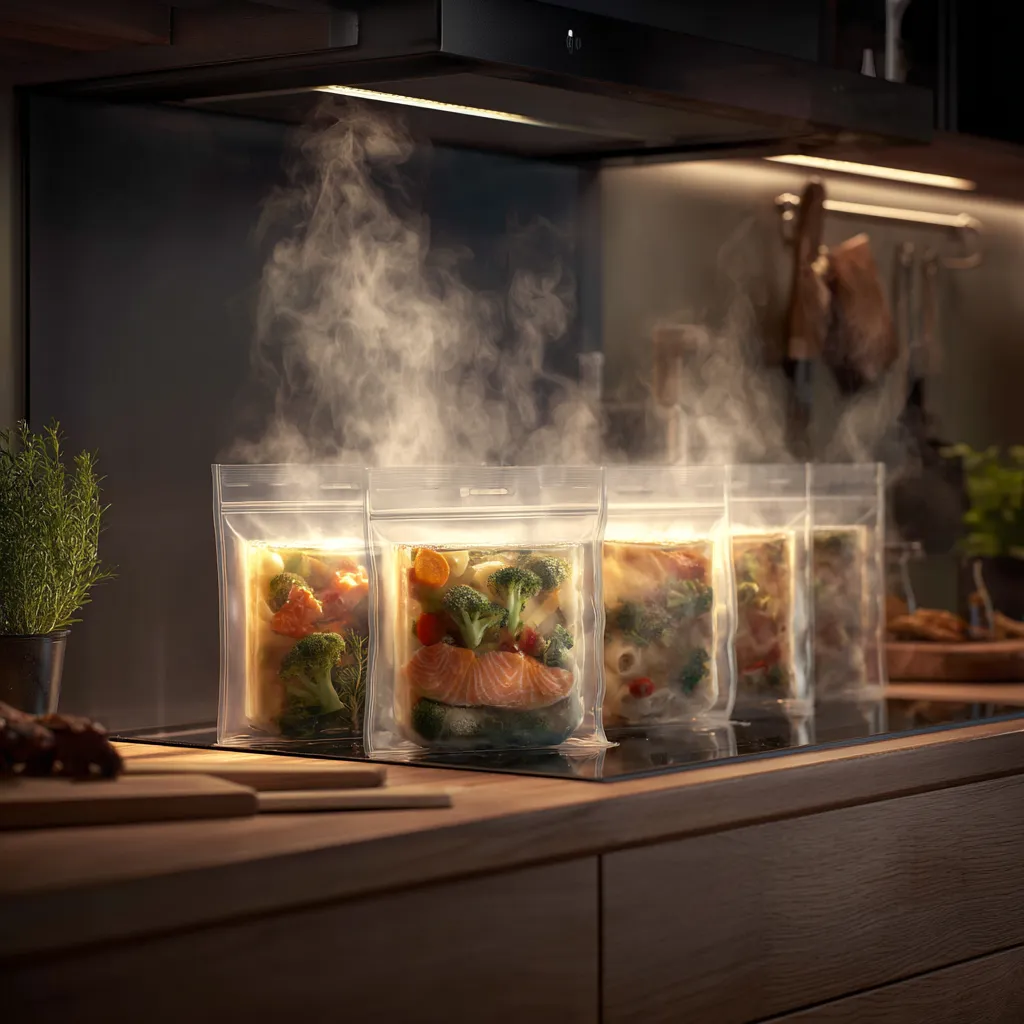
One of the best reasons to fall in love with plant based sous vide cooking is how meal-prep friendly it is. Whether you’re batch-cooking for the week or just prepping dinner in stages, this method keeps textures spot-on and flavors intact, even days later. That means no dry tofu, mushy sweet potatoes, or watery greens—just vibrant, ready-to-go ingredients that still taste fresh.
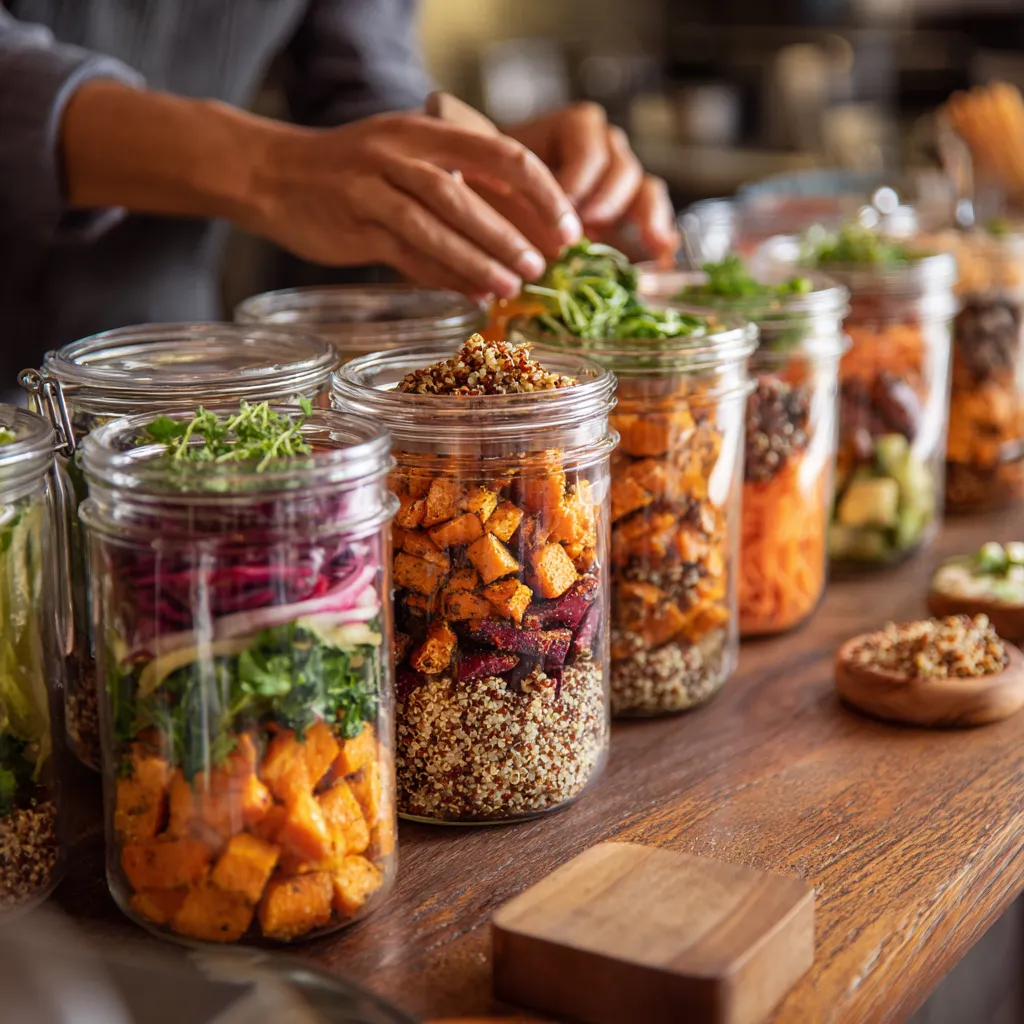
Let’s talk storage. After you’ve cooked your vegetables or grains, let the bags cool in an ice bath, then transfer the contents into airtight containers. Cooked quinoa and veggies like sweet potato or bell pepper will last up to 5 days in the fridge. You can even vacuum seal and freeze individual portions for longer storage—perfect for assembling lunch bowls on busy weeks. We often portion things like roasted carrots, seasoned lentils, and lemon-zested kale into glass jars so they’re ready when you are.
Reheating is just as easy. Either pop them back into a sous vide bath at 140°F for 15–20 minutes or gently warm them on the stovetop with a splash of broth or olive oil. You’ll preserve texture and moisture without re-cooking or drying out your ingredients. This makes plant based sous vide ideal for anyone balancing flavor and nutrition with a packed schedule.
Wondering if plant based sous vide is useful for vegans? Absolutely. It’s one of the most reliable techniques for preparing tofu, tempeh, lentils, and vegetables with consistent results. Tofu becomes firm yet tender. Tempeh softens just enough to absorb marinades without losing bite. Lentils hold their shape, and vegetables retain their natural flavor—making this method unbeatable for texture-sensitive ingredients.
Curious how to get that restaurant-quality tofu at home? Our sous vide tofu with garlic and sesame marinade breaks it down for you, showing exactly how to get firm, infused cubes perfect for bowls or wraps.
And what about alternatives to traditional sous vide gear? Yes, you can mimic the setup using a thermometer and a well-insulated pot, but it requires constant monitoring. For hands-free control—especially with plant based sous vide recipes—investing in a circulator is worth it. These devices are compact, easy to store, and allow for highly accurate temperature management. And yes, you can ditch plastic altogether. Reusable silicone bags make plant based sous vide both sustainable and safe. Check out our eco-friendly sous vide starter guide for top product picks and tips.
For plant-curious home cooks, plant based sous vide opens a world of possibilities. From better textures and deeper flavor to easy meal planning and reduced waste, it’s more than a cooking technique—it’s a strategy for eating better every single day.
Conclusion
Whether you’re a longtime vegan or simply trying to cook more meatless meals, plant-based sous vide is a technique that makes vegetables, grains, and proteins taste better—and easier to prep. From perfectly tender sweet potatoes to fluffy quinoa and vibrant bell peppers, it brings out the best in each ingredient.
The beauty of plant-based sous vide lies in its balance of simplicity and precision. You don’t need advanced skills or fancy gear to start. Just a circulator, some reusable bags, and quality produce. Once you see how easy it is to get restaurant-quality texture and flavor, you’ll want to apply this method to everything in your plant-based rotation.
With easy cleanup, reliable results, and customizable options, plant-based sous vide turns everyday cooking into a creative, stress-free experience. It’s not just about removing meat—it’s about making vegetables and whole foods shine like never before.
Join us on Facebook and Pinterest for even more delicious recipe ideas!
FAQs
What is the alternative method to sous vide?
You can mimic sous vide using a stovetop and thermometer to maintain water temperature, but it lacks precision. Slow cookers are also used, though without the same accuracy.
Is sous vide useful for vegans?
Yes, absolutely. Plant-based sous vide is ideal for cooking tofu, lentils, vegetables, and grains while preserving nutrients and texture.
What can you sous vide besides meat?
You can sous vide sweet potatoes, carrots, beets, quinoa, lentils, tofu, and even fruits like apples and pears.
Can you sous vide tofu?
Yes. Tofu holds its shape well and absorbs marinade flavors beautifully when cooked sous vide.
Is it possible to do sous vide without plastic?
Definitely. Use reusable silicone bags, glass jars, or vacuum-safe containers that are heat-tolerant and BPA-free.
Can I use a slow cooker instead of a sous vide?
A slow cooker doesn’t provide precise temperature control, so results will vary. It’s not ideal for sous vide–style cooking.
Why do chefs like sous vide?
Because it offers consistency, control, and moisture retention. Every item is cooked evenly to the perfect doneness—especially helpful in plant-based prep.