
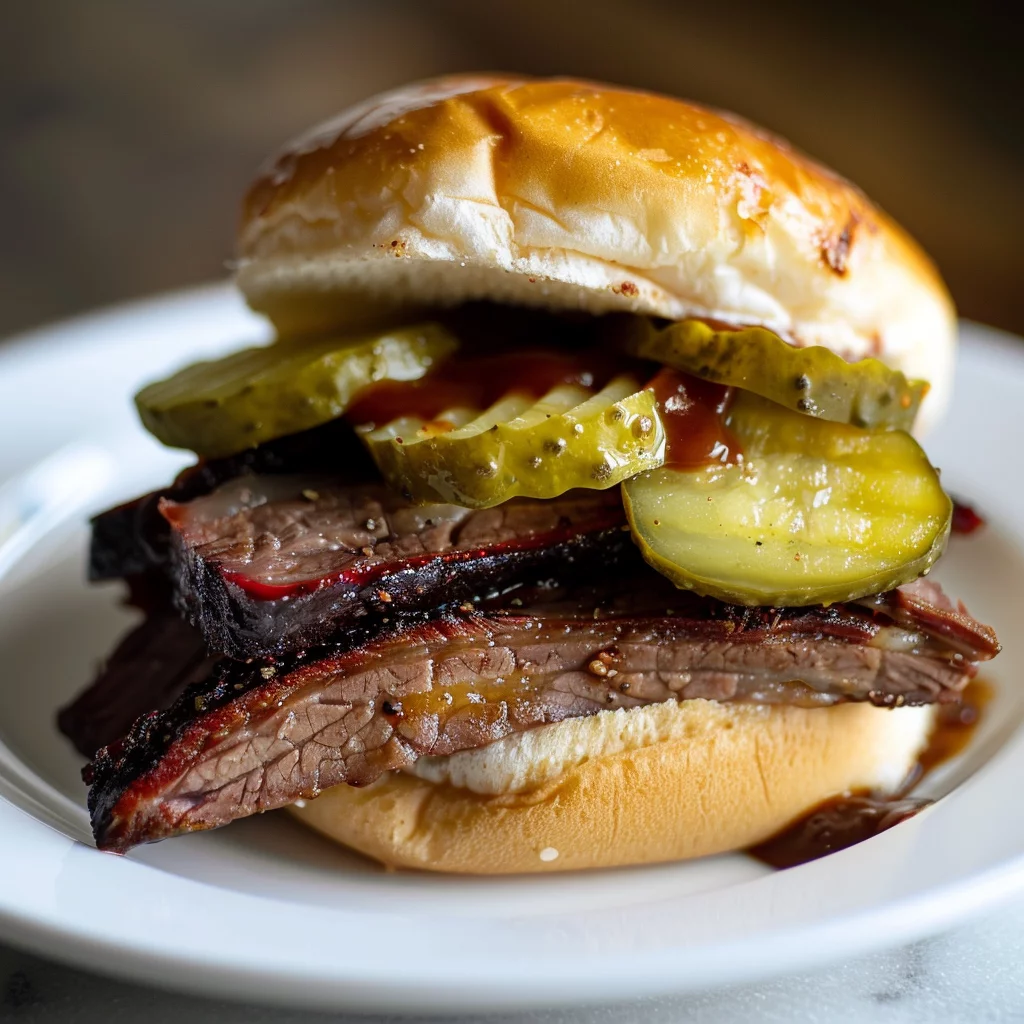
📑 Table of Contents ▶
- No Gril Sous Vide Brisket
- Mastering No Grill Sous Vide Brisket
- Fundamentals
- Preparation/Setup
- Perfecting Sous Vide Brisket Techniques
- Technique
- Tips/Tricks
- Achieving Perfect Results with Sous Vide Brisket
- Perfecting Results
- Troubleshooting/Variations
- Serving and Storing Sous Vide Brisket
- Serving/Presentation
- Pairings/Storage
- Conclusion
- FAQs – No Gril Sous Vide Brisket
Growing up in sunny Florida, I found inspiration in the fresh coastal flavors that surrounded me. Yet, it wasn’t until my first encounter with a perfectly cooked sous vide brisket that my culinary journey truly transformed. The melt-in-your-mouth texture unveiled a world of possibilities, proving that sous vide isn’t just a restaurant technique; it’s a game-changer for the home kitchen.
As a home cook, I cherish the simplicity and precision that sous vide brings to my recipes. This approach takes the guesswork out of cooking, delivering reliable results every time. Cooking should be a joyful experience, and with sous vide, it’s always a delightful adventure.
Whether you’re new to sous vide or looking to elevate your culinary skills, this method offers endless opportunities for creativity. It’s about making magic, one perfectly cooked bite at a time. The sous vide brisket, in particular, stands out for its tender perfection, making it a must-try for any cooking enthusiast.
Let’s dive into the world of sous vide brisket, exploring the fundamentals, preparation, and all the tips you need to create a dish that’s as impressive as it is delicious. With the right technique, you’ll discover that cooking sous vide brisket is not just easy—it’s transformative.
PrintNo Gril Sous Vide Brisket
Learn how to perfectly cook a mouthwatering No Grill Sous Vide Brisket at home. This easy recipe will elevate your cooking game and impress your guests!
- Prep Time: 20 minutes
- Cook Time: 36 hours
- Total Time: 36 hours 20 minutes
- Yield: 4 servings
- Category: Main Course
- Method: Sous Vide and Roasting
- Cuisine: American
Ingredients
- – 1/4 cup (60 ml) coarse black peppercorns
- – scant 1/4 cup (60 ml) kosher salt
- – 1 brisket, 2.25 kg (5 lb)
- – Buns, pickles, barbeque sauce for serving
Instructions
- Mix the black peppercorns and kosher salt together in a small container. Apply two-thirds of this mixture evenly over the surface of the brisket, saving the remaining third for later use.
- Place the brisket into a vacuum-seal bag. If needed, cut the brisket in half and use two bags. We made it fit into a single large bag. Use a vacuum sealer to close the bags and let them sit in the refrigerator for two hours.
- Prepare your precision cooker to 135°F (57°C) if you prefer a brisket with a tender, steak-like texture that can be sliced, or set it to 155°F (68°C) if you want a brisket that can be shredded.
- Put the brisket into a large container filled with water (we used a plastic storage box) and cover it with aluminum foil, a lid, or weigh it down with something heavy like a wire rack or stainless steel steaming baskets. Refer to the post for more details.
- Cook the brisket for 24 to 36 hours at 155°F or for 36 to 72 hours at 135°F. It may sound like a long time, but you can leave it unattended on the kitchen counter until it’s ready. It’s completely hands-off.
- Once cooked, allow the brisket to cool to room temperature before moving on to the next step (using an ice-cold water bath can speed up the process). At this point, you can store the brisket in the fridge for 5-7 days before finishing.
- Move the oven rack to the lower-middle position and preheat the oven to 150°C (300°F), or use the convection setting to heat it to 135°C (275°F).
- Take the brisket out of the bag and pat it dry with paper towels. Keep some of the liquid from the bag to enhance your barbecue sauce if you wish (refer to the post for more details).
- Rub the rest of the salt-and-pepper mixture onto the surface of the brisket. Set the brisket on a wire rack placed in a rimmed baking sheet, with the fatty side facing up, and roast in the oven until a deep, dark crust forms, which should take about 1.5 to 2 hours.
- Move the brisket to a cutting board and cover it loosely with foil. Let it rest until the temperature falls to between 63 and 74°C (145 and 165°F), which should take about 30 minutes. Cut the brisket against the grain into thin slices and serve with buns, dill pickles, and any other preferred condiments.
Notes
- Save some of the cooking liquid to enhance your barbecue sauce for added flavor.
- Place the brisket on a wire rack in a rimmed baking sheet for even cooking.
- Allow the brisket to rest before slicing to maintain juiciness and ease of serving.
Nutrition
- Calories: 400
- Fat: Varies
- Protein: Varies
Mastering No Grill Sous Vide Brisket
Fundamentals
The foundation of a perfect no grill sous vide brisket lies in understanding the basics. Sous vide cooking, which means “under vacuum” in French, involves sealing food in airtight bags and cooking it in a water bath at precisely controlled temperatures. This method ensures even cooking and enhances the flavors and textures of the ingredients.
For brisket, choosing the right cut is crucial. A well-marbled brisket will yield a juicier result, thanks to the fat melting slowly during the cooking process. The key is to season the brisket generously with coarse black peppercorns and kosher salt, creating a flavorful crust that enhances the meat’s natural taste.
Preparation/Setup
Begin by mixing the black peppercorns and kosher salt, then apply most of this mixture to the brisket, saving some for later. Place the brisket in a vacuum-seal bag, ensuring a snug fit. If necessary, cut the brisket to fit into the bag. Vacuum seal the bag and let it rest in the refrigerator for two hours to allow the flavors to meld.
Set up your precision cooker to your preferred temperature—135°F for a tender, steak-like texture or 155°F for a brisket that shreds easily. Place the brisket in a container filled with water, ensuring it’s fully submerged. Cover the container with aluminum foil or weigh it down to keep the brisket immersed. For detailed guidance, check out our how-to guide.
Perfecting Sous Vide Brisket Techniques
Technique
Cooking the brisket sous vide requires patience, but the results are worth the wait. Depending on your chosen temperature, cook the brisket for 24 to 36 hours at 155°F or 36 to 72 hours at 135°F. This slow cooking process ensures the meat becomes incredibly tender while retaining all its savory juices.
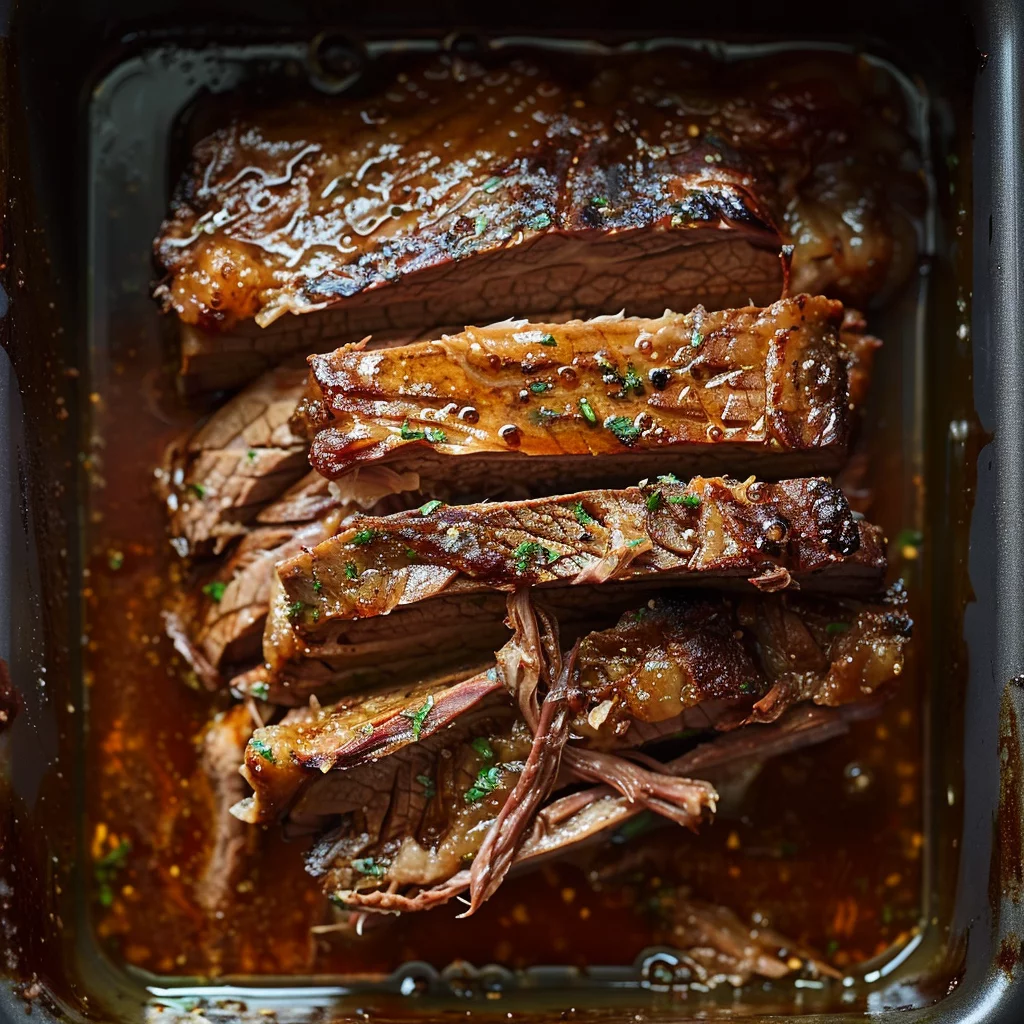
No Gril Sous Vide Brisket
Once the cooking time is complete, cool the brisket to room temperature. You can use an ice-cold water bath to speed up this process. At this stage, you can store the brisket in the refrigerator for up to a week, allowing you to prepare ahead for easy serving later.
Tips/Tricks
For the perfect finish, move the oven rack to the lower-middle position and preheat the oven. Use the convection setting for an even roast. Pat the brisket dry and rub the remaining salt-and-pepper mixture onto its surface. This final seasoning step is crucial for developing a deep, flavorful crust.
Place the brisket on a wire rack over a rimmed baking sheet with the fatty side up. Roast until a dark crust forms, which should take about 1.5 to 2 hours. This step adds a delightful texture contrast to the tender meat beneath. For more tips on finishing your brisket, explore our 72-hour brisket guide.
Achieving Perfect Results with Sous Vide Brisket
Perfecting Results
The key to perfecting sous vide brisket lies in resting it after roasting. Let the brisket rest until its temperature drops to between 63 and 74°C (145 and 165°F). This resting period allows the juices to redistribute throughout the meat, ensuring every slice remains moist and flavorful.
Slice the brisket against the grain to maximize tenderness. This technique shortens the meat fibers, making each bite more enjoyable. Serve with buns, pickles, and your favorite barbeque sauce for a classic presentation.
Troubleshooting/Variations
If your brisket isn’t turning out as expected, consider adjusting the cooking time or temperature. A longer cooking time at a lower temperature can enhance tenderness, while a higher temperature can achieve a more traditional texture. For more variations, check out our corned beef brisket recipe.
Experimenting with different seasoning blends can also add unique flavors to your brisket. Try incorporating smoked paprika or garlic powder into your rub for an added depth of flavor.
Serving and Storing Sous Vide Brisket
Serving/Presentation
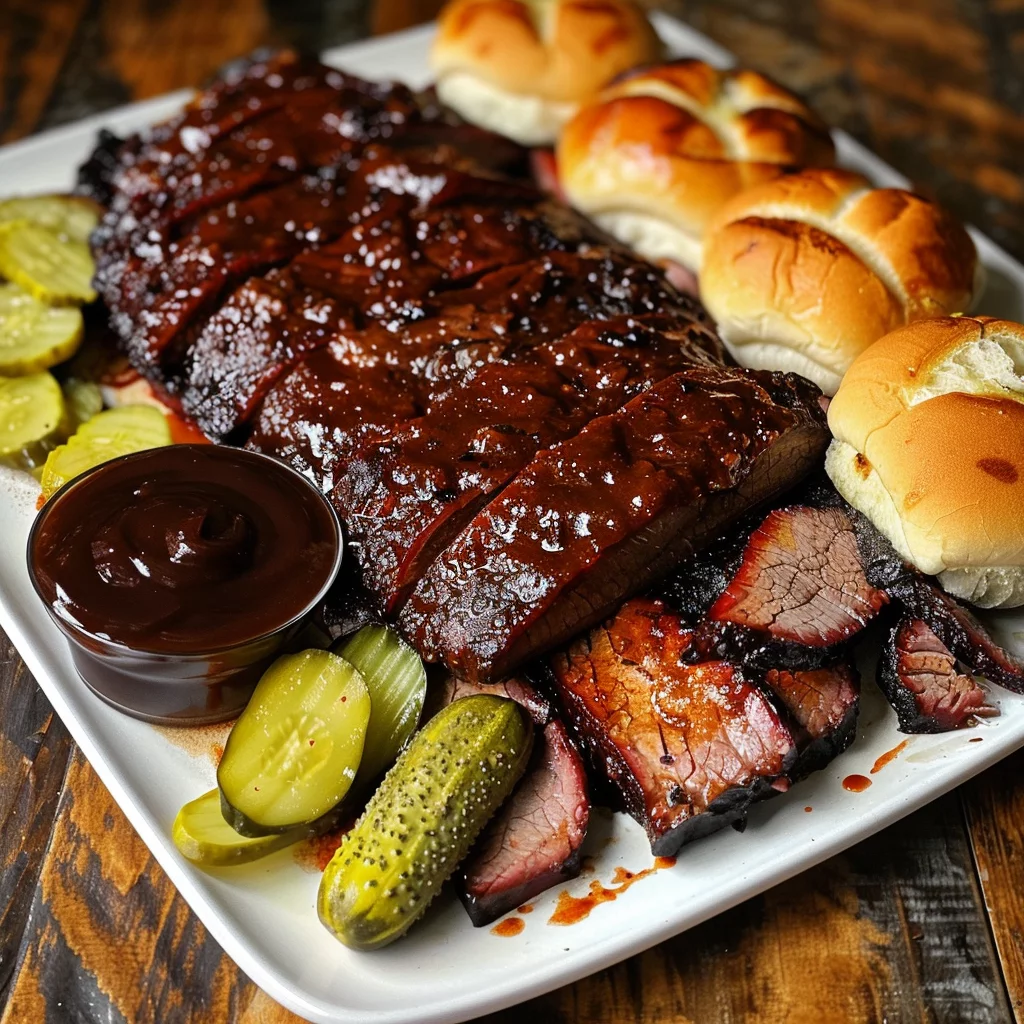
Presentation is key when serving sous vide brisket. Arrange the slices neatly on a platter, accompanied by freshly baked buns and crunchy dill pickles. The contrast between the tender brisket and the crisp pickles creates a delightful balance of flavors and textures.
For an extra burst of flavor, serve the brisket with a side of rich barbeque sauce. Using the reserved liquid from the vacuum-seal bag can enhance the sauce’s depth and complement the brisket’s savory notes.
No Gril Sous Vide Brisket
Pairings/Storage
Pair your sous vide brisket with classic sides like coleslaw or potato salad for a well-rounded meal. These sides add freshness and crunch, balancing the brisket’s richness. For more pairing ideas, explore our sous vide filet mignon guide.
Store any leftover brisket in an airtight container in the refrigerator for up to three days. To reheat, gently warm the slices in a preheated oven to maintain their tenderness and flavor. For long-term storage, consider vacuum sealing the slices and freezing them for up to three months.
Conclusion
Mastering no grill sous vide brisket opens a world of culinary possibilities. This technique guarantees tender, flavorful results every time, making it a staple for any home cook. With the right preparation, technique, and presentation, sous vide brisket becomes a centerpiece that impresses every guest.
Utilizing sous vide in your cooking not only elevates your dishes but also simplifies the process. It’s an investment in flavor, texture, and the joy of cooking. By embracing this method, you unlock the potential to create restaurant-quality meals in your own kitchen.