
➤ Table of Contents
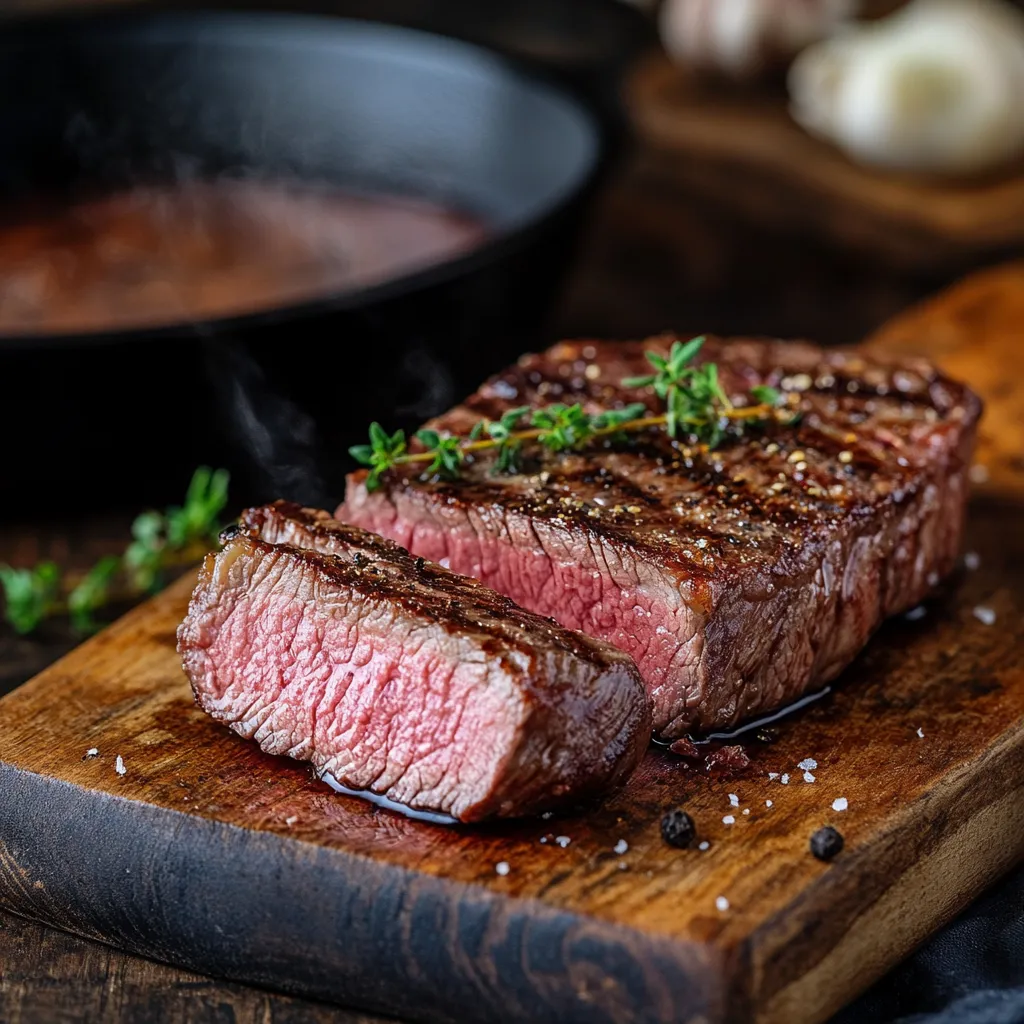
Hi there! I’m Jasmine, the home cook behind SousVideRecipe.com. Growing up in sunny Florida, I loved grilling steaks on weekends. But honestly? I always found it tricky to nail that consistent medium-rare center. Either the edges were too done or the middle wasn’t quite there. The first time I tried medium-rare sous vide ribeye, it was a total game-changer. I couldn’t believe how perfectly the steak turned out—pink from edge to edge, juicy, tender, and packed with flavor.
Medium-rare sous vide ribeye has always been my favorite steak to cook, both because of its rich marbling and its bold flavor. There’s something truly satisfying about slicing into a perfectly cooked medium-rare sous vide ribeye and seeing that beautiful pink interior. Ribeye is one of those cuts that rewards careful cooking, and the sous vide method lets the fat render slowly and evenly while keeping the meat incredibly tender. Since my first experience with sous vide, medium-rare sous vide ribeye has become an absolute staple in our house—whether it’s a casual weeknight dinner or a special meal for friends and family.
I remember experimenting in the early days—trying different temperatures and times. It didn’t take long to discover that medium-rare sous vide ribeye at exactly 132°F gave me that perfect result I wanted every time. What I love most about medium-rare sous vide ribeye is the reliability. Once you set the temperature and start the bath, there’s no stress. You know the steak will cook evenly, and it won’t accidentally overcook if you get distracted. This is why medium-rare sous vide ribeye quickly became my go-to recipe whenever I wanted an easy, foolproof meal that still feels like a treat.
Over time, I began experimenting with seasoning blends, different searing techniques, and even pairing medium-rare sous vide ribeye with compound butters or creamy horseradish sauces. But no matter how fancy I get, the star of the show is always that juicy, tender medium-rare sous vide ribeye. Friends often ask me how I manage to cook such perfect steak at home—and honestly, it’s all thanks to the magic of sous vide. Whether you’re brand new to sous vide cooking or already a fan, I can tell you that medium-rare sous vide ribeye is one of the best ways to start. It’s simple, it’s delicious, and it never disappoints.
These days, I keep a couple of ribeyes in the freezer just so I can whip up medium-rare sous vide ribeye whenever the craving hits. It’s comforting knowing I can pull them out, season them up, and in just a few hours have an incredible meal. If you haven’t tried making medium-rare sous vide ribeye yet, you’re going to love how easy and rewarding it is. I hope this guide helps you master your own perfect medium-rare sous vide ribeye—and that it becomes one of your favorites, too.
PrintMedium-Rare Sous Vide Ribeye
How to make a perfect medium-rare sous vide ribeye—juicy, tender, with a golden sear!
- Prep Time: 10 mins
- Cook Time: 2–4 hrs
- Total Time: 2–4 hrs 10 mins
- Yield: 2 servings 1x
- Category: Dinner
- Method: Sous Vide
- Cuisine: American
Ingredients
2 12 oz ribeye steaks
Kosher salt
Freshly cracked black pepper
2 tbsp ghee (or butter)
Instructions
1. Preheat water bath to 132°F for medium rare.
2. Season ribeyes with salt and pepper.
3. Vacuum seal or use water displacement method.
4. Cook in sous vide bath for 2–4 hours.
5. Remove from bath, pat steaks dry.
6. Preheat cast iron skillet over high heat.
7. Add ghee; sear fatty edges first.
8. Sear each side for 1 min or until crust forms.
9. Rest 2–3 minutes before slicing and serving.
Notes
For extra flavor, serve with compound butter or creamy horseradish.
If cooking from frozen, add 30 min to cook time.
Nutrition
- Serving Size: 1 steak (12 oz)
- Calories: 839
- Sugar: 0g
- Sodium: 177mg
- Fat: 63g
- Saturated Fat: 31g
- Unsaturated Fat: 27g
- Trans Fat: 0g
- Carbohydrates: 0g
- Fiber: 0g
- Protein: 68g
- Cholesterol: 246mg
First Time Sous Viding Steak: Game-Changer Moment
I still remember my first sous vide ribeye. I used an immersion circulator set to 132°F, followed all the steps, and waited anxiously. After that final sear, slicing into the steak was magic—edge-to-edge pink with a buttery texture. My husband’s first bite? “This is better than any steakhouse.” That was it. I was hooked.
Now, no matter how busy life gets, I can trust sous vide to deliver the perfect medium-rare sous vide ribeye every time. Whether you’re new to sous vide or an old hand, I’m here to help you do the same. Check out my Beginner’s Guide to Sous Vide—let’s cook something delicious together.
When I first started cooking with sous vide, I had so many questions: What temperature should I use? How long should I cook it? How do I get that restaurant-quality sear? Over time, I experimented and learned that 132°F is the perfect temp for medium-rare sous vide ribeye. That’s the sweet spot for a steak that’s juicy, tender, and bursting with flavor. The beauty of sous vide is that it takes away the stress—you simply set it, let the ribeye bathe gently, and then finish with a quick sear for that irresistible crust.
One of the reasons medium-rare sous vide ribeye has become my favorite steak is how easy it is to customize. Some nights I season simply with kosher salt and pepper; other times I’ll add a garlic herb rub or pair the steak with a rich compound butter. No matter how I serve it, the star is always that melt-in-your-mouth medium-rare sous vide ribeye.
These days, I keep a stash of ribeyes in the freezer, ready to go. The great thing is, sous vide works beautifully even from frozen—so I can have medium-rare sous vide ribeye anytime a craving hits. The process is simple: season, seal, sous vide, sear, and serve. It’s honestly one of the most rewarding things you can make at home.
If you’re new to sous vide cooking or thinking about trying medium-rare sous vide ribeye for the first time, you’re in for a treat. Once you taste that perfectly tender and juicy steak, you’ll understand why it’s become my go-to recipe. Whether you’re just starting out or looking to take your cooking to the next level, I’m here to help you master the art of medium-rare sous vide ribeye
Choosing the Best Ribeye for Sous Vide
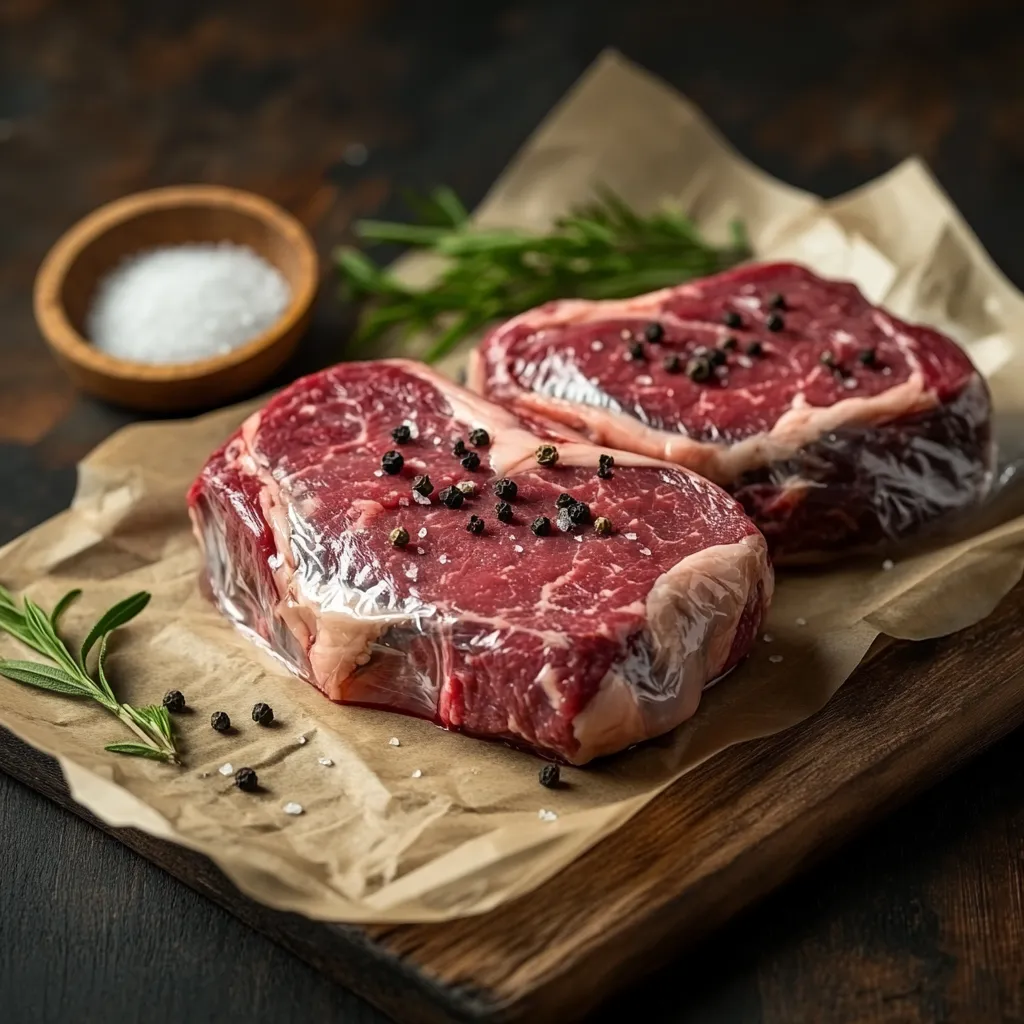
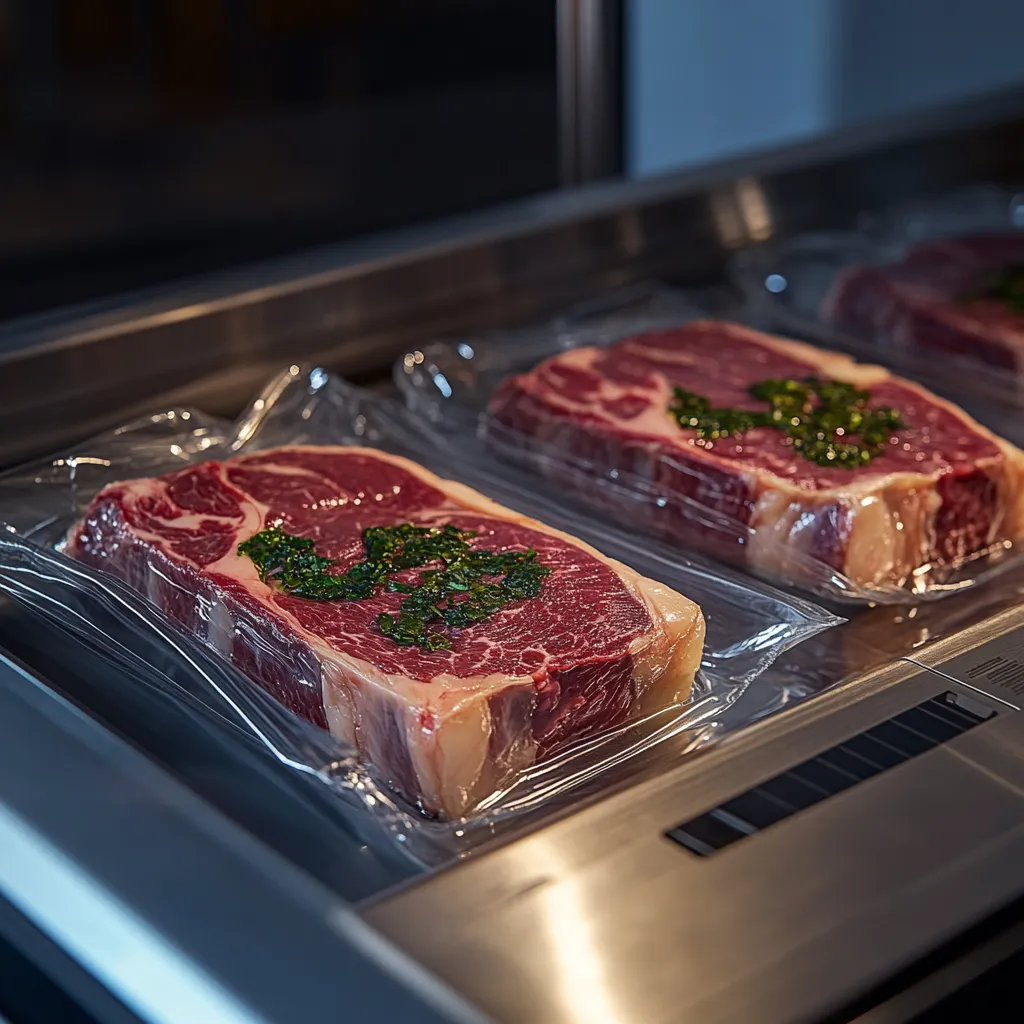
When it comes to medium-rare sous vide ribeye, starting with a great cut is key. I always look for steaks with bright red color and plenty of even marbling. Those little streaks of fat melt beautifully during sous vide, giving you that signature juicy flavor. Steer clear of steaks that look dull or grayish—freshness matters when preparing medium-rare sous vide ribeye.
In fact, one of my favorite tips is to take a close look at the marbling when choosing steaks for medium-rare sous vide ribeye. The more evenly distributed the fat, the better it will render during the long, slow sous vide cook. That’s what delivers a buttery texture and rich beefy taste that sets a great medium-rare sous vide ribeye apart from an average one.
Don’t stress if your ribeyes come from the grocery store or Costco. What really transforms them is the sous vide process itself. It tenderizes the meat and perfectly cooks it to medium rare, edge to edge. I’d argue that medium-rare sous vide ribeye is one of the easiest ways to take even an affordable cut and turn it into something that tastes like a premium steakhouse experience.
Another reason I love making medium-rare sous vide ribeye is how forgiving it is. Unlike grilling or pan-searing, where a few seconds can mean the difference between perfect and overdone, sous vide keeps the steak at the exact temperature you want. That’s why I trust this method any time I want to impress dinner guests with a flawless medium-rare sous vide ribeye.
Over the years, I’ve tried all sorts of beef cuts with sous vide, but ribeye remains my favorite for medium-rare. The marbling, flavor, and tenderness all shine with this method. No matter your skill level, you can count on medium-rare sous vide ribeye to deliver consistently mouthwatering results. Once you’ve tried it, you’ll understand why this is my go-to method for steak night at home. If you’re looking to build confidence in your sous vide cooking, start with medium-rare sous vide ribeye—you won’t regret it.
Ideal Temperature and Timing for Medium-Rare
For that melt-in-your-mouth texture, I recommend setting your immersion circulator to 132°F (55.5°C). This hits the sweet spot for a true medium-rare sous vide ribeye—not too rare, not too done. At this temperature, you’ll get that signature juicy, rosy center that makes medium-rare sous vide ribeye such a crowd-pleaser.
How long should you sous vide? I like 2 to 4 hours for medium-rare sous vide ribeye. Two hours is enough to bring the steak up to temperature and tenderize it nicely. Going up to four hours softens the connective tissues even more—perfect if you love an extra-tender result in your medium-rare sous vide ribeye.
Another reason I recommend this range is flexibility. If I’m preparing medium-rare sous vide ribeye for a dinner party, I can start the bath early and leave the steaks in a bit longer without worry. The precision of sous vide means that no matter whether you go two, three, or four hours, your medium-rare sous vide ribeye will be perfectly cooked and ready to finish with a quick sear.
In my experience, thicker steaks—say, 1.5 to 2 inches—benefit from the full four hours, while thinner steaks do beautifully at two to three. The beauty of medium-rare sous vide ribeye is that it’s incredibly forgiving. You won’t have to hover or guess—just set the temperature, seal your steaks, and let the water bath do its work.
And here’s the best part: once your medium-rare sous vide ribeye reaches temperature, it stays there. You won’t accidentally overcook it if you’re delayed by a few minutes. That’s the magic of sous vide and why I turn to medium-rare sous vide ribeye again and again for reliable, steakhouse-quality results at home.
If you’re just getting started with sous vide, try the 132°F, 2–4 hour method for medium-rare sous vide ribeye—you’ll be amazed at how consistently delicious your steaks turn out.
Here’s a quick reference:
| Doneness | Temperature | Time |
|---|---|---|
| Rare | 126°F (52.2°C) | 2–4 hours |
| Medium-Rare | 132°F (55.5°C) | 2–4 hours |
| Medium | 138°F (58.8°C) | 2–4 hours |
| Medium-Well | 142°F (61.1°C) | 2–4 hours |
Because sous vide cooks at a precise temperature, your steak won’t accidentally overcook—even if you leave it in the bath for an extra hour. It’s one of the reasons I love using this method so much.
Getting the Perfect Sous Vide Cook
Vacuum Sealing vs. Water Displacement
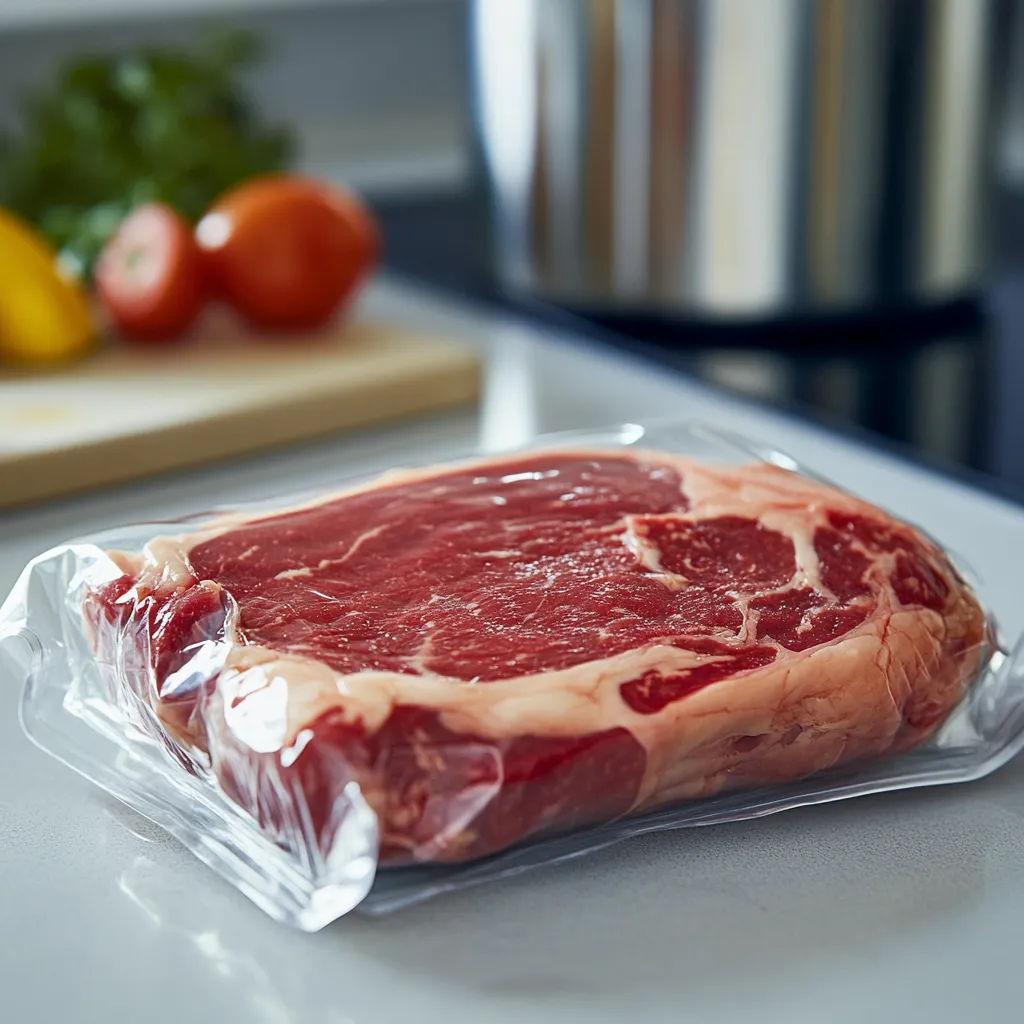
One of the best parts of cooking medium-rare sous vide ribeye is how simple the prep really is. The first step is sealing the steaks properly so they cook evenly in the water bath.
I often use a vacuum sealer, which removes air and creates a tight seal around the steak. If you have one—great! If not, don’t worry. The water displacement method works just as well. Just place your seasoned steak in a sturdy zip-top bag, slowly lower it into the water, and let the pressure push out the air before sealing the top.
No matter which method you use, the goal is the same: minimize air pockets so the ribeye cooks evenly.
Preventing Floating and Ensuring Even Cooking
Even with a good seal, sometimes steaks can float in the sous vide bath—and floating steaks mean uneven cooking. I always keep a couple of sous vide magnets or clips handy. They help anchor the bag and keep your ribeye submerged the entire time.
If you don’t have magnets, you can also weigh down the bag using a metal spoon or butter knife inside the bag (just be sure it’s food-safe and won’t pierce the plastic).
By keeping the steaks fully under water, you ensure that rich, pink medium-rare sous vide ribeye from edge to edge. It’s one of those little tips that makes a big difference when you’re aiming for steak perfection.
The Final Sear for Medium-Rare Sous Vide Ribeye
The Art of the Perfect Sear
Once your ribeye has bathed for 2 to 4 hours, it’s time for the fun part: searing. This is what takes your medium-rare sous vide ribeye from good to restaurant-quality.
First, remove the steak from the bag and pat it thoroughly dry with paper towels. Moisture on the surface will cause steam, not sear—so don’t skip this step.
I heat a cast iron skillet over high heat until it’s smoking hot, then add ghee or clarified butter. Why ghee? It handles high heat beautifully without burning, giving the steak a deep, golden crust. If you prefer, butter or high-smoke-point oils also work.
Start by searing the fatty edges of the ribeye first—this helps render that delicious fat. Then sear each side for about one minute per side. You want a gorgeous crust without overcooking the inside.
Resting and Serving Tips for Maximum Flavor
Once seared, transfer your medium-rare sous vide ribeye to a cutting board and let it rest for 2–3 minutes. This lets the juices redistribute, so every bite is tender and flavorful.
When it’s time to slice, cut across the grain. I love serving ribeye simply—maybe with a little blue cheese butter or creamy horseradish sauce. But honestly, with that incredible sous vide texture, the steak shines all on its own.
That’s it—you’ve got a perfectly cooked, juicy, medium-rare sous vide ribeye ready to enjoy!
Conclusion
If you’ve ever worried about undercooking or overcooking steak, sous vide takes out the guesswork. With the simple steps above, you’ll create a perfect medium-rare sous vide ribeye every single time. From choosing a well-marbled cut to sealing, cooking, and getting that final beautiful sear, this method delivers juicy, flavorful results that rival any steakhouse.
Whether you’re cooking for a weeknight treat or a special occasion, sous vide makes it easy—and fun—to impress. I hope this guide inspires you to try it for yourself. And when you do, let me know how it turns out. Happy cooking!
Join us on Facebook and Pinterest for even more delicious recipe ideas!
FAQs
What temperature is medium rare for ribeyes?
Medium rare ribeye is best cooked at 132°F (55.5°C) for that perfect pink center.
How long to sous vide ribeye medium rare?
For medium rare, sous vide your ribeye for 2 to 4 hours at 132°F. The longer time helps tenderize thicker steaks.
What temperature is medium rare eye fillet sous vide?
For eye fillet (also known as filet mignon), use the same 132°F temperature for medium rare.
What temperature is medium rare for tri tip sous vide?
Tri tip also turns out beautifully at 132°F for medium rare, though you can go slightly higher (133–134°F) for a bit more tenderness.
Is 3 hours too long to sous vide steak?
No—3 hours is right in the ideal range for sous vide ribeye. Anywhere from 2 to 4 hours works great.
How many minutes for 1 inch medium rare steak?
For 1-inch steaks, 2 hours at 132°F is plenty, but you can go a little longer for extra tenderness.
Can I overcook a sous vide steak?
Technically no—the steak won’t go above your set temperature. But cooking too long (past 4+ hours) can affect texture, making it too soft.