
➤ Table of Contents
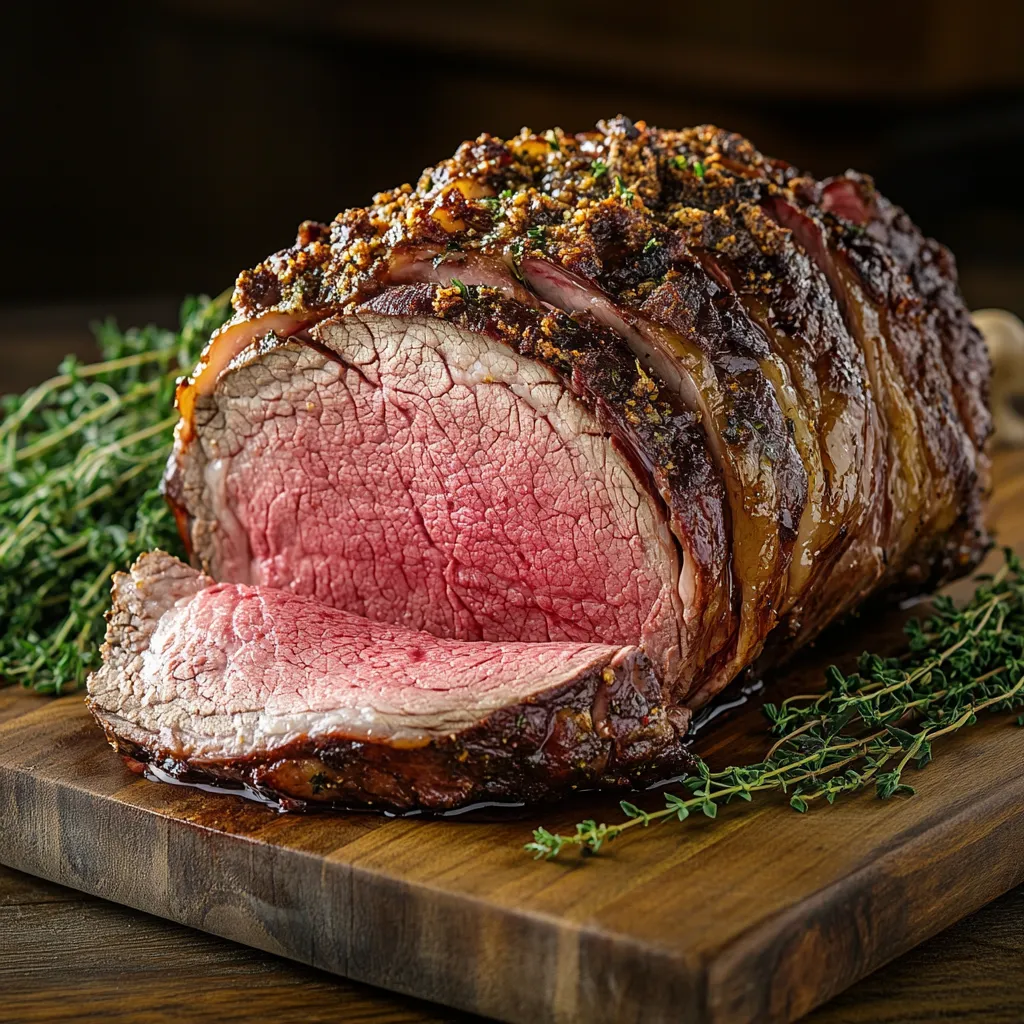
Growing up in sunny Florida, my holiday table was always filled with bright seafood and vibrant salads. But everything changed the first time I made medium-rare sous vide prime rib for my family. I still remember feeling nervous that day—prime rib has such a reputation for being tricky. I wanted that deep pink center and buttery texture, but my old oven-roasting method never seemed to hit the mark.
Either I ended up with a dry outer layer or an undercooked middle. Then I discovered sous vide. That first time I sliced into my medium-rare sous vide prime rib, I was amazed. The entire roast was perfectly pink, edge-to-edge, with no gray bands and no dryness—just tender, juicy, melt-in-your-mouth beef with every bite.
Since then, sous vide prime rib has become my signature dish—not only for the holidays but anytime I want to impress guests. The beauty of medium-rare sous vide prime rib is that you can get professional-quality results at home, without the stress. Whether I’m cooking for my family or serving a dinner party, I know that when I pull my sous vide prime rib roast out of the bag, it’ll be exactly the way I want it: juicy, flavorful, and perfectly cooked.
And here’s the best part: sous vide prime rib lets you spend more time with your loved ones because you’re not tethered to the oven or constantly checking the meat thermometer. Once you set the water bath, you’re free to enjoy the gathering while your medium-rare sous vide prime rib slowly transforms into a stunning roast.
If you’ve ever wondered if sous vide is worth trying for prime rib, I can say from experience—it’s the absolute best way to cook it. The precision of sous vide takes all the guesswork out of the equation. You won’t have to worry whether your prime rib sous vide will be undercooked or overcooked. Instead, this method locks in moisture, enhances flavor, and delivers that mouthwatering medium-rare sous vide prime rib every time.
In this guide, I’ll take you through everything you need to know—from seasoning and prep to cooking times and searing tips—so you can wow your guests with a medium-rare sous vide prime rib that’s pink and juicy from edge to edge. Whether you’re new to sous vide or looking to upgrade your roast game, this foolproof method for sous vide prime rib is one you’ll come back to again and again.
PrintMedium-Rare Sous Vide Prime Rib
This juicy, tender Medium-Rare Sous Vide Prime Rib is easy to prepare and delivers perfect results every time.
- Prep Time: 10 minutes
- Cook Time: 8-12 hours
- Total Time: 8-12 hours 10 minutes
- Yield: 6–8 servings 1x
- Category: Dinner
- Method: Sous Vide
- Cuisine: American
Ingredients
6–8 lb rib roast, bone-in
kosher salt
freshly cracked black pepper
1/4 cup butter, softened
1 tbsp dried rosemary
2 tsp dried thyme
1 tsp garlic powder
1 tsp dried sage
1 tsp kosher salt
1/2 tsp freshly cracked black pepper
Instructions
1. Liberally season the rib roast with kosher salt and pepper. Refrigerate uncovered for 1-24 hours.
2. Preheat sous vide bath to 130°F.
3. Vacuum seal the roast or use water displacement method.
4. Cook in sous vide bath for 8-12 hours.
5. Chill roast in an ice bath for 10-15 minutes.
6. Preheat oven to 450°F.
7. Combine softened butter with herbs and spices.
8. Rub butter generously over roast.
9. Roast in oven for 10-15 minutes until crust is golden.
10. Let rest 10 minutes before slicing. Serve and enjoy.
Notes
For more flavor, add garlic cloves or fresh thyme inside the vacuum bag. For extra crispy crust, finish with a kitchen torch after oven roasting.
Nutrition
- Serving Size: 8 oz
- Calories: 650
- Sugar: 0g
- Sodium: 700mg
- Fat: 45g
- Saturated Fat: 20g
- Unsaturated Fat: 22g
- Trans Fat: 0g
- Carbohydrates: 1g
- Fiber: 0g
- Protein: 50g
- Cholesterol: 150mg
How Sous Vide Guarantees a Perfect Medium-Rare Prime Rib
Here’s why sous vide is a game-changer for cooking prime rib. By immersing the roast in a precisely controlled water bath, you set the exact temperature you want the beef to reach—typically 130°F for that ideal medium-rare sous vide prime rib. The roast slowly cooks to the perfect doneness edge-to-edge, without any risk of overcooking.
Because the temperature never exceeds your set point, your prime rib can stay in the water bath for hours with no loss of quality. In fact, this low-and-slow method tenderizes the meat beautifully. Whether you cook for 8, 12, or even 24 hours, your roast will be flavorful, juicy, and sliceable. Plus, finishing it with a hot oven sear or cast-iron skillet gives you that crave-worthy crust without affecting the perfect pink center.
Dry Brining for Better Flavor and Texture
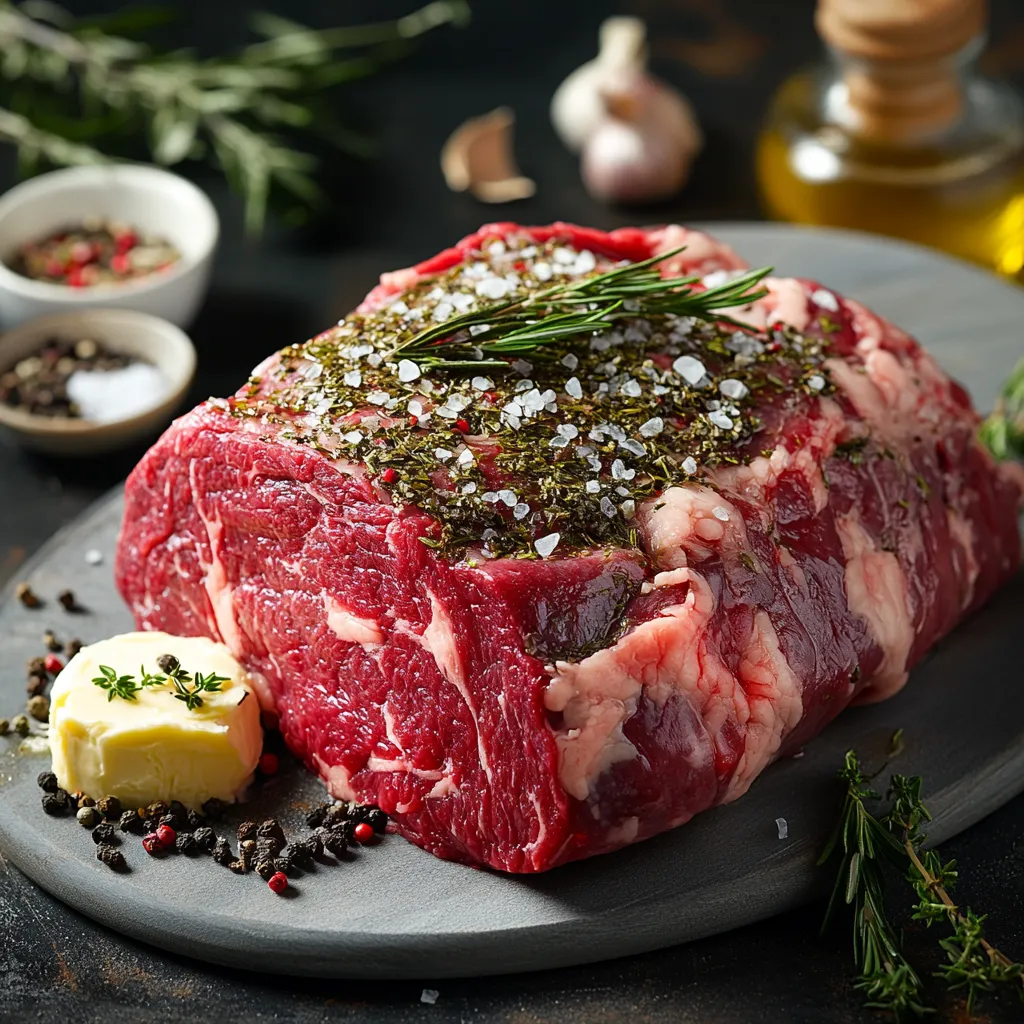
One of the best tips for achieving a perfect medium-rare sous vide prime rib is to dry brine the roast ahead of time. This simple, often overlooked step is a total game-changer for your sous vide prime rib roast.
When you dry brine your prime rib before placing it in the water bath, you set the foundation for rich flavor and juicy texture. The salt draws out some of the surface moisture, which allows the meat to later reabsorb its juices, while also helping to tenderize the beef naturally. The result? A medium-rare sous vide prime rib that’s bursting with flavor and tenderness in every slice.
To dry brine, all you need to do is generously season your prime rib with plenty of kosher salt and freshly cracked black pepper. Be sure to coat the entire surface of the roast—don’t be shy here.
Then, I recommend placing your seasoned sous vide prime rib roast on a wire rack over a baking sheet and refrigerating it uncovered. Let it rest for at least 12 hours, but if you can, aim for the full 24 hours. This extra time allows the salt to penetrate deep into the meat, seasoning your medium-rare sous vide prime rib all the way through. It also helps develop a nice surface texture that will crisp up beautifully when you finish the roast in the oven or skillet.
Dry brining is especially helpful for larger cuts like sous vide prime rib because it guarantees that every bite will be as flavorful as the next. Whether you’re preparing a 6-lb roast for a small gathering or an 8-lb medium-rare sous vide prime rib for a big holiday feast, dry brining will take your results to the next level.
For more tips on seasoning and prepping beef for sous vide, check out my post on Sous Vide Beef Recipes—it’s full of helpful tricks to make your next roast even better.
Vacuum Sealing vs. Ziploc Bag: Which Method is Best?
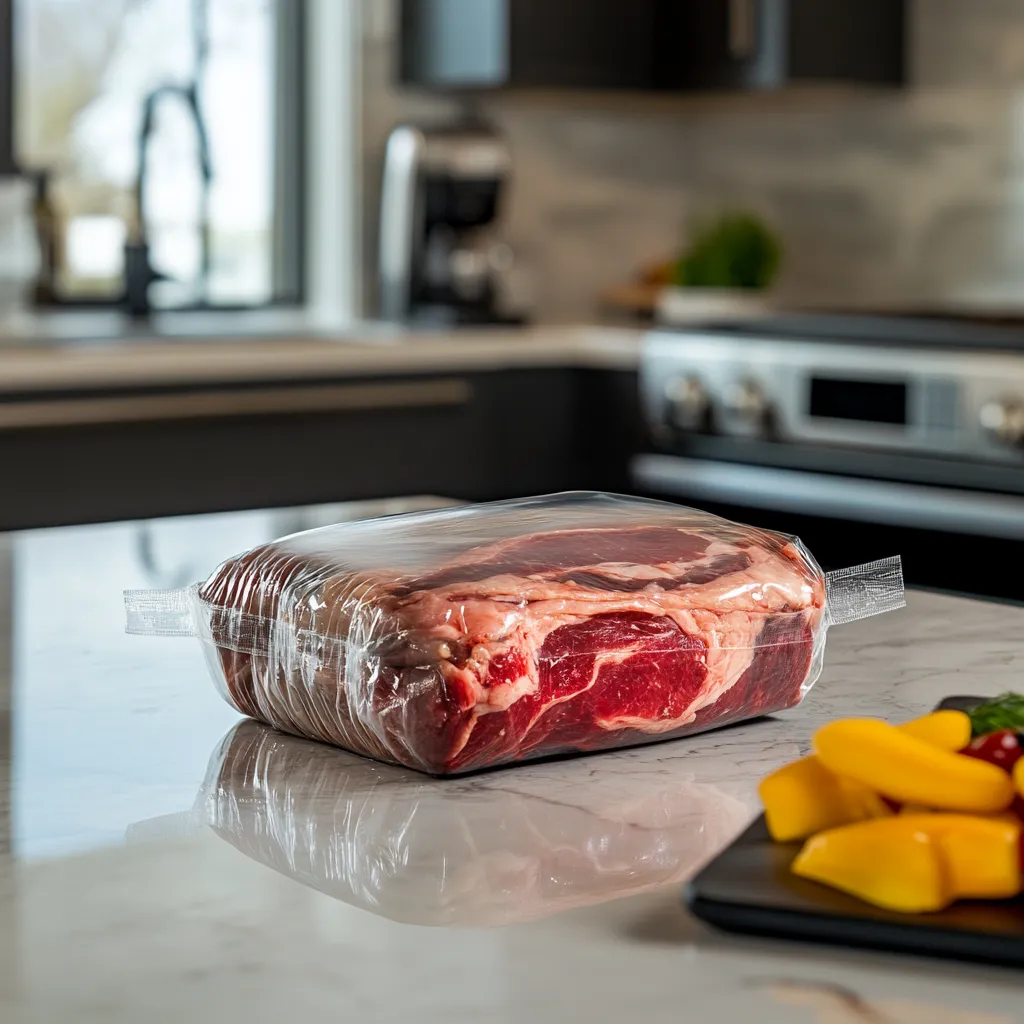
When it comes to sealing your medium-rare sous vide prime rib for cooking, you have a couple of excellent options. The first—and my personal favorite—is to use a vacuum sealer. Vacuum sealing removes nearly all of the air from around the roast, allowing your sous vide prime rib roast to stay tightly packaged and fully submerged in the water bath throughout the cooking process. This method is especially useful for longer cooks, like the 8- to 12-hour range commonly used for medium-rare sous vide prime rib. By removing excess air, you also prevent the bag from floating and help ensure that your roast cooks evenly from edge to edge.
But don’t worry if you don’t own a vacuum sealer yet—you can still make a fantastic sous vide prime rib using the simple water displacement method and a large Ziploc freezer bag. Just season your prime rib roast as usual, then carefully place it inside the bag. Slowly lower the bag into the water bath so that the pressure of the water forces out most of the air. Once nearly all the air is out, zip the bag closed and make sure the roast stays fully submerged. This is a great alternative for beginners or for those cooking medium-rare sous vide prime rib on the fly.
For larger cuts of meat—such as a full 6 to 8 lb sous vide prime rib roast—I do recommend using an extra-large vacuum roll or double-bagging with Ziplocs, as this will give you the best seal and the most consistent results. A good seal also locks in those flavorful juices and prevents leaks in the water bath, helping you achieve the juicy, tender medium-rare sous vide prime rib you’re aiming for.
A good vacuum seal helps maintain even cooking, prevents bag floating, and locks in flavors. If you’re cooking larger cuts—like a full 6 to 8 lb rib roast—you may need to use an extra-large vacuum roll or double-bag with Ziplocs. For those new to this technique, my Sous Vide Starter Guide is packed with step-by-step visuals to help you get started.
Ideal Time and Temperature for Medium-Rare Sous Vide Prime Rib
The beauty of sous vide is that once your medium-rare sous vide prime rib is in the water bath, you can relax and let precision cooking work its magic. No more checking internal temps every 20 minutes or worrying about overcooking. For medium-rare sous vide prime rib, the ideal target temperature is 130°F (54.4°C). At this sweet spot, your roast develops that iconic, rosy pink center with rich, juicy texture throughout. What’s truly remarkable about sous vide is how evenly the roast cooks—from the very edges to the middle, your entire sous vide prime rib roast stays perfectly medium-rare.
Timing is key to getting the texture just right. For larger cuts of sous vide prime rib between 6 to 8 pounds, I recommend cooking in the water bath for 8 to 12 hours. If you want a more tender, sliceable medium-rare sous vide prime rib, go for the full 12 hours. The longer cook time allows the natural connective tissues in the roast to break down gradually, giving you an ultra-succulent bite and incredible flavor. You’ll be amazed at how fork-tender your sous vide prime rib turns out.
For smaller roasts—say 2.5 to 4 pounds—a shorter cook time of 6 to 8 hours works beautifully. Even at the lower end of the time range, sous vide ensures that your medium-rare sous vide prime rib stays juicy and tender, without the risk of drying out or becoming tough.
What’s even better is that sous vide cooking is very forgiving. If your dinner plans shift by an hour or two, no problem—your medium-rare sous vide prime rib can stay in the bath a bit longer without sacrificing quality. It’s a stress-free way to achieve perfect results every time.
Here’s a quick reference:
| Weight of Prime Rib | Sous Vide Temp | Time |
|---|---|---|
| 2.5 – 4 lbs | 130°F (54.4°C) | 6 – 8 hours |
| 6 – 8 lbs | 130°F (54.4°C) | 8 – 12 hours |
For more sous vide beef temperatures, check out my full Beef Sous Vide Temperature Guide.
How Long Can You Sous Vide a Prime Rib Safely?
One of the most common questions I hear is, “Can you sous vide a prime rib for 24 hours?” The answer: absolutely, but with a few considerations. Cooking prime rib for up to 24 hours is safe if your water bath stays at 130°F or above, which keeps the meat in the safe cooking zone. A longer cook time will result in an incredibly tender, almost roast beef–like texture that shreds easily under a fork. If you prefer your prime rib sliceable and juicy with a tender but firm bite, I recommend sticking to the 8–12 hour range.
If you’d like more info on timing and texture differences, I’ve covered this in my post on Sous Vide Time & Texture Tips.
Building a Flavorful Crust: Oven, Torch, or Cast Iron?
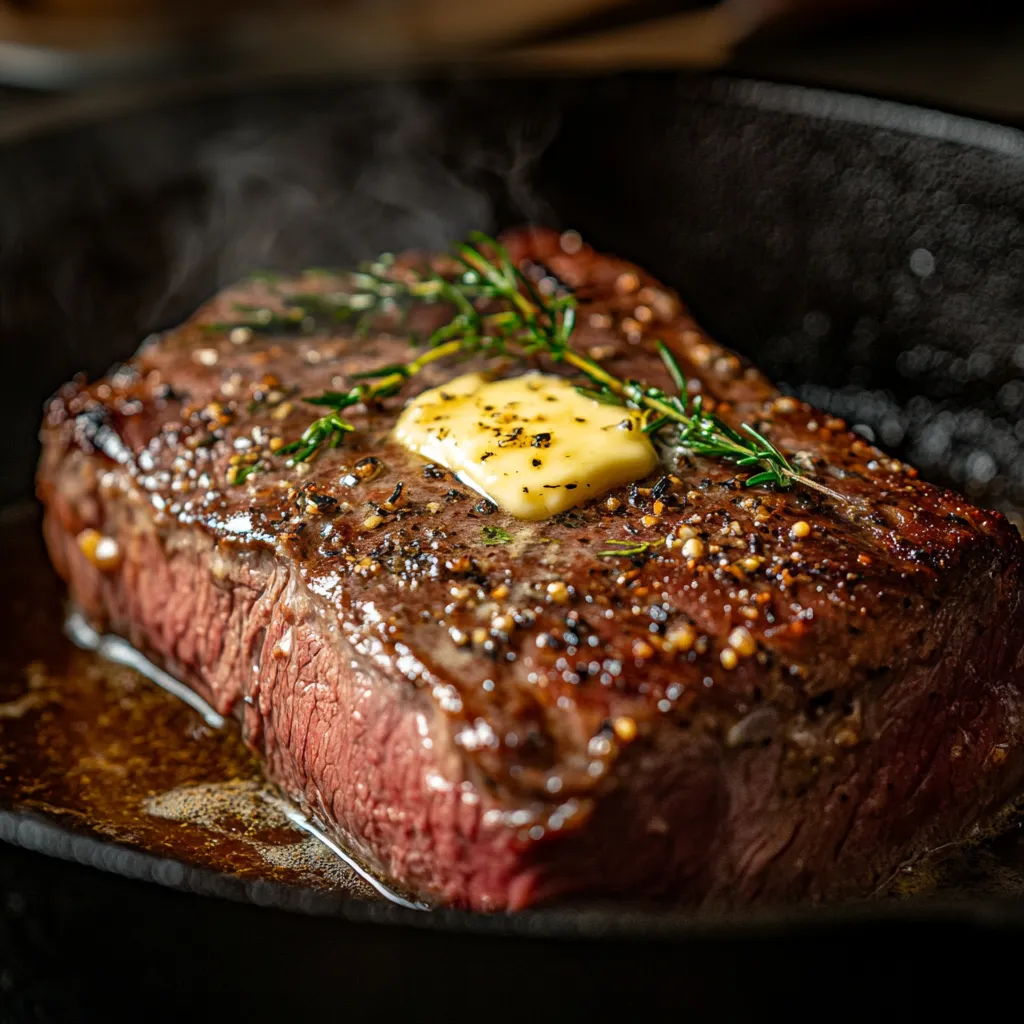
After your medium-rare sous vide prime rib has cooked to perfection, it’s time for the finishing touch—a mouthwatering crust. This is what transforms your roast from simple to show-stopping. I like to give my roast a quick chill in an ice bath (10–15 minutes) after sous vide. This helps firm up the surface and prevents overcooking during searing.
You have a few great options for finishing:
- Oven blast: Preheat to 450°F. Smear your roast generously with herb butter (see my recipe below) and roast on a rack for 10–15 minutes until golden brown.
- Cast iron skillet: Heat until smoking hot, then sear all sides of the roast in a little oil for a deep, caramelized crust.
- Kitchen torch: Perfect for quick touch-ups or extra browning without heating the kitchen.
For the butter, I use a mix of softened butter, rosemary, thyme, garlic powder, sage, salt, and black pepper. It complements the beef’s richness beautifully. For more flavor ideas, you can visit my roundup of Best Sous Vide Finishing Tips.
Slicing, Serving, and Pairing Suggestions
Once your crust is golden and crisp, let your prime rib rest for 10–15 minutes before slicing. This helps redistribute juices for each perfect bite. Use a sharp carving knife to cut generous slices—about ½ to ¾ inch thick.
I love to serve medium-rare sous vide prime rib with creamy horseradish sauce, roasted garlic mashed potatoes, and seasonal vegetables. For wine, a bold Cabernet Sauvignon or Syrah pairs beautifully with the richness of the beef.
And if you’re looking for more crowd-pleasing sous vide ideas, you’ll enjoy my guides to Sous Vide Rack of Lamb and Sous Vide Beef Short Ribs—both are fantastic for entertaining.
Conclusion
If you’ve been dreaming of serving the perfect medium-rare sous vide prime rib, this method will deliver every time. With sous vide, there’s no stress about timing or oven temperature—just set it, let the water bath work its magic, and enjoy a prime rib that’s pink, juicy, and tender from edge to edge. Whether it’s for a special holiday meal or an impressive dinner with friends, this recipe will become one of your go-to favorites. And don’t be afraid to make it your own—try different herb butters, crusts, and side pairings. Once you taste the results, you’ll wonder why you ever made prime rib any other way.
Join us on Facebook and Pinterest for even more delicious recipe ideas!
FAQs – Medium-Rare Sous Vide Prime Rib
How long do you sous vide a prime rib?
For a 6- to 8-lb prime rib, sous vide at 130°F for 8 to 12 hours gives you tender, medium-rare results. Smaller cuts (2.5 to 4 lbs) can be done in 6 to 8 hours.
How long do I cook a prime rib for medium rare?
In the sous vide, 8 to 12 hours at 130°F will achieve perfect medium-rare. Traditional oven roasting times vary and are less precise than sous vide.
What temperature is medium rare sous vide roast?
130°F (54.4°C) is the ideal temperature for a medium-rare sous vide prime rib.
How to sous vide a medium rare ribeye?
Cook ribeye steak at 129–131°F for 1.5 to 3 hours depending on thickness. Sear after cooking for a flavorful crust.
Can you sous vide a prime rib for 24 hours?
Yes! You can sous vide prime rib for up to 24 hours safely. Longer cooks result in an ultra-tender, almost shreddable texture.
Is it a good idea to sous vide a prime rib?
Absolutely. Sous vide ensures a consistent, juicy medium-rare result with no risk of overcooking. It’s one of the best ways to prepare prime rib.
How long does it take to sous vide beef rib?
For a rib roast, 8–12 hours at 130°F yields perfect medium-rare. For ribs (short ribs or back ribs), longer cooks (24–48 hrs) may be needed for tenderness.