

➤ Table of Contents
The very first time I cooked a filet mignon sous vide, I was skeptical. I’d always grilled my steaks, chasing that perfect medium-rare center and crusty seared edge—but it was hit or miss. Then one weekend, I gave sous vide a shot. I sealed up a thick-cut filet, dropped it in a water bath, and forgot about it for an hour. When I pulled it out, gave it a quick sear in butter and garlic, and sliced into that juicy pink center? I was hooked.
Cooking filet mignon medium-rare using sous vide changed the game. No more guesswork. Just precise, evenly cooked steak with melt-in-your-mouth texture every time. Whether you’re using a touch of Better Than Bouillon for bold beef flavor or keeping it clean with olive oil and salt, the sous vide method makes filet foolproof.
And if you’re like me, obsessed with getting that pan-seared crust just right, the reverse sear is your best friend. It adds that steakhouse finish without overcooking the interior. I still get excited every time I hear that sizzle in the cast iron.
If you’ve already tried our zero-stress sous vide steak or cowboy butter sirloin, you’ll love how simple this filet method is. It’s ideal for date nights, holidays, or when you just want something extra without the stress.
Sous vide filet mignon is one of those dishes that turns a regular dinner into something unforgettable—especially when it’s cooked to a flawless medium-rare. In this article, we’ll dive into exactly how to make medium-rare sous vide filet mignon at home with steakhouse results. From ideal timing and temperatures to flavor-packed prep tips and reverse searing, you’ll learn everything you need to know. If you’ve ever wondered whether 135°F is safe or how long is too long for sous vide steak, I’ve got you covered. Plus, you’ll get step-by-step guidance and expert answers to the most frequently asked questions.
PrintMedium-Rare Sous Vide Filet Mignon
Perfectly juicy and tender medium-rare filet mignon made effortlessly with sous vide. Finished with a garlic-herb butter sear.
- Prep Time: 5 min
- Cook Time: 1 hr
- Total Time: 1 hr 5 min
- Yield: 1 serving 1x
- Category: Dinner
- Method: Sous Vide
- Cuisine: American
Ingredients
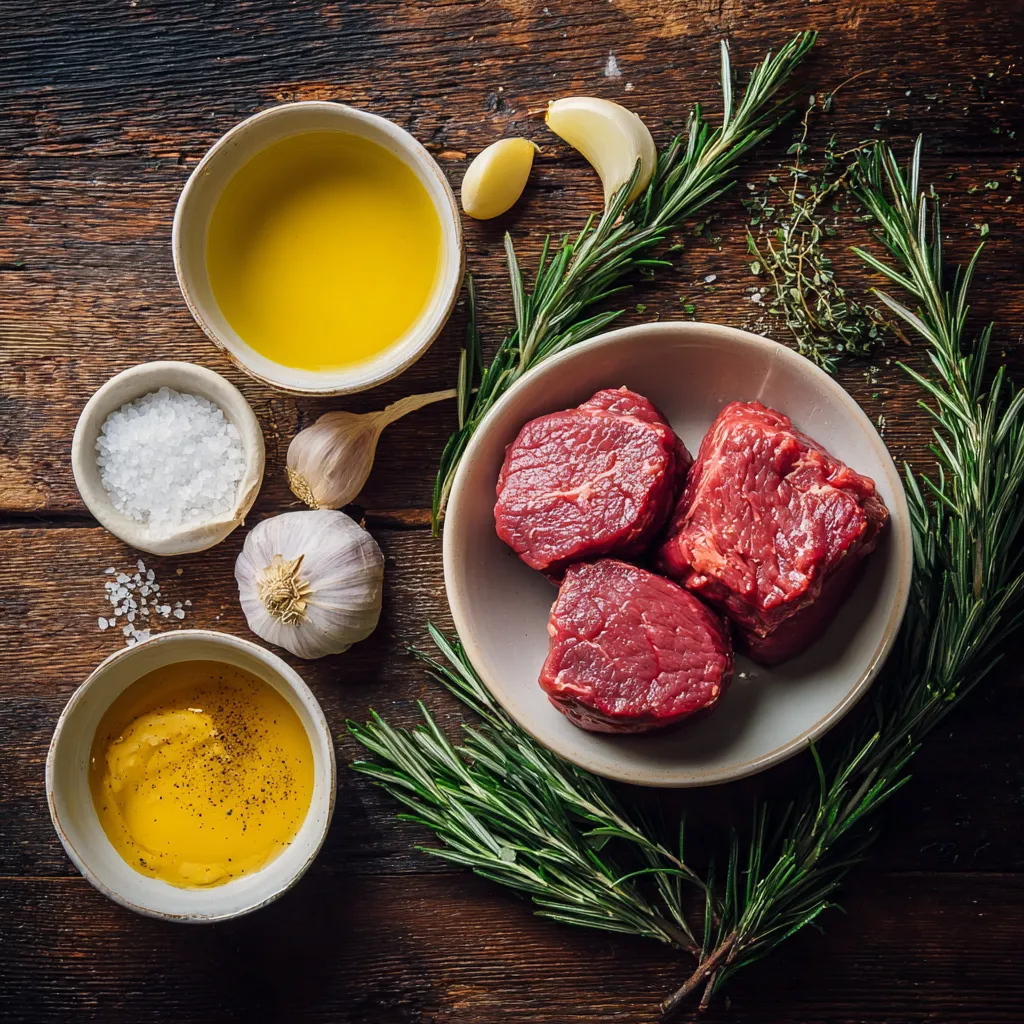
1 filet mignon steak
1–2 tsp Better Than Bouillon, Beef Flavor (*Note 1)
½ tsp garlic powder
1–2 sprigs rosemary or thyme (optional)
—OR—
½ tsp olive oil
1 tsp kosher salt
½ tsp garlic powder
¼ tsp black pepper
1–2 sprigs rosemary or thyme (optional)
PAN SEARING (OPTIONAL)
1 tbsp olive oil
1 tbsp unsalted butter
2 cloves garlic, smashed
2 sprigs rosemary or thyme
Instructions
1. Pre-heat the water bath to your preferred doneness (130–135°F) using a sous vide immersion circulator.
2. Pat dry the filet with a paper towel.
3. If using Better Than Bouillon, coat the filet with bouillon and garlic powder.
4. If not using bouillon, coat filet with olive oil, salt, pepper, and garlic powder.
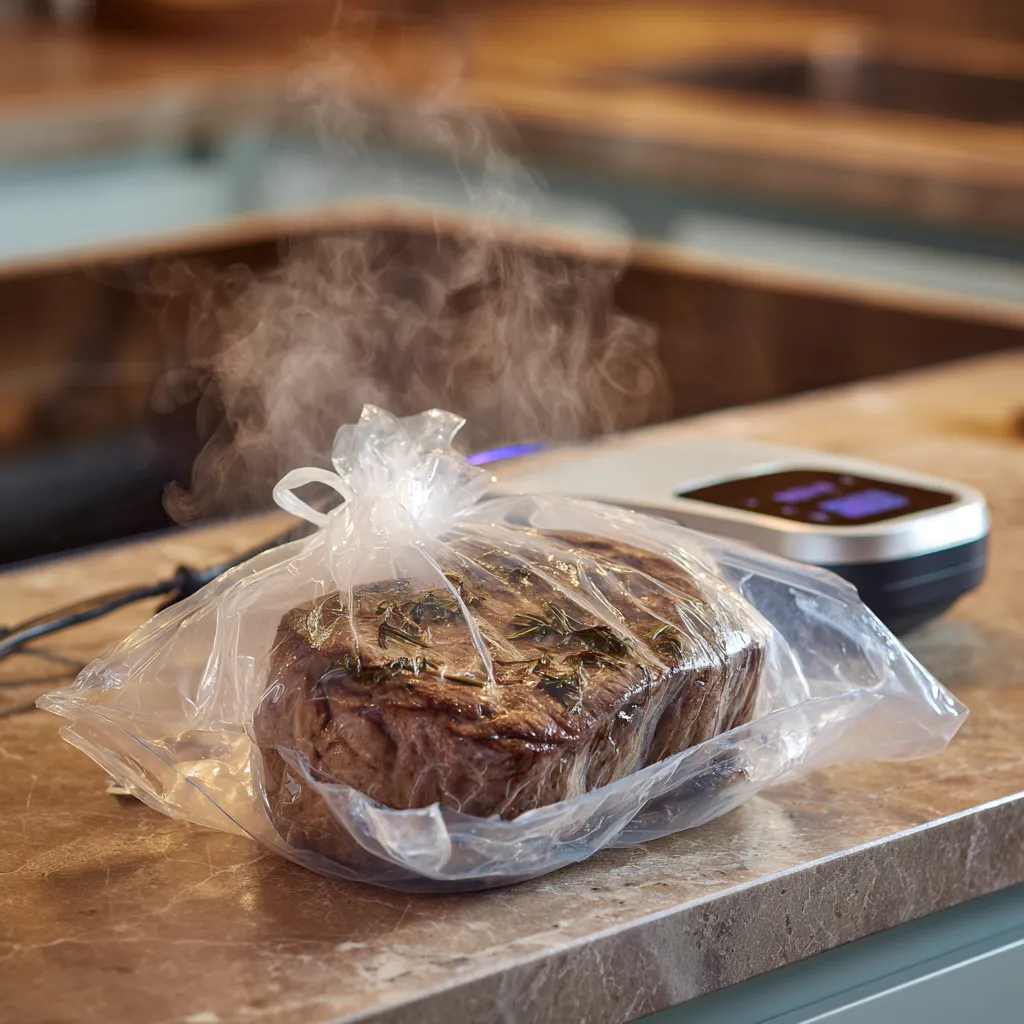
5. Place filet in vacuum-seal or zipper bag with herbs; seal using vacuum or water displacement.
6. Cook in the sous vide bath for at least 1 hour, up to 4 hours depending on thickness.
7. Remove filet from bag, discard juices, and pat dry thoroughly.
8. Heat skillet with oil and butter over medium-high until very hot (3–5 minutes).
9. Add garlic and herbs, then sear filet 45 seconds per side, basting with butter.
10. Remove from pan and serve immediately—no resting needed.
Notes
*Note 1: Better Than Bouillon adds extra beefy flavor but can be skipped for a cleaner seasoning profile.
Searing is optional but adds beautiful crust and flavor. A cast iron skillet works best.
Nutrition
- Serving Size: 6 oz
- Calories: 430
- Sugar: 0g
- Sodium: 850mg
- Fat: 28g
- Saturated Fat: 12g
- Unsaturated Fat: 15g
- Trans Fat: 0g
- Carbohydrates: 1g
- Fiber: 0g
- Protein: 40g
- Cholesterol: 110mg
What Temperature Is Medium Rare for Filet Mignon?
When it comes to achieving restaurant-quality results at home, nothing beats medium-rare sous vide filet mignon. The beauty of this method lies in its unbeatable precision. Unlike grilling or pan-searing where timing can make or break the dish, medium-rare sous vide filet mignon gives you complete control over temperature and doneness. The ideal range for that juicy, tender center is 130°F to 135°F, and most home cooks and pros alike swear by 131°F to 132°F. That sweet spot delivers a buttery, melt-in-your-mouth texture every single time.
One of the biggest advantages of cooking medium-rare sous vide filet mignon is consistency. Traditional methods often result in steaks that are undercooked in the center and overdone around the edges. But with sous vide, your entire filet cooks evenly from edge to edge. Whether you’re working with a petite 1-inch steak or a luxurious 2-inch thick cut, you can rest easy knowing your medium-rare sous vide filet mignon will come out flawless.
What makes this technique so foolproof? It’s the water immersion circulator. By holding the water at a constant target temperature, the circulator ensures your medium-rare sous vide filet mignon never exceeds your chosen doneness level. Want to hit that medium-rare finish exactly? Just dial in 131°F, seal your steak, and let science do the work.
Another benefit? Time flexibility. You don’t have to pull your steak out the second it’s “done.” With medium-rare sous vide filet mignon, you have a generous window—up to 2 or even 3 hours depending on thickness—without overcooking. It’s a no-stress, high-reward process. You can focus on prepping your sides or even relax until the final sear.
Curious how it stacks up against other cuts? Our medium-rare sous vide striploin recipe showcases similar technique, flavor, and tenderness. But for that buttery bite and classic elegance, nothing quite compares to medium-rare sous vide filet mignon.
It’s also worth noting that medium-rare sous vide filet mignon is incredibly forgiving. If you’re entertaining, it allows you to prep ahead. Just leave the sealed steaks in the bath and sear when your guests arrive. No last-minute panic, just a perfectly timed, juicy steak.
Finally, if you’re looking to master steak at home, start here. Medium-rare sous vide filet mignon is the gold standard for flavor, texture, and simplicity. Try it once, and you’ll never look back.
How Long to Sous Vide Medium Rare Filet Mignon?
For filet mignon, cook time depends mostly on thickness, not weight. Here’s a simple guide:
| Thickness | Cook Time (at 131°F) |
|---|---|
| 1 inch | 1 hour |
| 1.5–2 inches | 1.5–2 hours |
| 2.5 inches or more | 2.5–3 hours |
You can safely keep your medium-rare sous vide filet mignon in the water bath for up to 4 hours without sacrificing texture, flavor, or safety. That’s the beauty of sous vide cooking—its low and consistent temperature control means your filet stays perfectly cooked throughout. Whether you’re preparing dinner for one or timing it with side dishes, medium-rare sous vide filet mignon gives you that generous flexibility without stress.
But what if life gets in the way and your steak stays in longer than planned? Good news: even if your medium-rare sous vide filet mignon goes a bit beyond the recommended time, it won’t dry out or overcook. That’s because sous vide keeps it at your exact target temperature, preventing the muscle fibers from seizing up as they might over high heat.
Now, if you’re thinking of pushing past 4 hours, it’s helpful to understand what happens. Over time, especially beyond 5 to 6 hours, the texture of lean cuts like filet mignon begins to change. Extended cooking can turn your medium-rare sous vide filet mignon too soft or even mushy—not unsafe, but not ideal either. Want more insight? Check out our guide on can you overcook steak in sous vide for a deeper dive into long-time results.
And let’s clear up a common concern: Is 135°F safe for beef? Absolutely. Sous vide cooking at 135°F not only keeps your medium-rare sous vide filet mignon juicy but also meets USDA safety guidelines when held for the proper amount of time. Sous vide doesn’t just lock in texture and taste—it also ensures your steak is pasteurized and ready to enjoy.
Wondering what happens if you go a full 8 hours? Or how to nail that final crust? Stay tuned for Part 3, where we’ll walk through the reverse sear technique and why even Gordon Ramsay would approve of this medium-rare sous vide filet mignon finish.
Why the Reverse Sear Brings It All Together
After you cook your medium-rare sous vide filet mignon to buttery perfection, the real magic happens in the final step: the reverse sear. This technique is the ultimate finishing touch. It takes that evenly cooked, tender interior and wraps it in a crispy, golden crust full of rich flavor and texture. You’ve already nailed the doneness using sous vide—now it’s time to add that mouthwatering sear that makes your medium-rare sous vide filet mignon look and taste like a steakhouse masterpiece.
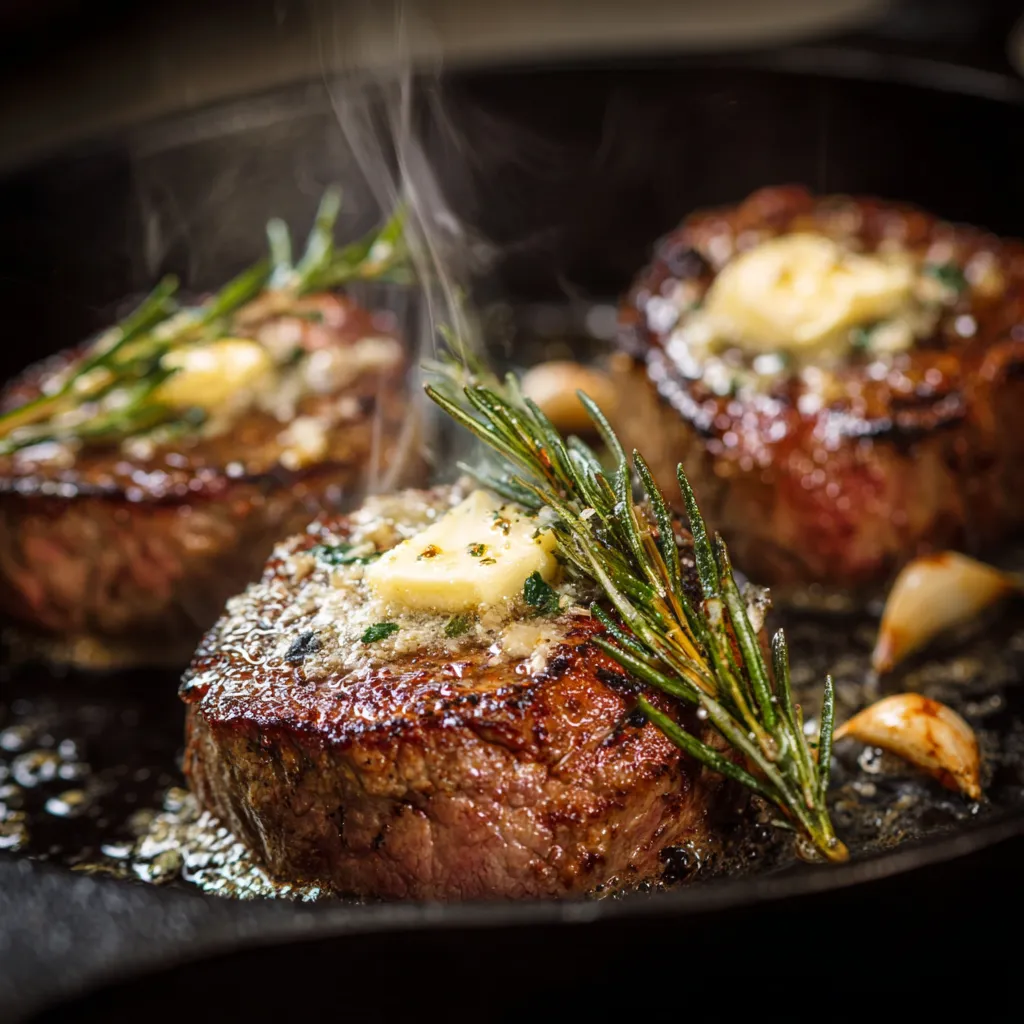
To do it right, preheat a heavy-bottomed or cast iron skillet until it’s searing hot—literally. You want to see wisps of smoke just starting to rise before your steak hits the pan. Add a tablespoon each of olive oil and unsalted butter, then throw in smashed garlic cloves and a couple of fresh rosemary or thyme sprigs for aromatic depth.
Quickly place your medium-rare sous vide filet mignon into the pan and sear for just 45 seconds per side. While it sears, tip the skillet and use a spoon to baste the steak with the sizzling garlic butter. This step infuses flavor, creates a glossy finish, and crisps up the surface perfectly.
What makes the reverse sear ideal for medium-rare sous vide filet mignon is that you don’t have to guess or worry about overcooking the interior. The steak is already done to your exact temperature—you’re just adding that flavorful Maillard crust. It’s quick, controlled, and incredibly rewarding.
This method is so reliable that even chefs like Gordon Ramsay, known for their high standards, use similar basting techniques to create a flawless filet finish. The only difference? You’ve already got the inside cooked to precision with sous vide.
Reverse searing takes your medium-rare sous vide filet mignon from great to unforgettable. It brings together tenderness, flavor, and presentation into one perfectly balanced final step.
Here’s how to do it right:
- Preheat a cast iron skillet with olive oil and butter for about 3–5 minutes.
- Add smashed garlic and fresh rosemary or thyme to infuse flavor.
- Drop in the steak and sear for just 45 seconds per side, basting with butter as you go.
The butter-baste technique adds richness and that deep, caramelized color we all crave. You’ll recognize this style from steakhouse classics and even Gordon Ramsay’s filet mignon techniques—though his version skips the sous vide. Ours keeps the center perfectly medium-rare and never overcooked.
If you’re new to finishing steaks, our broiler finishing guide is another option worth checking out.
What Happens If You Sous Vide Steak for 8 Hours?
A common question is, “Can I just leave it in the bath longer?” You can—but it changes the game.
Filet mignon is a naturally tender cut, so sous viding beyond 4 hours leads to a softer, almost mushy texture. You’ll still be safe and edible at 8 hours, but you lose the signature steak bite. It’s why lean steaks like filet aren’t suited for long cooks the way chuck or brisket are.
Our flat iron sous vide steak tolerates long baths better—but filet shines in the 1 to 2-hour range.
Next up? We’ll wrap with seasoning tips, flavor variations, and why medium-rare is the sweet spot for this luxurious cut.
Flavor Tips & Serving: Final Touches for Filet Mignon Perfection
How to Season Sous Vide Filet Mignon (with or without Bouillon)
Seasoning filet mignon for sous vide is all about depth without overpowering the steak’s natural tenderness. You’ve got two excellent paths here:
- With Better Than Bouillon
Coat your filet with a thin layer of beef-flavored Better Than Bouillon and garlic powder before sealing. It intensifies the beefy notes and adds a savory crust after searing. Just a small amount does the job. - Without Bouillon
Stick to the basics—olive oil, kosher salt, garlic powder, and black pepper. This combo lets the beef shine without masking it. Add fresh thyme or rosemary sprigs to the vacuum bag for a clean herbal note.
Both versions work beautifully. The choice comes down to personal preference—bold umami vs. classic clean. Our sirloin sous vide steak works great either way too.
Why Medium Rare Filet Mignon Is Just Right
Can you eat filet mignon medium rare? Absolutely—and it’s not only safe but often considered the gold standard by chefs and home cooks alike. When you cook a medium-rare sous vide filet mignon to precisely 131°F, the result is a tender, juicy interior with just enough resistance when you cut into it. It’s not raw, not undercooked—it’s just right. The connective tissues break down slightly, the muscle fibers relax, and the steak retains optimal moisture without going soft or turning gray.
The appeal of medium-rare sous vide filet mignon lies in its balance. You get that deep pink center that’s warm, flavorful, and perfectly textured—without the dry chewiness of overdone steak or the raw coldness of undercooked beef. It’s that in-between zone where steak tastes like, well, steak. Add in the precision of sous vide, and you’re not just hoping for a good result—you’re locking it in every single time.
And the best part? Sous vide allows you to hold your medium-rare sous vide filet mignon at that perfect doneness for longer than traditional cooking. If you’re running late or your side dishes need more time, there’s no need to panic. The steak won’t overcook in the bath as long as you stay within the safe time window. That’s why this method is such a win for both beginners and experienced cooks.
Pairing your medium-rare sous vide filet mignon with the right sides elevates the experience even further. Think creamy garlic mashed potatoes, roasted asparagus with a touch of lemon, or even a simple arugula salad with a balsamic glaze. If you want to get fancy, use the reserved sous vide bag juices to create a silky red wine reduction sauce that enhances every bite. Need pairing inspiration? Our sous vide steak recipe has loads of flavor-forward serving ideas to explore.
Whether it’s a cozy dinner for two or a holiday celebration, medium-rare sous vide filet mignon delivers elevated taste with minimal effort. It’s safe, satisfying, and undeniably delicious.
Conclusion: Medium-Rare Sous Vide Filet Mignon at Its Best
Sous vide takes all the guesswork out of cooking filet mignon medium rare. With medium-rare sous vide filet mignon, you don’t have to worry about timing, grill temperatures, or cutting into your steak to check doneness.
You simply set your temperature—ideally between 130°F and 135°F—and let your sous vide machine do the work. The result? Total control, juicy texture, and peace of mind from start to finish. Unlike traditional methods, medium-rare sous vide filet mignon delivers the same results every time. Whether you’re cooking for yourself, guests, or meal prepping for the week, you’ll get an evenly pink center and buttery tenderness without overcooking the edges. No more burned exteriors or cold, raw centers—just perfectly cooked beef from edge to edge.
Flavor-wise, you can tailor your medium-rare sous vide filet mignon to your taste. Use Better Than Bouillon for a bold, umami-rich boost or keep it clean and classic with just kosher salt, garlic powder, and fresh rosemary. Either way, the sous vide method enhances every bite by preserving the meat’s natural juices.
The finishing step—a hot, butter-basted sear—locks in flavor and adds that crave-worthy crust. It’s the moment when your perfectly cooked interior meets a steakhouse-style exterior. And the best part? It only takes a minute or two per side.
In short, medium-rare sous vide filet mignon offers unbeatable consistency, ease, and flavor. Whether it’s your first time or your fiftieth, the process stays the same and the results always impress. From date nights to dinner parties, it’s your secret weapon for serving steak that’s juicy, flavorful, and exactly how you like it—every time.Sous vide takes the guesswork out of cooking filet mignon medium rare. It gives you total control, keeps the steak juicy, and makes the final sear stress-free. Whether you’re using a touch of Better Than Bouillon or just salt and herbs, the results are stunning.
Just remember:
- Temperature: 130°F–135°F for medium rare
- Time: 1–2 hours based on thickness
- Reverse sear: Lock in that crust for restaurant-worthy flavor
Once you try this method, you won’t go back to traditional cooking. It’s consistent, it’s simple, and it’s a great match for lean, elegant cuts like filet. For even more inspiration, explore recipes like our cowboy butter sirloin or sirloin steak guide to branch out confidently.
Join us on Facebook and Pinterest for even more delicious recipe ideas!
FAQs
How long to sous vide medium rare filet mignon?
Cook for at least 1 hour if your filet is 1 inch thick. For 1.5 to 2 inches, 90 minutes to 2 hours is ideal. You can safely leave it up to 4 hours without texture loss.
What temperature is medium rare for filet mignon?
Medium rare is between 130°F and 135°F. Most sous vide cooks aim for 131°F to strike the perfect balance of pink center and tender bite.
What temperature do you sous vide for medium rare?
Sous vide medium rare steaks are best at 130°F to 134°F. Filet mignon is typically done at 131°F for prime tenderness and juiciness.
Is it safe to sous vide beef at 135?
Yes. As long as the steak is held at that temperature for at least an hour, harmful bacteria are eliminated. This is USDA-safe and widely practiced.
What happens if you sous vide a steak for 8 hours?
After 4 hours, tender steaks like filet can become too soft. At 8 hours, texture may be mushy. For best results, stick to the 1–3 hour window.
How does Gordon Ramsay cook the perfect filet mignon?
Gordon Ramsay typically pan-sears filet mignon with garlic, rosemary, and butter. You can recreate the same crust with a reverse sear after sous vide.
Can I eat medium rare filet mignon?
Yes. When cooked at the correct sous vide temperature (130°F–135°F), medium rare filet mignon is both safe and delicious.