
➤ Table of Contents
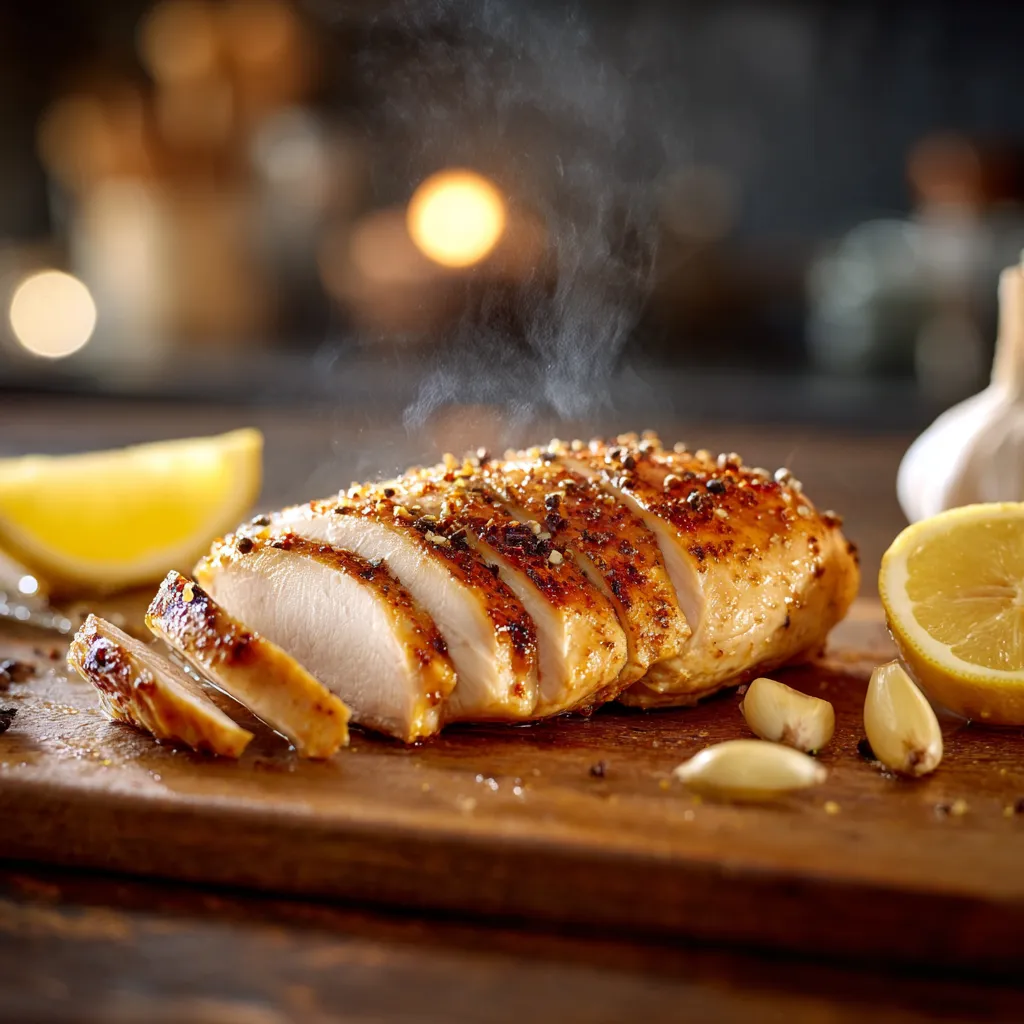
I still remember the first time I pulled a frozen chicken breast straight from the freezer and dropped it into a vacuum-sealed bag. No thawing. No stress. I was skeptical, but this frozen chicken breast sous vide technique felt like cheating—in the best way. As someone who lives by Sunday meal prep, I’ve dealt with the chaos of microwaving half-thawed meat or scrambling when I forgot to take something out. With frozen chicken breast sous vide, those kitchen fails became a thing of the past. I got tender, juicy results, straight from the freezer, full of flavor and without extra work.
What makes frozen chicken breast sous vide a total game-changer is the gentle heat control. Sous vide eliminates the guesswork by slowly bringing your chicken to the exact temperature you set. There’s no risk of overcooked edges and raw centers like you’d get with stove-top or oven methods. Instead, frozen chicken breast sous vide ensures even, edge-to-center doneness every single time. That’s why I’ve made it a regular part of my routine—and why I now recommend it to anyone serious about mastering meal prep.
The first time I tried frozen chicken breast sous vide, I wasn’t expecting much. But after 3 hours at 140°F, what came out was shockingly good: perfectly cooked chicken with a moist interior that was ideal for slicing, searing, or just eating as-is. Once I hit it with a little pan sauce made from butter, lemon, and the bag juices, I knew I’d found my forever method. Since then, I’ve repeated this exact frozen chicken breast sous vide process dozens of times—and it always delivers.
Unlike thaw-first cooking, which can dry out the meat, frozen chicken breast sous vide makes it easy to go from freezer to fork. I’ll vacuum-seal several breasts ahead of time, season them with herbs and aromatics, and keep them on hand for quick drop-in meals. When I’m batch-prepping lunches or dinners, this method saves time, locks in flavor, and prevents me from defaulting to less exciting frozen options. It’s the kind of reliable kitchen hack that transforms your workflow.
When I’m building my weekly menu, frozen chicken breast sous vide plays well with everything. It pairs beautifully with sauces I’ve made in advance or leftover veggies from a sous vide beef stew. Whether I’m eating it over quinoa, tossing it into wraps, or serving it alongside sous vide ground beef stuffed peppers, this is the protein I count on.
I’ll often prep a few variations too—changing up the compound butter, using different herbs, or adding a honey mustard glaze after the sear. And no matter what flavor route I take, the core stays the same: frozen chicken breast sous vide keeps the chicken juicy, flavorful, and dependable.
Even better? This isn’t just a one-time trick. The method scales. Whether I’m cooking one frozen chicken breast sous vide or four, I know exactly what I’ll get: consistent results and restaurant-level texture. For anyone juggling busy schedules but still wanting high-quality meals, frozen chicken breast sous vide is your new best friend.
So if you’re someone who meal preps, forgets to thaw, or just wants a stress-free solution to better chicken, trust me—frozen chicken breast sous vide will change how you cook. It’s precise, it’s forgiving, and most importantly, it works. And once you try it, you’ll never look at a frozen chicken breast the same way again.
PrintFrozen Chicken Breast Sous Vide
Learn how to cook frozen chicken breast sous vide straight from the freezer to juicy perfection. No thawing needed—just 3 hours to a tender, delicious protein.
- Prep Time: 5 minutes
- Cook Time: 3 hours
- Total Time: 3 hours 5 minutes
- Yield: 2 servings 1x
- Category: Main Dish
- Method: Sous Vide
- Cuisine: American
Ingredients
2 chicken breasts, boneless, skinless
2 tablespoons unsalted butter
2 teaspoons salt
¼ teaspoon black pepper
½ teaspoon lemon zest
1 tablespoon honey
½ teaspoon garlic powder
Fresh lemon for serving
Instructions
1. Heat a sous vide water bath to 140°F.
2. Combine chicken breasts and all ingredients in a vacuum seal bag and seal tightly.
3. Drop the bag into the water bath and cook for 2½ to 3 hours.
4. Remove chicken from the bag and reserve the juices for sauce.
5. Heat a skillet over medium-high heat and sear chicken for 30 seconds per side.
6. Drizzle with bag juices and a squeeze of fresh lemon. Serve immediately.
Notes
Use a sous vide magnet or a ceramic bowl to keep the bag submerged.
You can freeze pre-seasoned bags and drop them directly into the bath.
Optional: Reduce bag sauce in skillet for 1 minute to intensify flavor.
Nutrition
- Serving Size: 1 chicken breast
- Calories: 210
- Sugar: 1g
- Sodium: 780mg
- Fat: 9g
- Saturated Fat: 4g
- Unsaturated Fat: 4g
- Trans Fat: 0g
- Carbohydrates: 3g
- Fiber: 0g
- Protein: 26g
- Cholesterol: 85mg
Temperature & Timing for Frozen Chicken Breast
Sous Vide Timing for Frozen Chicken
One of the biggest perks of using frozen chicken breast sous vide is flexibility—and that starts with time. Since your chicken is going in frozen, it’ll need a little extra time to fully cook. My go-to cook time is 2½ to 3 hours at 140°F (60°C). That extra 60–90 minutes allows the sous vide bath to gently defrost the chicken before it even starts cooking, giving you a consistent edge-to-center finish without drying out the outer layers.
If you’re used to cooking fresh chicken for 1½ to 2 hours, adding an hour for frozen is the sweet spot. Any less, and you might find the center undercooked—especially with thicker breasts. Any more, and the texture can start to get too soft, though still safe and juicy. I’ve even cooked two-pound packs of frozen chicken breast sous vide together, and the results were still flawless using this timing.
If you’re ever unsure, remember this: with frozen chicken breast sous vide, you’re better off going slightly longer than undercooking. And because sous vide locks in moisture and doesn’t overheat the protein, there’s almost no risk of it drying out—even if you run late.
Another bonus? You don’t need to babysit the process. Once the chicken is in the bath, you can walk away. Prep a sauce, cook a side, or just handle your day knowing that dinner is taken care of. This level of precision and freedom is why frozen chicken breast sous vide has become my midweek staple. It’s like having a head start on dinner without any of the planning stress.
Plus, this method gives you a better safety margin. Sous vide holds the chicken at a safe temperature long enough to pasteurize it completely. That means your meal is not only juicy but also safe, every single time. For meal preppers, busy parents, or anyone who wants consistent results without sacrificing flavor, frozen chicken breast sous vide delivers.
Choosing the Right Temperature for Texture
Now let’s talk texture—because frozen chicken breast sous vide gives you total control over the final bite. I personally love cooking at 140°F, which yields juicy, tender meat that’s fully cooked but never dry or stringy. The result is melt-in-your-mouth chicken that’s perfect for main dishes, bowls, wraps, or even just eaten with a side of veggies. If you’re aiming for a firmer, more traditional texture, 145°F is your zone. It’s ideal when you want that classic, fork-and-knife bite—something that holds up in meal prep but still feels elegant. Craving that extra chew for slicing into Caesar salads or cold pasta dishes? Go with 150°F, and you’ll get structured pieces that don’t fall apart.
This level of control is where frozen chicken breast sous vide really shines. You can tailor the cook to fit your final dish—not the other way around. Want juicy slices for tacos or sandwiches? Stick to 140°F. Prefer firmer protein for stir-fries or Bento-style bowls? Bump it up. There’s no guesswork, and once you’ve found your sweet spot, you can replicate it every time, whether you’re starting with fresh or frozen chicken.
While the USDA does recommend poultry reach 165°F for food safety, that applies to traditional methods. In sous vide cooking, safety is achieved through a combination of time and temperature. Holding your frozen chicken breast sous vide at 140°F for 2½ hours is more than enough to pasteurize it completely—backed by USDA data and widely used by professional kitchens and serious home cooks alike.
The best part? These results are repeatable. Set your temp, set your timer, and forget about it until you’re ready to sear and serve. Whether you’re pairing it with a rich dish like sous vide roast beef or letting the flavor shine solo with lemon and honey, frozen chicken breast sous vide helps you nail the texture every time.

Prepping & Seasoning for Sous Vide Success
What to Add in the Bag (and What Not To)
When prepping a frozen chicken breast sous vide recipe, it’s easy to keep things simple—especially if you season before freezing. I like to seal mine with just a few pantry-friendly ingredients: unsalted butter for richness, lemon zest for brightness, garlic powder for punch, and a touch of honey for balance. Salt and pepper round out the flavor. These ingredients freeze beautifully and infuse the chicken as it cooks.
You don’t need marinades with this method. Since sous vide cooking locks everything into the bag, even a small amount of seasoning makes a big impact. Avoid raw onions or chunky garlic cloves before freezing—they won’t soften properly and can taste harsh. Instead, use garlic powder or freeze-ready aromatics. For busy weeks, I vacuum-seal multiple bags of frozen chicken breast with butter and spices all at once. That way, when I’m ready, I can drop them straight into a preheated water bath.
If you’ve already frozen unseasoned chicken, no problem—just add seasonings to the bag before sealing. And remember, sous vide doesn’t brown food. It delivers the juiciest interior, but that last sear is where the flavor comes alive.
Finishing Touches: From Bag to Plate
After 2½ to 3 hours in the water bath, your frozen chicken breast sous vide will be fully cooked and incredibly juicy—but not quite finished. That’s where a quick skillet sear makes all the difference. Heat a little butter or olive oil over medium-high heat and sear each side for 30 seconds. Don’t walk away—this part happens fast. Browning adds flavor, but overcooking at this point can undo all that tender magic.
Want to take it further? Use the juices from the bag. I pour them into the skillet after searing, reduce for a minute, then drizzle the sauce over the sliced chicken. Add a squeeze of fresh lemon juice, and suddenly it feels like a restaurant-worthy plate—even if you started with a frozen chicken breast.
I often serve mine alongside sous vide ground beef stuffed peppers or next to reheated sous vide London broil for a high-protein dinner. With this method, the freezer isn’t a backup plan anymore—it’s part of your routine, upgraded.
Storage, Safety & Reheating Tips
Can You Refreeze Sous Vide Chicken?
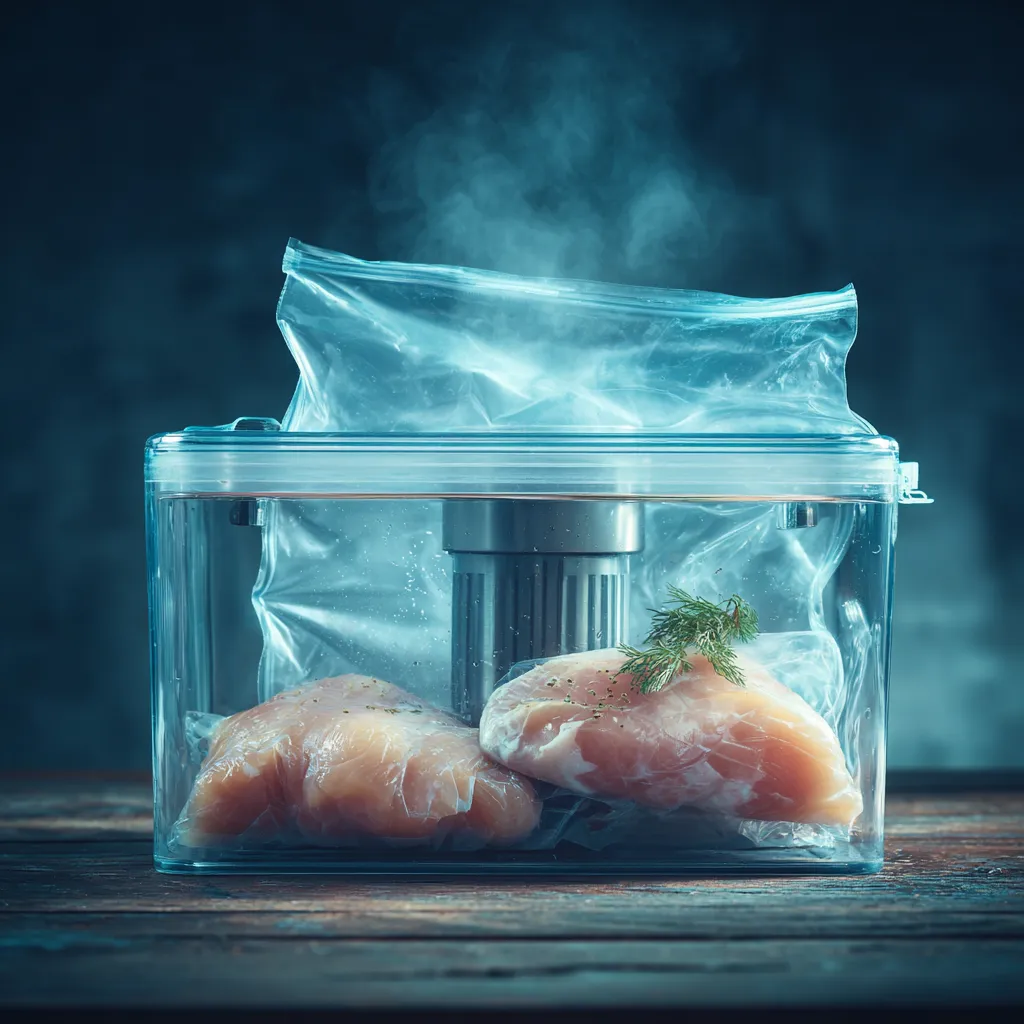
One of the lesser-known perks of a solid frozen chicken breast sous vide routine is just how freezer-friendly it is—even after cooking. If you batch-cook several frozen breasts, you don’t need to eat them all at once. Once they’re fully cooked and cooled, simply pat them dry, place in a clean vacuum seal or freezer bag, label with the date, and freeze again. They’ll stay fresh for up to 2–3 months without sacrificing taste or texture.
When you’re ready to enjoy them, just drop the frozen, cooked chicken back into a sous vide bath at 130°F–140°F for 45–60 minutes to reheat gently. No need to thaw, and no risk of drying out. It’s one of the safest, most efficient ways to reheat protein—and it keeps that just-cooked quality intact.
This method is perfect for prepping protein ahead for fast lunches or dinners. I’ve reheated chicken this way for wraps, grain bowls, and even tossed into soup. Because you originally cooked it using sous vide, the second round stays just as tender.
Safety Notes & Common Issues
Worried about safety when cooking frozen chicken breast sous vide at 140°F? Here’s what you need to know: while traditional poultry safety guidelines cite 165°F as the kill zone for bacteria, sous vide works with time-temperature pasteurization. Holding chicken at 140°F for more than 2½ hours eliminates pathogens just as effectively as flash-cooking at higher temps. This is backed by USDA thermal death time data and used by professional kitchens daily.
However, problems can still happen—especially if your seal isn’t tight or your water bath temp isn’t consistent. Make sure your vacuum seal is strong, use a high-quality circulator, and weigh the bag down to prevent floating (a common mistake). If your chicken turns out rubbery, it may be from cooking too long, not too short. Stick to that 2½–3 hour sweet spot and you’ll avoid that chewiness.
If you want to keep experimenting, this method pairs well with sous vide beef stew meat or can even be added to corned beef and cabbage for protein-packed meal prep. The possibilities are endless once you get the technique down.
Conclusion
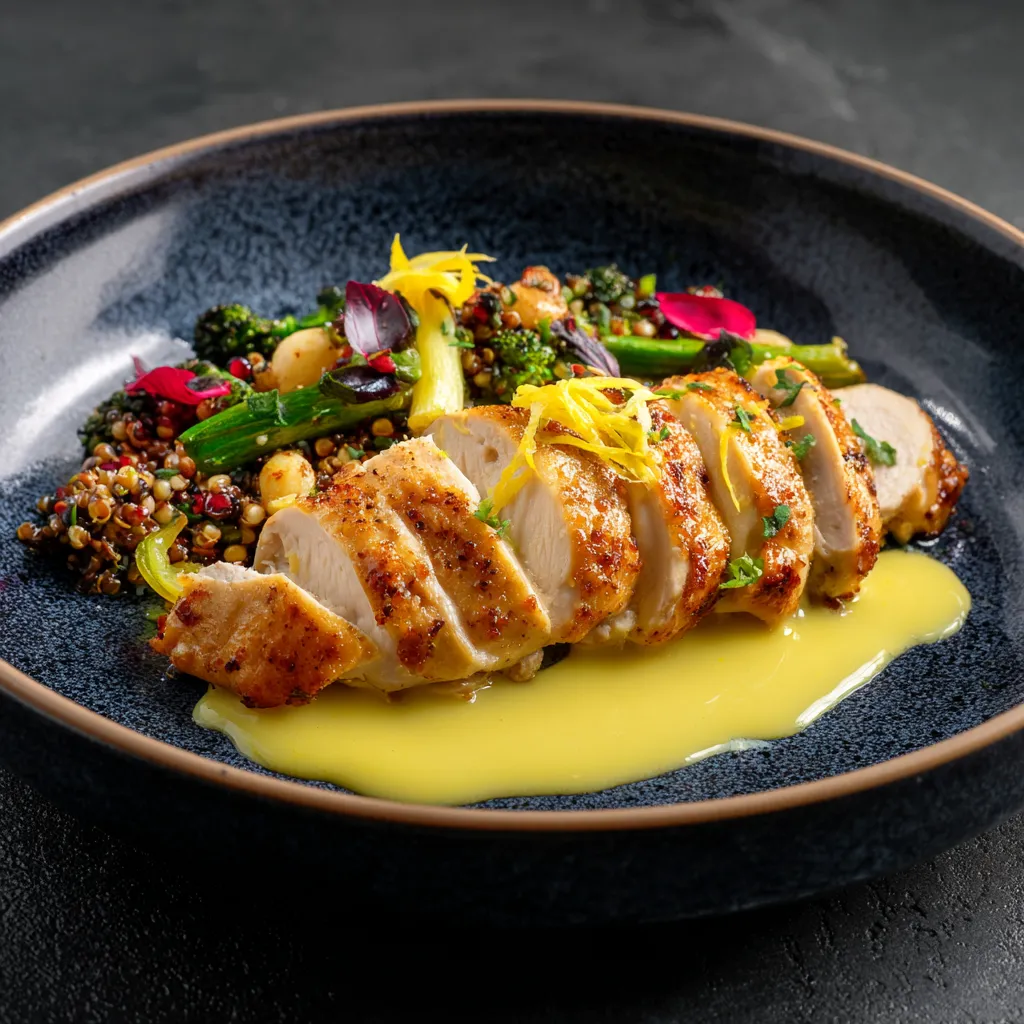
If you’re tired of waiting for chicken to thaw or dealing with dry results, the frozen chicken breast sous vide method is your new secret weapon. It delivers juicy, tender chicken straight from the freezer with zero stress and total control. Whether you’re cooking for one or prepping a week’s worth of protein, this technique guarantees consistent results—and the best part? You’ll never overcook your chicken again.
Pair it with your favorite sauces, grain bowls, or hearty veggies, and you’ll have a go-to protein you can rely on anytime. Once you try this once, frozen will feel like a win—not a last resort.
Join us on Facebook and Pinterest for even more delicious recipe ideas!
FAQs
How long to sous vide a frozen chicken breast?
Cook for 2½ to 3 hours at 140°F. This allows time to both defrost and cook the chicken thoroughly.
Can you sous vide straight from the freezer?
Yes! Sous vide is one of the best ways to cook chicken straight from frozen. No need to thaw first.
How much time do you add for frozen sous vide?
Add about 60–90 minutes to your usual cook time. So if fresh takes 90 minutes, frozen takes around 2½ to 3 hours.
Does sous vide chicken breast freeze well?
Absolutely. Once cooked, vacuum-sealed chicken can be frozen again and reheated sous vide without losing texture.
Is sous vide chicken at 140°F safe?
Yes. When held at 140°F for 2½ hours or more, chicken is pasteurized and safe to eat, per USDA guidelines.
How long should you cook frozen chicken breasts?
2½ to 3 hours at 140°F is ideal. This ensures thorough, safe cooking while maintaining a juicy texture.
Why is my sous vide chicken rubbery?
It was likely overcooked. Try reducing time or checking your seal and circulator temperature. Rubbery chicken can also result from undercooking thick breasts.