
📑 Table of Contents ▶
- Clean Eating Chicken Veggie Stir Fry: Fundamentals
- Fundamentals
- Preparation/Setup
- Directions
- Clean Eating Chicken Veggie Stir Fry: Technique
- Technique
- Tips/Tricks
- Clean Eating Chicken Veggie Stir Fry: Perfecting Results
- Perfecting Results
- Troubleshooting/Variations
- Clean Eating Chicken Veggie Stir Fry: Serving & Presentation
- Serving/Presentation
- Pairings/Storage
- Conclusion
Clean Eating Chicken Veggie Stir Fry
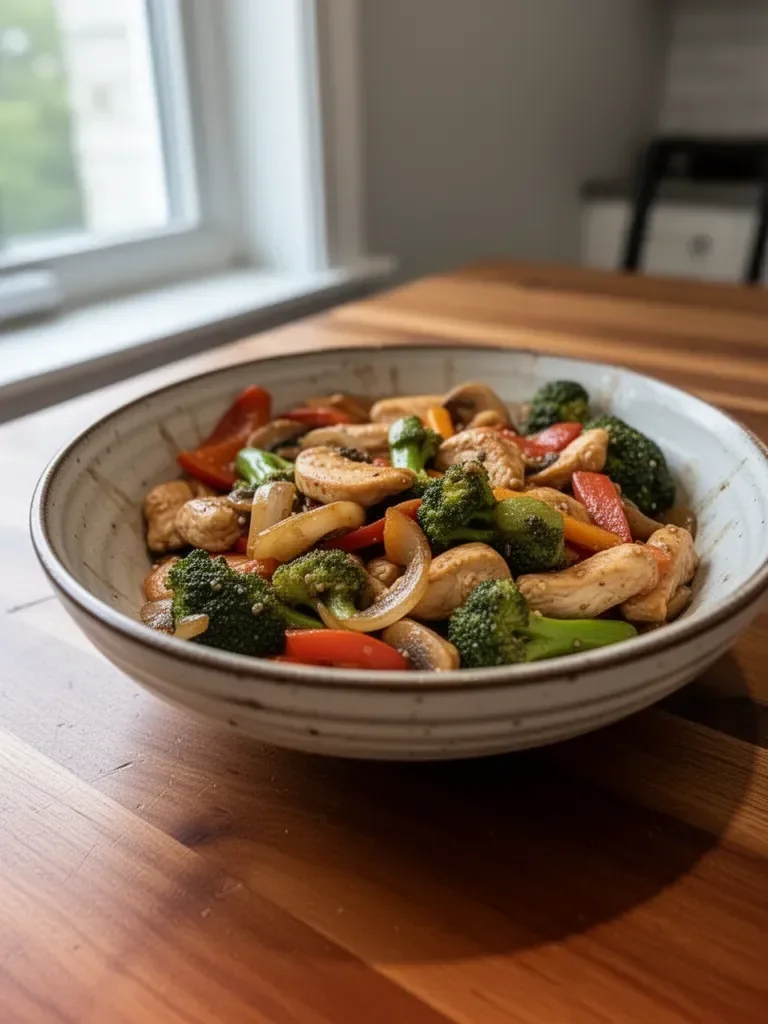
When I first discovered the vibrant and versatile world of clean eating, I was amazed by how it transformed traditional meals into wholesome experiences. The journey started when I realized that cooking with fresh, colorful ingredients brings not only nourishment but also excitement into the kitchen. A stir fry is one of my go-to dishes, where tender chicken meets a rainbow of veggies, all topped with a flavor-packed sauce.
Cooking becomes an art form when you can balance textures and tastes while keeping it healthy. Clean eating chicken veggie stir fry epitomizes this principle. You enjoy the crispy crunch of fresh snap peas and the comforting flavors of tender chicken, all enveloped in a delectable sauce. This dish embodies simplicity and satisfaction, showcasing how clean ingredients can create an unforgettable meal.
As you dive into this recipe, imagine your kitchen filled with tantalizing aromas and vibrant colors. It’s more than just a meal; it’s an experience that nourishes both body and soul. Let me take you through the steps of crafting this colorful and clean-eating delight, packed with the goodness of lean protein and nutrient-rich vegetables.
Clean Eating Chicken Veggie Stir Fry: Fundamentals
Fundamentals
Clean eating chicken veggie stir fry is not just about putting ingredients together. It’s about understanding the fundamental techniques that elevate this dish into something extraordinary. The beauty of stir frying lies in its intensity — a quick, high-heat cooking method that retains the bright colors and advantageous nutrients in the veggies. Choosing fresh, high-quality ingredients makes all the difference, as each component contributes to a delectable finished meal.
The method begins with basic knife skills. Preparing the chicken and vegetables into uniform bite-sized pieces ensures even cooking. This step goes a long way in achieving that optimal stir-fry texture where everything harmoniously melds together. Once you have your mise en place ready, you open the door to creativity, allowing your palate to guide you towards flavor pairings that excite.
Preparation/Setup
Preparing a clean eating chicken veggie stir fry requires a bit of organization, but the outcome is always worth the effort. Start by washing and cutting all your vegetables. Cut the broccoli into small florets, and slice the bell peppers and carrots thinly. This not only enhances cooking time but also allows for that satisfying crunch in every bite.
Don’t forget to prepare the chicken breasts. Cut them into 1-inch pieces for that perfect sear. Pat them dry to avoid steaming them later, and if you’d like, season lightly with salt and pepper. Having all ingredients prepped and within reach ensures a seamless cooking process where everything comes together in perfect timing.
Ingredients
Here’s what you’ll need for a delightful clean eating chicken veggie stir fry:
- 1.5 lbs Boneless, Skinless Chicken Breasts – Cut into bite-sized pieces
- 2 Tablespoons Avocado Oil or Coconut Oil – Divided for cooking
- 1 Large Head of Broccoli – Cut into small florets
- 1 Red Bell Pepper – Seeded and sliced thinly
- 1 Yellow or Orange Bell Pepper – Seeded and sliced thinly
- 1 Cup Snap Peas or Snow Peas – Ensure strings are removed
- 1 Large Carrot – Peeled and thinly sliced on the diagonal
- 4 Cloves Garlic – Finely minced or pressed
- 1 Tablespoon Fresh Ginger – Finely grated or minced
- 4 Green Onions – Sliced; keep the white/light green parts separate from the dark green tops
- 1/2 Cup Low-Sodium Tamari or Coconut Aminos
- 2 Tablespoons Raw Honey or Pure Maple Syrup
- 1 Tablespoon Toasted Sesame Oil
- 1 Tablespoon Rice Vinegar (unseasoned)
- 1 Tablespoon Arrowroot Starch or Tapioca Starch – Mix with water to create a slurry
- Optional: 1/4 – 1/2 Teaspoon Red Pepper Flakes
Directions
Prepare the Sauce: In a small bowl, combine the low-sodium tamari (or coconut aminos), raw honey (or maple syrup), toasted sesame oil, and rice vinegar. If using, add the red pepper flakes. Set aside. In a separate bowl, mix the arrowroot starch with 2 tablespoons of cold water until smooth to create a slurry. Set this aside as well.
Prepare the Chicken: Cut chicken breasts into 1-inch pieces. Pat dry thoroughly with paper towels to ensure a good sear. Season lightly with salt and pepper if desired.
Prepare the Vegetables & Aromatics: Wash all vegetables. Mince the garlic, grate the ginger, and separate green onion slices by keeping the white/light green parts apart from the dark green tops.
Heat the Wok/Skillet: Heat a large wok or skillet over high heat until hot; you should feel the heat radiating from the surface.
Cook the Chicken: Add 1 tablespoon of avocado oil or coconut oil to the hot wok. Carefully add the chicken pieces in a single layer. Let the chicken sear undisturbed for 2-3 minutes until golden brown. Stir-fry for another 3-4 minutes until cooked through. Remove chicken with a slotted spoon and set aside.
Stir-Fry the Harder Vegetables: Add the remaining oil to the wok. Add broccoli florets and sliced carrots. Stir-fry for 3-4 minutes until crisp-tender.
Add Softer Vegetables and Aromatics: Stir in bell peppers and snap peas along with the white/light green parts of the green onions. Cook for 2-3 minutes until the peppers soften.
Add Garlic and Ginger: Push the vegetables to the side, creating a small well. Add minced garlic and grated ginger. Stir-fry for about 30 seconds until fragrant, then toss everything together.
Combine and Sauce: Return the cooked chicken to the wok. Quickly whisk the prepared sauce and pour it over the chicken and vegetables. Stir to coat well.
Thicken the Sauce: Stir the arrowroot/tapioca slurry again and pour it into the wok while stirring constantly. Cook for about 1 minute or until the sauce thickens.
Finish and Serve: Remove from heat to avoid overcooking the vegetables. Stir in the dark green parts of the sliced green onions. Serve hot.
Clean Eating Chicken Veggie Stir Fry: Technique
Technique
The technique behind stir frying is vital to achieve that perfect texture and flavor. The intense heat and quick cooking time help preserve the crispness of vegetables while ensuring chicken cooks thoroughly. Knowing your equipment is key; a well-seasoned wok or a large skillet will enhance the cooking experience.
Preheating the wok until it’s smoking hot allows for those beautiful sear marks on the chicken. Using a high-heat oil, like avocado oil or coconut oil, ensures the oil doesn’t break down and maintains its flavor. Always add ingredients in the order that requires the longest cooking time first; this is especially true for vegetables.
Tips/Tricks
A few tips can help you master your clean eating chicken veggie stir fry. First, never overcrowd the pan. If you add too many ingredients at once, they will steam instead of sear, losing that desirable crunch. If you need to make a larger portion, cook in batches.
Using a pre-prepared sauce can also save some time. However, creating your own is the secret to controlling flavors and sweetness—perfect for individual tastes. Experimenting with different seasonal vegetables can keep this dish exciting; your choices are virtually endless.
Clean Eating Chicken Veggie Stir Fry: Perfecting Results
Perfecting Results
Perfecting your clean eating chicken veggie stir fry often involves small adjustments. Adjust the thickness of your sauce by varying the amount of arrowroot starch slurry you use. A thicker sauce clings to the meat and veggies, while a thinner sauce can provide a light glaze.
Taste and adjust flavors along the way. If you want more heat, add more red pepper flakes. More sweetness requires a touch more honey or maple syrup. The goal is to create a balance that resonates with your palate.
Troubleshooting/Variations
Even the best chefs face challenges. If your vegetables turn mushy, it’s often due to prolonged cooking time. Be mindful of the crispness and remove them from the heat promptly once they are bright and tender. If the chicken isn’t cooked through, slice it smaller next time, or increase the cooking time while remaining attentive.
Variations can open new culinary doors. Feel free to make this a vegetarian or vegan meal by substituting the chicken for tofu or chickpeas. Enhance flavors by adding herbs like basil, cilantro, or even a splash of lime for a refreshing twist.
Clean Eating Chicken Veggie Stir Fry: Serving & Presentation
Serving/Presentation
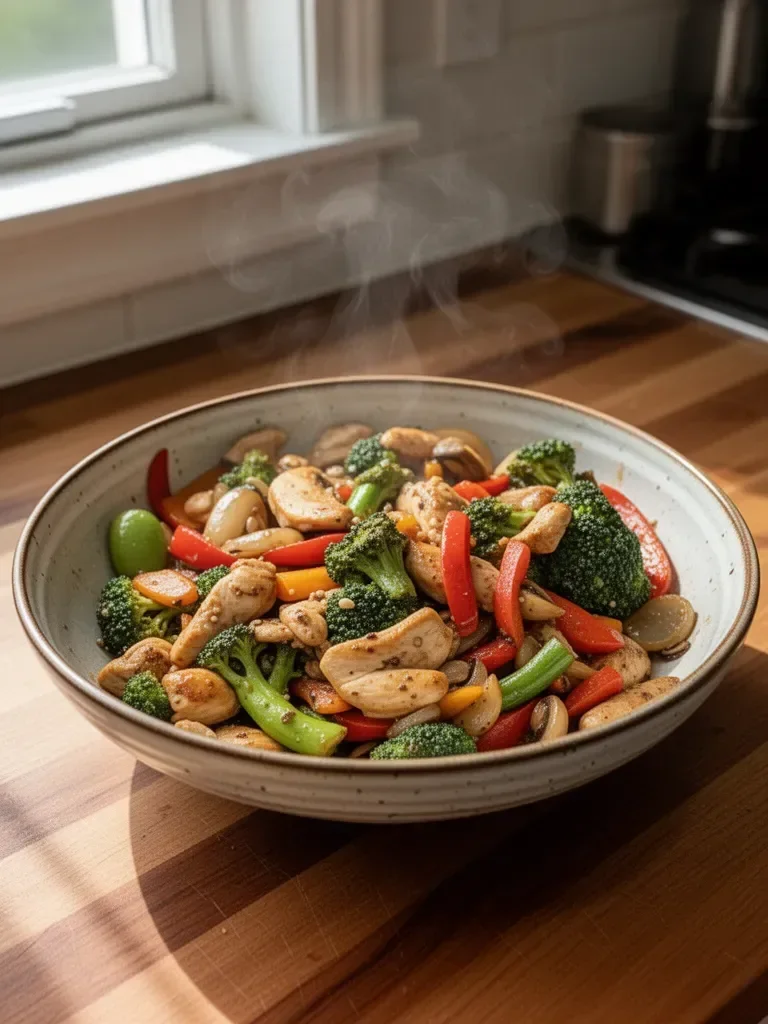
Presentation makes a meal more memorable. Serve your clean eating chicken veggie stir fry on a large platter to showcase the colorful mix of vegetables against the tender chicken. Garnish with the dark green parts of the sliced green onions for a pop of color, and perhaps sprinkle some sesame seeds on top for added texture and nutty flavor.
Encourage sharing by serving family-style or use individual bowls for each guest. Pair this dish with a simple side of brown rice or quinoa for a complete meal.
Pairings/Storage
Store any leftovers in an airtight container in the refrigerator for up to three days. This stir fry reheats beautifully, making it an ideal choice for meal prep. If you decide to store it, consider undercooking the vegetables slightly to retain their texture when reheating.
Pair this delightful dish with a fresh side salad drizzled with a light vinaigrette to balance the flavors. This combination elevates the meal while keeping it fresh and clean.
Conclusion
Creating a clean eating chicken veggie stir fry allows you to explore bold flavors and vibrant textures in a healthy, wholesome way. This dish stands as a testament to the art of cooking with fresh ingredients, making every meal a joyful occasion. By following the steps and techniques outlined here, you can curate an unforgettable dining experience right in your home kitchen. Indulge in the power of clean eating and enjoy the culinary journey that comes with it.
PrintClean Eating Chicken Veggie Stir Fry
A vibrant and wholesome stir fry featuring tender chicken and a rainbow of nutrient-rich vegetables, all coated in a flavor-packed sauce.
- Prep Time: 15 minutes
- Cook Time: 20 minutes
- Total Time: 35 minutes
- Yield: 4 servings 1x
- Category: Main Course
- Method: Stir-frying
- Cuisine: Asian
- Diet: Low-Calorie
Ingredients
- 1.5 lbs Boneless, Skinless Chicken Breasts – Cut into bite-sized pieces
- 2 Tablespoons Avocado Oil or Coconut Oil – Divided for cooking
- 1 Large Head of Broccoli – Cut into small florets
- 1 Red Bell Pepper – Seeded and sliced thinly
- 1 Yellow or Orange Bell Pepper – Seeded and sliced thinly
- 1 Cup Snap Peas or Snow Peas – Ensure strings are removed
- 1 Large Carrot – Peeled and thinly sliced on the diagonal
- 4 Cloves Garlic – Finely minced or pressed
- 1 Tablespoon Fresh Ginger – Finely grated or minced
- 4 Green Onions – Sliced; keep the white/light green parts separate from the dark green tops
- 1/2 Cup Low-Sodium Tamari or Coconut Aminos
- 2 Tablespoons Raw Honey or Pure Maple Syrup
- 1 Tablespoon Toasted Sesame Oil
- 1 Tablespoon Rice Vinegar (unseasoned)
- 1 Tablespoon Arrowroot Starch or Tapioca Starch – Mix with water to create a slurry
- Optional: 1/4 – 1/2 Teaspoon Red Pepper Flakes
Instructions
- Prepare the Sauce: In a small bowl, combine the low-sodium tamari (or coconut aminos), raw honey (or maple syrup), toasted sesame oil, and rice vinegar. If using, add the red pepper flakes. Set aside. In a separate bowl, mix the arrowroot starch with 2 tablespoons of cold water until smooth to create a slurry. Set this aside as well.
- Prepare the Chicken: Cut chicken breasts into 1-inch pieces. Pat dry thoroughly with paper towels to ensure a good sear. Season lightly with salt and pepper if desired.
- Prepare the Vegetables & Aromatics: Wash all vegetables. Mince the garlic, grate the ginger, and separate green onion slices by keeping the white/light green parts apart from the dark green tops.
- Heat the Wok/Skillet: Heat a large wok or skillet over high heat until hot; you should feel the heat radiating from the surface.
- Cook the Chicken: Add 1 tablespoon of avocado oil or coconut oil to the hot wok. Carefully add the chicken pieces in a single layer. Let the chicken sear undisturbed for 2-3 minutes until golden brown. Stir-fry for another 3-4 minutes until cooked through. Remove chicken with a slotted spoon and set aside.
- Stir-Fry the Harder Vegetables: Add the remaining oil to the wok. Add broccoli florets and sliced carrots. Stir-fry for 3-4 minutes until crisp-tender.
- Add Softer Vegetables and Aromatics: Stir in bell peppers and snap peas along with the white/light green parts of the green onions. Cook for 2-3 minutes until the peppers soften.
- Add Garlic and Ginger: Push the vegetables to the side, creating a small well. Add minced garlic and grated ginger. Stir-fry for about 30 seconds until fragrant, then toss everything together.
- Combine and Sauce: Return the cooked chicken to the wok. Quickly whisk the prepared sauce and pour it over the chicken and vegetables. Stir to coat well.
- Thicken the Sauce: Stir the arrowroot/tapioca slurry again and pour it into the wok while stirring constantly. Cook for about 1 minute or until the sauce thickens.
- Finish and Serve: Remove from heat to avoid overcooking the vegetables. Stir in the dark green parts of the sliced green onions. Serve hot.
Notes
For a vegetarian option, replace chicken with tofu or chickpeas. Store leftovers in an airtight container in the refrigerator for up to three days.
Nutrition
- Serving Size: 1 serving
- Calories: 400
- Sugar: 8g
- Sodium: 500mg
- Fat: 20g
- Saturated Fat: 3g
- Unsaturated Fat: 17g
- Trans Fat: 0g
- Carbohydrates: 33g
- Fiber: 4g
- Protein: 32g
- Cholesterol: 75mg