
📑 Table of Contents ▶
Korean Chicken
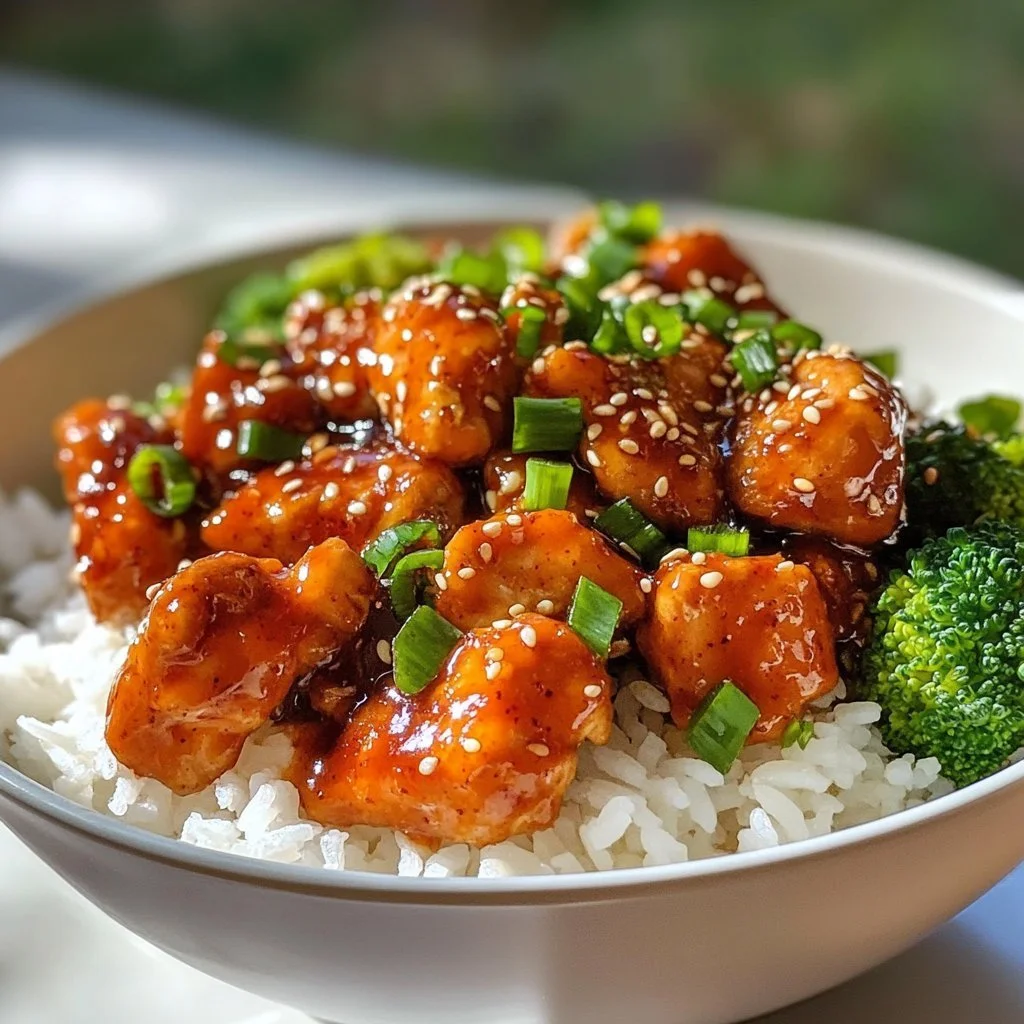
Finding the perfect weeknight dinner can be a challenge, especially when you want something that feels special without demanding a ton of time and effort. Korean chicken became a favorite in my kitchen for just that reason. One day, I decided to delve into the vibrant flavors of Korean cuisine, and this dish left a lasting impression on my palate. The blend of sweet, savory, and spicy notes, all harmonized by marinating chicken breasts, transformed a regular dinner into a culinary adventure.
The recipe relies on a simple yet delicious marinade that came together with ingredients I already had on hand. As I mixed the soy sauce, honey, and gochujang, the aroma filled my kitchen, setting the stage for what would soon become a beloved meal. Cooking the chicken on a grill added those charred notes that perfectly complemented the marinade’s flavors. Each bite transported me to a bustling Korean street market, where dishes like these are crafted with love and care.
Korean chicken not only satisfies with its flavor but also offers an incredible opportunity for customization. You can adjust the heat level or add additional herbs and spices to make it your own. With just a few minutes of prep time and a simple cooking method, you can bring the vibrant taste of Korean cuisine into your home.
Korean Chicken Fundamentals
To whip up a delicious batch of Korean chicken, understanding the fundamentals of the dish is crucial. This staple embraces the essence of Korean cooking, where bold flavors take center stage. The marinade is the heart of this dish, featuring a perfect balance of sweetness, heat, and umami.
With just two chicken breasts, you can create a satisfying meal that pairs well with rice or fresh vegetables. This recipe celebrates simplicity, allowing the rich flavors to shine without overwhelming your cooking process. Marinating the chicken enhances its tenderness and infuses it with flavor, elevating the entire experience.
Preparation begins with a straightforward marinade: soy sauce, honey, gochujang, garlic, sesame oil, rice vinegar, and grated ginger come together to create an intriguing flavor profile. Each ingredient plays its part, contributing to the overall taste that makes this dish so irresistible.
Preparation/setup
Before diving into the cooking process, gather your ingredients and tools. A mixing bowl for the marinade, measuring spoons for accuracy, and a grill or skillet are essential. This ensures a smooth cooking experience, allowing you to focus on enjoying the process.
Start by mincing the garlic and grating the ginger—it’s these fresh ingredients that enhance the dish’s authenticity. Once prepped, you can whisk the marinade together quickly, providing a colorful mix that will coat the chicken beautifully.
Ingredients
- 2 chicken breasts
- 1/4 cup soy sauce
- 2 tablespoons honey
- 1 tablespoon gochujang (Korean chili paste)
- 2 cloves garlic, minced
- 1 tablespoon sesame oil
- 1 tablespoon rice vinegar
- 1 teaspoon grated ginger
- Green onions for garnish
Each ingredient adds a layer of complexity that transforms your ordinary chicken into a bold and exciting dish.
Directions
- In a bowl, whisk together the soy sauce, honey, gochujang, garlic, sesame oil, rice vinegar, and ginger to create the marinade.
- Add the chicken breasts to the marinade and let them marinate for at least 30 minutes, or up to 2 hours in the refrigerator.
- Preheat the grill or a skillet over medium heat.
- Cook the chicken for 6-7 minutes on each side or until fully cooked and the internal temperature reaches 165°F.
- Remove the chicken from heat, let it rest for a few minutes, then slice and serve.
- Garnish with chopped green onions.
Technique
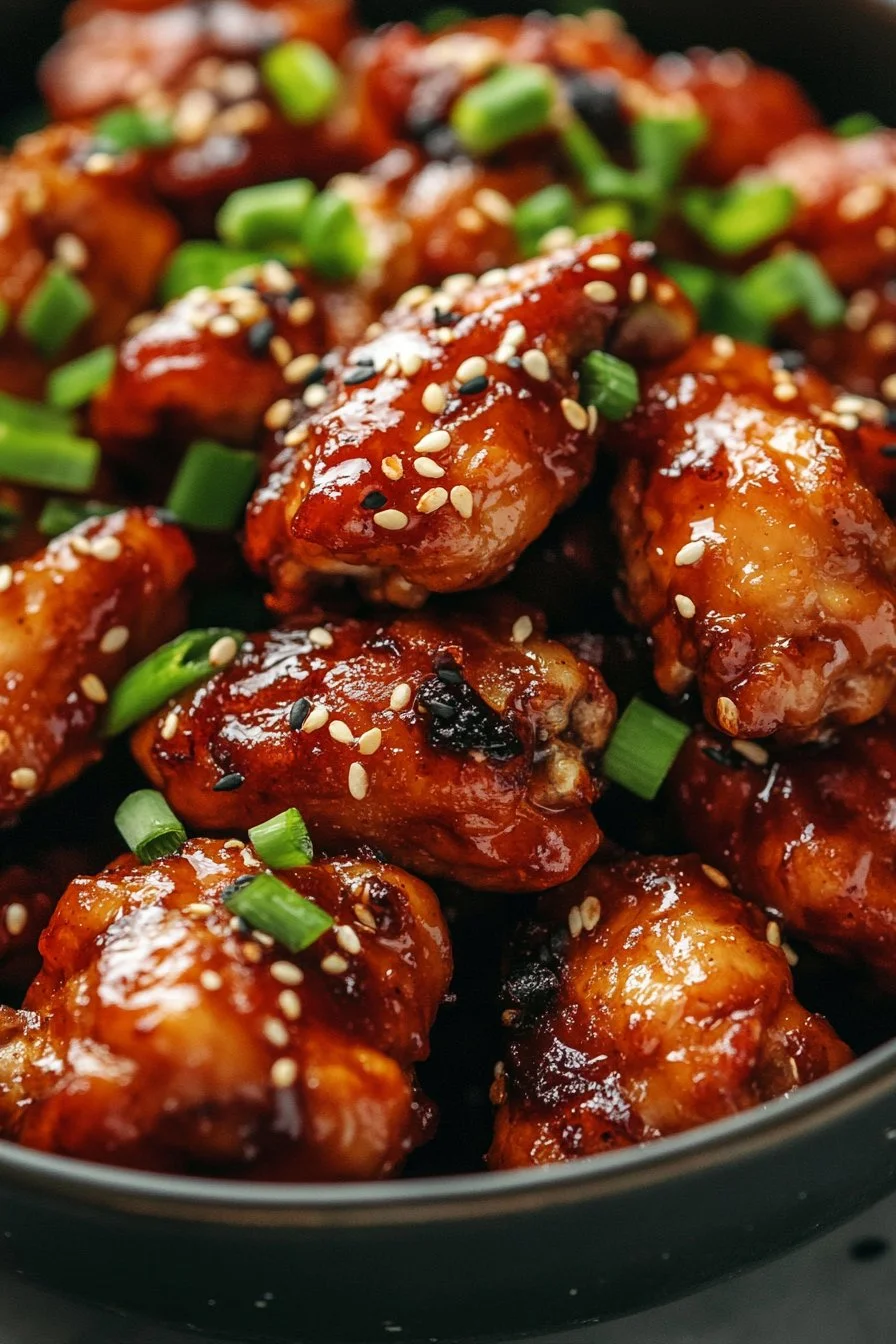
Cooking Korean chicken is all about technique. The grilling method, in particular, brings out the best in the marinade, adding a delightful char that complements the chicken’s juicy texture. Always ensure your cooking surface is adequately preheated—a hot grill or skillet can make a significant difference in achieving the desired sear.
When grilling, resist the urge to constantly flip the chicken. Allow it to brown properly on each side for the best flavor development.
Tips/tricks
- Marinating for longer enhances the flavor but avoid going beyond two hours, as the chicken can become overly salty.
- If you want to adjust the heat, consider adding more gochujang or even some red pepper flakes.
- For smoky flavor, consider using a grill for the chicken. It creates not only delicious char marks but also a captivating aroma.
Keeping these techniques and tips in mind ensures that your Korean chicken turns out perfect every time.
Perfecting Results
Achieving perfect Korean chicken relies on consistency. Measure your ingredients carefully, especially the soy sauce and gochujang. This ensures the right flavor balance without overpowering the chicken.
The resting time after cooking can’t be overlooked either. Letting the chicken sit for a few minutes allows the juices to redistribute, offering a moist and flavorful bite.
Troubleshooting/variations
If the chicken isn’t tender enough, consider adjusting your marinating time. For a more robust taste, you can incorporate additional spices such as sesame seeds or even chopped cilantro.
If you face any issues with cooking chicken evenly, check your grill’s heat distribution. Manipulating the position of the chicken while cooking can help with even cooking.
Recipe Variations
Broaden your culinary experience by experimenting with different proteins. Though this recipe highlights chicken, you can use the same marinade for firm tofu or shrimp. Each modification offers unique results worth exploring.
Serving/presentation
When it comes to serving Korean chicken, presentation can elevate the overall dining experience. Slice the cooked chicken neatly and arrange it on a plate. Sprinkle fresh chopped green onions over the top for a pop of color and a dash of freshness.
Consider pairing this dish with a side of steamed rice or sautéed vegetables, ensuring it maintains its vibrant character.
Pairings/storage
Store any leftover Korean chicken in an airtight container in the refrigerator for up to three days.
You can enjoy the cold chicken on top of salads, or reheat it gently in the skillet to preserve its moisture and flavor. This flexibility makes it a fantastic option for meal prep or quick lunches throughout the week.
Conclusion
Crafting Korean chicken embodies simplicity and flavor, allowing you to experience the rich culinary traditions of Korea at home. The marinade provides a delicious canvas that transforms ordinary chicken breasts into an extraordinary meal. By hugging the versatility of the recipe, you can continue to explore personalized interpretations that satisfy your taste.
PrintKorean Chicken
A flavorful and easy-to-make Korean chicken dish, marinated for a perfect blend of sweet, savory, and spicy notes.
- Prep Time: 10 minutes
- Cook Time: 15 minutes
- Total Time: 25 minutes
- Yield: 2 servings 1x
- Category: Main Course
- Method: Grilling
- Cuisine: Korean
- Diet: Gluten-Free
Ingredients
- 2 chicken breasts
- 1/4 cup soy sauce
- 2 tablespoons honey
- 1 tablespoon gochujang (Korean chili paste)
- 2 cloves garlic, minced
- 1 tablespoon sesame oil
- 1 tablespoon rice vinegar
- 1 teaspoon grated ginger
- Green onions for garnish
Instructions
- In a bowl, whisk together the soy sauce, honey, gochujang, garlic, sesame oil, rice vinegar, and ginger to create the marinade.
- Add the chicken breasts to the marinade and let them marinate for at least 30 minutes, or up to 2 hours in the refrigerator.
- Preheat the grill or a skillet over medium heat.
- Cook the chicken for 6-7 minutes on each side or until fully cooked and the internal temperature reaches 165°F.
- Remove the chicken from heat, let it rest for a few minutes, slice, and serve.
- Garnish with chopped green onions.
Notes
For smoky flavor, consider using a grill for the chicken. Marinating for longer enhances flavor but avoid going beyond two hours to prevent excess saltiness.
Nutrition
- Serving Size: 1 serving
- Calories: 350
- Sugar: 12g
- Sodium: 800mg
- Fat: 10g
- Saturated Fat: 1g
- Unsaturated Fat: 7g
- Trans Fat: 0g
- Carbohydrates: 30g
- Fiber: 1g
- Protein: 30g
- Cholesterol: 80mg