
📑 Table of Contents ▶
Japanese Katsu Curry
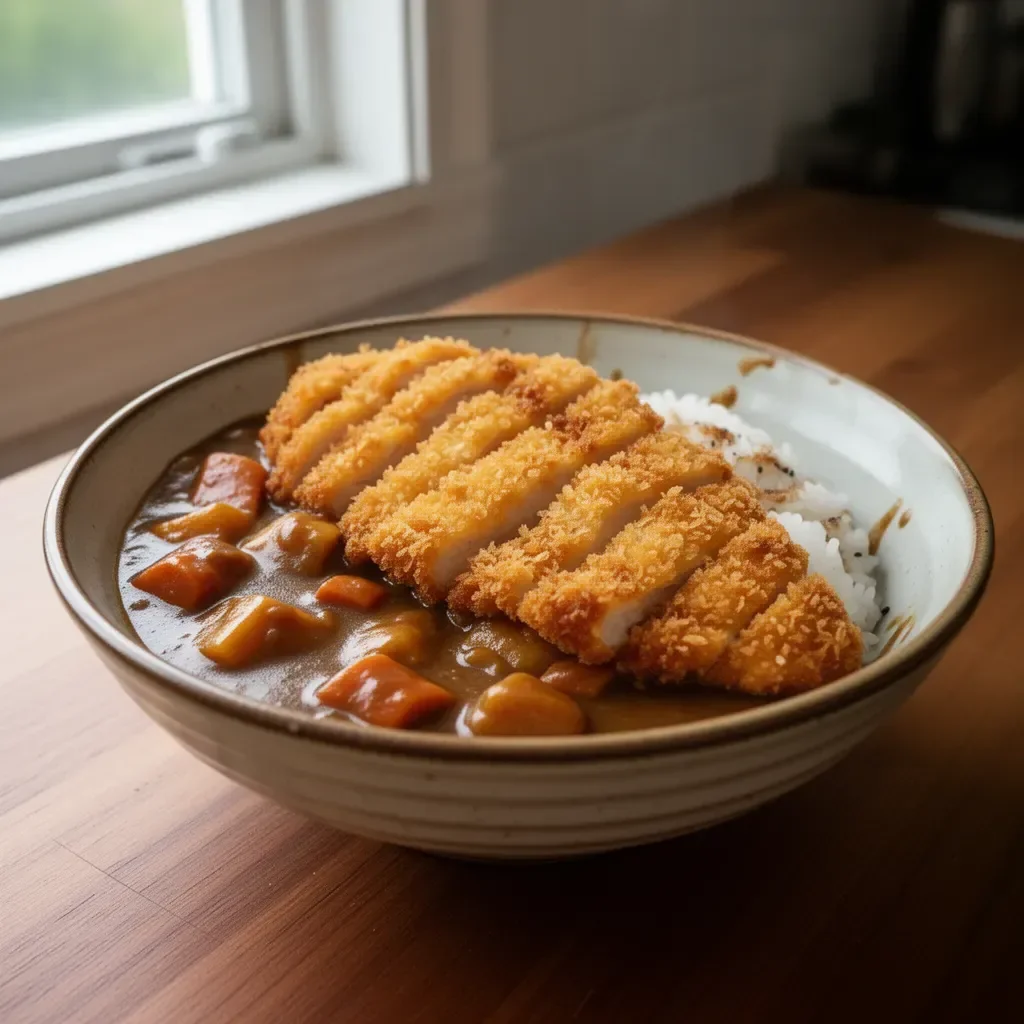
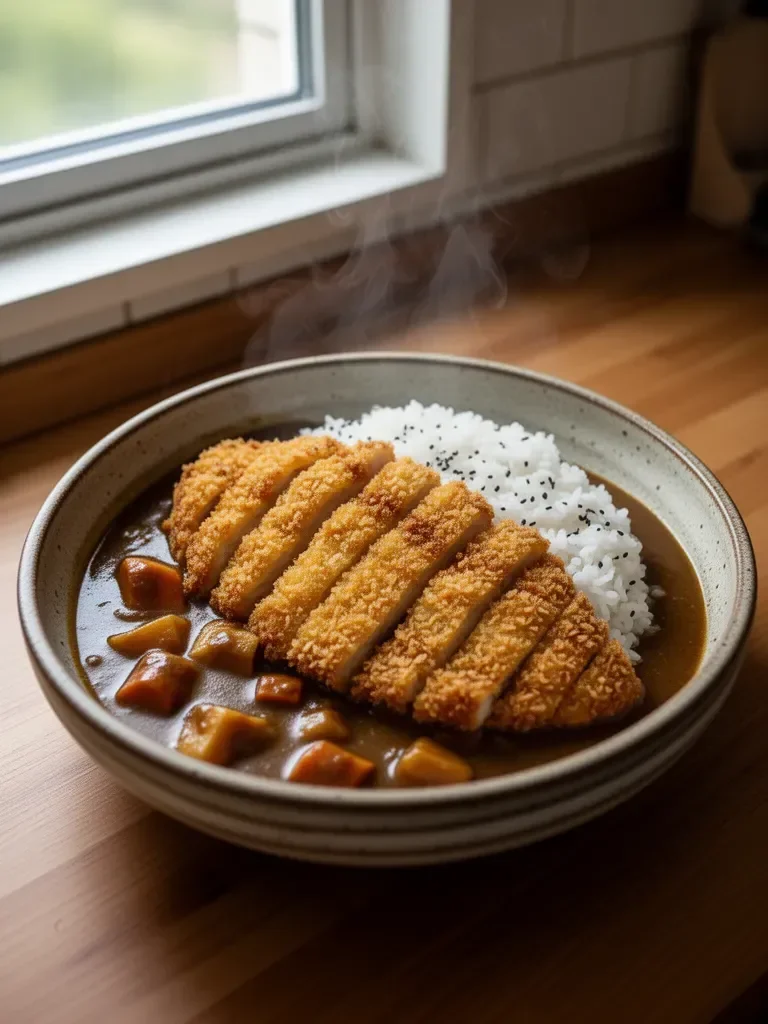
Discovering Japanese Katsu Curry inspired me to explore the wonderful marriage of flavor and texture that defines this dish. The crispy chicken katsu, with its golden panko crust, beautifully contrasts the rich, aromatic curry sauce. Every bite transports you to a cozy Japanese eatery, where the comforting essence of curry envelops tender vegetables and succulent chicken.
My heart skipped a beat the first time I tasted this delightful meal. The perfect blend of spices in the curry, combined with the crispiness of the chicken, opened a new culinary door. Katsu Curry balances flavor and satisfaction, making it a go-to option for both comforting weeknight dinners and special occasions.
With just a handful of ingredients, you can recreate this vibrant dish in your own kitchen. The simple yet effective preparation transforms everyday ingredients into a feast worthy of any table. Let’s dive into the process of making this unforgettable Japanese classic!
Japanese Katsu Curry Essentials
Fundamentals
Japanese Katsu Curry starts with crispy chicken, layered in an exciting curry sauce. The dish uniquely combines the textures of fried chicken and smooth curry while embracing essential Japanese culinary principles. Understanding these fundamentals helps ensure that every aspect of your preparation turns out amazing.
Aromatic onion, colorful carrots, and hearty potatoes form the base of the curry sauce. This comforting combination complements the crispy chicken perfectly. The flavor profile captures the essence of Japanese cuisine, balancing savory notes with subtle sweetness, making it a beloved comfort food around the world.
Preparation/Setup
To prepare your kitchen for this culinary delight, gather your ingredients and equipment first. You will need a frying pan for the chicken and a pot for the curry sauce. Ensure you have a whisk or fork on hand for beating the eggs, as well as a cutting board and knife for chopping vegetables.
Set your cooking space, so the workflow feels smooth. This dish does require a few separate steps, so it’s beneficial to be organized. Having your seasoned chicken ready to coat in breadcrumbs while your vegetables simmer keeps everything flowing seamlessly.
Ingredients
Here’s what you need for this delicious dish:
- 2 chicken breasts
- 1 cup panko breadcrumbs
- 1 cup flour
- 2 eggs
- Salt and pepper to taste
- 2 tablespoons vegetable oil
- 1 onion, chopped
- 2 carrots, sliced
- 2 potatoes, diced
- 2 cups water
- 1 package Japanese curry roux
- Cooked rice for serving
Directions
- Season the chicken breasts with salt and pepper.
- Dredge each chicken breast in flour, dip in beaten eggs, then coat with panko breadcrumbs.
- Heat vegetable oil in a pan over medium heat.
- Fry the chicken breasts until golden brown and cooked through, about 5-7 minutes per side.
- In another pot, heat some oil and sauté onions until translucent.
- Add carrots and potatoes, then pour in water.
- Bring to a boil, then reduce heat and simmer until vegetables are tender.
- Add Japanese curry roux and stir until dissolved.
- Serve the crispy chicken over a bed of rice, topped with curry sauce.
Mastering the Technique
Technique
Perfecting your technique elevates your Japanese Katsu Curry to restaurant-quality. Focus on achieving the ideal frying temperature for the chicken. Too hot, and the outside will burn before the inside cooks through; too low, and the chicken will absorb excess oil without crisping up.
Coating your chicken correctly is crucial. Ensure even coverage when dredging in flour, dipping in egg, and rolling in breadcrumbs. This layering locks in moisture and creates that irresistible crunch. Don’t rush the frying process; take your time to achieve a beautiful golden-brown exterior.
Tips and Tricks
Using the right cooking oil influences your final texture. Vegetable oil has a high smoke point, making it suitable for frying. Maintain the heat consistently throughout cooking. An oil thermometer can help you achieve the perfect fry.
Experimenting with the curry roux offers an exciting flavor exploration. Not all brands are created equally; choose one that aligns with your taste preferences. Mixing different curries can lead to delightful new flavor combinations too.
Perfecting Your Result
Perfecting Results
Achieving the perfect Japanese Katsu Curry relies on timing and attention to detail. Ensure your chicken reaches an internal temperature of 165°F to guarantee it’s safe to eat and remains juicy. Pairing your crispy chicken with a smooth curry sauce enhances the overall experience.
Letting the curry simmer allows flavors to develop fully. Be patient; the longer it cooks, the richer it becomes. This allows the vegetables to soften, enriching the sauce while imparting their natural sweetness.
Troubleshooting and Variations
Sometimes unexpected issues arise. If your chicken isn’t crisping as you’d like, check your oil temperature and ensure you’re not overcrowding the pan. For a thicker curry, let it simmer uncovered longer or add a touch of cornstarch mixed with water to thicken it.
You can customize the vegetables based on what you have on hand or your personal preferences. Zucchini, bell peppers, or even mushrooms can work wonders in your curry. Mixing and matching helps create a well-balanced meal tailored to your taste.
Serving Up the Final Touch
Serving and Presentation
Serving your Japanese Katsu Curry with care and attention to presentation can elevate the dining experience. Start with a generous scoop of cooked rice to create a comforting base. Place the crispy chicken on top and drizzle the warm curry sauce generously over everything.
Garnishing your plate with fresh chopped green onions or parsley adds a pop of color and freshness. This enhances visual appeal, enticing everyone to dig in. Serve it hot, allowing the savory scents to tantalize your guests’ appetites.
Pairings and Storage
While wine pairings are not appropriate here, serving your Katsu Curry alongside pickled vegetables or a fresh salad offers healthy, complementary flavors. The combination enriches the meal, providing textural contrast and additional nutrients.
For storage, wrap any leftovers tightly in an airtight container. The Katsu Curry will keep in the refrigerator for up to three days, while you can reheat it gently on the stovetop or in the microwave. This helps maintain the crispy texture of the chicken without compromising taste.
Crafting a memorable Japanese Katsu Curry brings comfort and joy to your home-cooked meals. Dive into this delightful dish and enjoy the flavorful journey it offers!
PrintJapanese Katsu Curry

A delicious blend of crispy chicken katsu and rich, aromatic curry, perfect for comfort food lovers.
- Prep Time: 15 minutes
- Cook Time: 30 minutes
- Total Time: 45 minutes
- Yield: 4 servings 1x
- Category: Main Course
- Method: Frying
- Cuisine: Japanese
- Diet: Non-Vegetarian
Ingredients
- 2 chicken breasts
- 1 cup panko breadcrumbs
- 1 cup flour
- 2 eggs
- Salt and pepper to taste
- 2 tablespoons vegetable oil
- 1 onion, chopped
- 2 carrots, sliced
- 2 potatoes, diced
- 2 cups water
- 1 package Japanese curry roux
- Cooked rice for serving
Instructions
- Season the chicken breasts with salt and pepper.
- Dredge each chicken breast in flour, dip in beaten eggs, then coat with panko breadcrumbs.
- Heat vegetable oil in a pan over medium heat.
- Fry the chicken breasts until golden brown and cooked through, about 5-7 minutes per side.
- In another pot, heat some oil and sauté onions until translucent.
- Add carrots and potatoes, then pour in water.
- Bring to a boil, then reduce heat and simmer until vegetables are tender.
- Add Japanese curry roux and stir until dissolved.
- Serve the crispy chicken over a bed of rice, topped with curry sauce.
Notes
Consider using fresh herbs for garnish to enhance flavor and presentation. Leftovers can be stored for up to three days.
Nutrition
- Serving Size: 1 serving
- Calories: 560
- Sugar: 5g
- Sodium: 900mg
- Fat: 20g
- Saturated Fat: 3g
- Unsaturated Fat: 10g
- Trans Fat: 0g
- Carbohydrates: 70g
- Fiber: 4g
- Protein: 28g
- Cholesterol: 100mg